
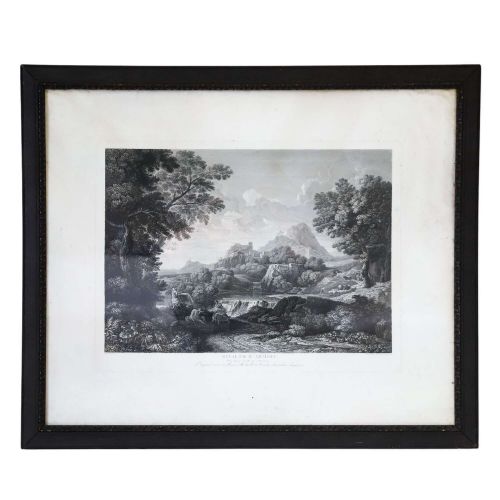


Georgian Neoclassical Art Print
A georgian neoclassical art print brings the architectural grandeur and classical mythology of the eighteenth century straight onto the wall.
Georgian Neoclassical Art Print
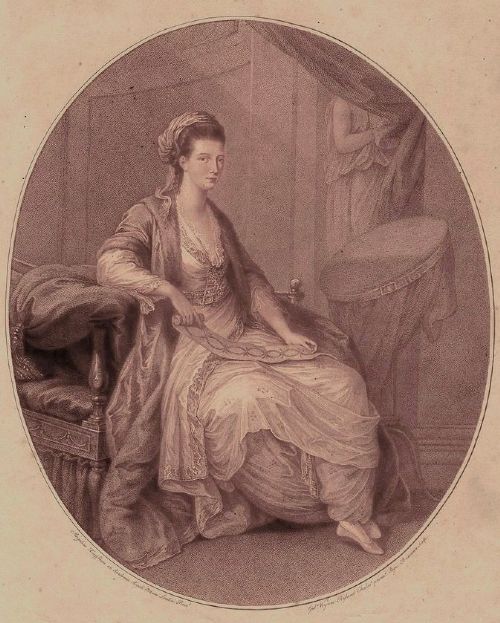
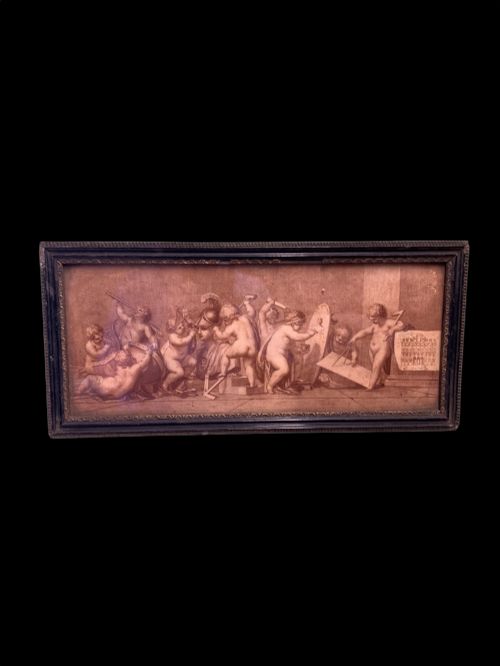
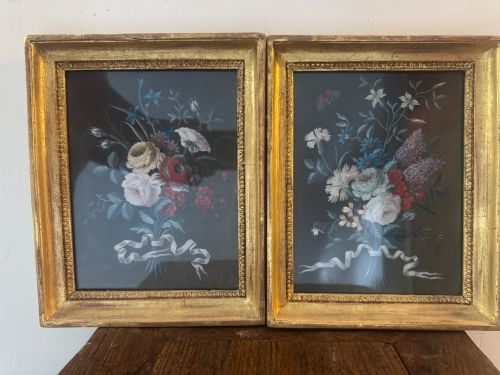
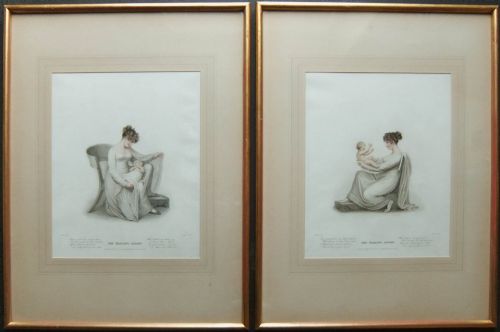
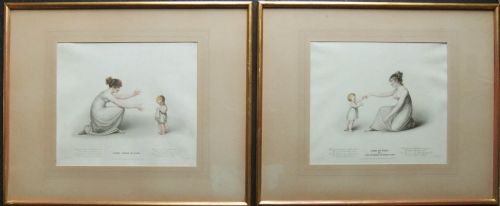
When searching for a georgian neoclassical art print, collectors encounter works produced primarily during the eighteenth century and around eighteen hundred. These pieces encompass architectural engravings, stipple engravings, etchings, and gouache flower still lifes.
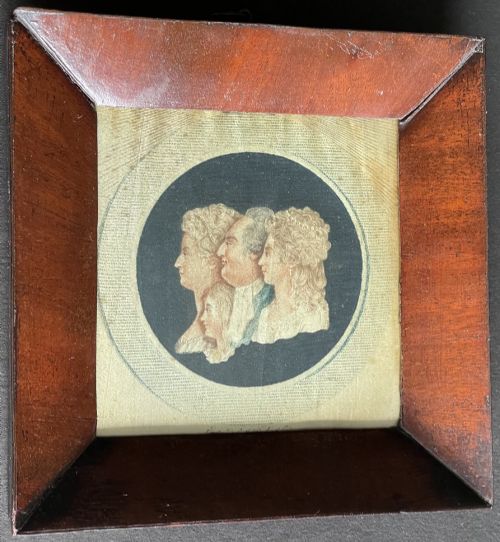
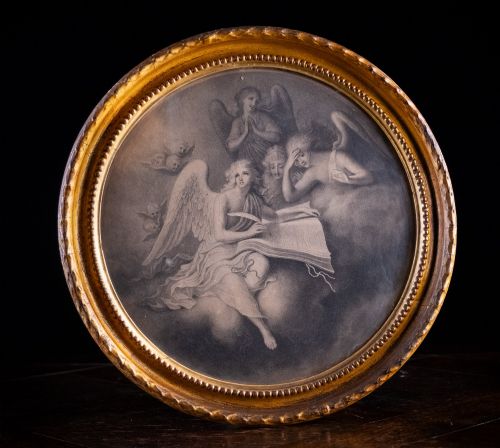
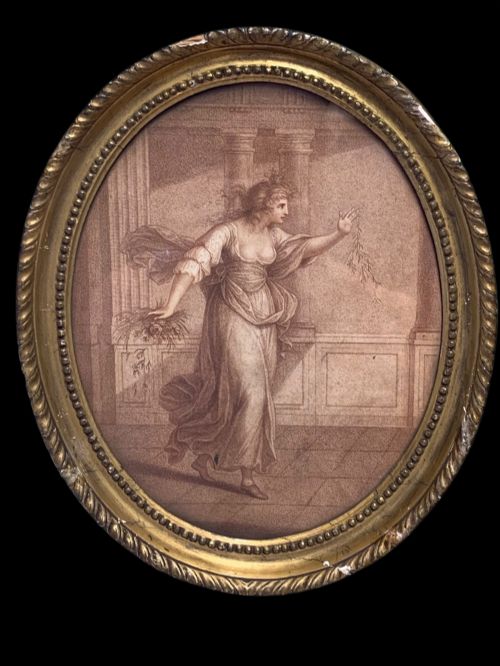
Subjects range from Greek and Roman gods and mythological figures to portraits of nobility and architectural views from Athens and Herculaneum. Works appear either loose or housed in period frames of wood, mahogany, or giltwood with glass.
Single plates mix with pairs and larger sets, recording the grand tour taste for classical antiquity through detailed line work and delicate hand colouring.
How they were made
Makers applied ink to paper using engraved metal plates, etchings, or stipple techniques to capture fine lines and tonal gradations. Certain specialised pieces utilised silk as a base material rather than standard paper.
Framing involved timber such as mahogany or moulded wood finished with gold leaf or giltwood, protecting the fragile works behind glass.
Several architectural plates record ancient temples with such precision that winged gods appear to oversee the masonry.
What varies in quality
The distinction between tiers rests upon the crispness of the impression left by the plate and the clarity of the fine lines. Early pulls from a copper plate display sharper detail than later impressions where the metal has worn down.
The survival of original framing, particularly giltwood or mahogany surrounds with intact glass, elevates the standing of a piece considerably compared to later remounts.
James Basire·Simon François Ravenet·Adam Buck·Edward Rooker
The Georgian Neoclassical Art Print Glossary
- Stipple engraving
- A printmaking method using dots of varying density to create tonal effects and soft shadows. This technique became popular for portraits and mythological scenes.
- Etching
- A process where acid bites lines into a metal plate to hold ink for printing. It allows for expressive, fluid lines.
- Giltwood
- Wood carved and coated with gold leaf or gold paint. Frames utilising this finish complement classical prints.
- Grand tour
- The eighteenth-century custom of travelling through Europe to study classical antiquity. Many architectural prints record the monuments seen on these journeys.
Georgian Neoclassical Art Print: Frequently Asked Questions
How do I hang a framed print?
Support the weight securely using appropriate wall fixings matched to the timber frame.
Keep the paper away from direct sunlight to prevent fading of the ink and paper over time.
Are these prints originals from the period?
The works date from the eighteenth century and the year eighteen hundred, matching the neoclassical and regency periods.
Examine the paper quality, ink deposition, and plate marks to understand the age of the impression.
What subjects are most common?
Greek and Roman gods, architectural monuments from Athens, and portraits dominate the available selection.
Mythological scenes and architectural plates reflect the classical interests of the period.
How should I clean the glass?
Apply a mild glass cleaner to a cloth rather than spraying directly onto the frame.
Take care to avoid moisture seeping under the edge of the glass into the paper print.