




Georgian Needlepoint Picture
A georgian needlepoint picture brings delicate silk and wool needlework into your home, prized for its hand-stitched historical charm.
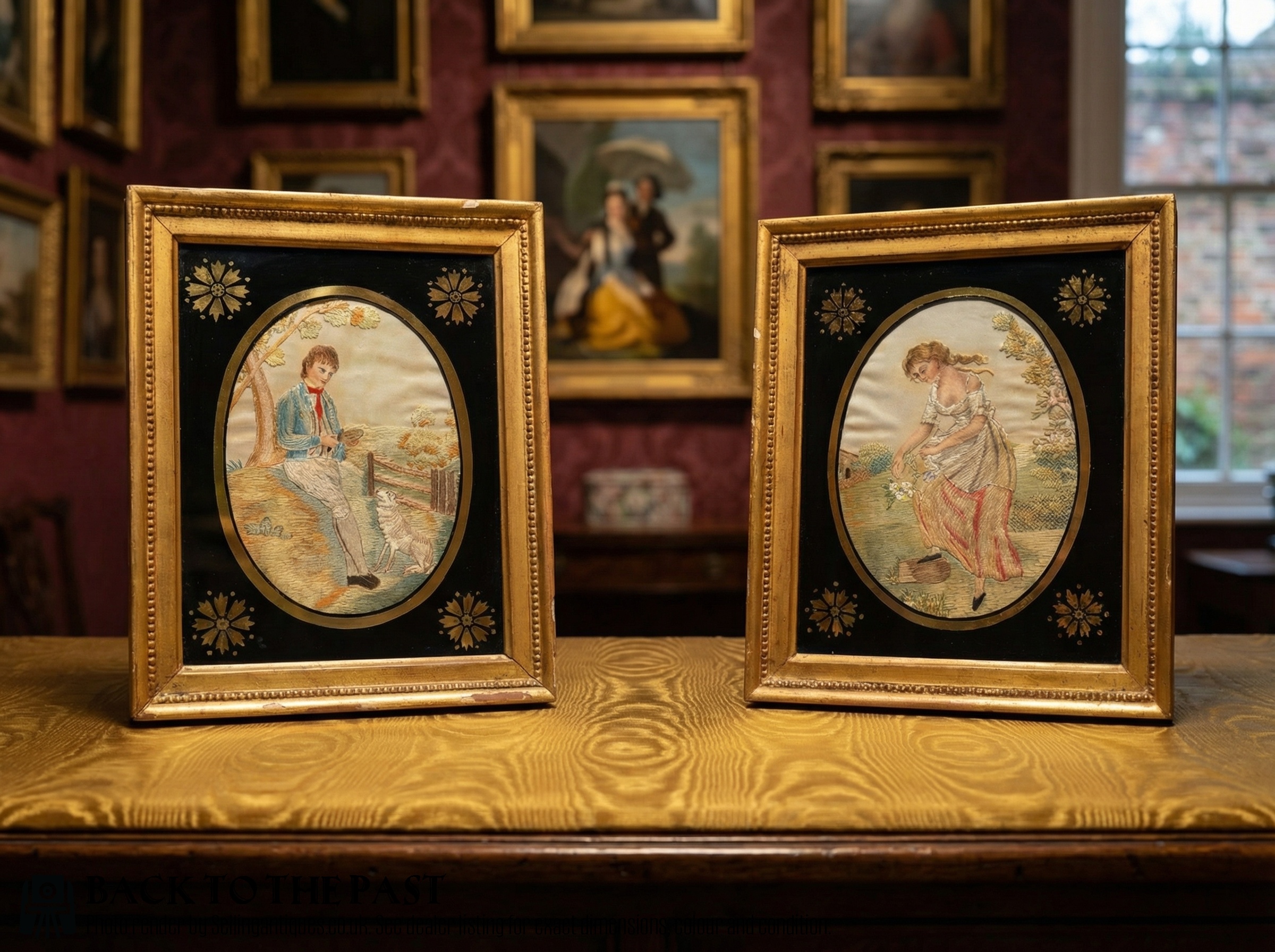
What They Are
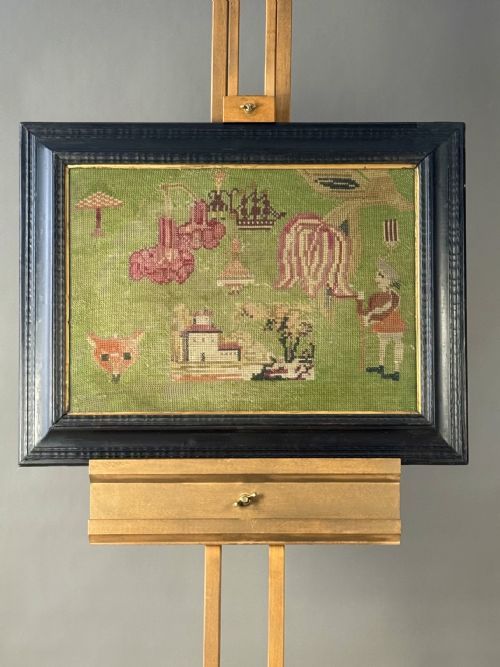
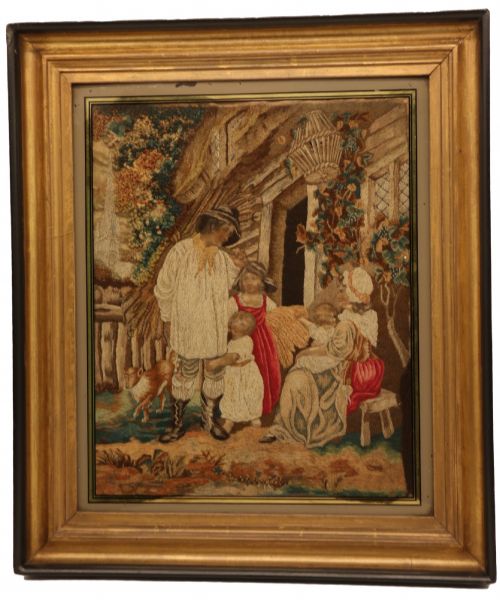
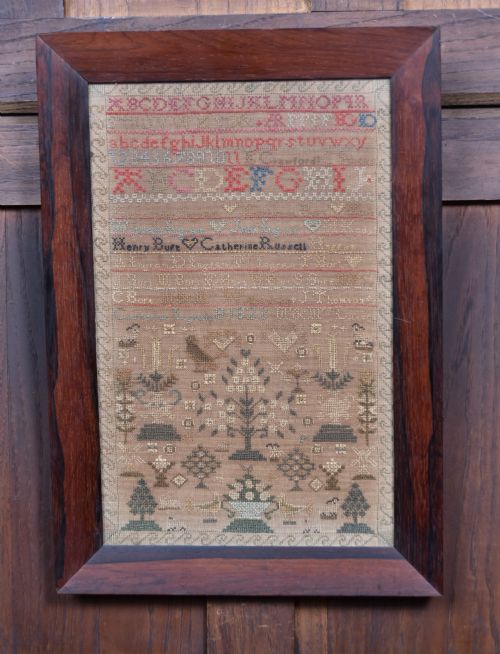
When searching for a georgian needlepoint picture, you encounter framed embroidery and artwork from the eighteenth century and the Regency period. These pieces demonstrate the domestic decorative needlework typical of British households during those eras.
You are most likely to meet framed needlework embroideries housed in period frames, representing the styles of Georgian and Regency craftsmanship.
How They Were Made
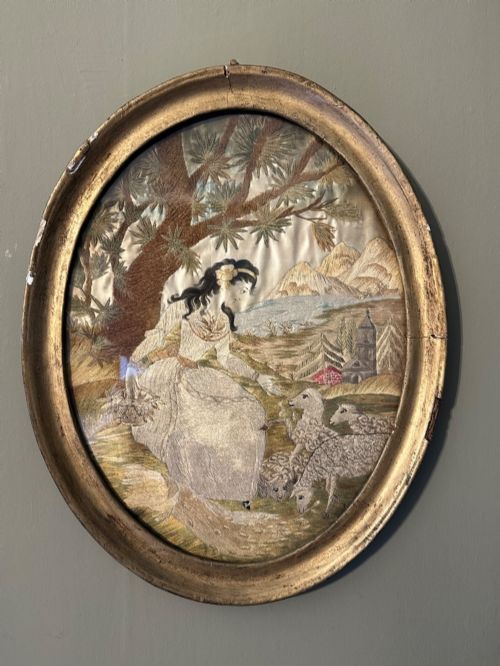
These works utilise fine silk threads hand-stitched onto a foundation fabric to build up pictorial scenes and motifs. Makers mounted the finished embroidery into protective frames.
The framing involves giltwood and gilt mezzotint frames, often paired with glass to protect the delicate textile surface from dust and damage.
What Varies in Quality
Quality rests in the finesse of the needlework and the preservation of the silk threads, where tighter, more even stitching elevates a piece. The vibrancy of surviving silk colours distinguishes finer examples from those faded by time.
The housing equally dictates the tier of the piece, with well-preserved giltwood or gilt mezzotint frames providing a fitting historical boundary for the textile within.
The Georgian Needlepoint Picture Glossary
- Needlepoint
- A form of canvas work embroidery where yarn or silk is stitched through a stiff open-weave canvas. It creates a dense, durable pictorial surface.
- Giltwood
- Wood that has been coated with a thin layer of gold leaf or gilt gesso. It brings a bright, reflective border to period artwork.
- Regency
- The period in British history from the early nineteenth century defined by specific neoclassical design traits. Pieces from this era often feature refined classical proportions.
- Mezzotint frame
- A specialised frame style historically associated with housing prints or delicate works on paper and silk. It frames the artwork with distinct decorative moulding.
Frequently Asked Questions
What is a georgian needlepoint picture?
It is a hand-stitched textile artwork created during the eighteenth or early nineteenth century in Britain. These pieces depict various pictorial scenes using fine threads.
They usually survive today preserved behind glass within their original period frames.
How were these pictures displayed?
Historical interiors typically featured these embroidered pictures hung on parlour and drawing room walls. They served as proof of domestic accomplishment and refined taste.
Today, they require placement away from direct sunlight to protect the fragile silk fibres from fading.
How do I care for silk needlework?
Keep the piece away from damp environments and strong direct light to preserve the delicate silk threads. The glass front should remain sealed to protect the textile from dust.
Dust the giltwood frame gently with a dry, soft cloth without touching the fabric inside.
How can I tell the period?
The dating relies on stylistic clues within the embroidery design and the construction of the surrounding frame. Eighteenth-century pieces differ subtly in motif from Regency examples.
Frame types such as giltwood or gilt mezzotint further help anchor the object within its historical timeframe.