





Georgian Mourning Jewellery
Georgian mourning jewellery comprises brooches and rings created to remember the departed, combining sentimental art with precious metals.
Georgian Mourning Jewellery
Georgian mourning jewellery encompasses pieces created to commemorate the dead during the Georgian era. Buyers searching for georgian mourning jewellery encounter intimate personal items designed for remembrance.
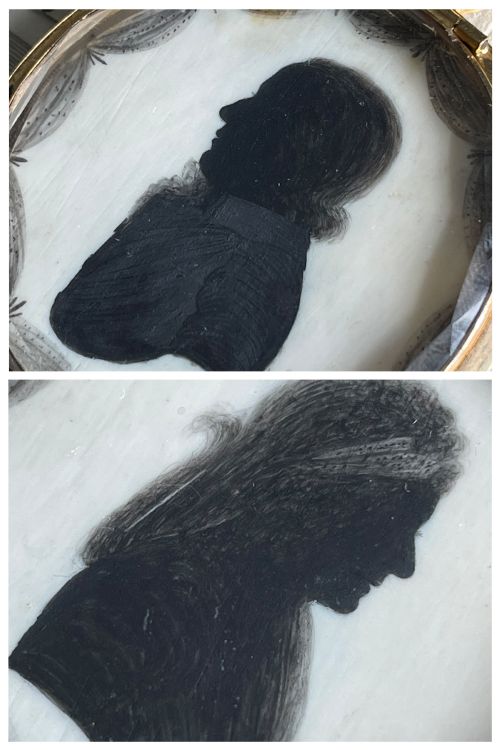
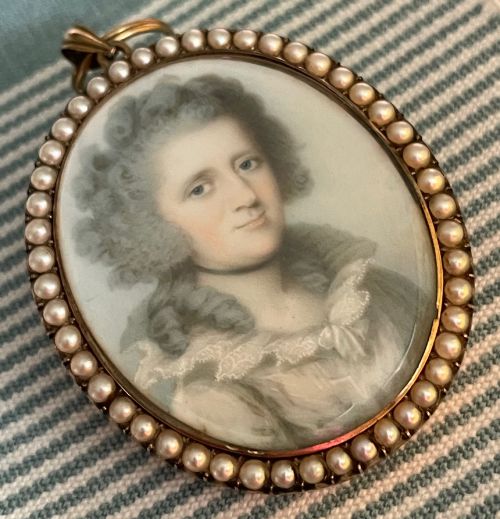
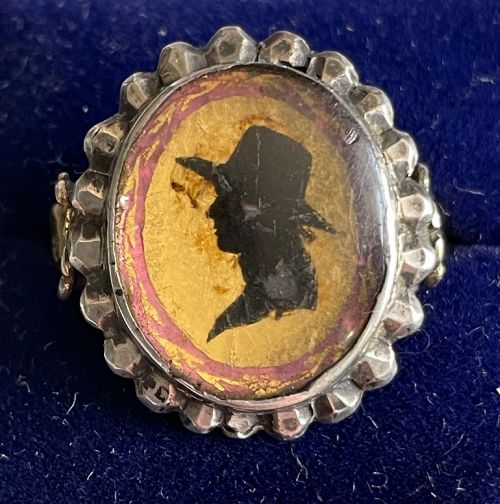
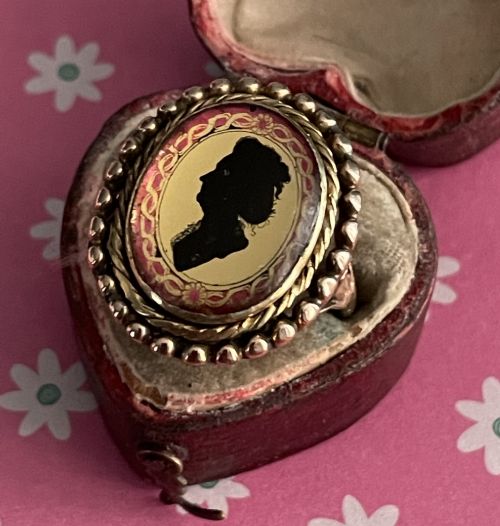
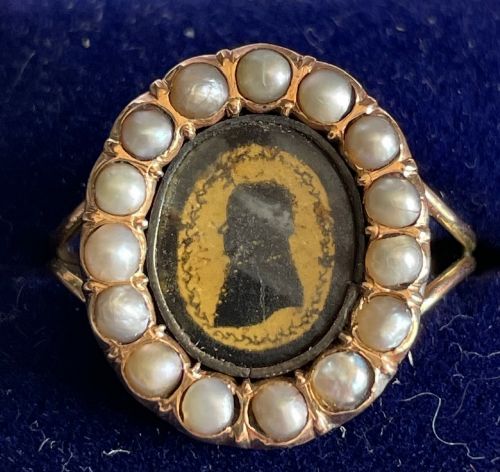
The selections available here include miniature silhouette portrait brooches and rings. These forms represent the specific wearable mementos produced during the period.
How They Were Made
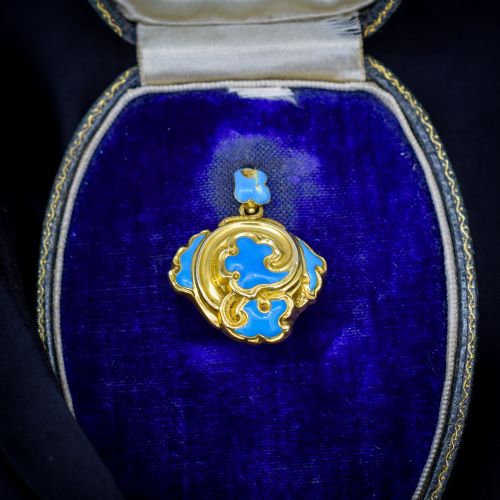
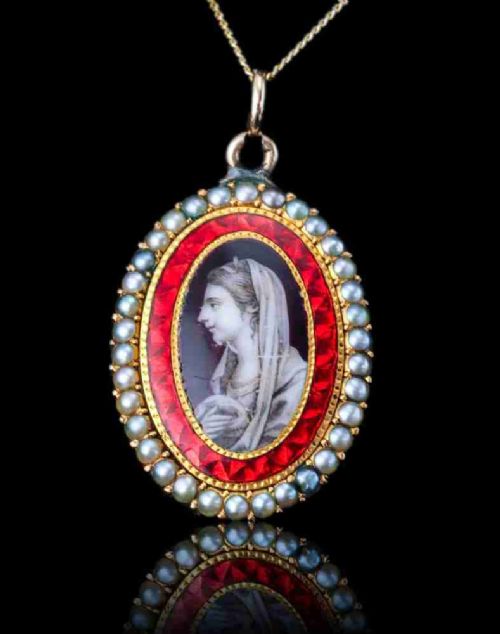
Craftsmen utilised materials such as gold, 18ct yellow gold, glass, ink, plaster, paste and enamel to construct these commemorative pieces. These substances formed the structural settings and the detailed miniature imagery within.
Techniques combined metalworking for the rings and brooches with miniature portraiture and enamel work. The integration of glass protected delicate components like ink on plaster silhouettes.
Georgian Mourning Jewellery Retail Price Guide 2026
Typical asking prices for georgian mourning jewellery among the pieces listed under this phrase on Sellingantiques today, from the lower quarter to the upper quarter. They describe what is for sale here now, not the wider market.
The object forms recorded in the current inventory are limited to brooches and rings.
What Varies in Quality
Quality differences lie in the refinement of the miniature portraiture and the intricacy of the enamel work. Finer examples display superior precision in the silhouette and greater dexterity in the metal settings.
The selection of materials also dictates the grade of the piece, with high-carat gold and carefully fashioned paste stones setting superior items apart from simpler constructions.
John Miers
The Georgian Mourning Jewellery Glossary
- Silhouette
- A solid black profile portrait, often painted on plaster or paper, capturing the likeness of the deceased. This technique was common in miniature portraiture before photography.
- Paste
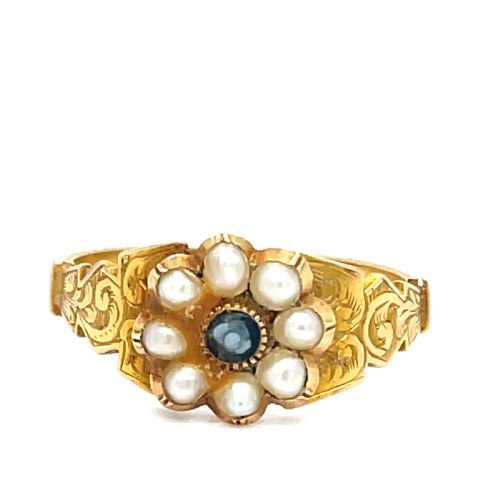
- Faceted glass cut and polished to imitate gemstones. It is frequently set into period rings and brooches to provide sparkle.
- Mourning Ring
- A finger ring commissioned to commemorate a person who has died. Such rings frequently incorporate inscriptions, hairwork or miniature portraits.
Georgian Mourning Jewellery: Frequently Asked Questions
What is Georgian mourning jewellery?
Georgian mourning jewellery consists of wearable pieces created during the eighteenth century to remember deceased loved ones.
These items frequently take the form of rings and brooches incorporating personal imagery or symbolic materials.
How were these pieces used?
Owners wore these items as personal tokens of grief and remembrance for family members or close associates who had passed away.
They served as both a social signal of bereavement and a private, tactile connection to the departed.
What materials are typical?
Mourning items from this period commonly employ gold, 18ct yellow gold, enamel, glass and paste stones.
Artists also utilised ink and plaster to create miniature silhouette portraits within the pieces.
How do you identify the period?
Identification relies on the specific structural forms, craftsmanship techniques and stylistic conventions characteristic of the eighteenth century.
Details such as specific gold purities and silhouette styles help confirm the era.