

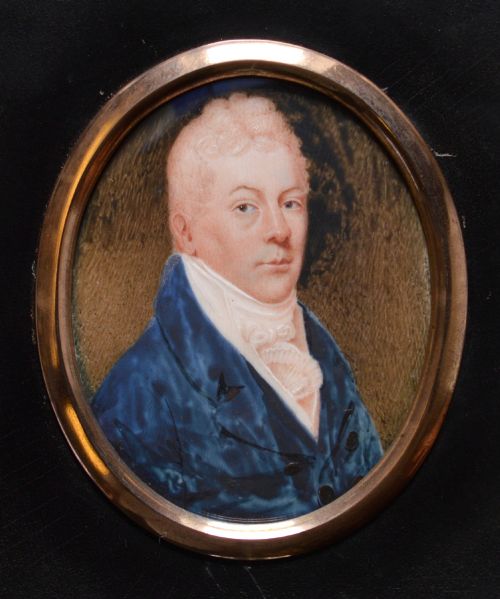
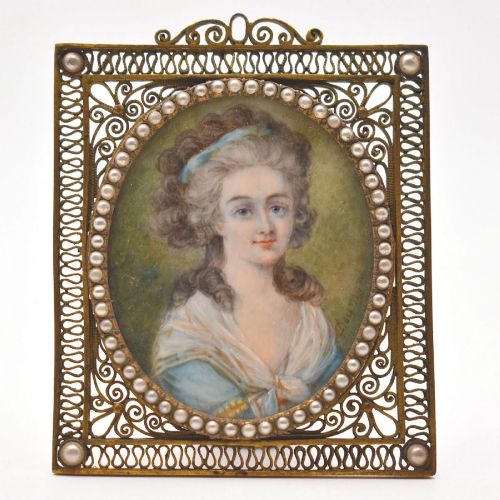


Ivory Miniature Portrait Painting
These ivory miniature portrait painting works capture likenesses in delicate detail, offering an intimate glimpse into eighteenth and nineteenth-century society.
Ivory Miniature Portrait Painting
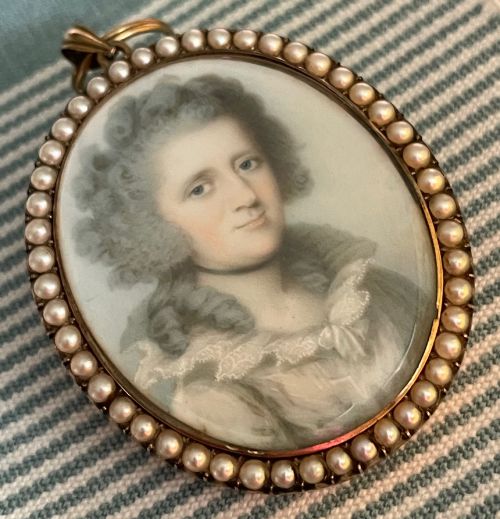
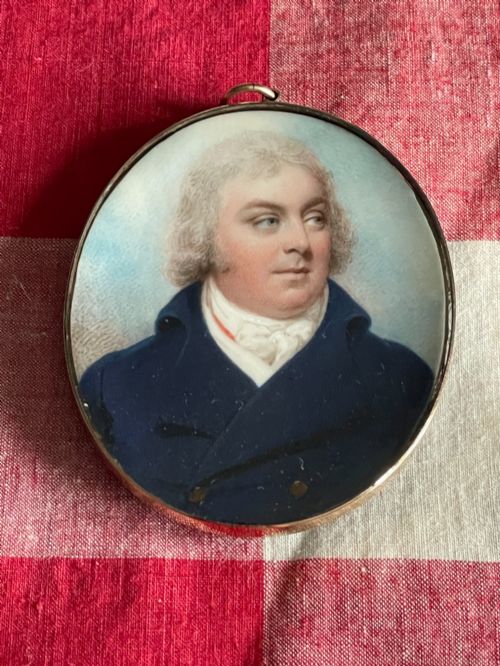
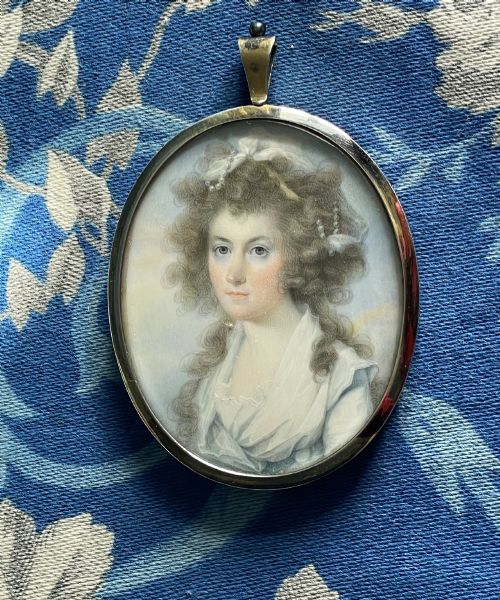
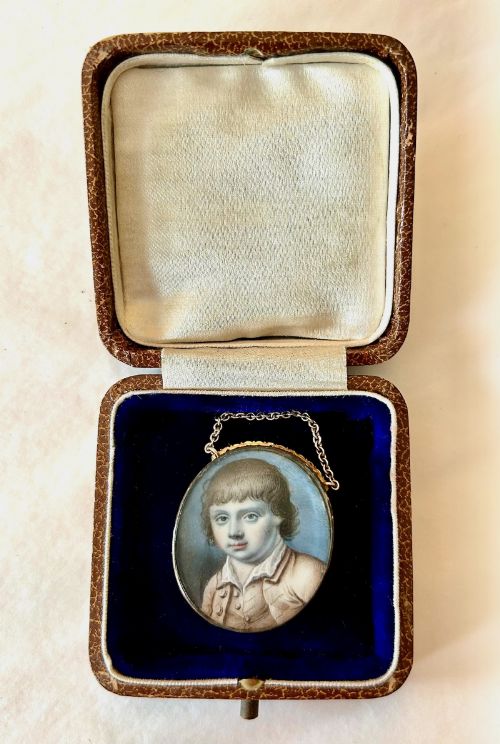
An ivory miniature portrait painting represents subjects from the Georgian and Regency eras, executed on thin slices of ivory with watercolour pigments. These works depict notable ladies, gentlemen, officers, and children, often preserved in protective glass frames.
The pieces appearing on this page typically span the late eighteenth century through to the early nineteenth century. Common formats include miniature paintings mounted in gilt metal, brass, or ebonised wood frames.
Subjects range from named individuals, such as Robert Clarke and Viscountess Gormanston, to anonymous sitters rendered by skilled artists. Their small scale allowed sitters to carry likenesses of loved ones close during travel.
Materials and technique
Artists applied fine watercolour paints directly onto prepared ivory grounds, utilising the translucent quality of the material to impart a lifelike glow to skin tones. This technique required immense precision due to the miniature scale.
Completed paintings were sealed beneath glass and housed in bespoke frames constructed from gold, brass, gilt metal, or ebonised wood. Some elaborate examples incorporated seed pearls or specialised mountings to enhance the presentation.
Ivory Miniature Portrait Painting Retail Price Guide 2026
Typical asking prices for ivory miniature portrait painting among the pieces listed under this phrase on Sellingantiques today, from the lower quarter to the upper quarter. They describe what is for sale here now, not the wider market.
Some young boys in the late eighteenth century were painted wearing delicate white dresses simply because it was the fashion of the time.
Factors of quality
The refinement of brushwork and the psychological depth of the sitter's expression distinguish superior examples from simpler works. Master artists captured subtle facial contours and textures of hair and fabric with remarkable economy of line.
The choice of framing materials and the integrity of the ivory support influence the overall standing of a piece. Original settings in gold or gilt metal with intact glass preservation elevate the historic character.
Charles Robertson·William Wood·John Donaldson·Charles Hayter·Nicolas Freese·Frederick Buck·George Engleheart·Archibald Skirving·Edward Pugh·Samuel Cotes·Jeremiah Steele
The Ivory Miniature Portrait Painting Glossary
- Watercolour on Ivory
- A painting method where water-soluble pigments are applied to a thin sheet of elephant ivory. The natural luminescence of the ivory shines through the translucent paint layers.
- Georgian
- The period spanning the reigns of the British monarchs George I through George IV. Items from this era reflect specific stylistic developments in portraiture and framing.
- Regency
- The historical period from 1811 to 1820, characterised by distinct fashions in dress and portrait miniatures. Portrait subjects from this time often display characteristic hairstyles and garments.
- Gilt Metal
- A base metal treated with a thin layer of gold or gold-coloured wash. This material provided a decorative, durable border for miniature paintings without the cost of solid gold.
- Ebonised Wood
- Timber treated to imitate ebony, giving a deep black finish. Frames made from this material were popular for contrasting with the delicate tones of watercolour portraits.
Ivory Miniature Portrait Painting: Frequently Asked Questions
How were portrait miniatures worn or displayed?
These small artworks were frequently set into lockets, brooches, or pocket watch cases so that owners could keep the likeness of a relative near them. Wealthy patrons also displayed framed miniatures on drawing-room walls or tabletop cabinets.
Their portable nature meant sitters could transport them during long journeys or military campaigns, maintaining personal connections across distances.
How do I distinguish Georgian miniatures from Regency pieces?
Georgian examples often feature elaborate powdered wigs, heavy coats, and lace cravats for gentlemen, alongside specific gown styles for ladies. Regency pieces shift towards cropped natural hair, simpler neckwear, and neoclassical dress.
Examining the framing style and clothing details helps establish whether a piece belongs to the eighteenth century or the early nineteenth century.
Why was ivory used as a painting surface?
Ivory offered a smooth, semi-translucent surface that reflected light back through watercolour washes. This optical effect gave painted skin tones a warm, realistic glow impossible to achieve on paper or parchment.
Artists harnessed this natural luminosity to depict delicate complexions and subtle flush in the cheeks of their sitters.