

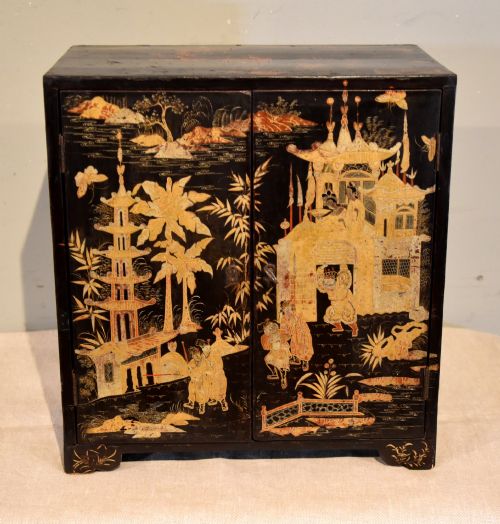
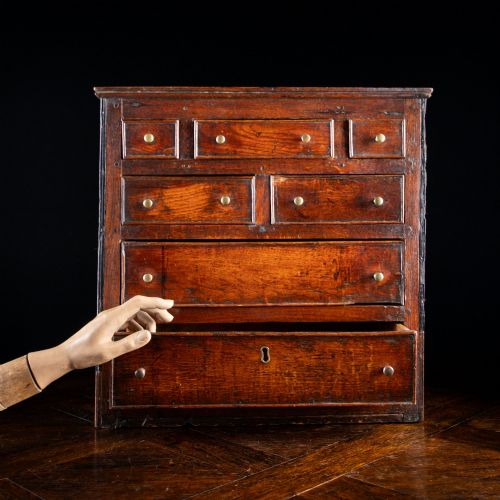
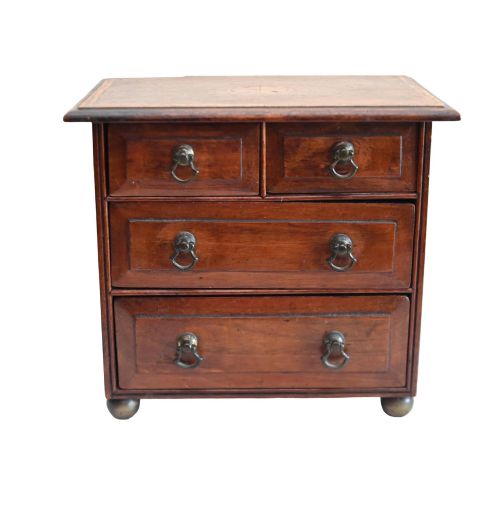





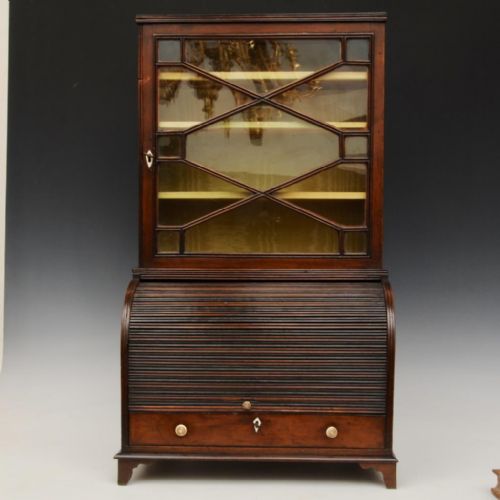

Georgian Miniature Desk
A georgian miniature desk offers small-scale carpentry in mahogany or oak, giving collectors period form without the room it normally takes.
Georgian Miniature Desk
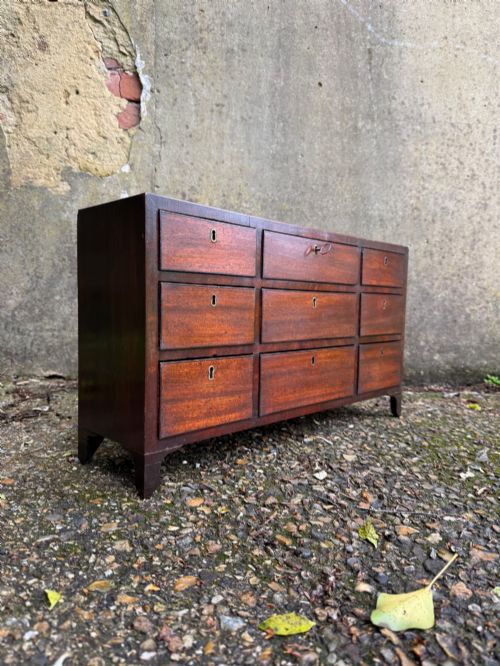
When you search for a georgian miniature desk, you encounter small-scale items produced in mahogany or oak across the eighteenth century and later revival periods. These pieces include miniature bureau bookcases and table top bureaux designed for small spaces or as master pieces.
The pieces on this page span the eighteenth century, Regency period, and later revivals up to the early twentieth century. Bureau forms sit alongside kneehole desks and chests, showing how makers scaled down larger furniture types for specific domestic settings.
What varies in quality
Quality depends upon the fidelity of the proportions and the precision of the cabinetwork used to reduce standard furniture forms. Pieces that maintain accurate drawer linings and crisp moulding details demonstrate superior maker skill.
The choice of timber grain and the condition of the original polished surface dictate the visual appeal of each piece. Later revival items differ from eighteenth-century originals through timber selection and construction methods.
Georgian Miniature Desk Retail Price Guide 2026
Typical asking prices for georgian miniature desk among the pieces listed under this phrase on Sellingantiques today, from the lower quarter to the upper quarter. They describe what is for sale here now, not the wider market.
One tiny bureau was reduced to a quarter scale, proving that eighteenth-century cabinetmakers loved a tiny challenge just as much as we love looking at them.
The Georgian Miniature Desk Glossary
- Bureau
- A desk with a sloping hinged lid that opens to reveal fitted interior pigeonholes and small drawers. This form appears frequently in miniature scale.
- French polish
- A shellac finish applied in thin layers with a pad to achieve a high gloss on wooden surfaces. It is common on mahogany and walnut items from the nineteenth century onwards.
- Dovetail
- A joint formed by interlocking wedge-shaped fingers, used to join drawer sides to drawer fronts. Quality cabinetwork relies on neatly cut joints.
- Kneehole desk
- A writing table with a central recess for the sitter's legs, flanked by pedestals of small drawers. Miniature versions replicate this layout in compact proportions.
- Escutcheon
- A flat plate of brass surrounding a keyhole to protect the surrounding wood. Miniature examples scale down these hardware fittings to match the small doors and drawers.
Georgian Miniature Desk: Frequently Asked Questions
How were these small desks used?
These small desks served as functional writing surfaces in modest spaces or as travelling furniture for correspondence. Some functioned as apprentice pieces to demonstrate competency in cabinetmaking.
Their compact size allowed placement on tables or chests rather than standing directly on the floor. Owners kept letters, ink, and small documents inside the fitted interior compartments.
How do I style a miniature desk at home?
A miniature desk sits well on top of larger antique sideboards, chests of drawers, or dedicated display tables. Its scale allows it to fit into shelving units or desktop areas where full-size furniture cannot go.
Pairing the piece with appropriate small objects like inkstands or miniature frames enhances its display context. Keep the desk in stable room conditions away from direct heat sources to protect the polished wood.
How can I tell the period of a miniature desk?
Dating relies on timber choice, construction techniques, and the presence of period stylistic markers such as bracket feet or fitted pigeonholes. Eighteenth-century examples typically show hand-cut dovetails and native timbers like oak or early mahogany.
Revival pieces from the Edwardian era or the early twentieth century often display machine precision or different secondary woods. Comparing the construction methods to dated reference items clarifies the age of the piece.