



Georgian Military Portrait Painting
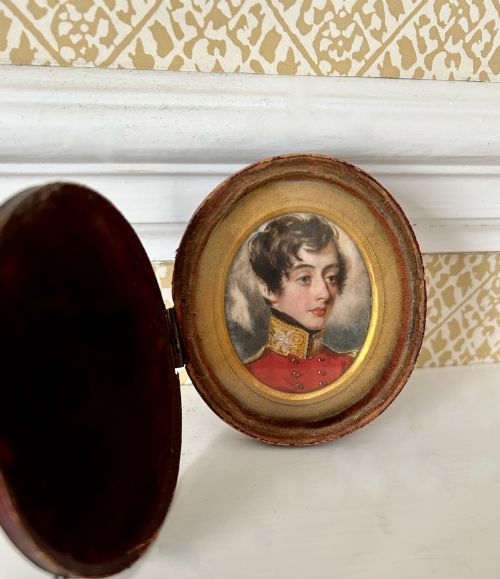
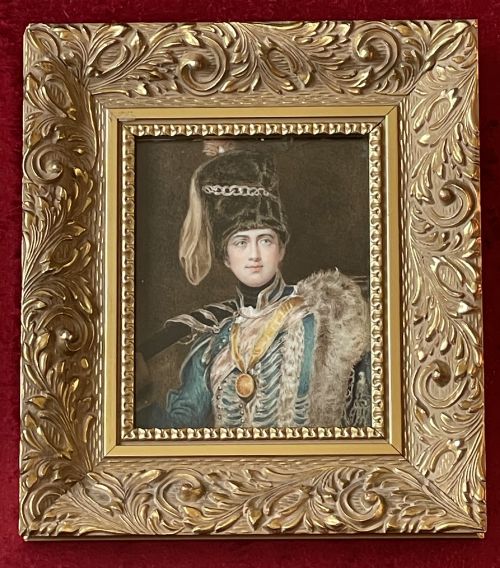
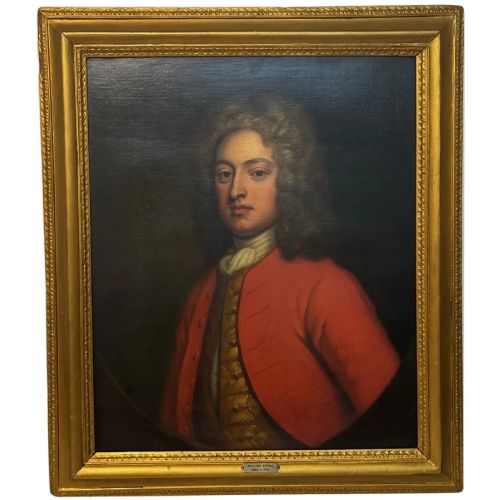
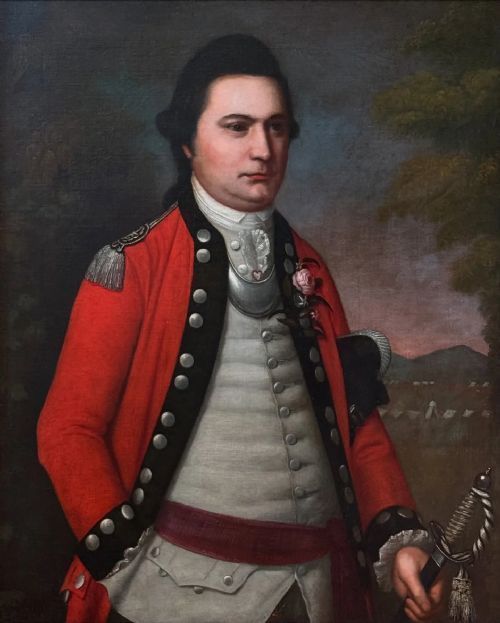
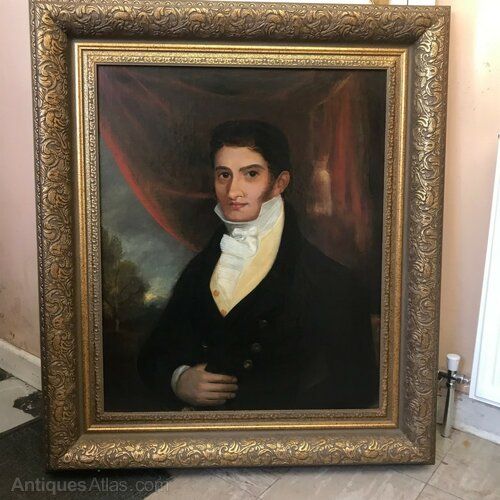
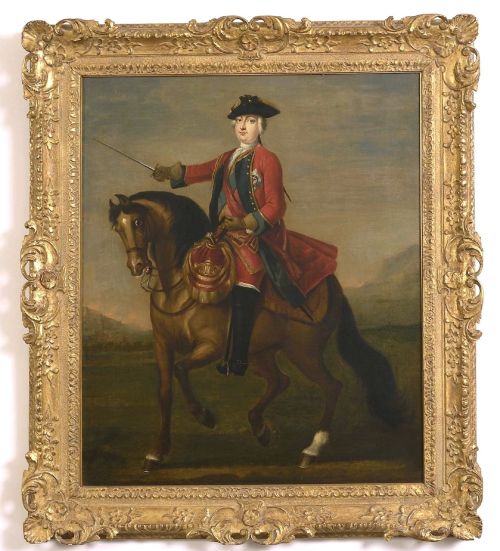
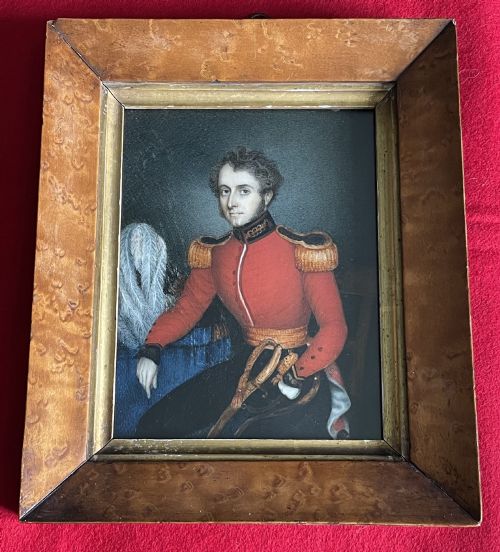
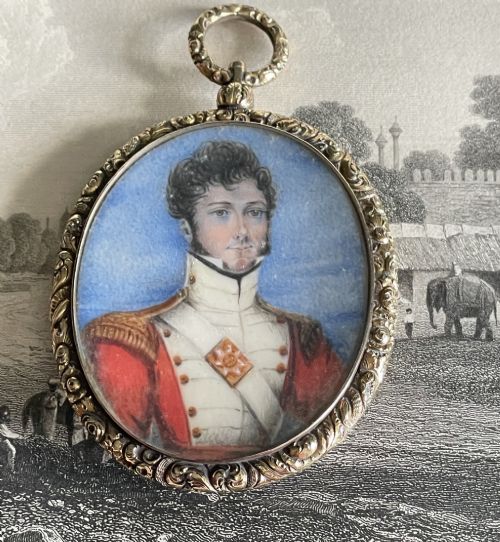
A georgian military portrait painting captures the formidable likeness of officers and commanders through centuries of oil and watercolour.
Georgian Military Portrait Painting
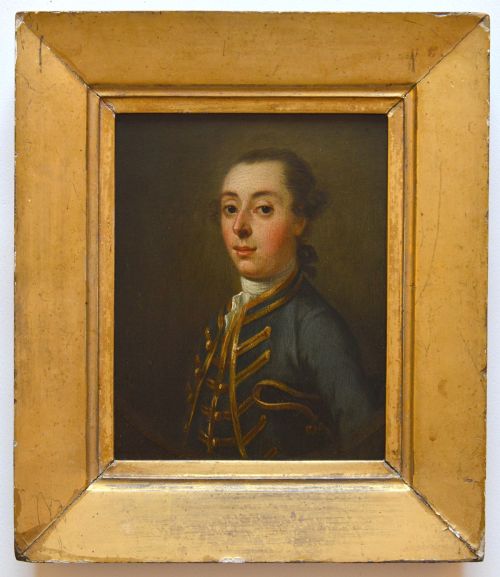
When you search for a georgian military portrait painting, you encounter depictions of army officers, naval commanders, and generals from the eighteenth and nineteenth centuries. These works record the uniforms, medals, and resolute expressions of historical military figures.
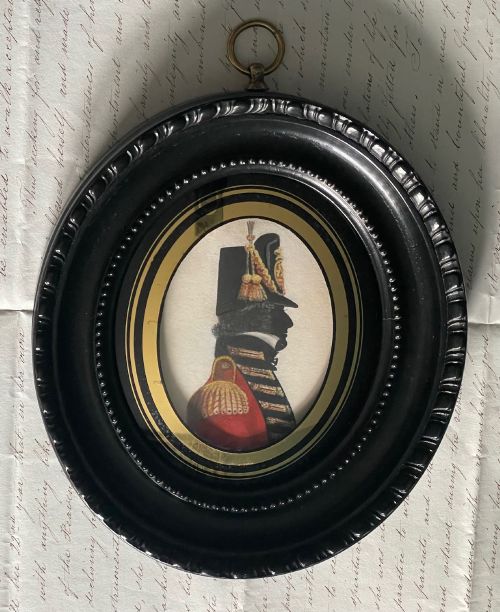
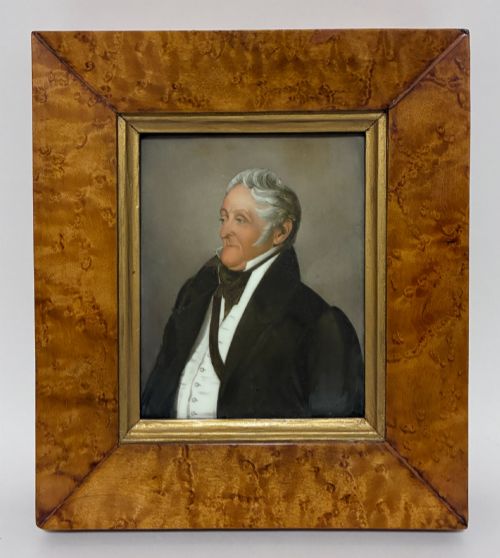
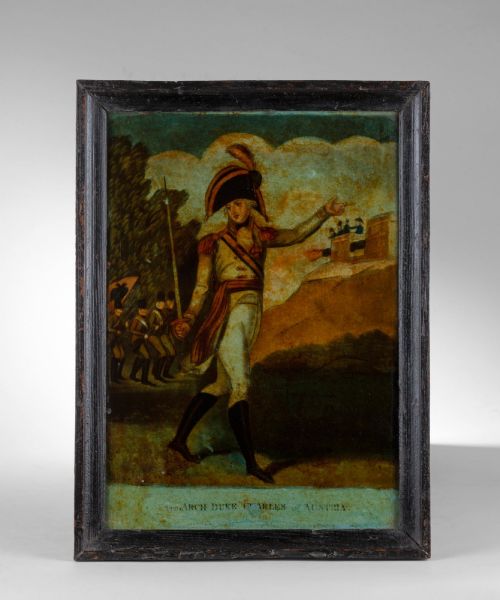
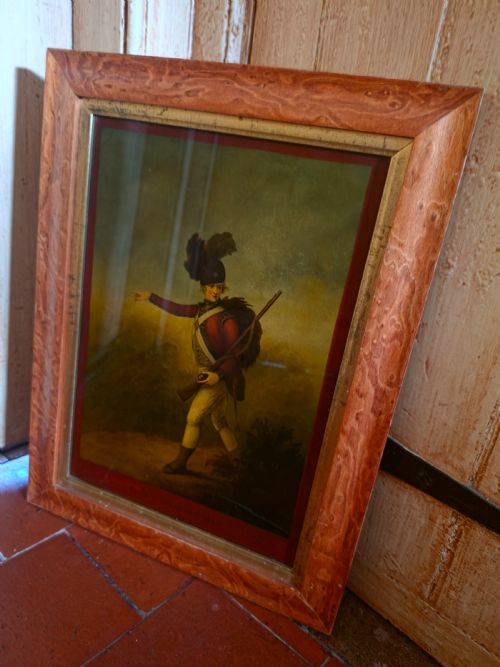
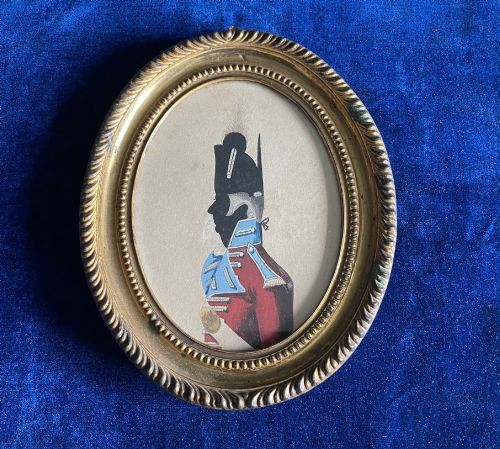
The pieces on this page range from full-scale canvas oils to intimate portrait miniatures framed in gold or set upon agate panels. You will also find works executed in watercolour on paper and reverse glass pictures depicting specific regiments and ranks.
Materials and methods
Artists painted primarily with oil on canvas or applied delicate watercolours to paper and card for miniature likenesses. Some specialised pieces utilise reverse glass techniques, applying pigment directly to the rear of the glass plate to create a durable, luminous image.
Framing forms an integral part of the construction, utilising carved giltwood, stepped oak, or precious metals such as gold, often incorporating pearls or specialised panels. Pigments and supports reflect the traditional studio practices of British, French, and continental European schools.
Georgian Military Portrait Painting Retail Price Guide 2026
Typical asking prices for georgian military portrait painting among the pieces listed under this phrase on Sellingantiques today, from the lower quarter to the upper quarter. They describe what is for sale here now, not the wider market.
Listings feature works spanning the eighteenth and nineteenth centuries, utilising oil on canvas, watercolour, and reverse glass.
Separating the ordinary from the exceptional
Quality rests upon the precision of the brushwork and the accuracy with which uniform details, facial bone structure, and psychological depth are rendered. Master painters capture the exact regimental distinctions and textures of fabric with striking realism.
The distinction also lies in the provenance and documentation associated with the sitter, alongside the integrity of the original framing and the preservation of the delicate surface pigments over the centuries.
Francis Lindo·Stickland Lowry·John Simmons·Nicolas De Largilliere·Edward Pugh·Frederick Tayler·Ramsay Richard Reinagle·Henry Hoppner Meyer·Sir William John Newton·George Duncan Beechey
The Georgian Military Portrait Painting Glossary
- Portrait miniature
- A small, highly detailed painting executed on ivory, vellum, card, or paper, often designed to be worn or carried.
- Reverse glass painting
- An artwork created by applying paint to the back of a glass sheet so that the finished image is viewed through the front.
- Giltwood
- Wood that has been coated with a thin layer of gold leaf or gilder's paste, commonly used for period picture frames.
- Provenance
- The documented history of ownership of an antique, establishing its authenticity and lineage.
- Regiment
- A permanent unit of an army commanded by a colonel, whose specific uniform details help date and identify military portraits.
Georgian Military Portrait Painting: Frequently Asked Questions
How do I identify the regiment in a portrait?
Study the uniform colours, facings on the lapels, lace patterns, and cap badges shown in the artwork. Contemporary records and military archives often match these specific details to particular historical regiments.
Many listings name the precise regiment or campaign, which gives a direct starting point for further historical research into the sitter.
What is the difference between an oil and a miniature?
Oils are typically painted on stretched canvas or wood panels in a larger format meant to hang prominently on a wall. Miniatures are executed on a much smaller scale using delicate media like watercolour on paper or ivory.
Miniatures were often commissioned as personal tokens or mementos to be kept close, whereas large oils projected public status and military rank.
How should I care for a canvas portrait?
Keep paintings away from direct sunlight, high humidity, and rapid temperature fluctuations to prevent the canvas from sagging and the paint from cracking. Dust the surface very gently with a soft, dry brush without applying pressure.
Avoid using water or chemical cleaners on the paint surface or the original gilt frame, and consult a professional conservator for any deep cleaning.
Are reverse glass paintings fragile?
Reverse glass pictures require careful handling because the paint layer sits unprotected on the rear surface of the glass pane. Any impact can cause the pigment to flake or detach from the glass substrate.
Secure hanging and stable environmental conditions protect these uncommon pieces from structural damage over time.