


Georgian Mezzotint Print
A georgian mezzotint print brings rich tonal depth and historic portraiture to a wall, offering the dark velvety grounds collectors prize.
Understanding the georgian mezzotint print
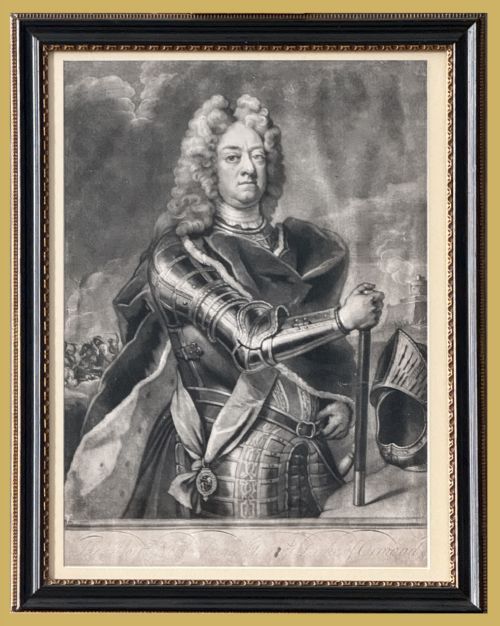
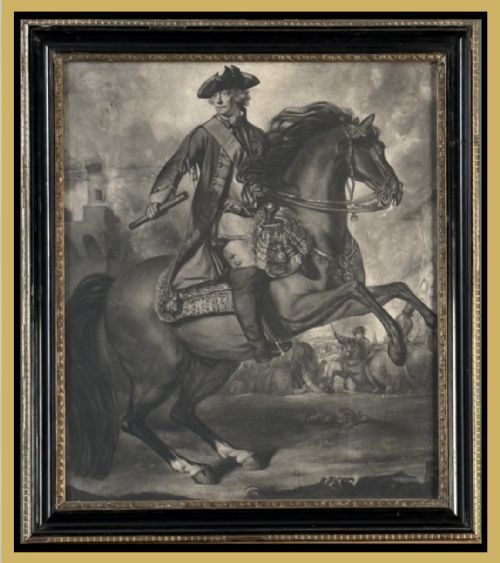
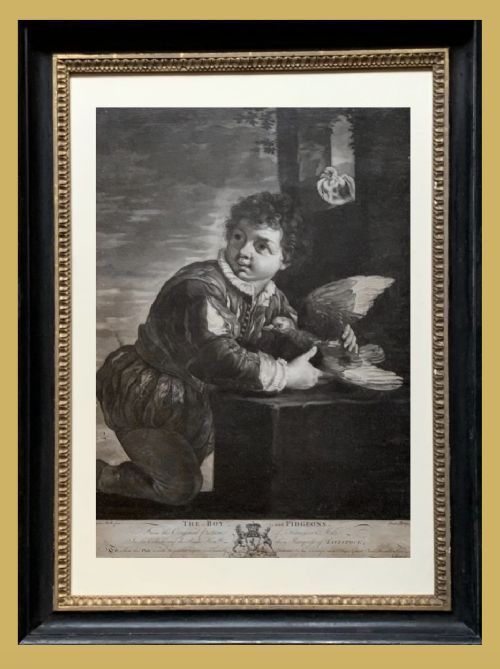
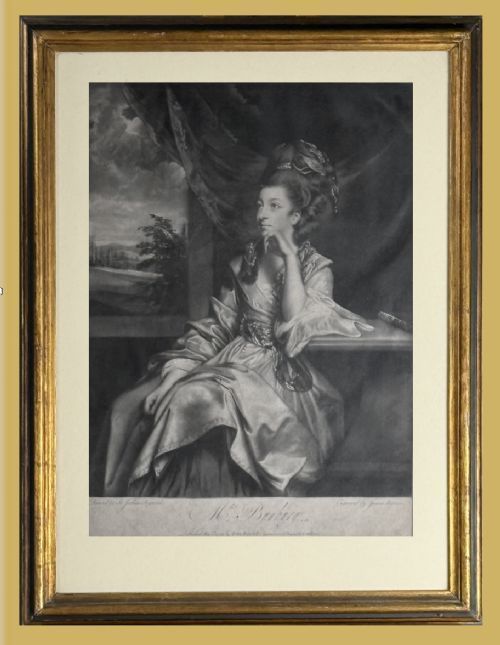
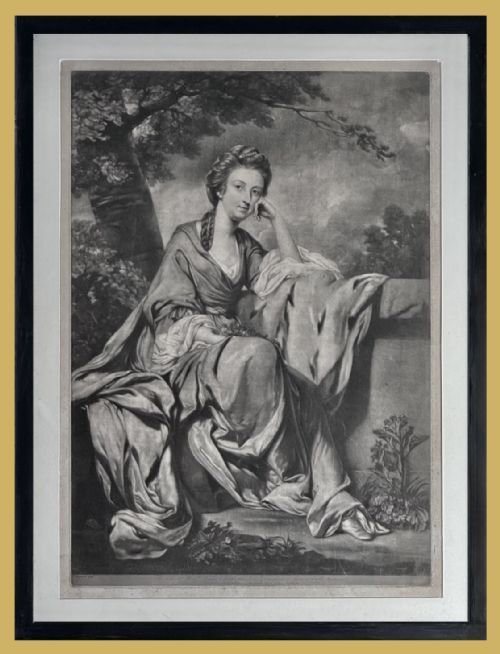
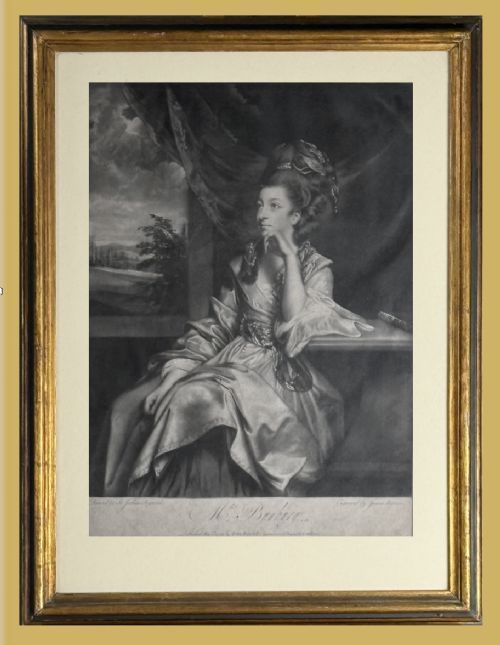
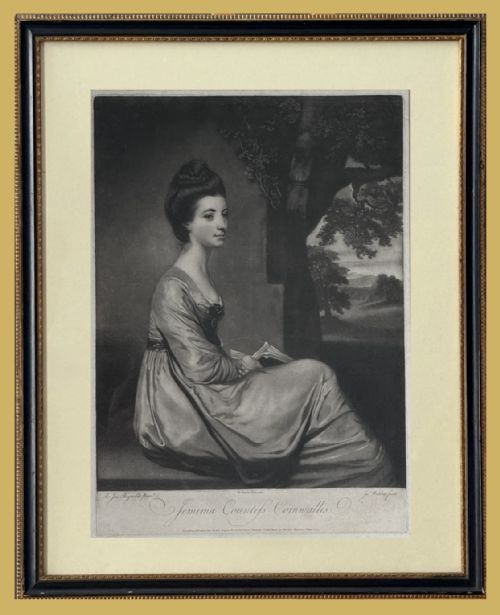
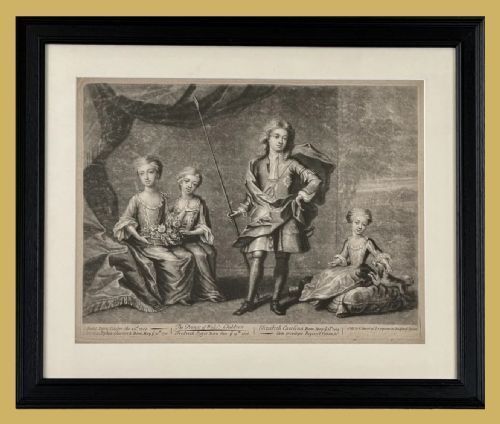
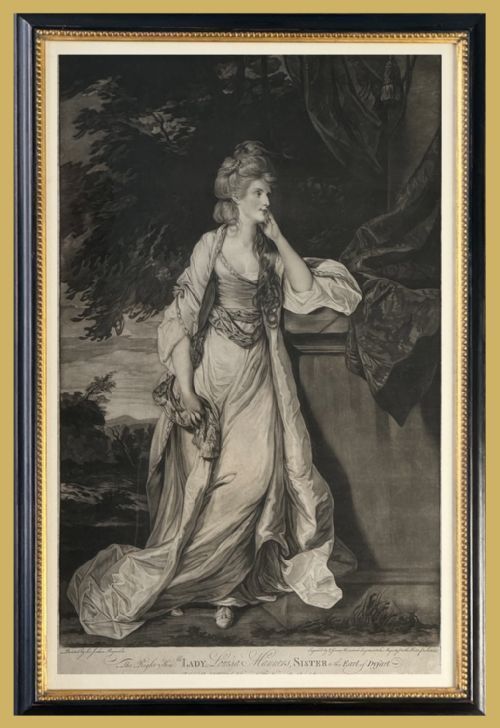
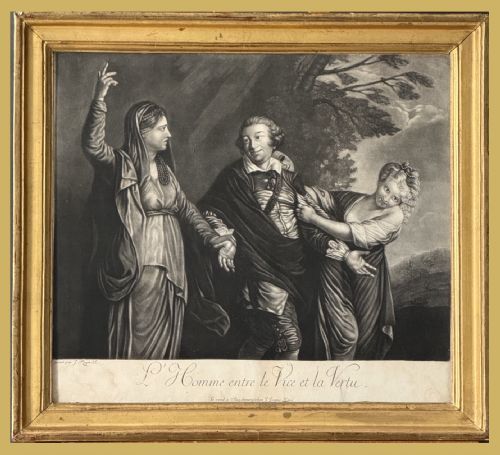
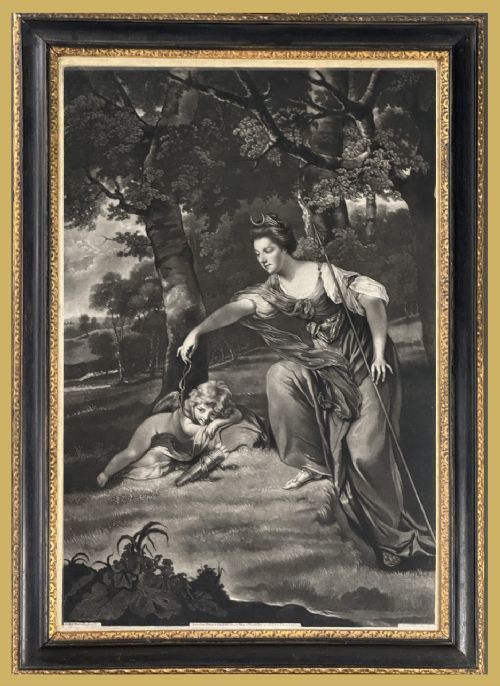
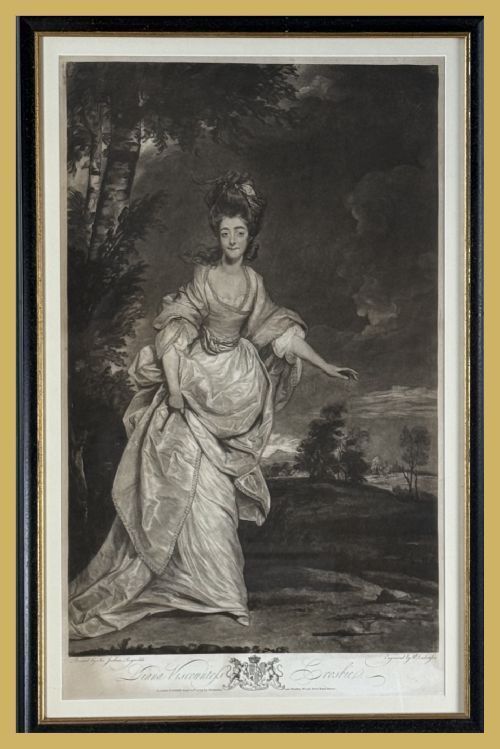
When searching for a georgian mezzotint print, buyers encounter works depicting noble figures and children after prominent painters such as Sir Joshua Reynolds, Sir Godfrey Kneller, and John Hoppner. These printed works capture elite sitters, including figures like the Countess of Cornwallis and the Duchess of Manchester, rendered in atmospheric monochrome.
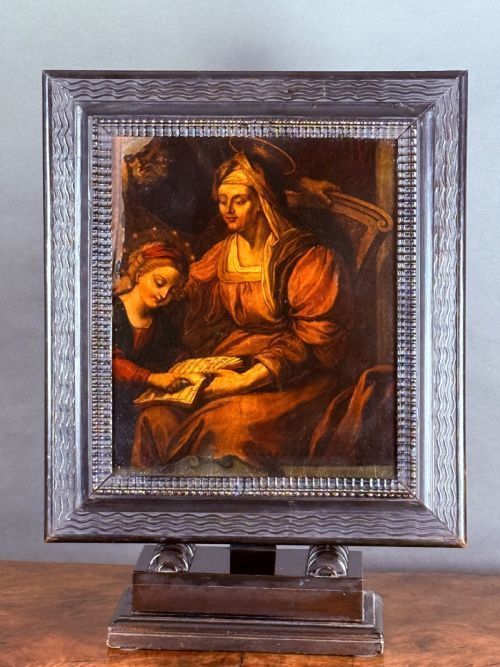
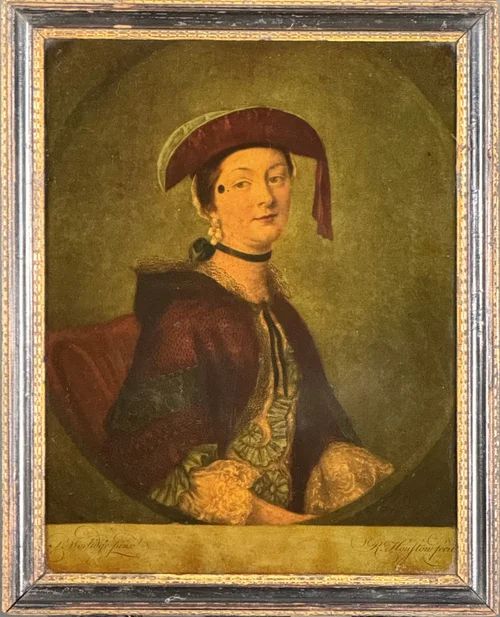
The material evidence shows pieces spanning the eighteenth and nineteenth centuries, alongside Georgian period examples. Forms include framed wall art and prints executed on paper, as well as an eighteenth century reverse glass mezzotint variation.
Collectors frequently meet portraits created by noted printmakers such as James Watson, John Faber Junior, and James Ward. These makers translated large oil paintings into smaller graphic works using specialised scraping techniques.
Materials and construction
The foundational medium relies on ink applied to prepared plates, capturing subtle gradations of shadow and light on paper substrates. Selected pieces utilise glass panels in reverse glass executions, protecting the delicate surface underneath.
Framing components combine wood with gold leaf and gilt finishes, housing the prints behind protective glass. Oil pigment occasionally appears alongside ink in specialised variations.
Retail Price Guide 2026
Typical UK retail prices for georgian mezzotint print, calculated from the Sellingantiques database of over a million retail prices indexed since 2003. This retail price guide relies exclusively on Sellingantiques data; no external sources or auction records are used, so the figures do not describe the wider market.
Early printmakers routinely kept velvet rags nearby to check the softness of their ink.
Measures of quality
The partnership between the original painter and the skill of the printmaker dictates the artistic merit of the sheet. Earlier impressions pulled directly from the copper plate before wear occurred display superior crispness in the sitter's lace and drapery.
James Watson·John Faber Jr·James Ward
The Georgian Mezzotint Print Glossary
- Mezzotint
- A printmaking process where the copper plate is roughened evenly and scraped down to create areas of light, producing rich tones. This method allows for subtle gradations of shade without relying on traditional line etching.
- Rocker
- A curved, fine-toothed tool used by the printmaker to pit the copper plate uniformly during the initial preparation stage. The tiny burrs raised by this tool hold the ink to create dark areas.
- Scraper
- A steel tool employed to smooth portions of the roughened copper plate, reducing ink retention to create lighter tones and highlights. Master printmakers varied the pressure to achieve lifelike skin textures.
- Reverse glass print
- An image applied directly to the underside of a glass sheet, often viewed through the glass for a distinctive glossy finish. This uncommon format requires meticulous hand application.
- Proof
- An early impression pulled from the plate to allow the printmaker to assess progress before final publication. These early pulls are valued for their exceptional clarity and depth.
Frequently Asked Questions
What is a mezzotint print?
A mezzotint is an intaglio printmaking technique where the artist works from dark to light by roughening a copper plate. This method achieves rich, velvety tones and smooth gradients.
Unlike traditional line engravings, these prints rely on areas of tiny burrs that hold ink to create atmospheric shadows and lifelike portraits.
How should I hang these prints?
Protect these works from direct sunlight to prevent fading of the ink and paper over time. Maintaining stable indoor humidity prevents warping in the wooden and gilt frames.
Use appropriate wall anchors suitable for the weight of the framed glass pieces. Position them at eye level in rooms with controlled lighting.
Who are the subjects depicted?
The subjects are typically notable figures, aristocrats, and nobility from the eighteenth and nineteenth centuries. Portraits often record duchesses, countesses, and family groups painted by leading artists of the period.
Many plates translate grand oil paintings into affordable domestic art for collectors. They serve as a visual record of Georgian society.
What is a reverse glass mezzotint?
A reverse glass mezzotint involves transferring or applying the print directly to the reverse side of a glass panel. This technique protects the fragile image layer from atmospheric dust and damage.
Such pieces possess a distinct glossy surface sheen that differentiates them from standard paper prints. They represent an uncommon variation within Georgian wall art.