


Georgian Metalware Kitchenware
Georgian metalware kitchenware comprises utilitarian vessels and implements forged in copper and brass during the eighteenth and early nineteenth centuries, prized for both practical hearth use and display.
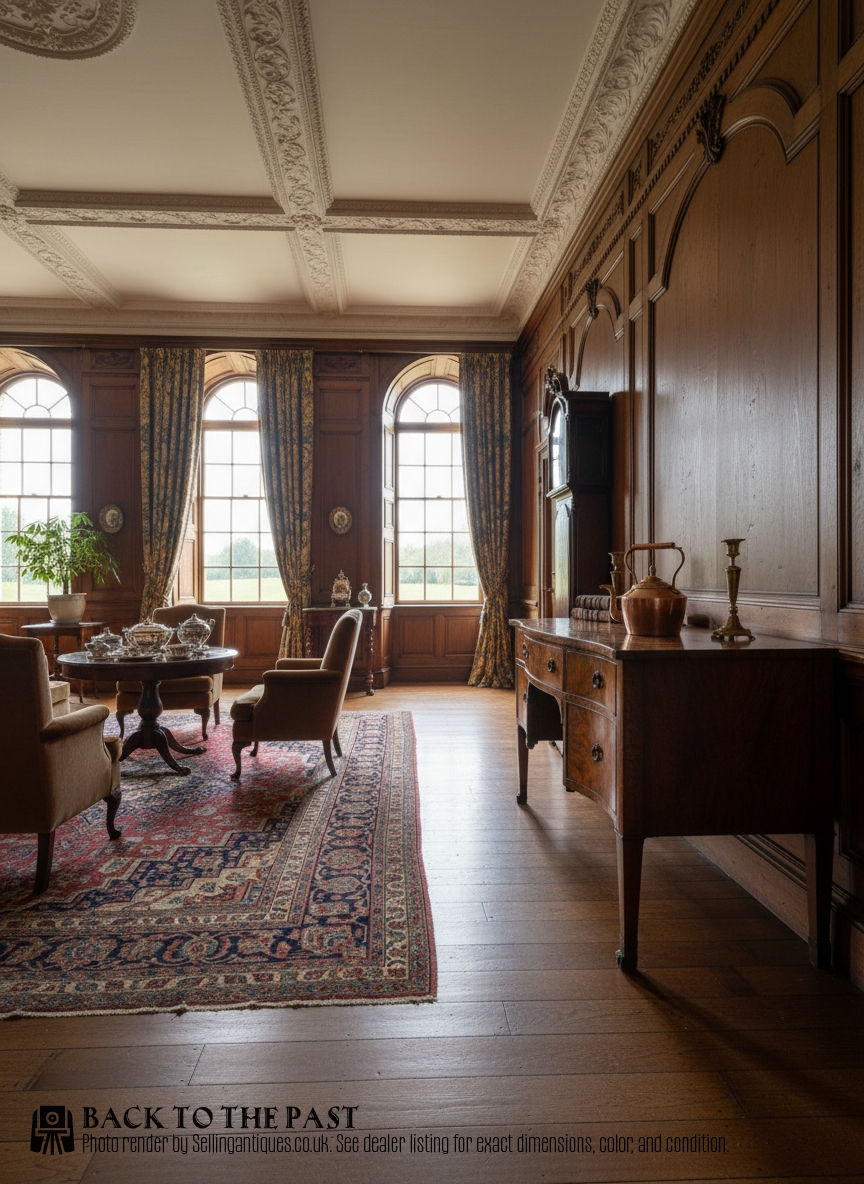
Georgian Metalware Kitchenware
Georgian metalware kitchenware encompasses robust vessels and tools forged in brass and copper during the eighteenth and nineteenth centuries, including the Georgian and George III periods. Buyers searching this phrase encounter hardworking kitchen items that served domestic hearths, from brewing vessels to food preparation tools.
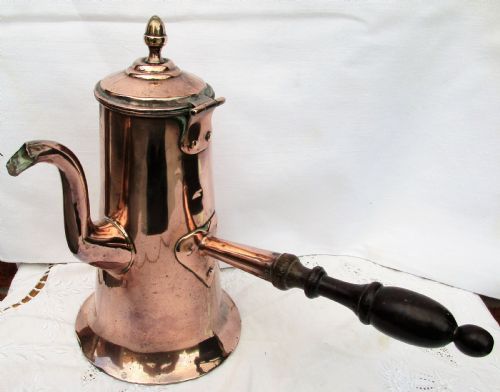
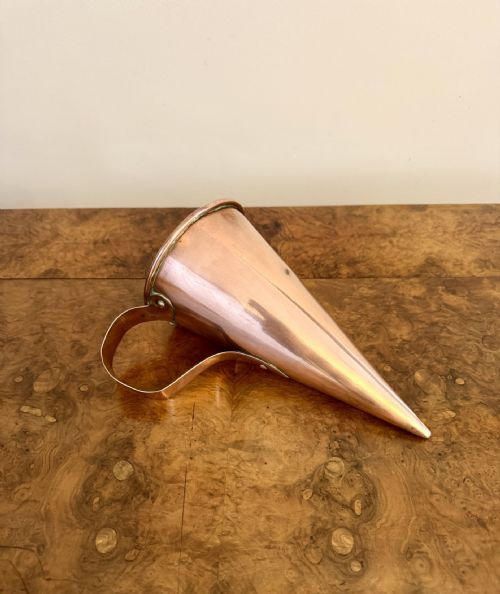
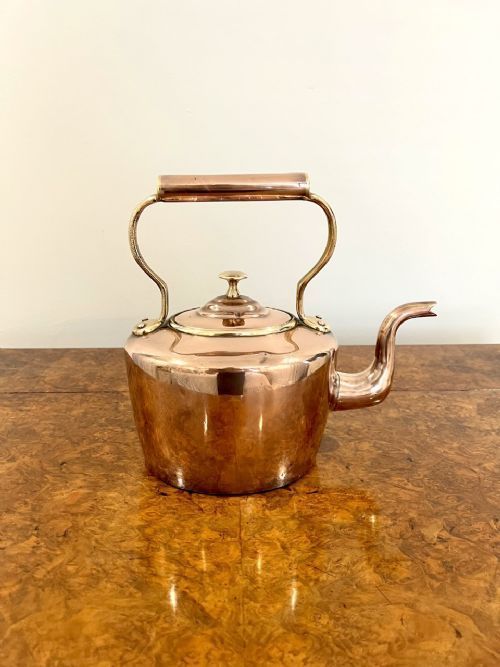
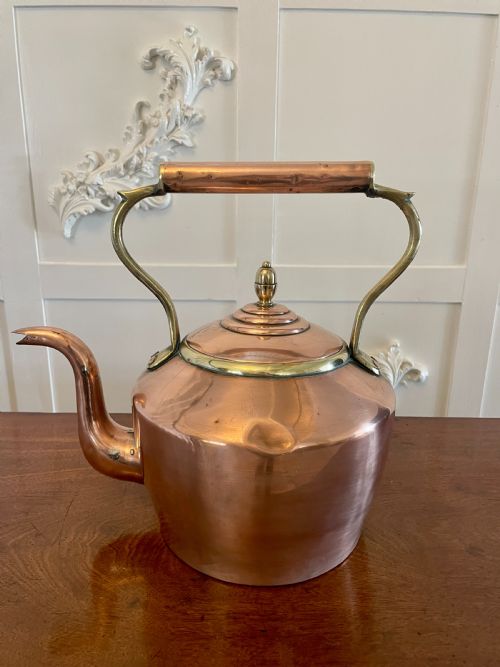
The most common forms found in these listings are kettles, coffee pots, and measuring jugs, alongside specialised items like spice shakers, chocolate pots, mortars and pestles, and ale mullers. These utilitarian objects bridge the gap between back-of-house food preparation and domestic hospitality.
How they were made
Makers shaped these items primarily from heavy-gauge copper and brass, utilising hand-beating, rolling, and soldering techniques to construct durable vessels. Surfaces often show the subtle undulations and hammer marks characteristic of manual fabrication before industrial stamping took over.
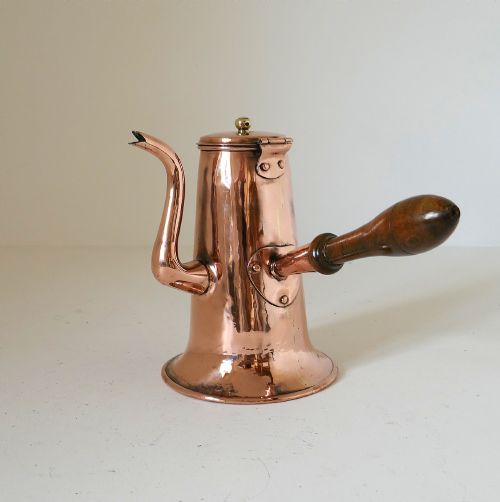
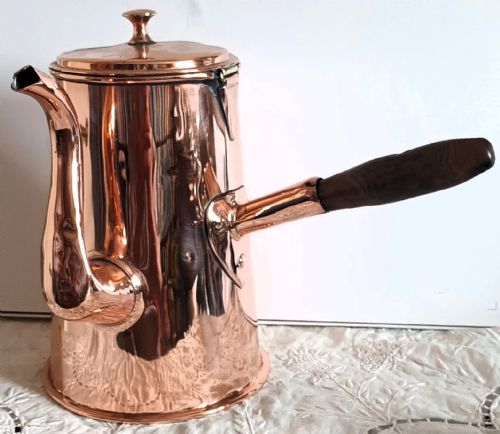
Wooden elements appear alongside the metal, particularly on side handles for coffee pots where thermal insulation is required. Lead and other secondary metals contribute to the construction and sealing of seams, reinforcing the heavy-duty nature of these kitchen implements.
The documented periods span the eighteenth century, the nineteenth century, the George III reign, and the broader Georgian era.
What varies in quality
Quality rests upon the weight of the metal and the integrity of the original construction, distinguishing heavy utilitarian service pieces from lighter examples. Substantial gauge copper and solid brass castings maintain their structural form through centuries of use.
Proportion and form separate standard kitchen items from finer examples, such as oval-shaped kettles, graduated sets of measuring jugs, or side-handled coffee pots. The clarity of form and balance in handling define the upper tier of surviving pieces.
The Georgian Metalware Kitchenware Glossary
- Ale muller
- A specialised metal vessel with a long handle used for heating ale in the embers of a fire. It allowed the contents to be warmed quickly without scorching.
- Chocolate pot
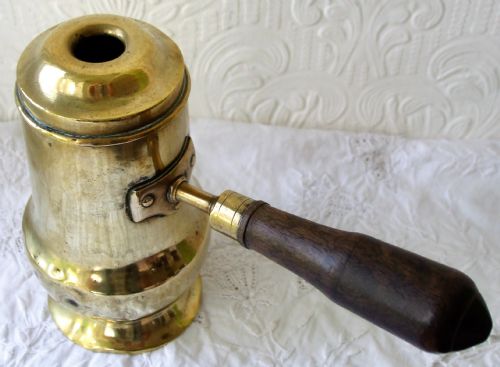
- A tall pot featuring a lid with a small aperture for a stirring stick, used to froth hot chocolate. These vessels often incorporate side handles and spouts tailored for pouring rich liquids.
- Mortar and pestle
- A heavy bowl and club used for crushing and grinding spices, herbs, and other ingredients. The heavy brass or stone construction provided the necessary mass for kitchen prep.
- Spice dredger
- A small perforated container used for sprinkling powdered spices over food. Also known as a spice shaker, it represents a finer grade of domestic metalware.
- Graduated set
- A group of vessels, such as measuring jugs, manufactured in diminishing sizes to nest together. This grouping indicates a planned pantry inventory rather than a single stray item.
Georgian Metalware Kitchenware: Frequently Asked Questions
What is Georgian metalware kitchenware?
Georgian metalware kitchenware consists of functional copper and brass vessels made during the eighteenth and early nineteenth centuries. These items include kettles, coffee pots, mortars, and measuring jugs.
They were designed for heavy daily use in domestic kitchens rather than purely decorative display. Their survival demonstrates the durability of the materials and the skill of period metalworkers.
How were copper kettles used?
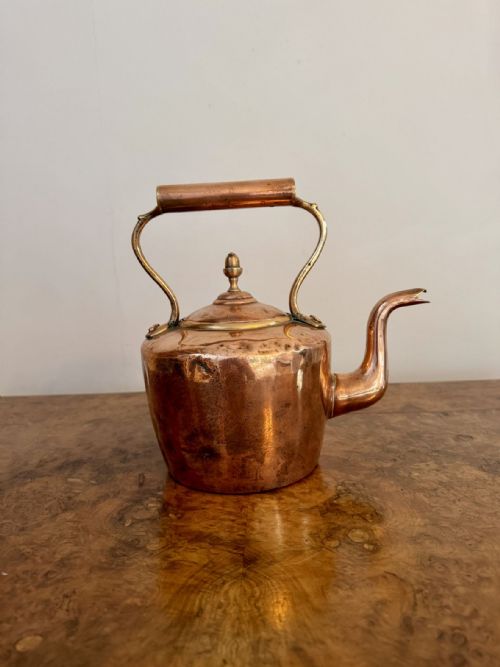
Copper kettles sat directly upon hearth fires or stoves to heat water for tea, washing, and general cooking tasks. Their thermal conductivity allowed water to reach boiling point efficiently.
Over time, regular exposure to flame created distinct patinas and surface wear. Users lifted them using sturdy metal swing handles designed to withstand intense heat.
How do I identify a George III piece?
George III metalware often exhibits specific stylistic markers and construction methods associated with the late eighteenth and early nineteenth centuries, falling roughly between seventeen sixty and eighteen twenty. The form, weight, and joining techniques provide clues to this era.
Comparing the silhouette and handle attachment styles with dated examples helps confirm the period. Material thickness and hand-beated surfaces also point toward eighteenth-century workshop practices.
Can I still use these items in a modern kitchen?
While these pieces were built for active kitchen service, most buyers today choose to collect and display them rather than subject them to modern cooking routines. Cleaning methods must be gentle to preserve the historic surface and patina.
If utilised, they require careful hand washing and maintenance to avoid damaging antique soldered seams and aged metal.