
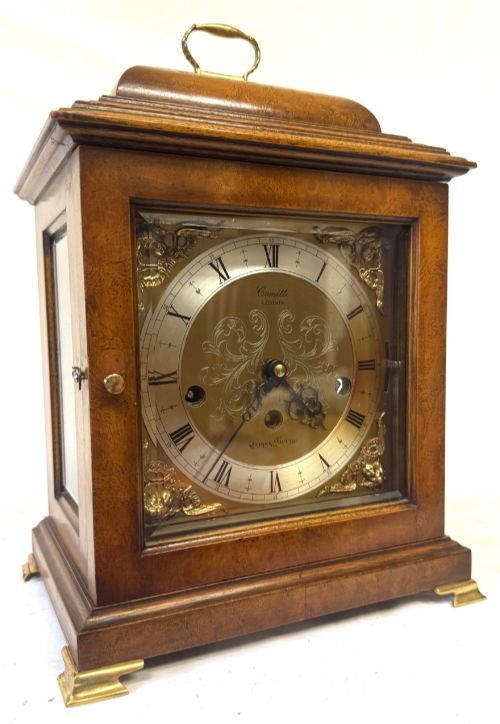


Georgian Mechanical Table
A georgian mechanical table brings together clever engineering and fine cabinet-making, offering hidden compartments, adjustable surfaces and transforming forms that reward daily use.
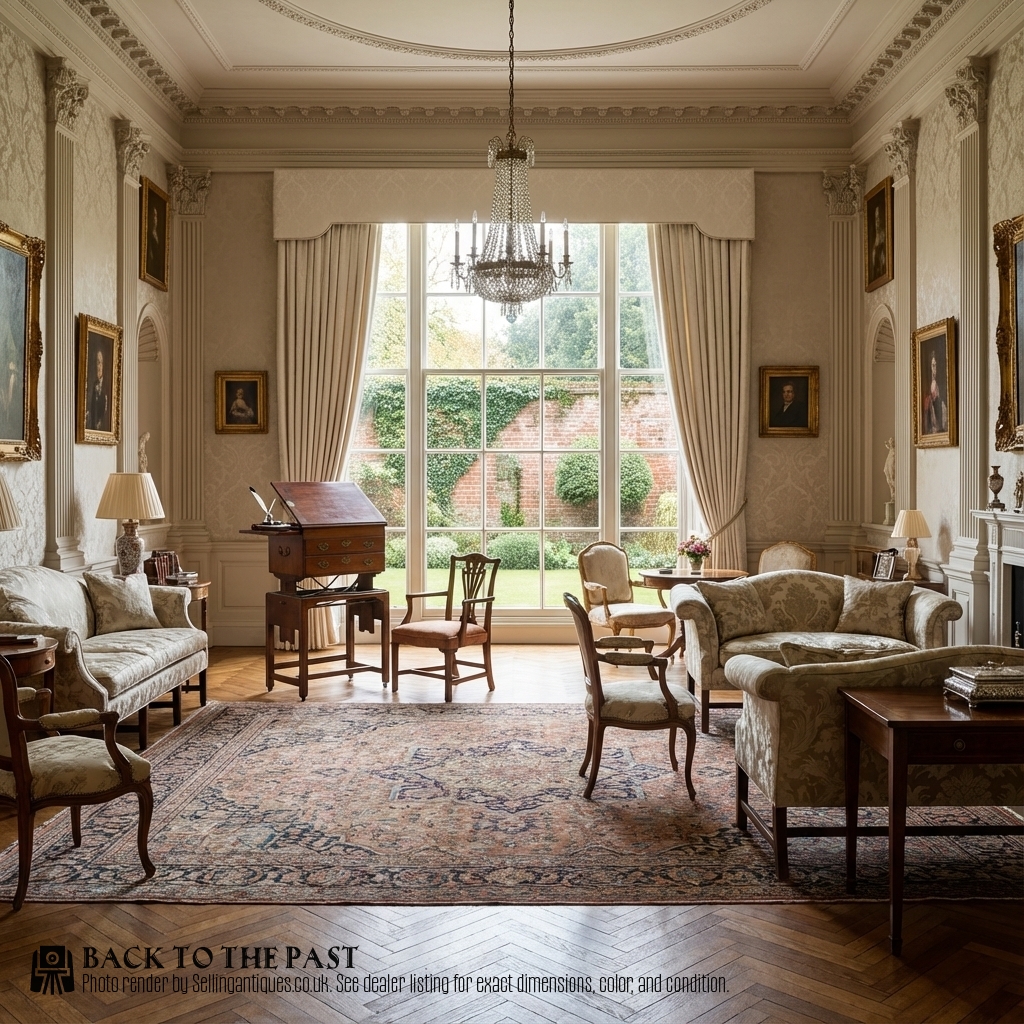
Georgian Mechanical Table
When you search for a georgian mechanical table, you encounter pieces designed for specialised tasks like drawing, writing or reading, often featuring clever internal mechanisms.
The selections on this page span the georgian, regency and nineteenth-century periods, with forms ranging from architects' riser desks to screen writing tables and metamorphic library pieces.
Mahogany predominates as the primary timber, frequently enhanced with satinwood, ebony and brass details, reflecting the refined domestic interior of the eighteenth and nineteenth centuries.
Materials and Construction
Craftsmen built these tables using dense figured mahogany as the structural base, often applying contrasting veneers of satinwood or ebony to frame the moving parts.
Internal mechanisms rely on brass fittings, secret ratchets and sliding tracks that allow surfaces to rise, tilt or transform without straining the surrounding timber joints.
Several pieces conceal their rising compartments so effectively that unsuspecting guests might mistake a writing desk for a simple side table.
Design and Execution
The distinction between ordinary and exceptional pieces lies in the precision of the hidden mechanisms and how smoothly the rising compartments operate within the mahogany frame.
Superior examples display crisp secondary timbers, meticulous inlay work and balanced proportions that maintain structural integrity even when fully extended.
L. Vick of Stroud·Des Granges of London·Louis Recordon·Perigal & Duterrau·Plumbly & Tupman·James Evans·McCabe
The Georgian Mechanical Table Glossary
- Metamorphic
- Describing furniture designed to transform from one form into another, such as a table converting into a desk or reading stand. This ingenuity defines much of the functional furniture from the period.
- Fusee
- A conical pulley used in clockwork and mechanical movements to maintain even tension on the drive chain as the mainspring unwinds. It ensures consistent timekeeping.
- Bracket clock
- A portable clock traditionally placed on a bracket or shelf, housed in an architectural case with a brass dial. These often feature chiming or musical movements.
- Satinwood
- A luminous timber with a golden sheen utilised for contrasting stringing and decorative panels on mahogany furniture. It gained widespread popularity during the late eighteenth century.
- Ormolu
- Gilded bronze applied to clock cases and furniture mounts for decorative accent. The technique creates a rich metallic contrast against dark woods.
Georgian Mechanical Table: Frequently Asked Questions
What is a georgian mechanical table?
A georgian mechanical table is a piece of furniture incorporating hidden levers, ratchets or sliding sections that allow the top to rise, tilt or transform for reading, writing or drawing.
These pieces reflect the period's fascination with clever engineering, combining practical utility with high cabinet-making standards.
How do you operate the metamorphic parts?
Operating the moving parts requires gentle handling of the brass catches, internal levers or sliding surfaces concealed within the mahogany frame.
Forcing a stuck mechanism can damage the internal tracks, so each component should glide freely along its original channels.
Which woods were used for these tables?
Makers relied heavily on figured mahogany for the primary structure, cabinet work and exterior surfaces of these utilitarian yet elegant pieces.
Satinwood, ebony and brass inlay frequently appear as secondary woods and decorative accents to highlight the moving components.
How do I date a mechanical table?
Dating relies on examining the secondary timbers, the style of the brass hardware, the complexity of the internal mechanism and the overall cabinet construction.
Pieces originating in the georgian and regency eras display distinct joinery methods and proportions that separate them from later nineteenth-century revivals.