
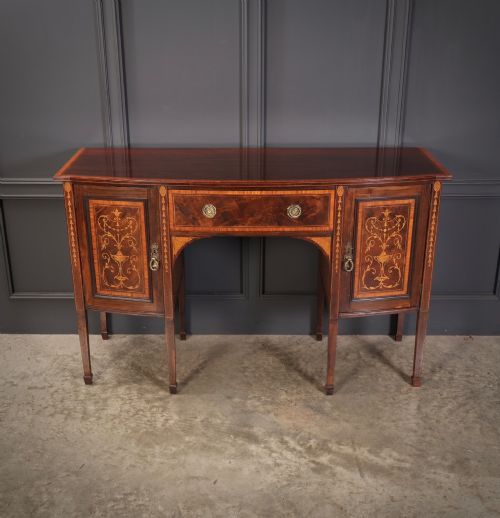
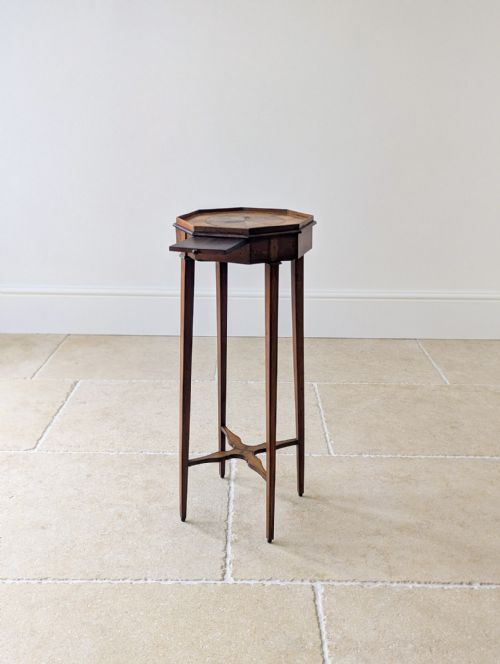
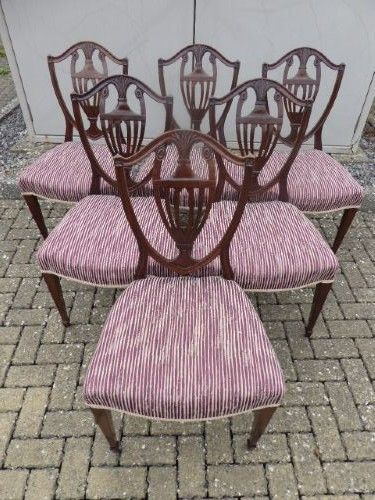
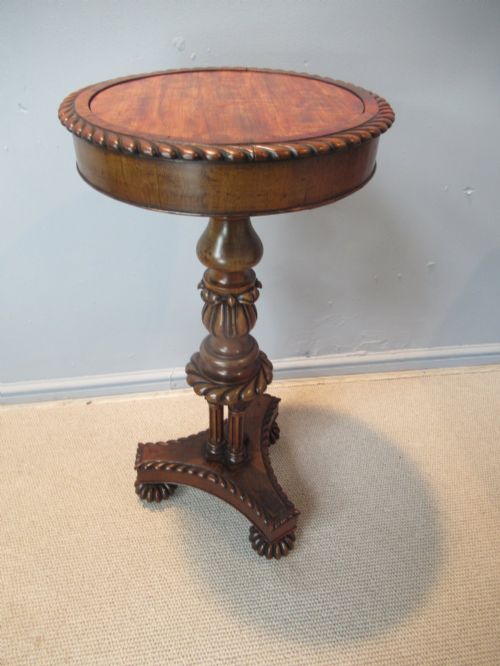
Georgian Mahogany Urn
These georgian mahogany urn pieces encompass refined cutlery containers and tall stands intended to elevate dining and reception spaces.
Georgian Mahogany Urn
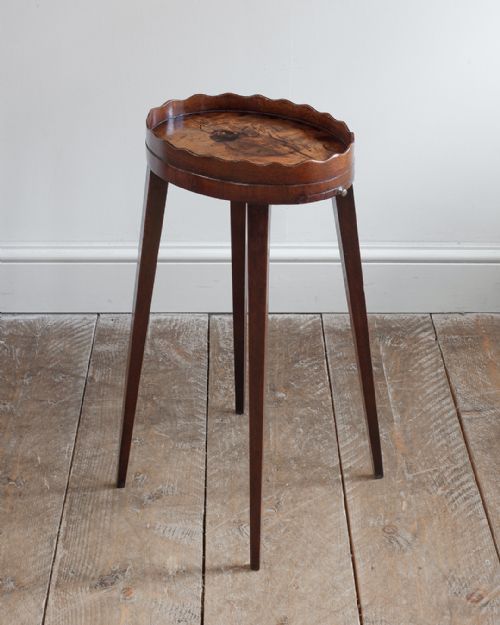
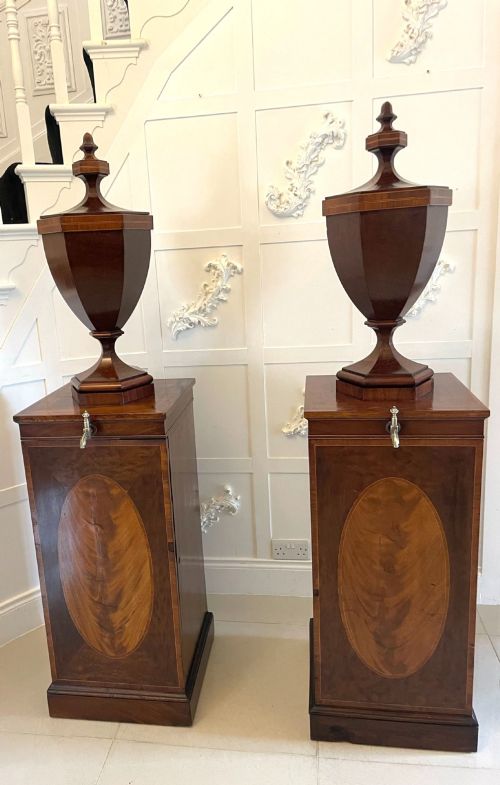
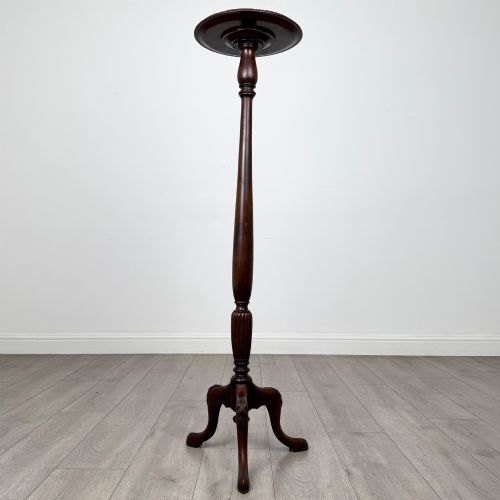
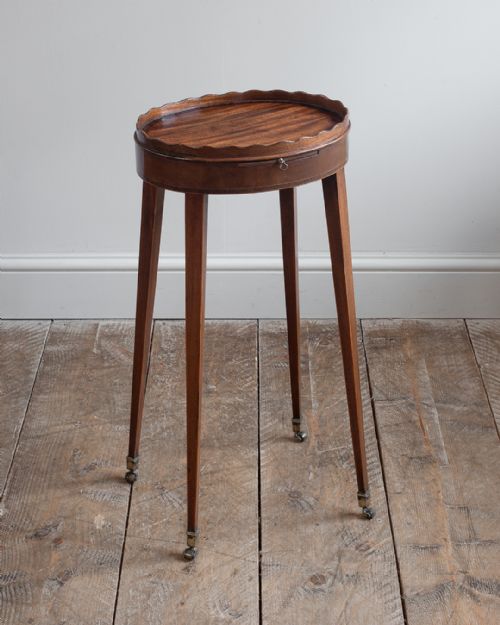
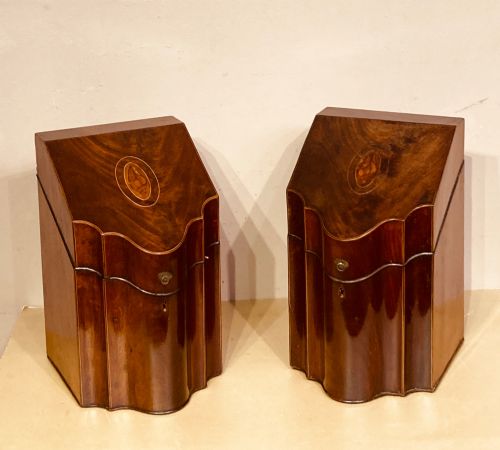
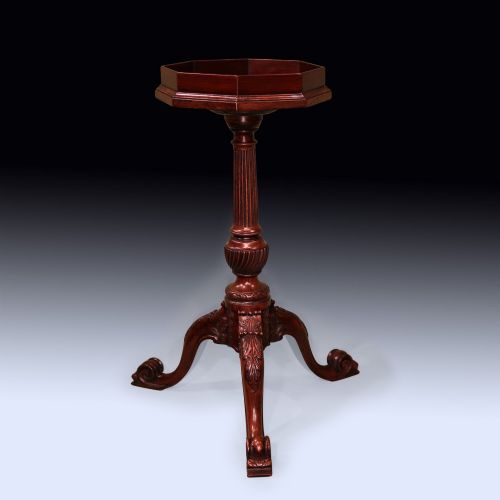
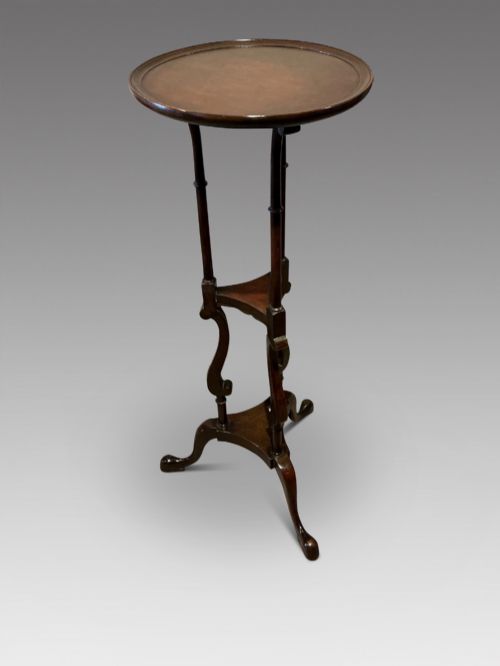
A georgian mahogany urn search reveals two distinct forms: vertical vessels designed for table service and slender occasional tables created to support them. The vessel variant includes knife boxes and cutlery urns shaped with tapering bodies, whilst the stands provide raised platforms in oval, octagonal, or square configurations.
Examples originate predominantly from the eighteenth century and the George III period, alongside later revivals from the nineteenth and twentieth centuries. These objects served formal dining rooms, holding silver cutlery or acting as decorative focal points beside serving tables.
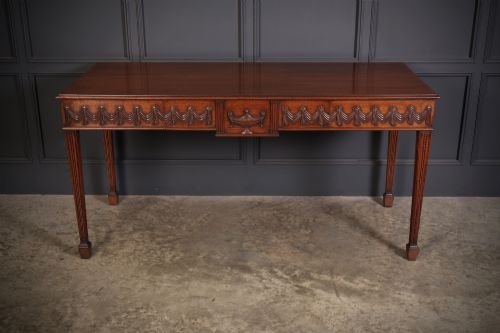
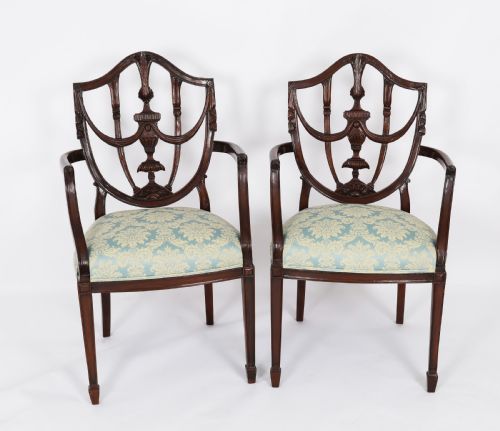
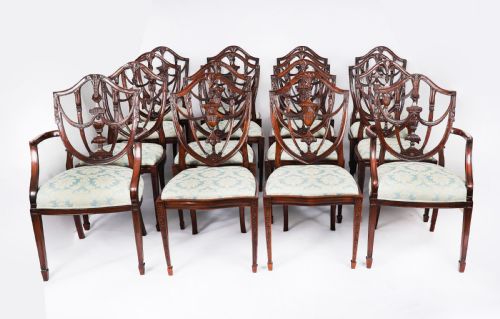
The inventory shows these pieces often appear as matched pairs or single decorative items. Alongside traditional urn stands, related dining room furniture such as knife boxes and kettle stands frequently share the search category.
How They Were Made
Cabinet makers utilised solid mahogany timbers, often selected for strong grain patterns or enhanced with contrasting veneers. Satinwood and boxwood inlay provide geometric or linear detailing across the surfaces of these urns and stands.
Brass fittings, including hinges, carrying handles, and mounts, appear frequently on the functional storage boxes and urns. Secondary woods and traditional joinery methods support the structural integrity of the pedestals and tapered legs.
Some knife boxes contain internal space for forty-six separate cutlery items, proving that eighteenth-century dinner parties required serious organisation.
What Varies in Quality
Superior execution shows in the precision of the timber matching and the subtlety of the boxwood or satinwood inlay work. Hand-carved elements, such as pedestal stems and bracket feet, demonstrate greater artisan skill than standard turned components.
Original brass hardware and intact internal fittings elevate the standing of a piece. The depth of the timber finish and the crispness of the edge moulding distinguish workshop output.
The Georgian Mahogany Urn Glossary
- Urn Stand
- A small, tall table specifically designed to hold a heated water urn or a cutlery urn during dining. These tables often feature raised galleries or dished tops to secure the vessel.
- Cutlery Urn
- A vase-shaped wooden container used in eighteenth-century dining rooms to store flatware and knives. The internal tiers held individual pieces of silver service.
- Inlay
- A decorative technique where pieces of contrasting wood, such as satinwood or boxwood, are inserted into recessed cavities in the mahogany surface to form patterns.
- Pedestal
- A supporting vertical column or pillar that elevates an urn stand, table, or cupboard. They frequently feature turned details or shaped tripod bases.
- George III
- The stylistic period spanning the reign of King George III from 1760 to 1820, noted for refined proportions and classical revival influences in cabinet making.
Georgian Mahogany Urn: Frequently Asked Questions
What were georgian mahogany urns used for?
These vessels functioned primarily as elegant storage containers for table cutlery during large formal meals in eighteenth-century dining rooms.
Servants kept silver knives and flatware inside the lined interiors until needed at the dining table.
Where should I place an urn stand at home?
An urn stand fits well as an occasional table in a drawing room or hallway, acting as a small surface for a lamp or decorative object.
Their compact footprints allow them to sit easily in corners or beside seating without dominating the room.
How do I distinguish eighteenth-century pieces from later revivals?
Early pieces display authentic timber oxidation, hand-cut joinery marks, and period-appropriate secondary woods inside the construction.
Revival pieces from later periods often show machine-finished components or standardised hardware fixings.
What is the difference between an urn and a knife box?
An urn possesses a rounded, vase-like silhouette with a tapering lid, whilst a knife box typically presents a sloping desk-like lid over a serpentine or straight front.
Both served the same functional purpose on dining sideboards but offered different aesthetic profiles.