

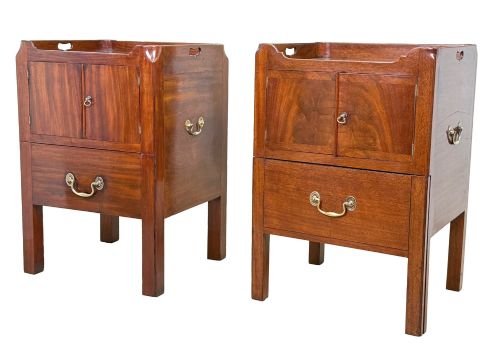
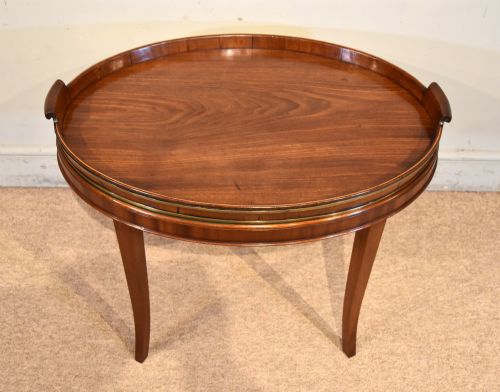
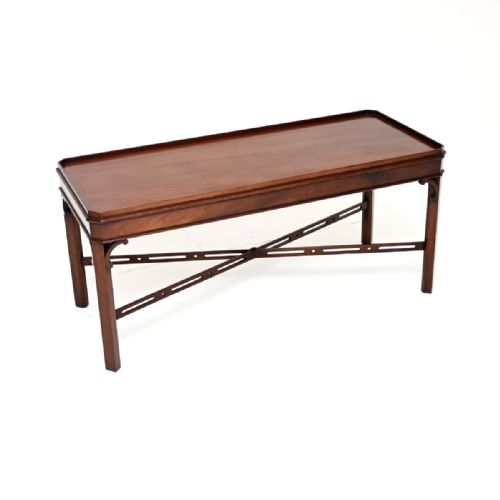
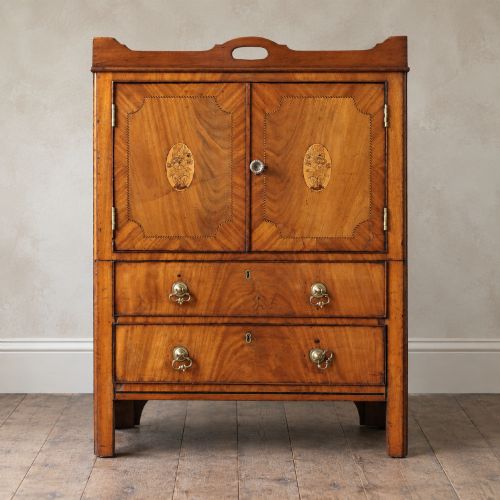
Georgian Mahogany Tray Table
A georgian mahogany tray table brings sturdy timber and practical raised rims together for daily use in any room.
Georgian Mahogany Tray Table
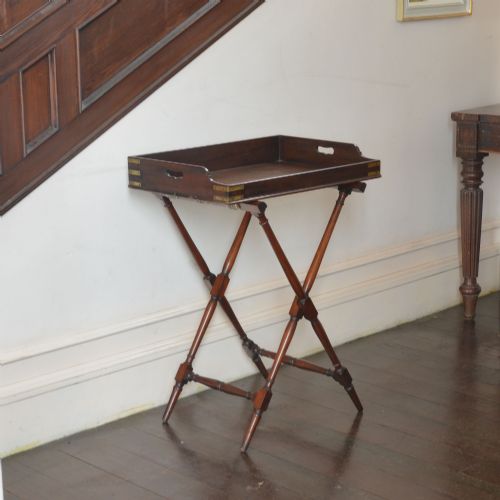
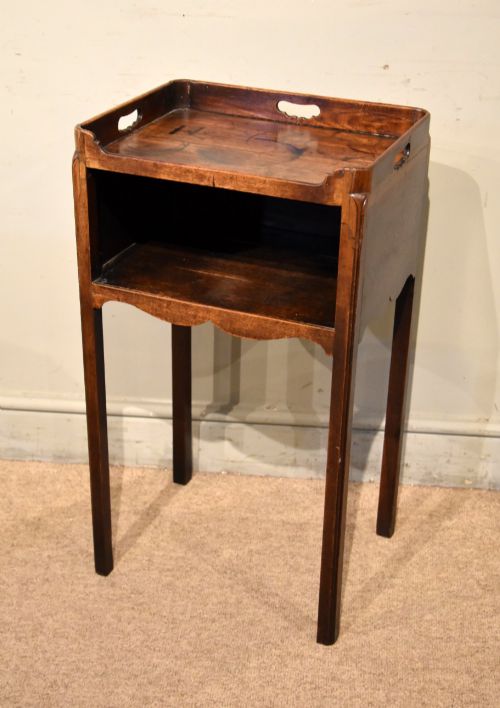
A georgian mahogany tray table combines a deep-rimmed timber tray with a dedicated folding or rigid support stand. The selections span authentic eighteenth-century examples to later twentieth-century interpretations.
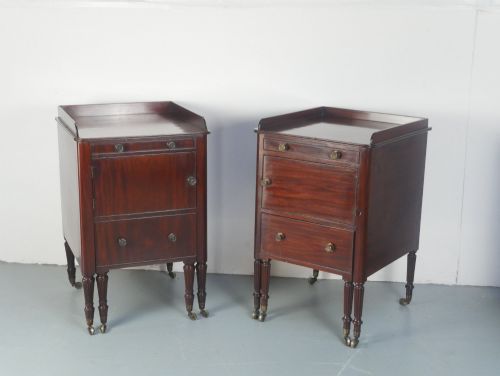
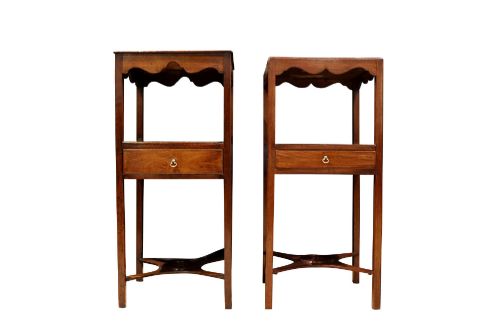
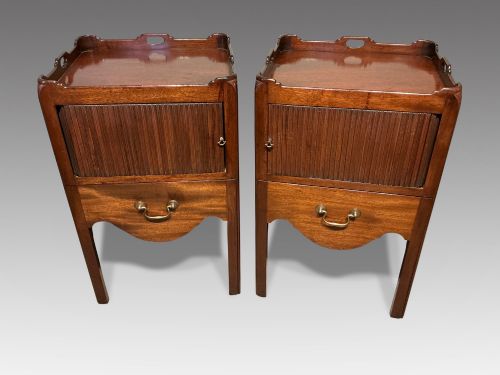
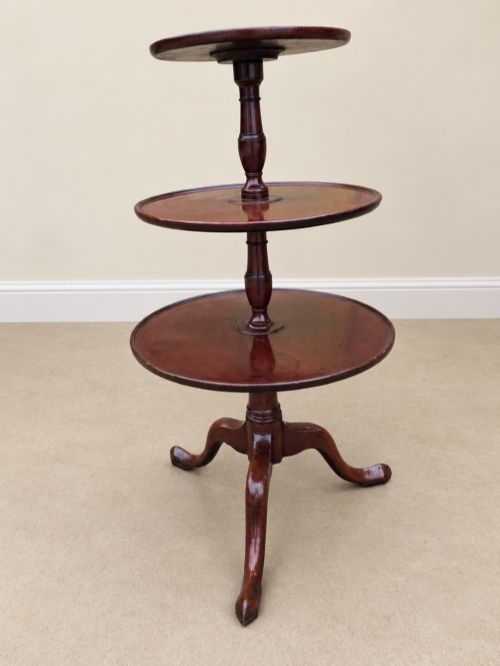
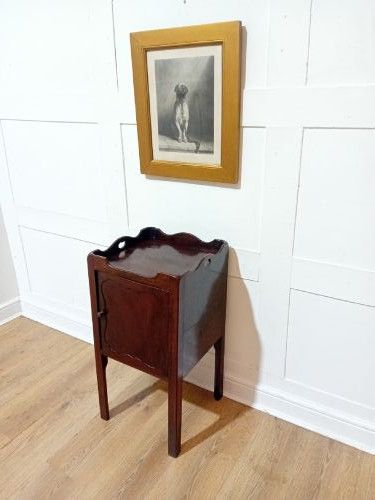
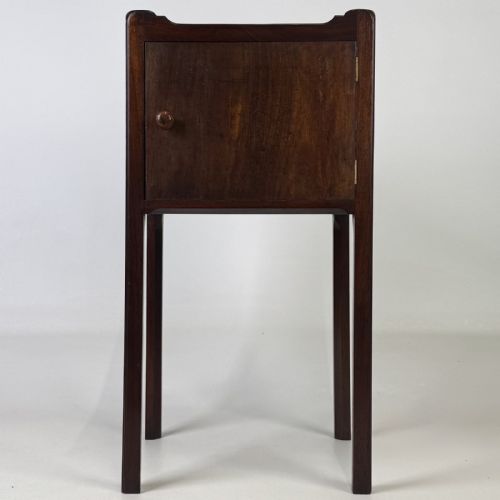
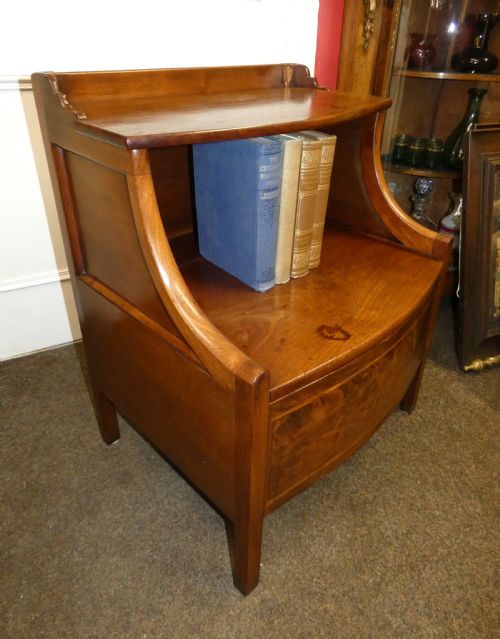
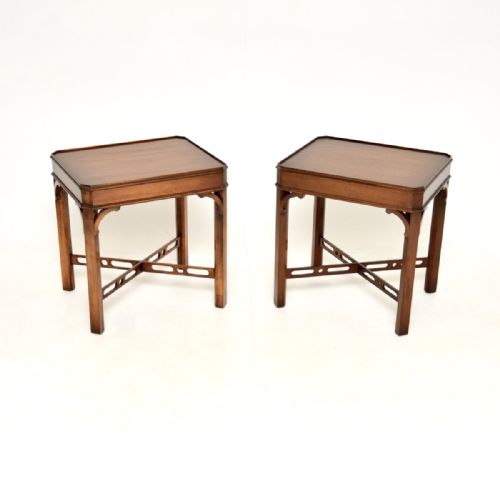
Forms range from large butler formats to compact lamp tables and bedside nightstands. Many pieces function today as low coffee tables or side tables.
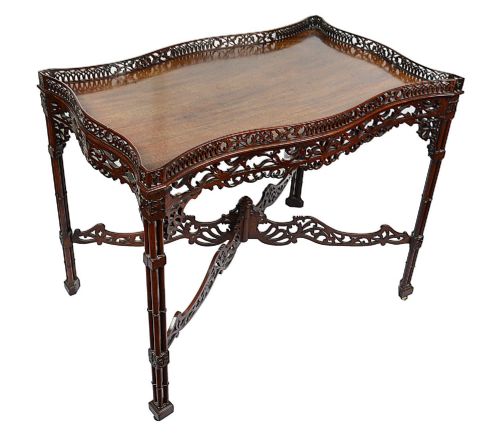
The evidence shows diverse formats including silver tables, washstands, and pot cupboards alongside classic tray stands. Periods stretch from the eighteenth century through nineteenth-century revivals up to nineteen thirty.
Materials and Construction
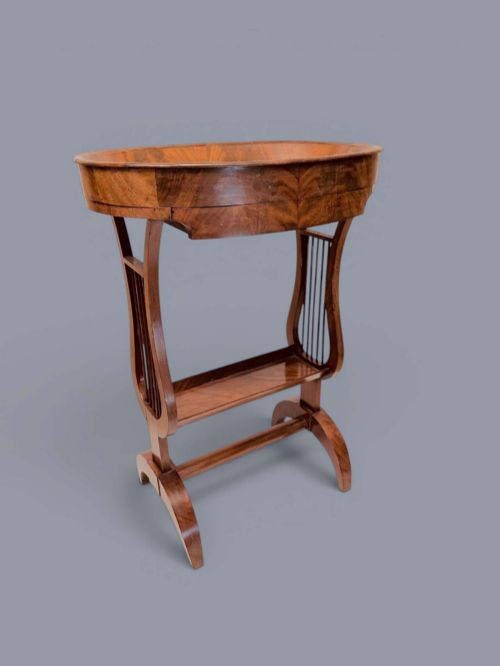
Makers utilised solid mahogany, sometimes combined with flame grain veneer and ebony inlay for decorative contrast. Timber surfaces often display rich natural grain patterns developed over generations.
Metal hardware appears in the form of brass fittings, handles, and occasional hinges on stands. Joinery reflects period cabinet-making traditions suited to portable trays and stable bases.
Georgian Mahogany Tray Table Retail Price Guide 2026
Typical asking prices for georgian mahogany tray table among the pieces listed under this phrase on Sellingantiques today, from the lower quarter to the upper quarter. They describe what is for sale here now, not the wider market.
Listings combine eighteenth-century pieces with nineteenth-century examples, nineteen-thirty designs, and Georgian Revival furniture.
Judging Quality and Character
Superior examples demonstrate crisp edge moulding on the tray rims and precise corner joinery that secures heavy items safely. The choice of timber grain, particularly flame mahogany, elevates the visual presence.
The relationship between the tray and its stand defines the integrity of the piece. Refined proportions and harmonious pairing between top and base distinguish the finest items.
The Georgian Mahogany Tray Table Glossary
- Tray top
- A tabletop featuring a raised gallery or rim designed to prevent items from sliding off the edge. This edge is frequently shaped with integral handholds.
- Butler's tray
- A removable rectangular tray with hinged or shaped sides built for carrying drinks or china. It sits upon a folding X-frame or four-legged stand.
- Flame mahogany
- A decorative veneer cut from timber where the branch meets the trunk, producing a distinctive flickering flame pattern. It appears on finer period surfaces.
- Marquetry
- The art of forming decorative patterns on woodwork using fitted pieces of contrasting veneer. This technique highlights select revival and eighteenth-century pieces.
Georgian Mahogany Tray Table: Frequently Asked Questions
What is a tray table used for?
These tables serve as versatile surfaces for drinks, lamps, or books in living spaces and bedrooms. The raised edges originally kept glassware secure while being carried by servants.
Today, larger versions function well as low coffee tables, while smaller bedside formats hold evening essentials.
How do I tell an original from a revival piece?
Original eighteenth-century pieces show authentic timber shrinkage, hand-cut joinery, and natural patination from long use. Revival pieces from the twentieth century often display different construction cues and uniform finishes.
Examining the underside and the joints reveals the age of the timber and the tools used.
Are the trays removable from the stands?
Many butler tray tables feature a loose tray resting on a folding stand for easy storage and transport. Other variations are fixed firmly to their base as static lamp or side tables.
The listings include both removable trays and permanent table constructions.
How do I care for mahogany surfaces?
Protect the timber from direct sunlight and excessive heat to prevent the polished surface from fading or drying out. Regular dusting with a soft, dry cloth preserves the natural lustre of the wood.
Ablutions should be handled promptly to avoid water rings on the antique polish.