
Georgian Mahogany Lamp Stand
A georgian mahogany lamp stand brings quiet utility and warm timber grain to a corner, functioning as a sturdy perch for illumination or small vessels.
Georgian Mahogany Lamp Stand
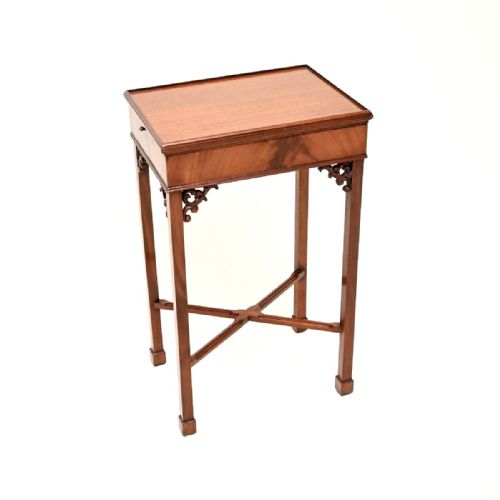
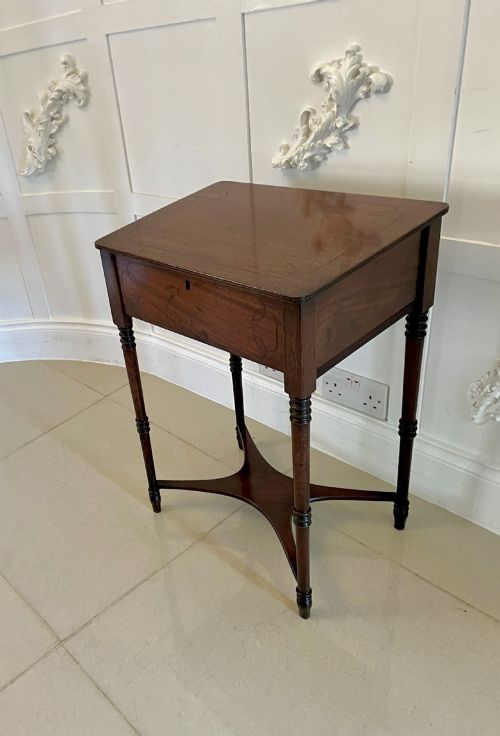
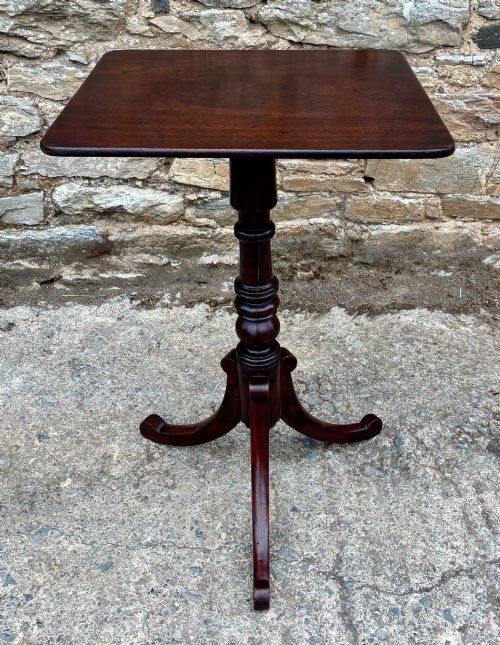
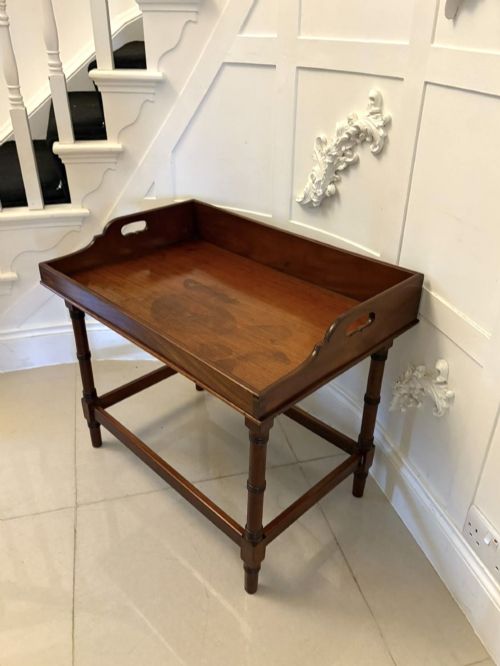
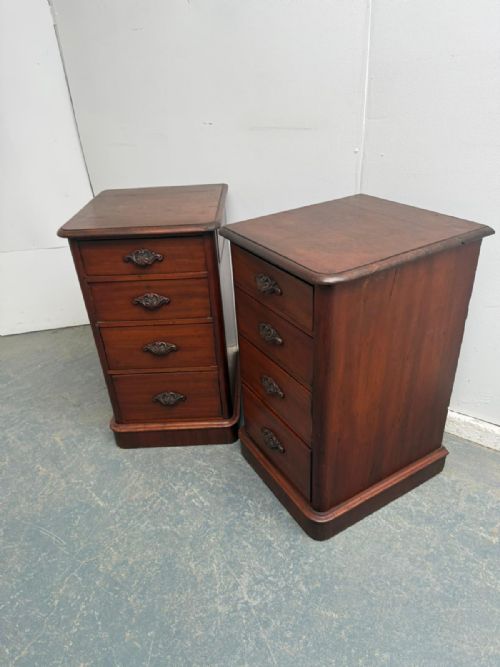
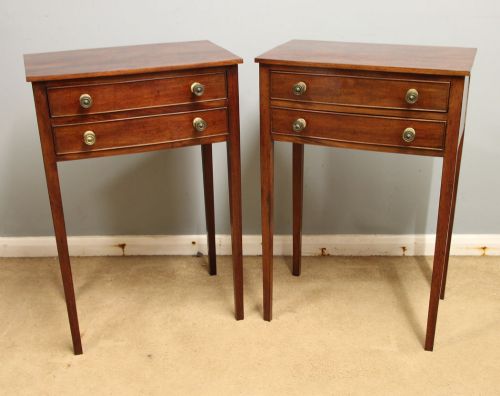
A georgian mahogany lamp stand encompasses versatile small tables and taller floor-standing lighting supports designed for domestic interiors. The records show these pieces span tripod wine tables, bedside cabinets, and occasional stands originating from the eighteenth century onwards.
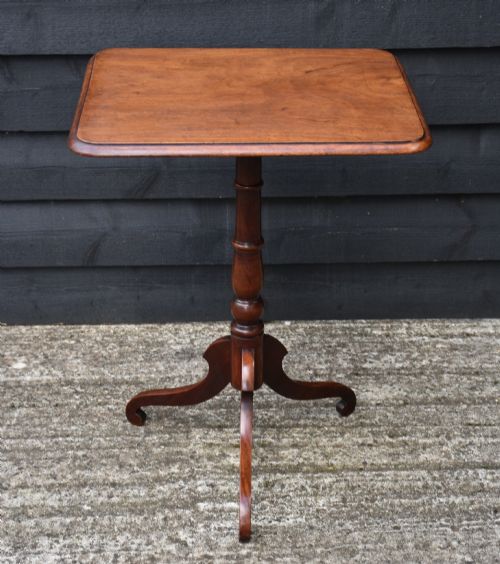
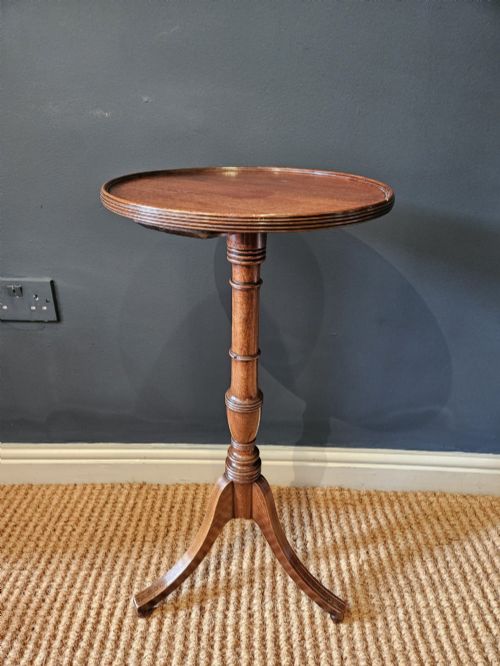
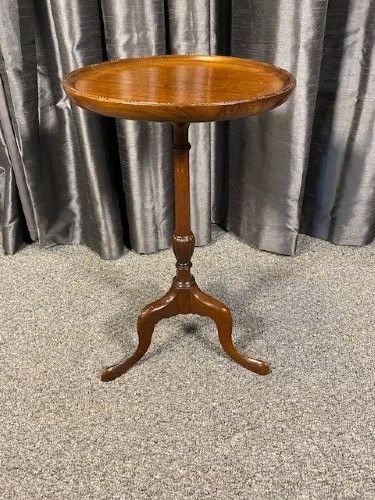
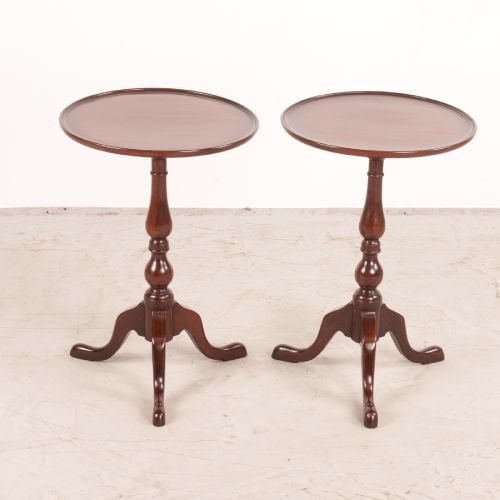
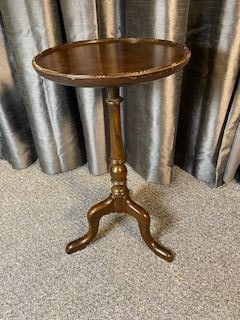
Buyers meet tripod wine tables and occasional side tables most frequently in this category, often featuring tilt-top mechanisms or raised rims. These compact forms accommodated candles or oil lamps beside seating areas in period rooms.
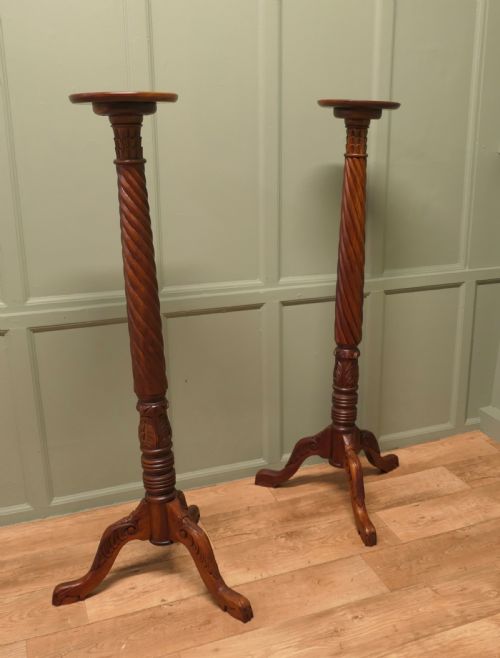
Makers adapted standard occasional and wine tables for illumination purposes over generations, resulting in overlapping forms such as urn stands and torcheres. The primary material remains solid mahogany, occasionally complemented by cherry wood or subtle inlay work.
Materials and construction methods
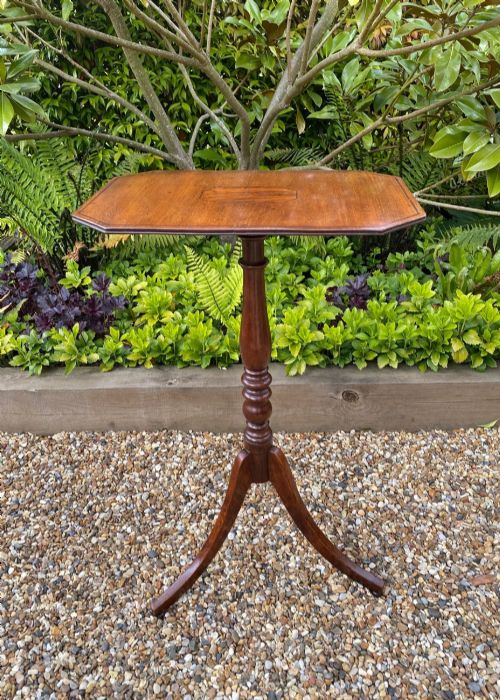
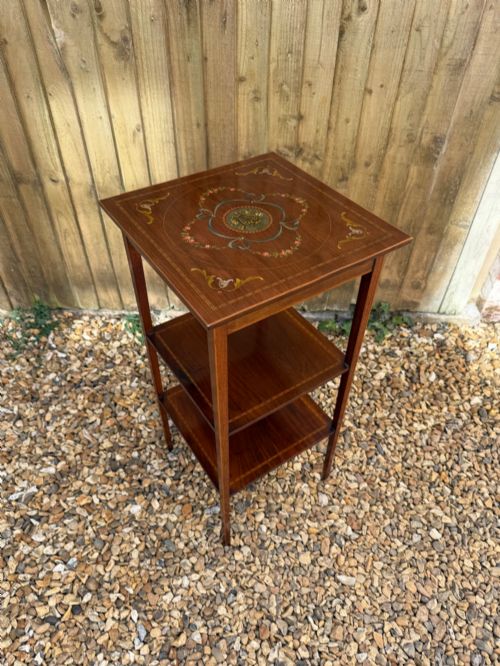
Cabinetmakers utilised dense mahogany for its stability and rich dark grain, often pairing solid timber tops with turned vase pillars and three-legged tripod bases. Boxwood and contrasting wood inlays appear on select surfaces to delineate edges and geometric panels.
Secondary structural elements incorporate brass fixtures for adjustable mechanisms or hinges, particularly on standard lamps and specialised bedside furniture. Paint and painted metal surface treatments also emerge in specific nineteenth-century iterations.
Tilt-top tables were routinely tucked flat against parlour walls like startled wooden sentinels when the room needed space for dancing.
Judging construction and finish
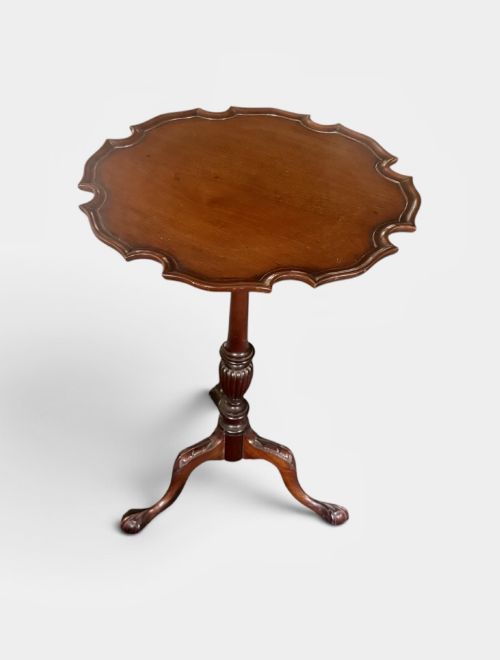
Quality rests in the proportional harmony of the turned pedestal and the crispness of the tripod leg profile, where hand-carved pad feet or snake feet display confident joinery. Superior examples maintain unwarped tops and original brass fittings without excessive modern replacement.
The choice of timber grain and the depth of the polished finish dictate the visual authority of the piece, distinguishing restrained workshop production from later revival interpretations.
The Georgian Mahogany Lamp Stand Glossary
- Tripod table
- A small circular table supported by a central pillar and three spreading legs. This design provided stable footing on uneven floorboards.
- Snap top
- A hinged tabletop mechanism that tilts to a vertical position when not in use. It allowed the stand to be stored flat against a wall.
- Torchere
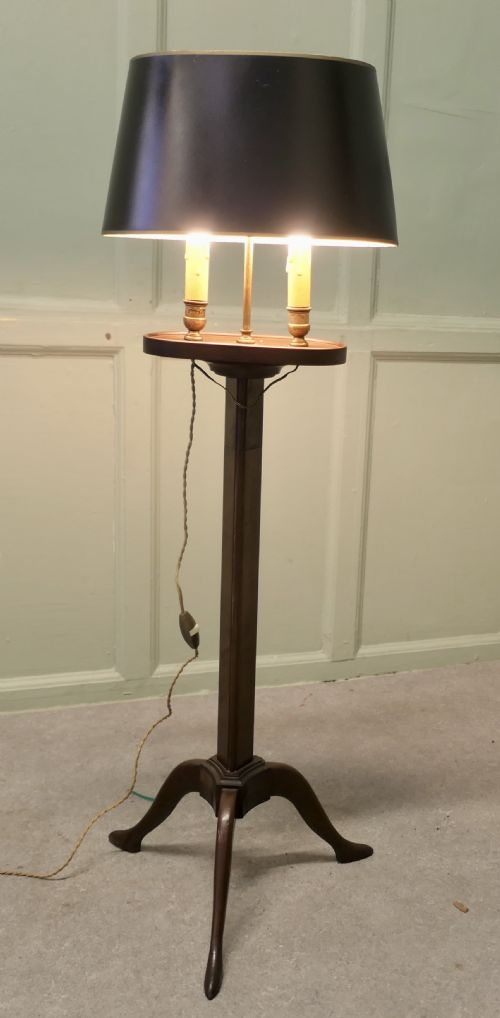
- A tall stand designed to support a candle or lamp. These elevated light sources directed illumination downward into the room.
- Tray top
- A tabletop finished with a raised moulded rim to prevent objects from sliding off. This feature is common on small serving and bedside stands.
- Pie crust rim
- A carved and shaped decorative edge resembling pastry work on a pie. This detail denotes finer craftsmanship on occasional tables.
Georgian Mahogany Lamp Stand: Frequently Asked Questions
What is a georgian mahogany lamp stand used for?
These pieces serve as compact surfaces for holding reading lamps, drinks, or small decorative objects beside chairs and beds. Their modest footprints allow them to fit into tight corners and narrow hallway spaces.
Historically, similar small tables held candles or oil lamps before electric lighting transformed domestic interiors. Today they function practically as accent tables while maintaining period character.
How do I distinguish eighteenth-century pieces from later revivals?
Examination of the timber grain, secondary wood species underneath, and joinery methods reveals the true age of a piece. Eighteenth-century examples display hand-cut joinery and patination accumulated through generations of use.
Revival pieces from the Edwardian era or the twentieth century often exhibit more uniform machine-finished timber and standardised internal components. Comparing foot profiles and turning styles against documented period examples aids confirmation.
Can these stands support modern electric lamps?
Most sturdy tripod and occasional tables possess sufficient weight distribution to hold standard table lamps securely. The primary consideration is ensuring the base diameter matches the footprint of the lighting fixture.
Taller standard floor lamps from the archive provide their own vertical lighting support without requiring an intermediate table surface. Both formats integrate readily into contemporary electrical layouts.
What maintenance does mahogany require?
Regular dusting with a soft, dry cloth preserves the polished surface without building up unwanted residues. Avoiding direct sunlight and sustained heat sources prevents the timber from drying out or splitting.
Application of traditional beeswax periodically nourishes the grain and enhances the natural lustre of the mahogany. Quick attention to liquid spills protects the historic polish from water marks.