

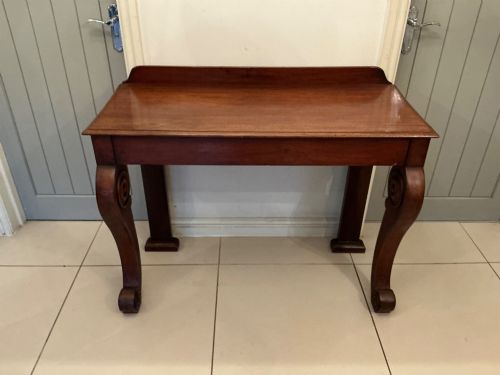
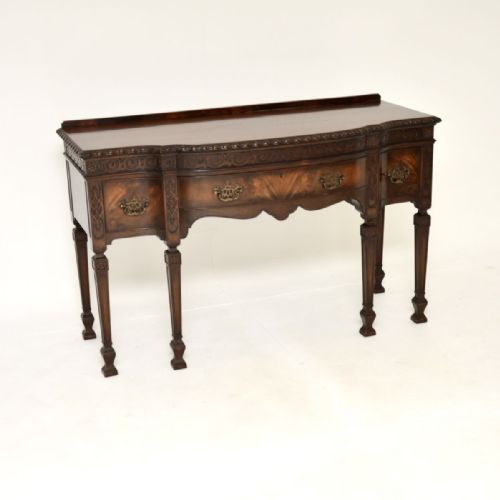
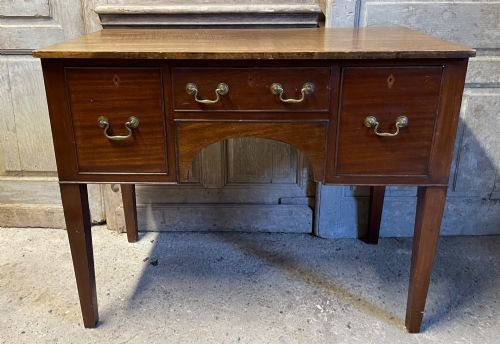
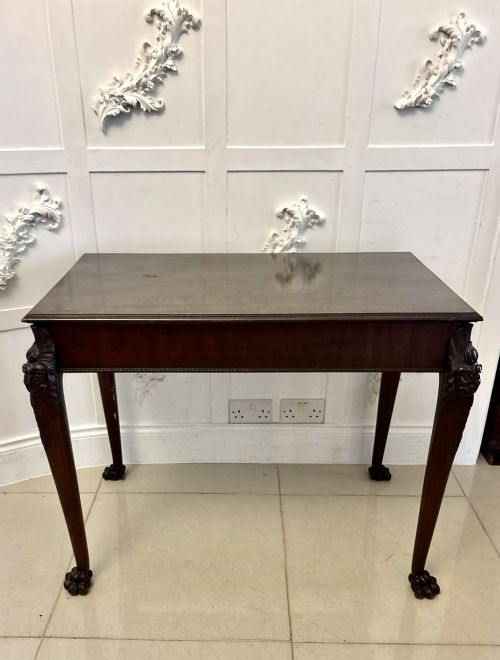
Georgian Mahogany Hall Table
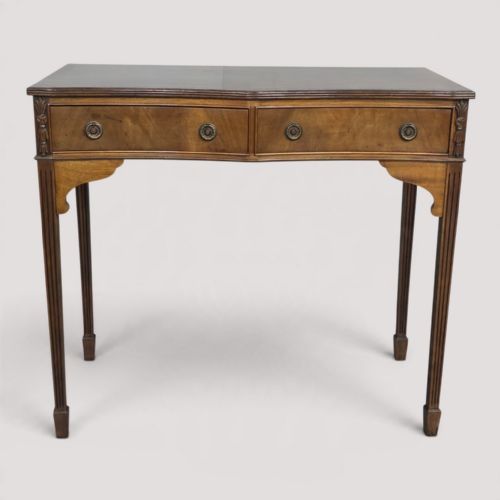
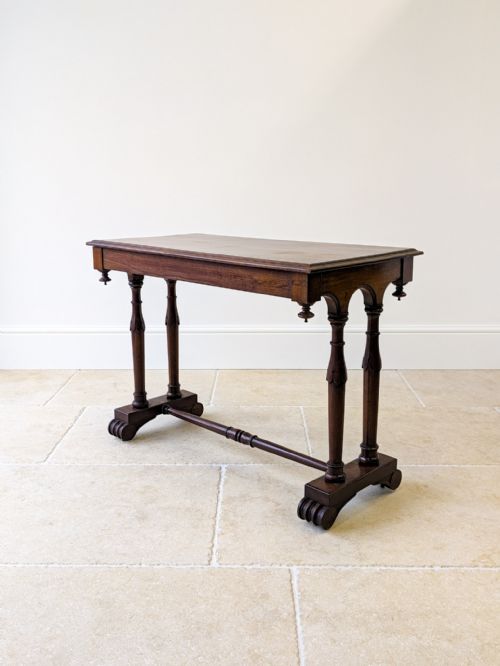
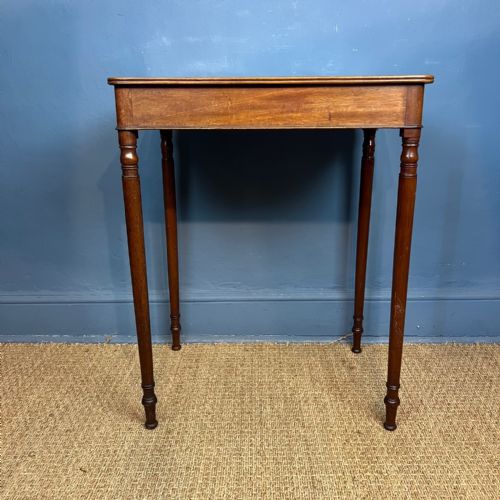
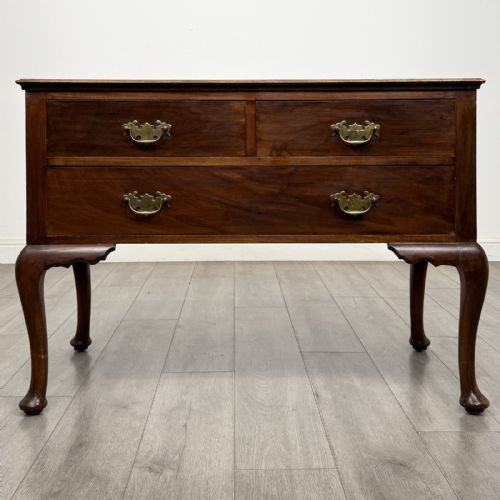
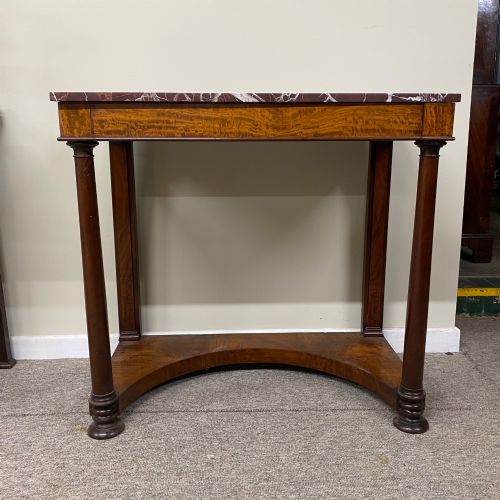
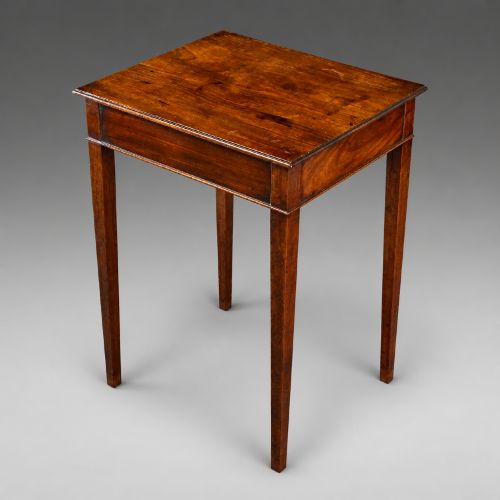
A georgian mahogany hall table offers narrow proportions and rich timber, designed originally to stand against an entrance wall.
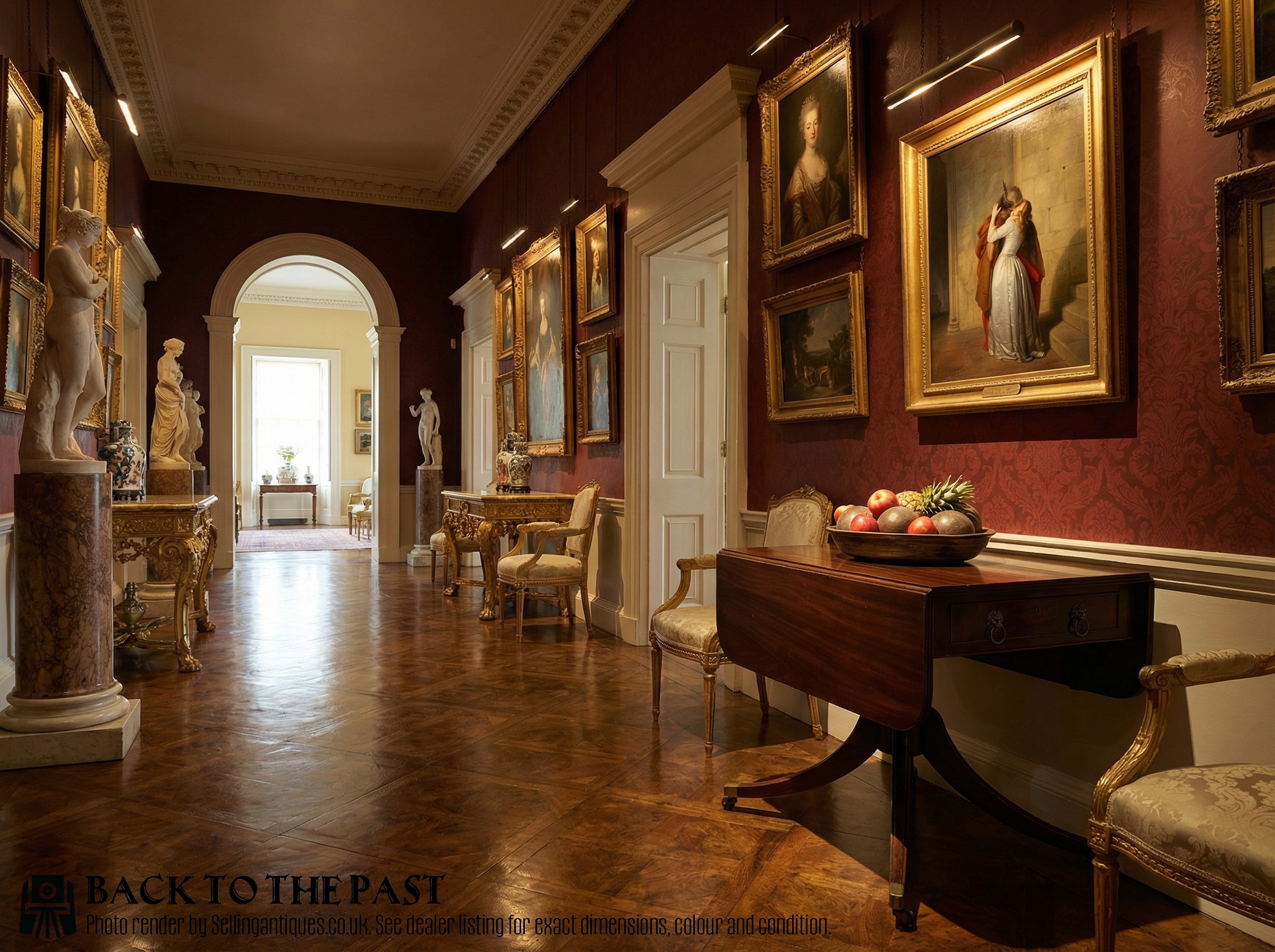
Georgian Mahogany Hall Table
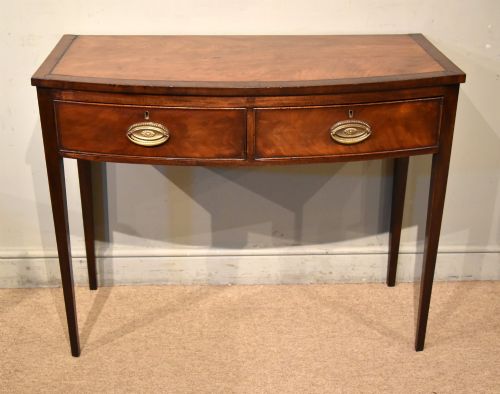
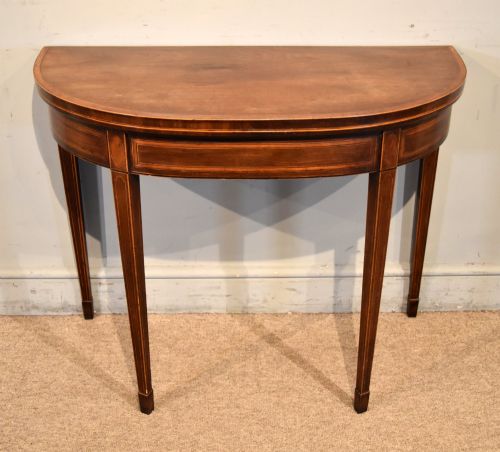
A georgian mahogany hall table typically presents a shallow rectangular, bow-front, or demi-lune profile intended for narrow entrance spaces. These pieces span the eighteenth and early nineteenth centuries, emerging in George III, Regency, and later revival forms.
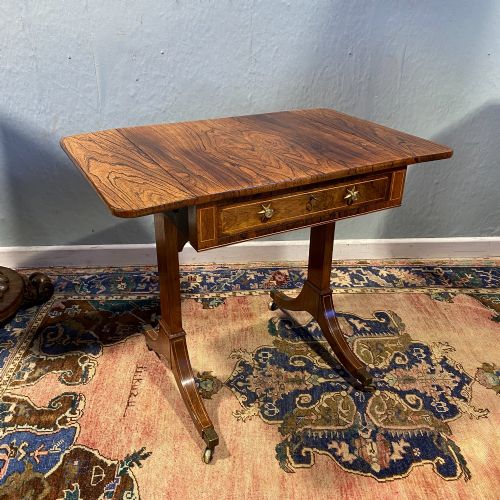
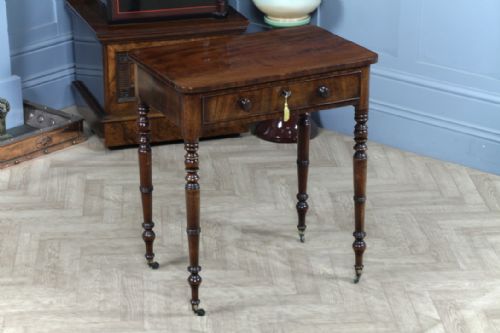
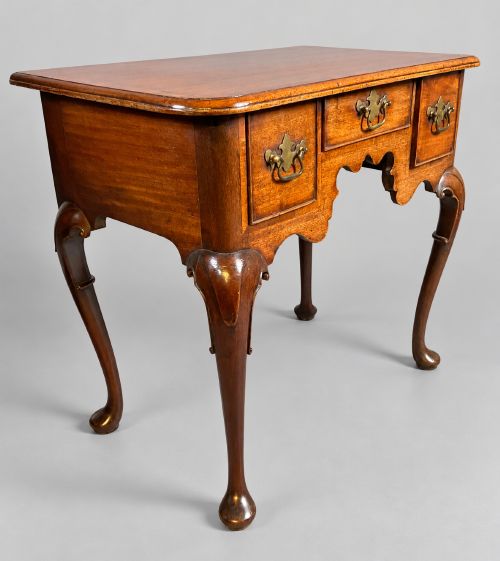
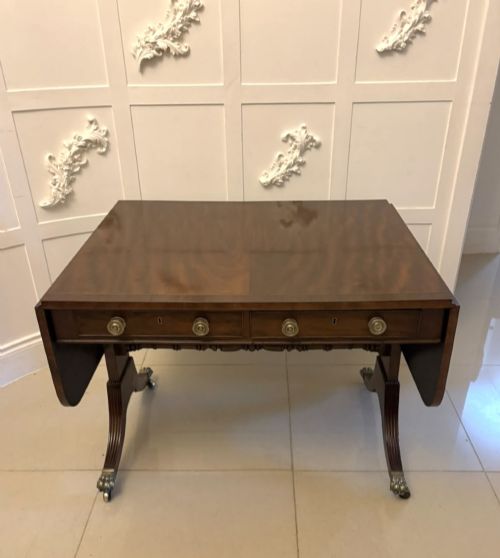
Makers adapted the format into side tables, lowboys, and console tables fitted with single drawers or drop leaves. The selection ranges from authentic eighteenth-century examples to later twentieth-century interpretations.
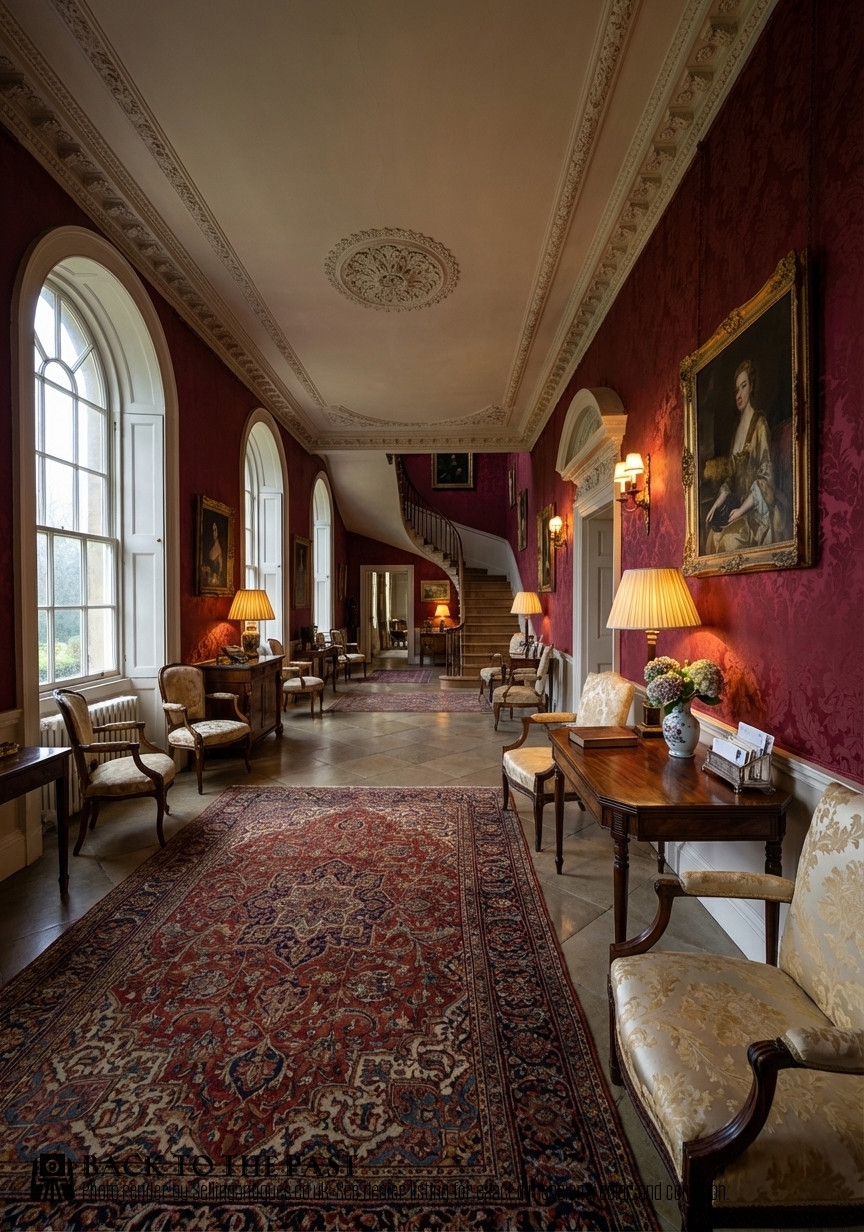
Materials and Construction
Cabinetmakers utilised solid mahogany and wood veneers, frequently selecting flame mahogany to create varied grain patterns across table tops. Brass handles, ebony stringing, and subtle wood inlay provide decorative contrast.
Structural elements combine sturdy frame construction with turned or tapering legs. Marble tops occasionally appear on console variations, supported by wooden or framed bases.
Georgian Mahogany Hall Table Retail Price Guide 2026
Typical asking prices for georgian mahogany hall table among the pieces listed under this phrase on Sellingantiques today, from the lower quarter to the upper quarter. They describe what is for sale here now, not the wider market.
Listings feature mahogany, marble, brass, and satinwood across periods from the eighteenth century to the 1930s.
Assessing Quality
The standard of timber selection sets individual examples apart, particularly where figured or flame grain mahogany exhibits depth and movement across the surface. Crisp execution of inlay work and original brass hardware further distinguish superior pieces.
Proportion and structural integrity dictate the overall finish. Well-balanced forms with original timber patination reflect careful historical construction.

Gillows·Gillingtons of Dublin
The Georgian Mahogany Hall Table Glossary
- Demi-lune
- A half-moon shape popular for console tables designed to sit flat against a wall. This silhouette saved floor space in narrow hallways.
- Flame mahogany
- A veneer cut from the fork of the mahogany tree to produce a flickering, flame-like grain pattern. It was highly prized for table tops and drawer fronts.
- Lowboy
- A small table with drawers, typically raised on four tall legs, used historically as a side or dressing table. They often feature shaped aprons.
- Stringing
- Thin inlay lines of contrasting wood or metal used to outline drawers and borders. This linear detail defines neoclassical furniture styles.
- Console table
- A table fixed to a wall or designed to stand against one, often supported by front legs. They frequently served decorative roles in entrance halls.
Georgian Mahogany Hall Table: Frequently Asked Questions
Where should a hall table go?
These pieces suit narrow corridors, entranceways, and landings where floor space is limited. Their shallow depth allows them to sit against walls without obstructing movement.
They also function effectively in living rooms or studies as slim writing surfaces or display points.
How do I identify a Georgian piece?
Look for traditional construction methods such as hand-cut dovetails on drawer boxes and timber shrinkage appropriate to age. Period examples display natural patination rather than modern chemical finishes.
Design motifs like tapering legs, brass ring pulls, and subtle stringing offer further period indicators.
Can these tables be used for writing?
Many surviving examples incorporate single or multiple drawers originally intended for letters and household ledgers. The shallow depth accommodates occasional correspondence.
Care should be taken with antique timber surfaces, making a protective pad or blotter advisable for daily writing.
What is a demi-lune table?
A demi-lune is a half-circle table designed to stand flat against a wall. Pairs of these tables often join together to form a larger circular dining or centre table.
In hallways, a single demi-lune provides a compact surface for lamps and post.