
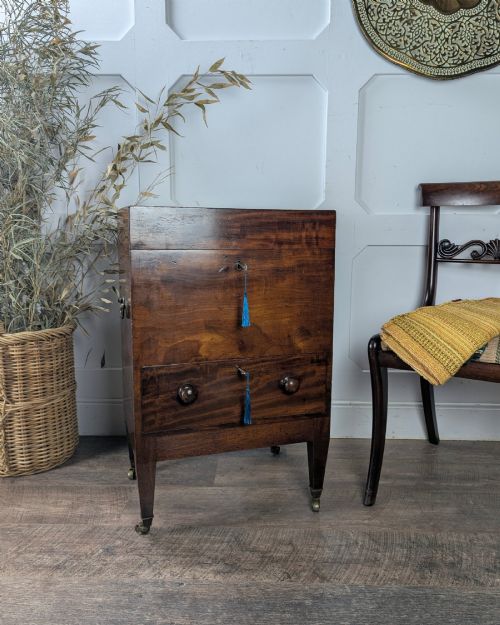
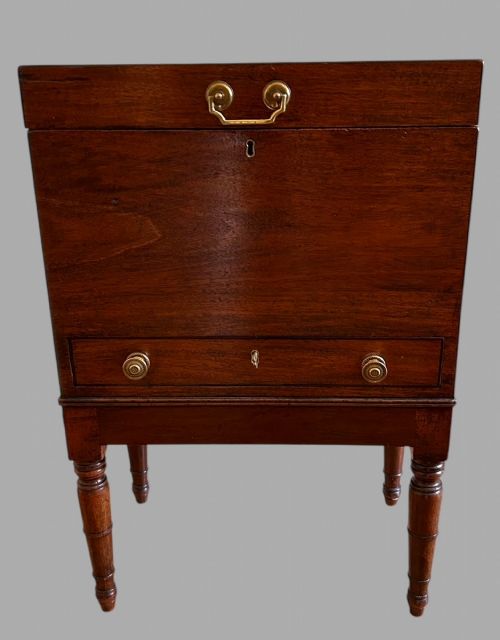
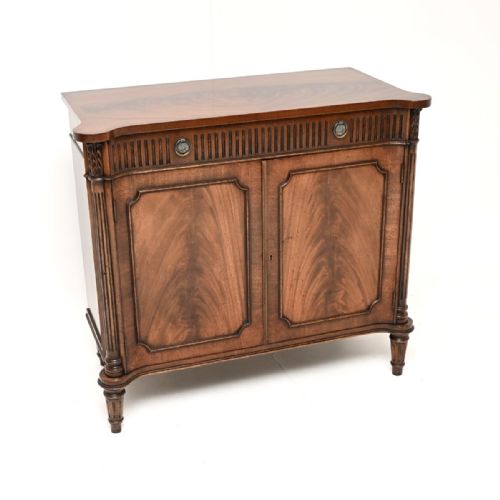
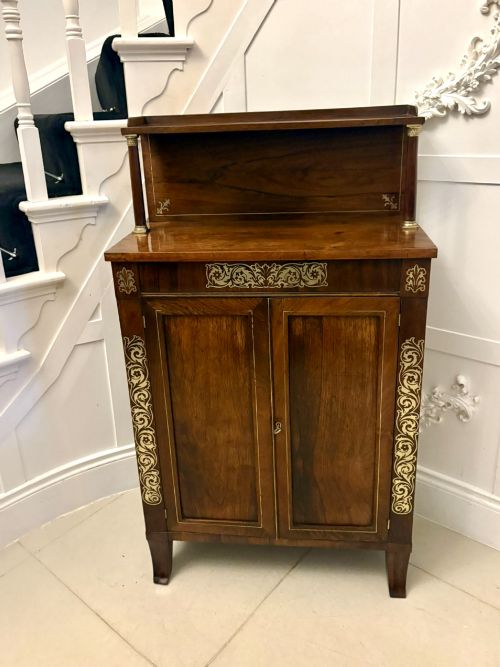



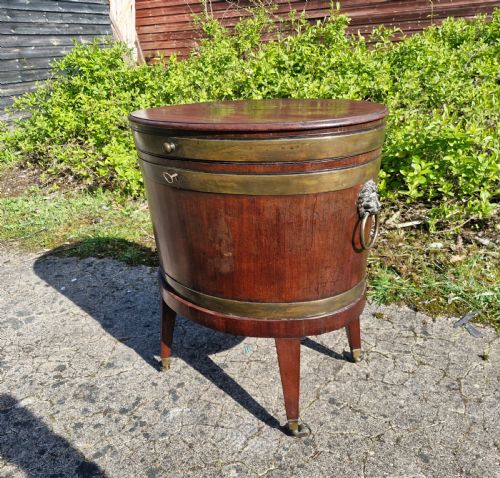
Georgian Mahogany Drinks Cabinet
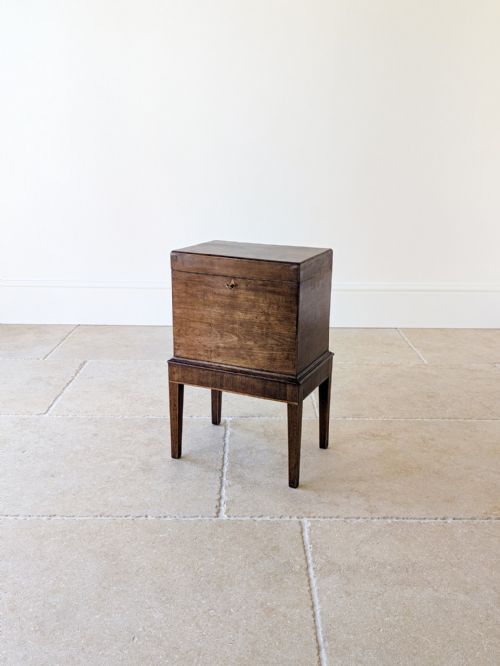
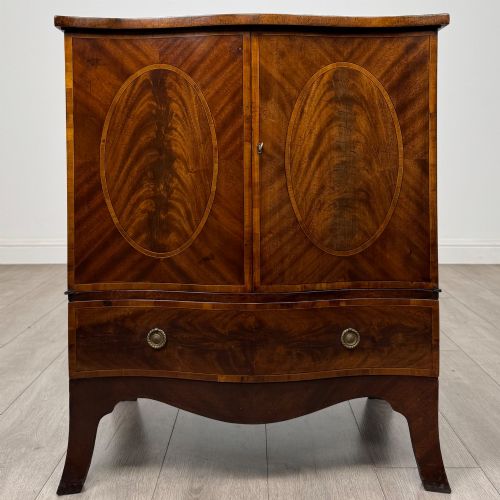
A georgian mahogany drinks cabinet brings together solid timbers and classical design to serve as a proper home for bottles and glassware.
Georgian Mahogany Drinks Cabinet
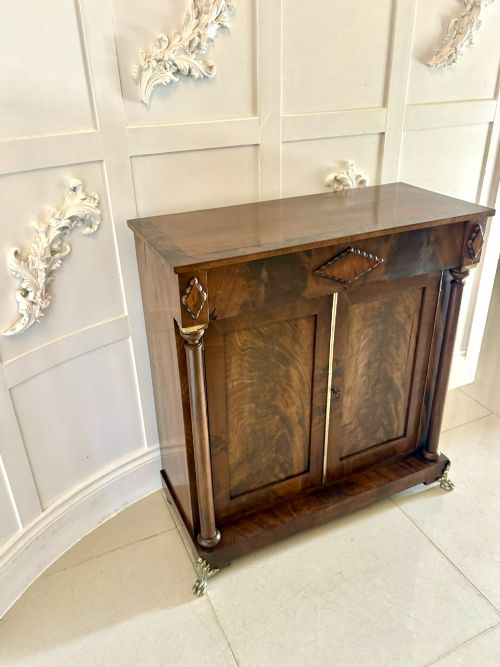
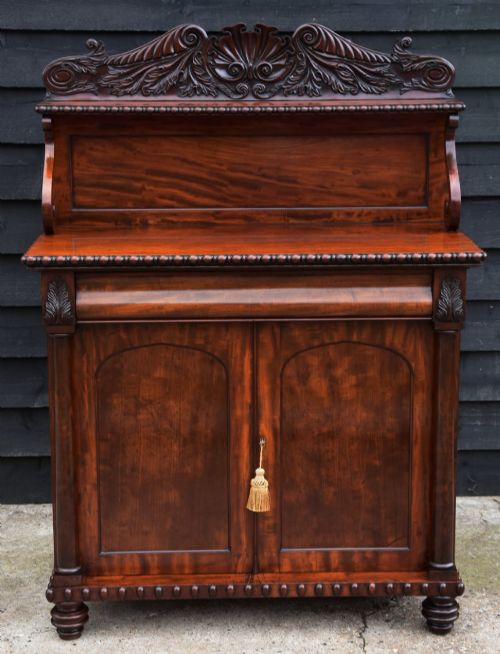
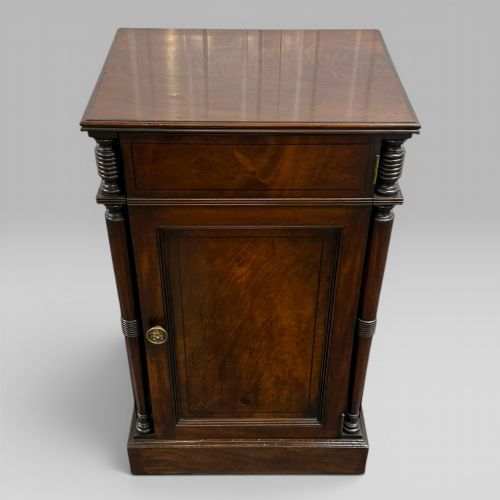
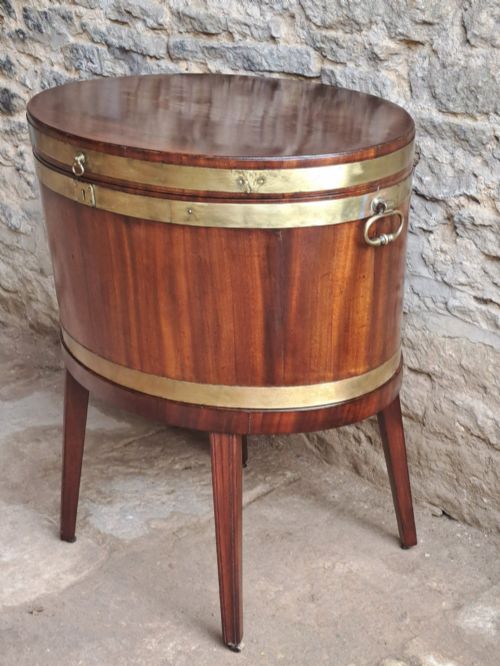
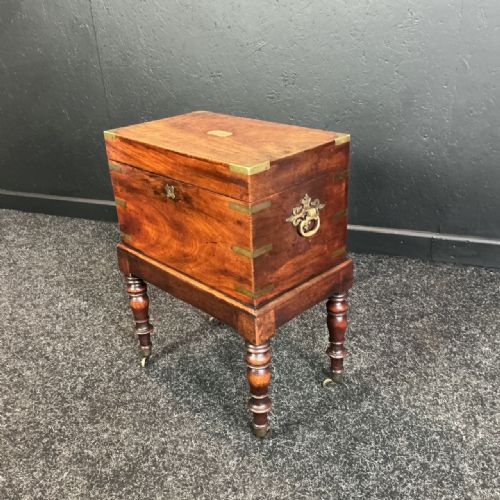
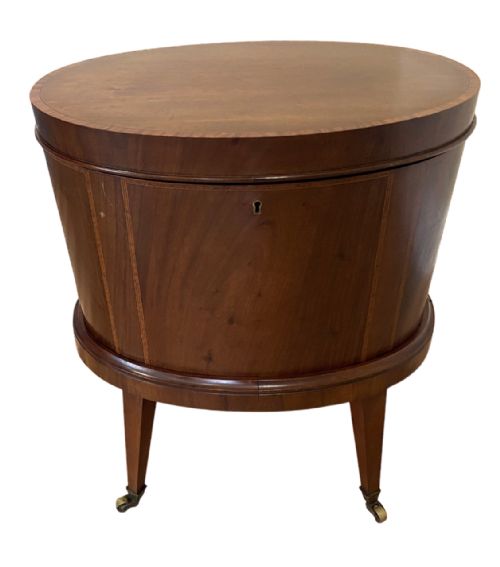
When you search for a georgian mahogany drinks cabinet, you encounter cellarettes, wine coolers, side cabinets, and chiffoniers spanning the eighteenth and nineteenth centuries.
The objects listed range from George III wine coolers to Regency side cabinets and Edwardian revivals, serving the same function of storing and presenting potable spirits.
Most examples originate from British workshops, utilising rich timbers typical of the period.
Materials and Technique
Cabinet makers constructed these pieces primarily using solid mahogany and flame mahogany veneer, frequently accented with satinwood, boxwood inlay, and brass hardware.
Joinery methods involved precise framing and panel construction, complemented by ormolu mounts and glass panels on specific wall-hanging and side cabinet variants.
Some octagonal wine coolers include interior lead linings designed to hold melted ice around the bottles.
Assessing Quality
Quality rests in the selection of figured timber veneers and the crispness of classical boxwood or satinwood inlay work.
Superior execution shows in the precision of brass mountings, tight joinery, and the retention of original locking mechanisms and interior fittings.
Gillows of Lancaster and London
The Georgian Mahogany Drinks Cabinet Glossary
- Cellarette
- A standalone chest or cabinet designed specifically for holding bottles of wine and spirits securely.
- Chiffonier
- A compact sideboard or low cabinet equipped with drawers and doors, popular during the Regency period.
- Satinwood
- A durable, light-yellow timber utilised extensively for contrasting stringing and decorative inlay work.
- Ormolu
- Gilded bronze ornamentation applied to furniture surfaces for decorative effect.
Georgian Mahogany Drinks Cabinet: Frequently Asked Questions
What is a cellarette?
A cellarette is a dedicated timber container built to hold bottles upright and cool within a fitted interior.
These pieces sat beneath sideboards or stood independently in dining rooms.
How do I date a cabinet?
Dating relies on identifying characteristic period details such as Sheraton inlay, Regency brass work, or Georgian proportions.
Secondary woods and construction techniques provide further clues to the decade of origin.
Were these originally for drinks?
Many served as wine coolers or plate warmers before being adapted for modern bottle storage.
Original lead linings or fitted bottle dividers indicate their primary dining room function.
How do I care for mahogany?
Maintain mahogany surfaces by keeping them away from direct sunlight and sudden temperature shifts.
Apply traditional wax sparingly to preserve the natural lustre of the timber.