

Georgian Mahogany Cellarette Stand
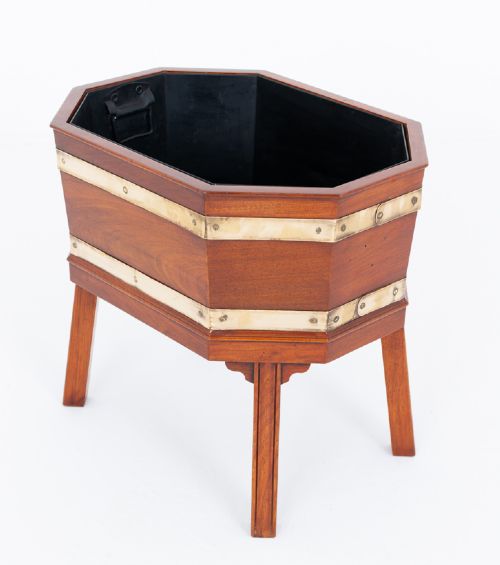
These georgian mahogany cellarette stand pieces are historic dining room containers built to hold wine bottles, ice, and plants.
Georgian Mahogany Cellarette Stand
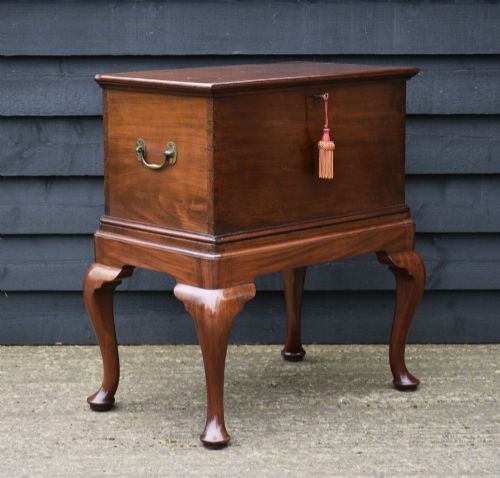
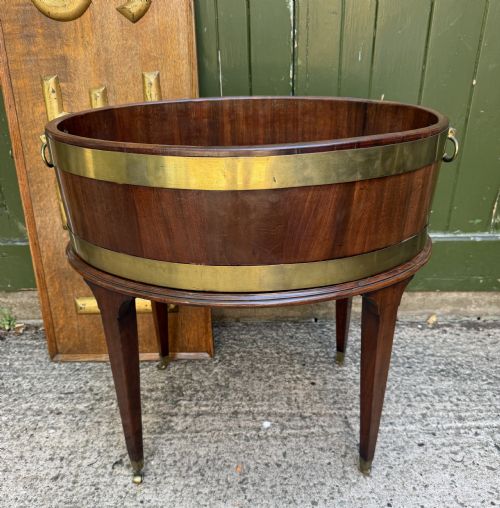
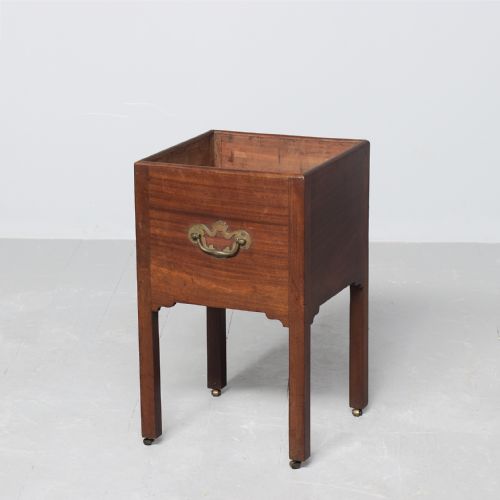
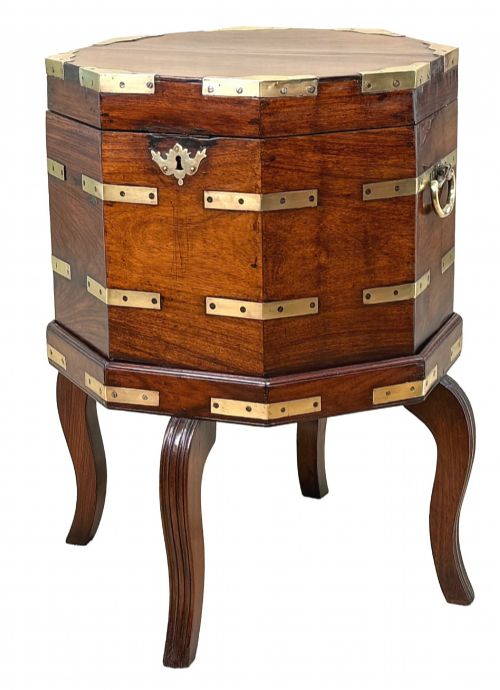
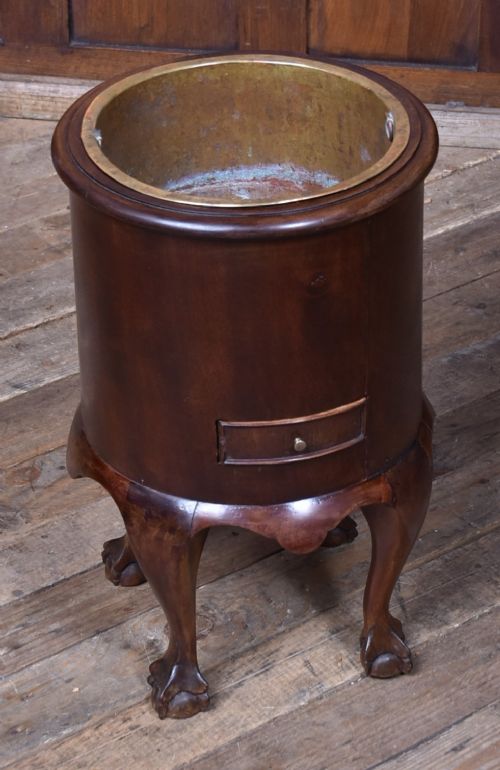
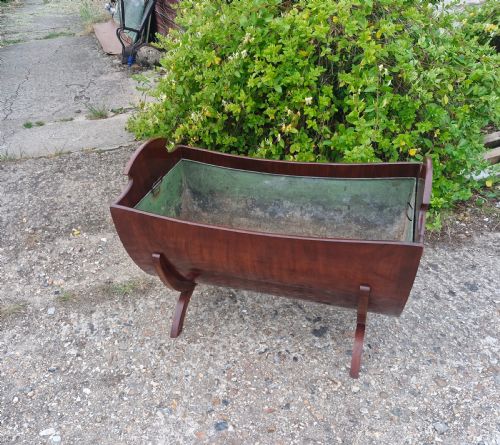
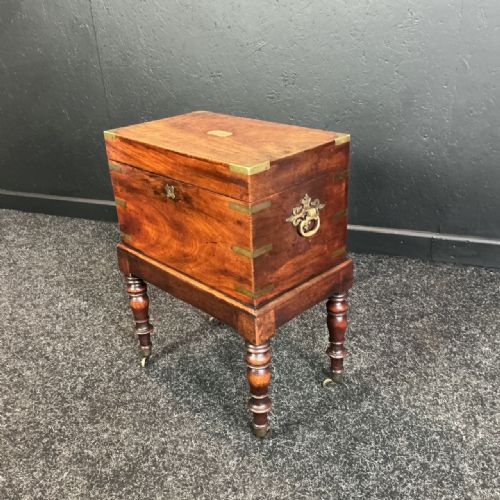
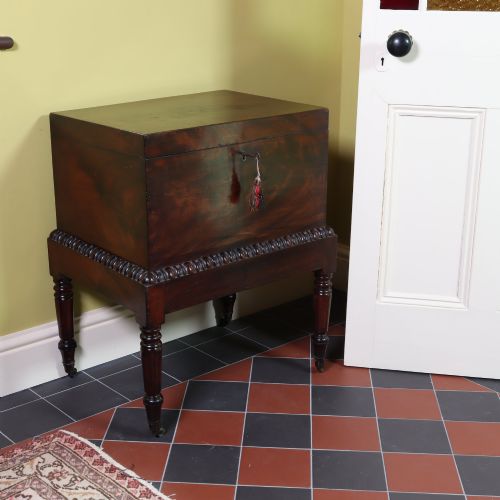
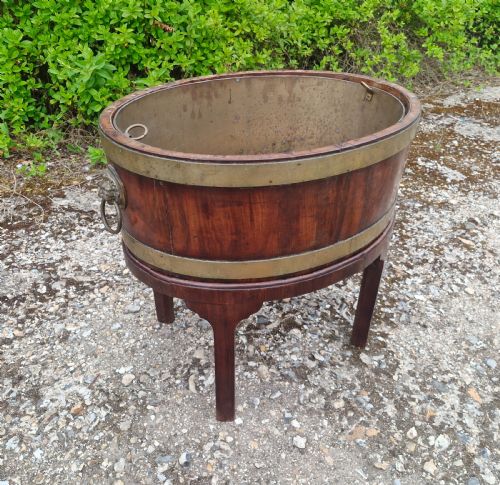
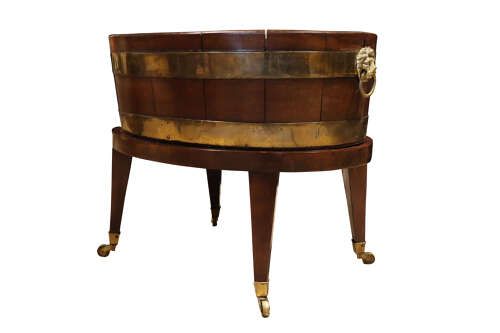
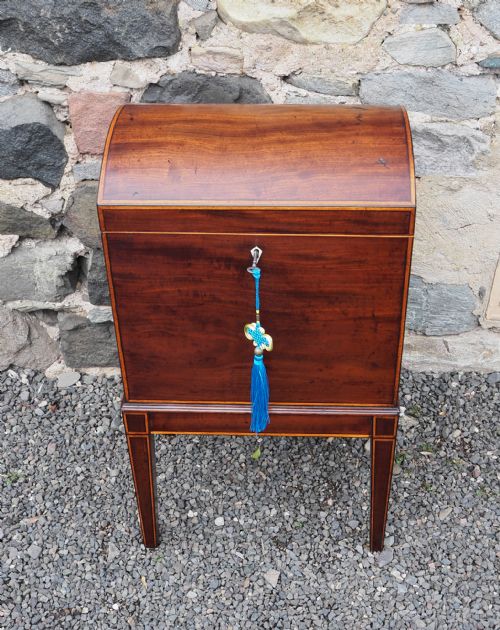
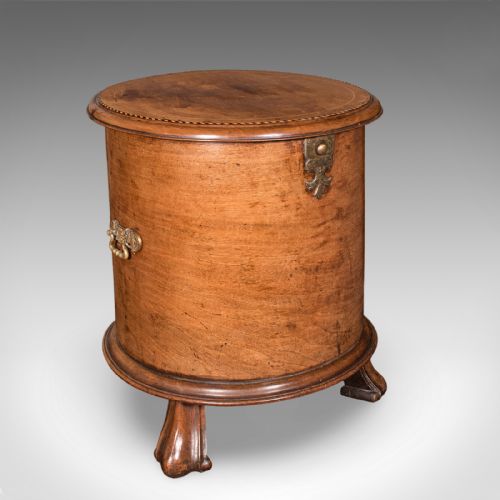
When you search for a georgian mahogany cellarette stand, you encounter deep timber vessels and boxes designed to keep bottles chilled or plants displayed during dining. The pieces span the eighteenth century, the regency era, and the nineteenth century, taking forms that range from oval and octagonal boxes to open stands and log baskets.
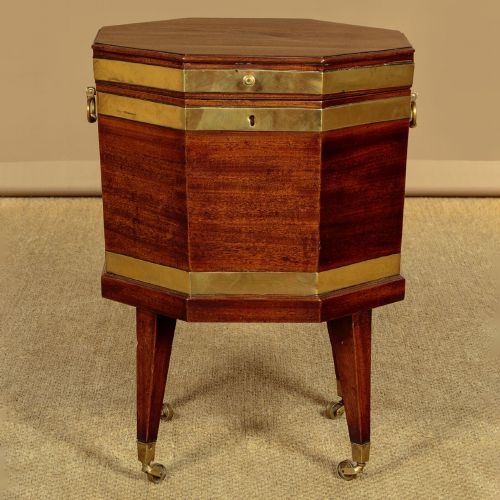
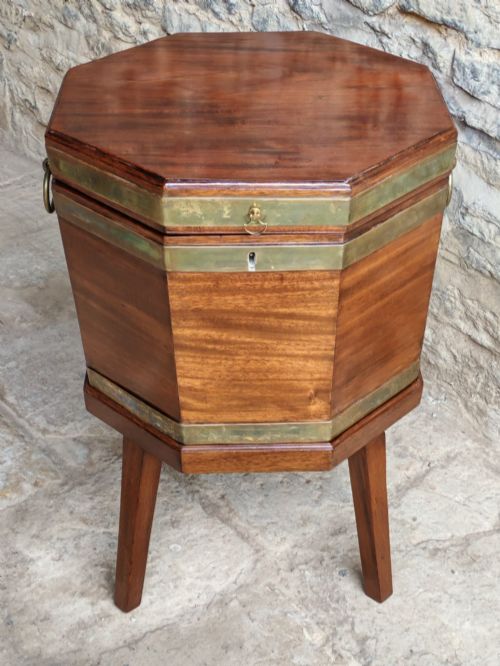
The versions most common on this page are george iii mahogany wine coolers and brass-bound cellarettes, some resting on original or later stands. You will also see walnut, padouk, and boxwood inlaid variants that served similar functions in country houses and formal dining rooms.
Materials and construction methods
The primary timber is solid or flame mahogany, selected for rich grain and deep patina, occasionally complemented by walnut, padouk, and boxwood inlay. Makers utilised coopered construction for the curved bodies, shaping staves much like a barrel to hold liquid and ice securely.
Metal components such as brass bands, zinc liners, steel supports, and metal fittings reinforced the heavy timber structures. These materials ensured durability against moisture from melting ice and wet plants inside the dining room.
Factors that define quality
Quality rests upon the selection of timber figure, such as highly figured flame mahogany, and the crispness of any boxwood inlay or brass binding. The integrity of the original stand and whether the interior zinc or metal lining remains intact significantly influence the standing of a piece.
Proportion and execution separate ordinary storage boxes from exceptional dining room appointments. Pieces retaining their original stands and possessing unblemished timber patination demonstrate superior craftsmanship from the period.
Gillows
The Georgian Mahogany Cellarette Stand Glossary
- Cellarette
- A lockable container used in the dining room to store bottles of wine before they were served at the table. They often sat on the floor beneath a sideboard or upon a dedicated stand.
- Coopered
- Built using wooden staves joined side by side and bound with metal hoops, exactly like the construction of a traditional cask or barrel. This technique prevented the wood from splitting when exposed to ice and moisture.
- Jardiniere
- An ornamental pot or stand designed to hold plants and flowers inside domestic rooms. Many pieces share identical forms with wine coolers and were adapted for botanical display.
- Brass Bound
- Decorated and reinforced with fitted strips of brass around the body and base. This method provided structural strength while adding a formal decorative contrast to the dark mahogany timber.
Georgian Mahogany Cellarette Stand: Frequently Asked Questions
What is a georgian mahogany cellarette stand?
A georgian mahogany cellarette stand is a historic wooden container built during the eighteenth or nineteenth century to hold wine bottles and ice beside the dining table. These pieces often feature brass bands and coopered construction.
Over time, many of these vessels were repurposed as plant jardiniere stands or log baskets for country houses. They remain functional decorative objects for modern interiors.
How were these stands used originally?
Dining rooms during the georgian and regency periods utilised these wooden boxes to chill wine bottles in ice before serving. Servants kept them near the dining table for easy access during long meals.
Alternatively, some models served as tea stoves, plant holders, or general storage chests. Their sturdy timber and metal linings protected dining room floors from melting ice and water.
How do I identify a georgian piece?
Authentic georgian pieces display characteristic timber selection, such as solid mahogany, flame mahogany veneers, and traditional boxwood stringing. Look for period construction methods like hand-cut dovetails and coopered staves.
Hardware such as brass carrying handles and tight metal binding bands also indicate eighteenth or early nineteenth-century manufacture. Style markers point toward george iii and regency design vocabulary.
Where should I place one at home?
These versatile timber stands fit well in living rooms, dining spaces, or hallways as decorative accent pieces. Oval and octagonal models work effectively as standalone plant holders or small side tables.
They also function as stylish storage containers for magazines, blankets, or firewood near a hearth. Their rich wood tones complement both traditional and contemporary interiors.