
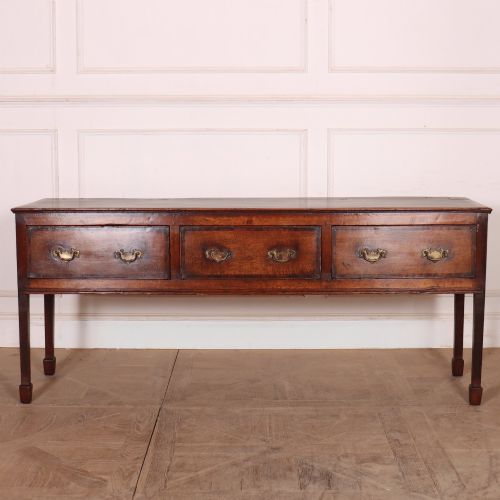

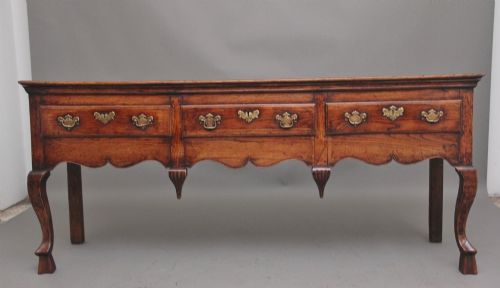
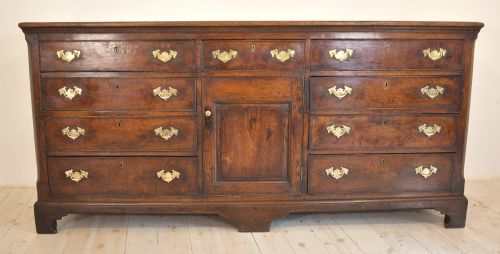
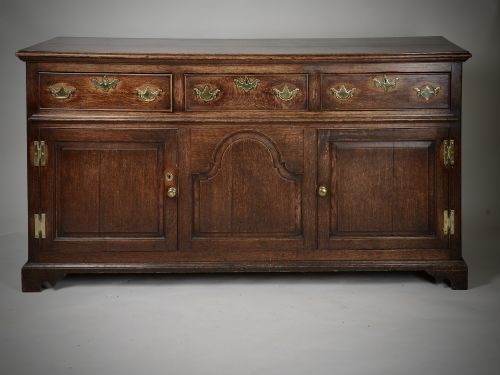
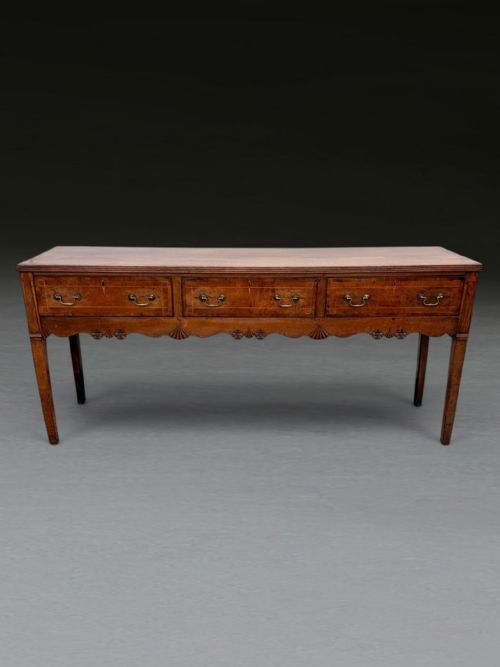
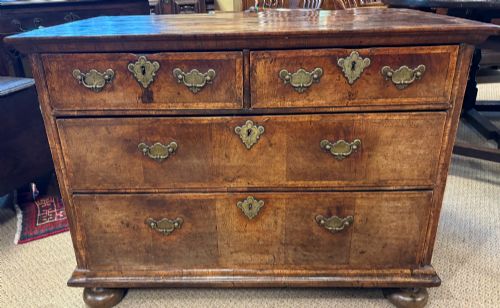
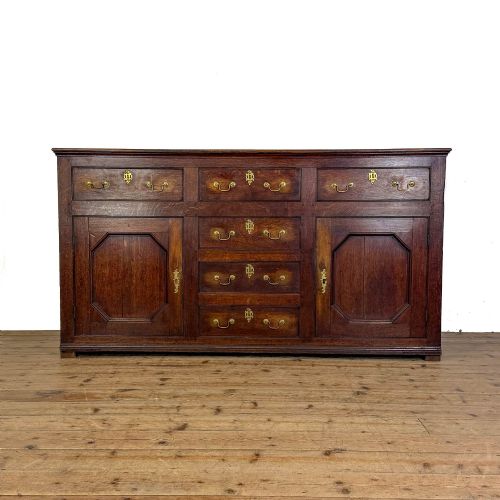
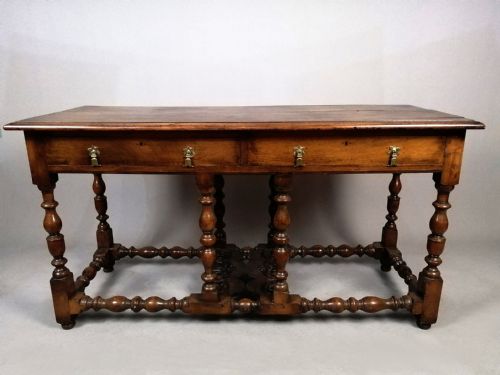

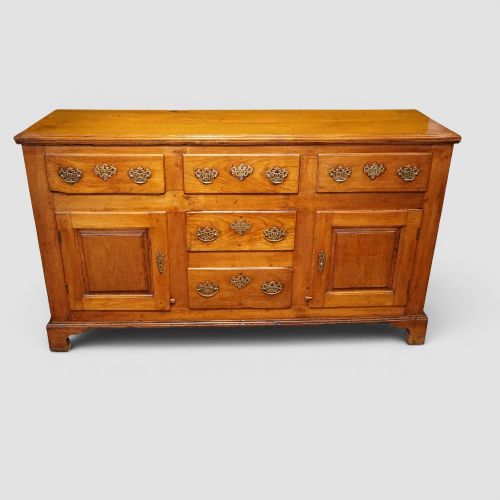

Georgian Low Dresser
A georgian low dresser brings practical surface space and regional character into a modern interior.
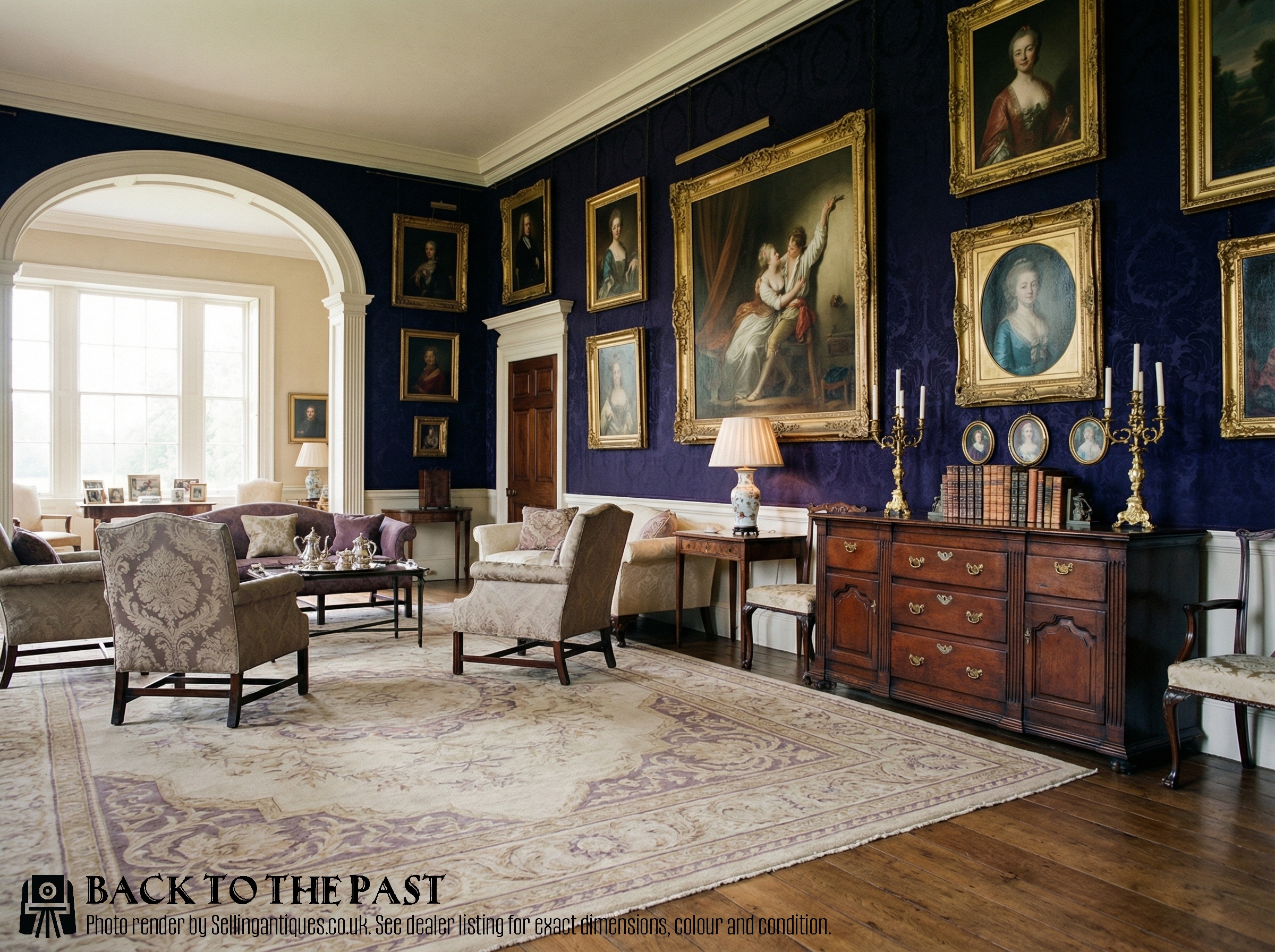
What a georgian low dresser is
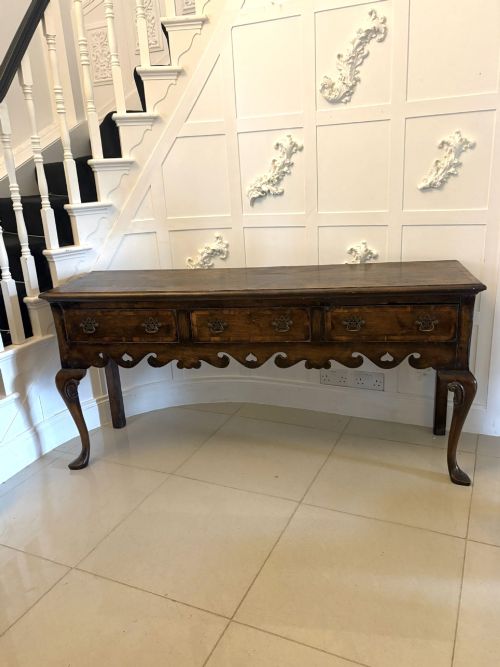
A georgian low dresser is a heavy timber base piece designed for storage and serving, often standing on short legs or a pot shelf rather than rising high into shelving. These items date from the eighteenth century and stem from English and Welsh rural workshops, frequently taking the form of a dresser base or low sideboard.
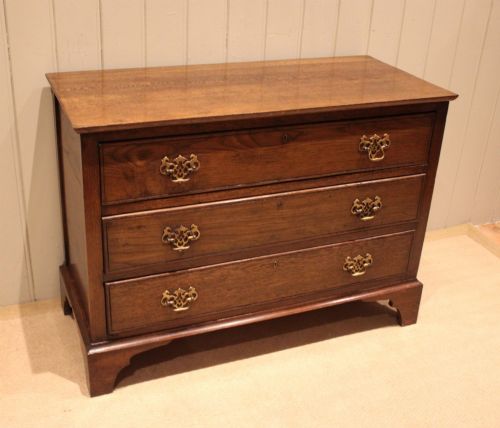
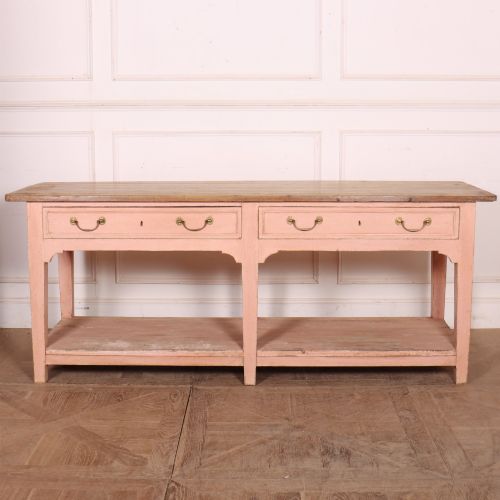
Buyers encounter regional variations such as Shropshire, Cheshire, and Welsh examples, alongside occasional Irish mahogany pieces and elm variants. Most pieces found here present as low drawer bases, sometimes accompanied by open plate racks, potboards, or servers.

Qualities that distinguish pieces
The sophistication of regional joinery and timber selection defines the standard of a piece, with joined construction in Shropshire or Welsh formats showing distinct carpentry skills. Well-figured oak grain and balanced drawer proportions elevate certain examples above simpler utility furniture.
The presence of original brass work, integrated potboards, and untouched surface patination separate standard regional pieces from finer server formats.
Retail Price Guide 2026
Typical UK retail prices for georgian low dresser, calculated from the Sellingantiques database of over a million retail prices indexed since 2003. This retail price guide relies exclusively on Sellingantiques data; no external sources or auction records are used, so the figures do not describe the wider market.
Listings combine eighteenth-century oak, elm, and painted pine examples with regional forms originating in Shropshire, Cheshire, and Wales.
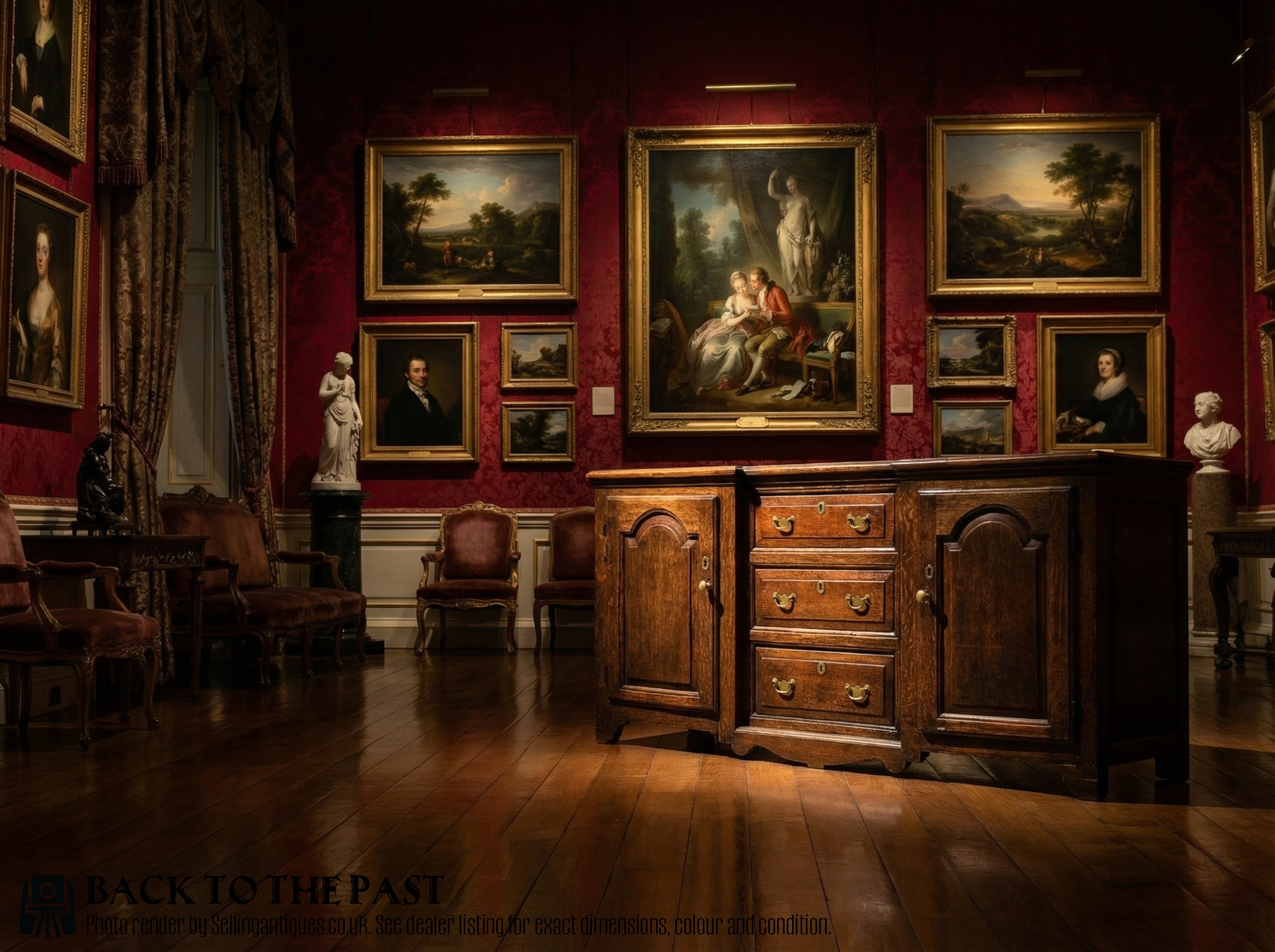
The Georgian Low Dresser Glossary
- Potboard
- A lower shelf built close to the floor between the legs of a dresser, originally intended for storing pots and pans.
- Dresser base
- The lower cabinet portion of a dresser, fitted with drawers and cupboards without the upper shelving rack.
- Joined
- A term for furniture constructed using mortise and tenon joints rather than simpler nailing or doweling.
- Breakfront
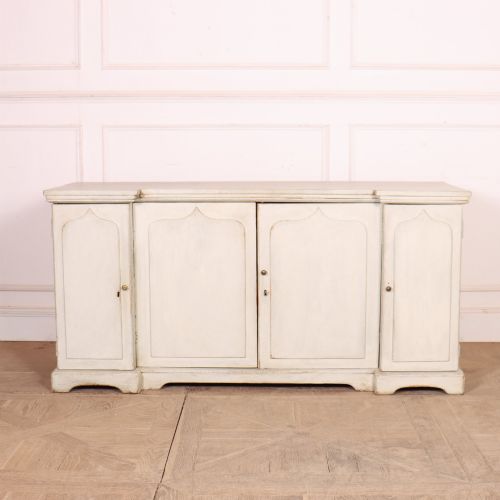
- A piece of furniture where the central section projects forward from the flanking outer sections.
- Server
- An alternative functional description for a low sideboard or dresser base used for serving food.
Frequently Asked Questions
What is a low dresser base?
A low dresser base is the lower cabinet portion of an eighteenth-century storage unit, featuring a row of drawers above cupboards or an open shelf.
These pieces sat in kitchens and dining rooms to hold tableware and serving dishes while providing a broad top surface.
Where were these dressers made?
Regional workshops across England and Wales produced these items, with notable groups originating in Shropshire, Cheshire, and Welsh border counties.
Local timber availability dictated the choice of oak, elm, or pine in each district.
How do I style a low dresser?
A low dresser functions effectively as a sideboard in a dining room or hallway, offering generous surface area for lamps and objects.
The deep drawers provide concealed storage for linens and tableware.
What is a potboard shelf?
A potboard is a low wooden platform fixed between the legs near the floor of the dresser base.
Cabinetmakers added this feature to keep heavy kitchen pots off damp flagstone floors.