
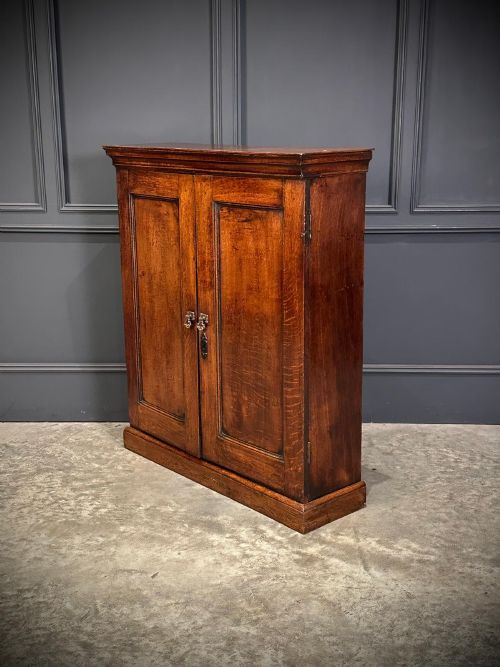
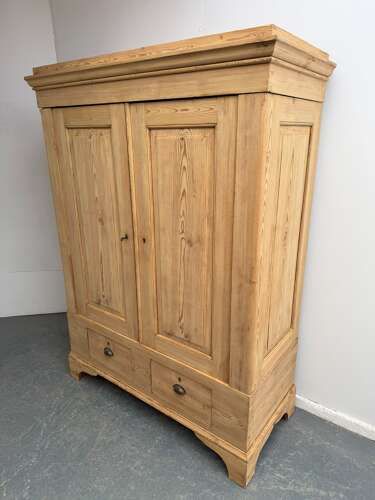
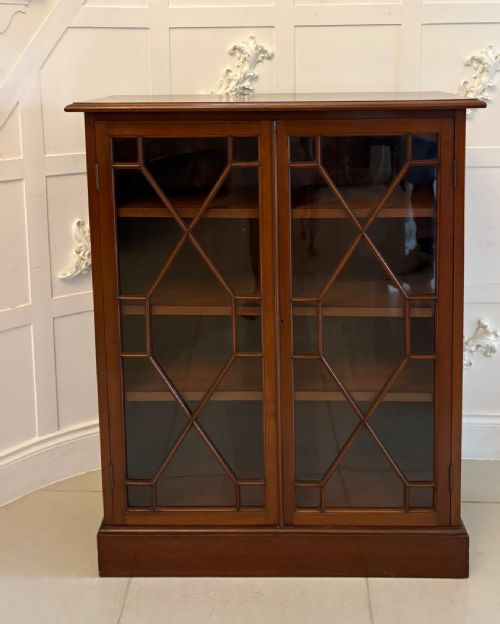
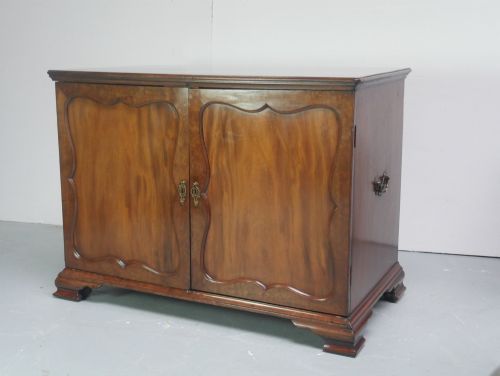
Georgian Low Cupboard
A georgian low cupboard offers compact utility and honest timber construction, bringing discreet period storage to modern rooms.
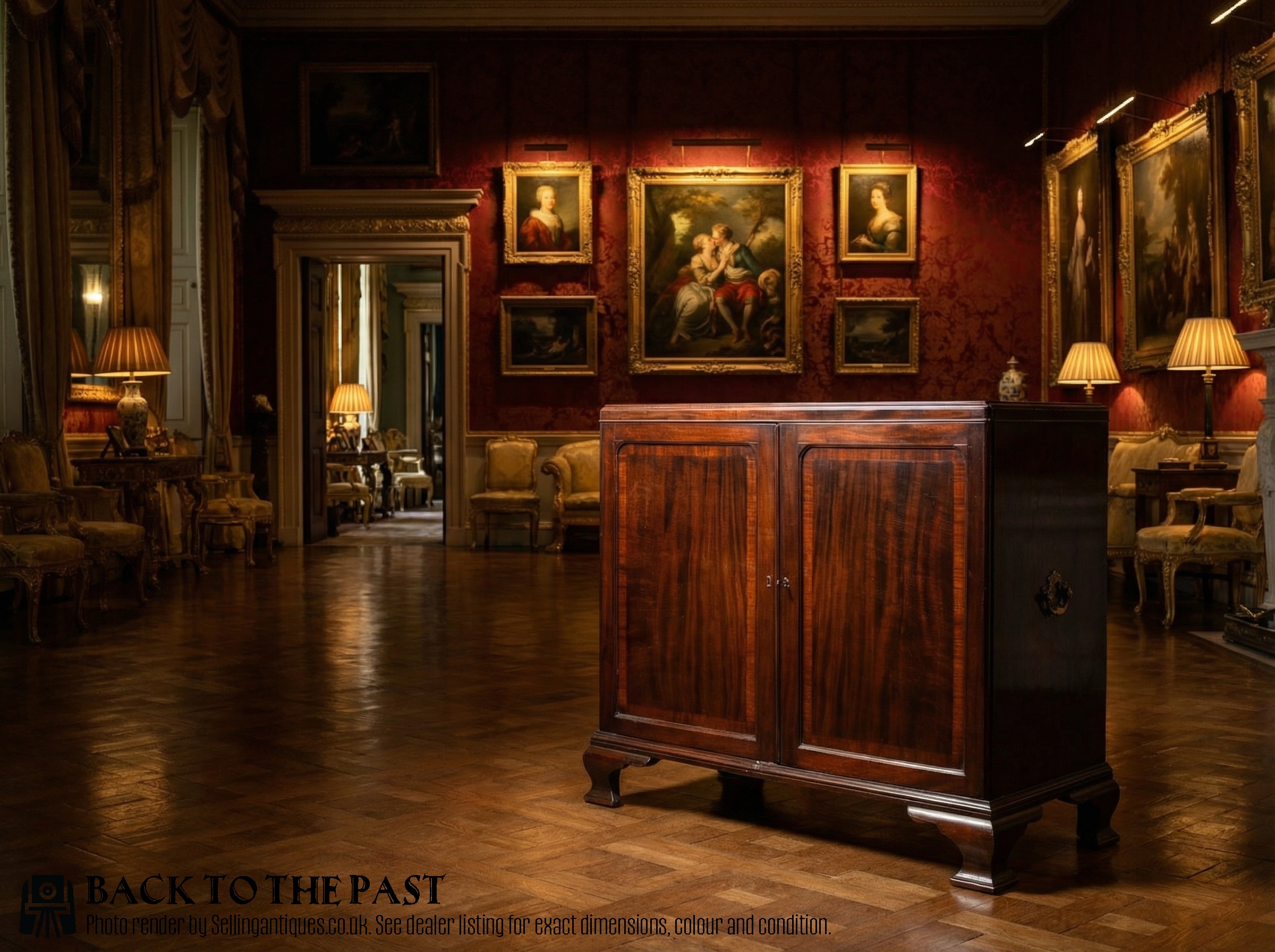
Georgian Low Cupboard
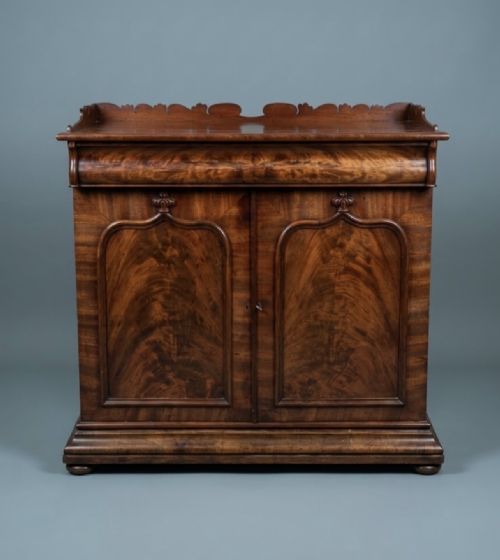
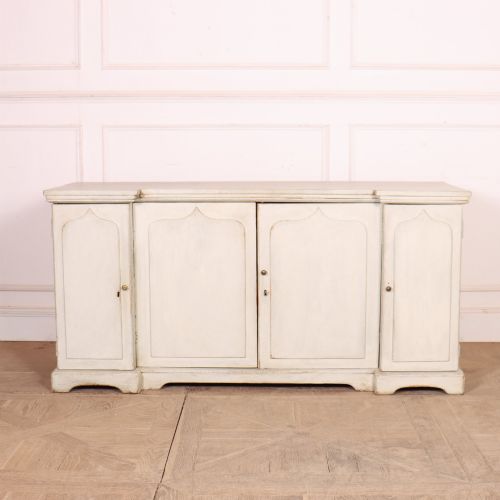
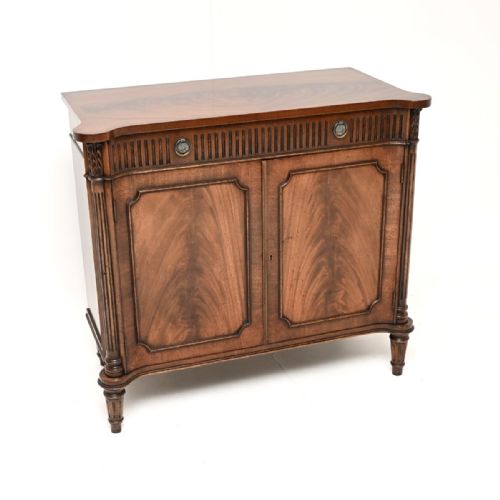
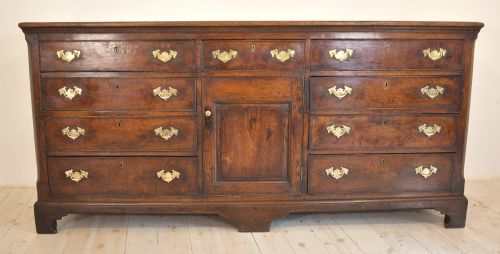
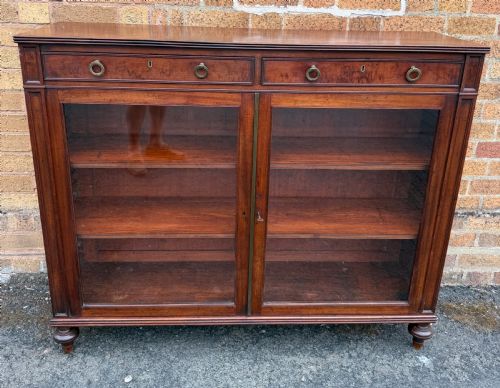
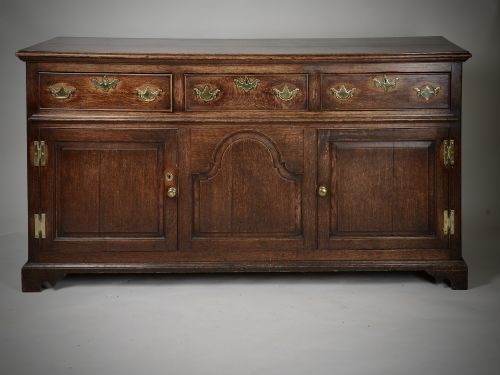
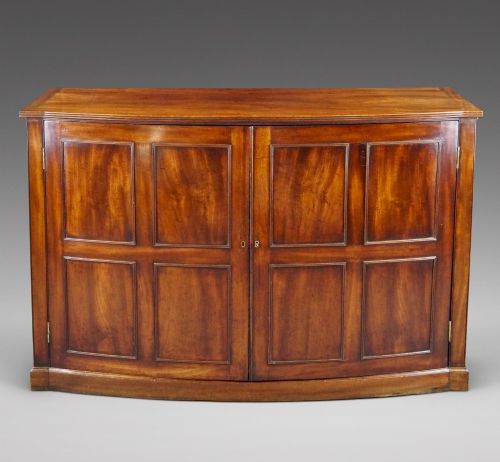
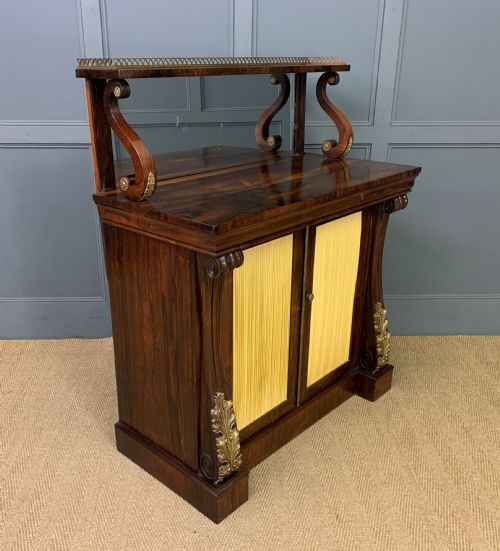
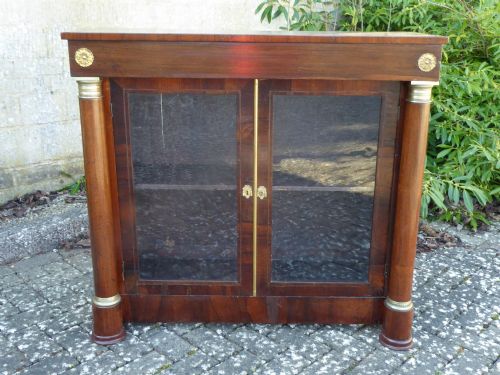
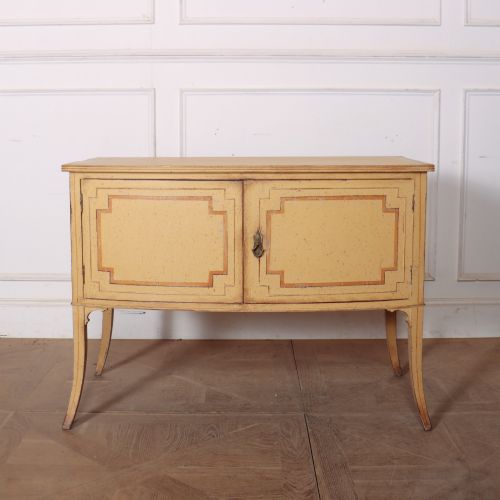
A georgian low cupboard represents a practical category of domestic storage designed with reduced vertical proportions. These items typically manifest as low dresser bases, press cupboards, bedside cabinets, and side cabinets originating across the eighteenth and nineteenth centuries.
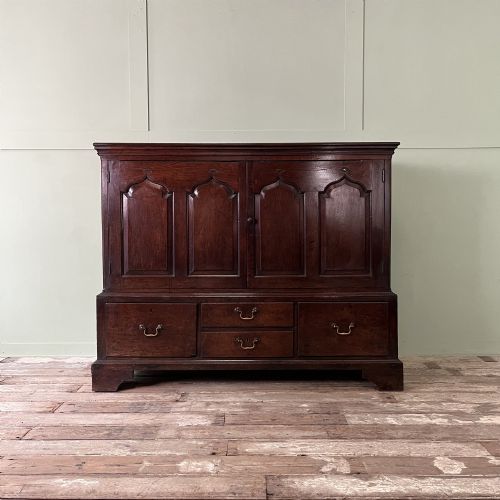
The versions most commonly met on this page span robust oak country pieces and refined mahogany urban examples. Buyers frequently encounter low linen presses, two-door side cabinets, and compact dwarf cupboards suited to contemporary placement.
Originating in English country houses, provincial workshops, and metropolitan cabinet makers, these utilitarian forms bridge the gap between architectural joinery and movable furniture.
How they were made
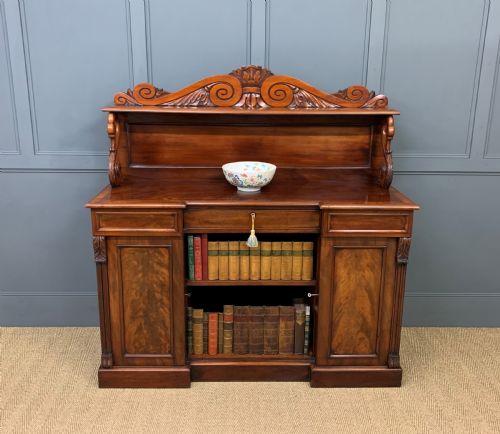
Cabinet makers relied principally upon solid oak and rich mahogany, frequently enhanced by flame mahogany veneer, burr elm marquetry, or rosewood. Timbers were selected for their grain pattern and seasoned carefully to prevent warping in domestic interiors.
Construction techniques combined traditional pegged mortise and tenon joints in country oak pieces with dovetail jointing and brass hardware in finer mahogany items. Surfaces were finished simply through wax polishing or French polishing to highlight the natural figure of the wood.
Object types span side cabinets, linen presses, dresser bases, and bookcases reflecting diverse regional English workshops.
What varies in quality
The tier of a piece depends heavily on the selection of timber and the ambition of the joinery. Prime examples utilise highly figured flame mahogany or dense burr elm, paired with thoughtful proportions and integrated internal drawers.
Design sophistication separates standard utility furniture from high workshop output. Pieces attributed to prominent makers or featuring delicate brass inlay, satinwood detailing, and well-executed mouldings occupy the upper end of the range.
Maple & Co·Gillows
The Georgian Low Cupboard Glossary
- Dresser base
- A low utilitarian table form featuring cupboards or drawers beneath a solid top, traditionally used in provincial kitchens and dining rooms.
- Press cupboard
- A dual-section storage item designed for linens and clothing, featuring sliding trays or shelves enclosed by panelled doors.
- Flame mahogany veneer
- A thinly sliced decorative timber layer displaying a fiery, undulating grain pattern applied to a stable secondary wood foundation.
- Breakfront
- A cabinet front where the central section projects forward from the flanking outer sections, creating architectural depth.
Georgian Low Cupboard: Frequently Asked Questions
What rooms suit a low cupboard?
These compact pieces fit easily into entrance halls, bedrooms, and living spaces where tall furniture would overwhelm the floor plan. Their reduced height allows the top surface to function comfortably for display.
Placing them beneath windows or alongside seating preserves sightlines while providing valuable enclosed storage for household items.
How do oak and mahogany differ?
Oak pieces generally reflect an English country aesthetic with sturdier pegged construction and visible grain texture. They carry a rustic warmth suited to informal interiors.
Mahogany examples often showcase finer urban cabinet work, smoother polished surfaces, and decorative veneers that suit formal drawing rooms.
Were these always used for linen?
While many low press cupboards were built specifically to store household linens on internal sliding trays, others served general storage needs. Bedside variants held chamber pots and night items.
Over time, owners adapted these flexible wooden cabinets to house modern belongings, books, and tableware.
How can I date a piece accurately?
Dating relies on observing construction methods, timber choices, and stylistic details such as bracket feet, mouldings, and hardware. Eighteenth-century pieces typically show hand-cut dovetails and pegged frames.
Later nineteenth-century iterations incorporate machine-sawn timber elements and different veneer application techniques alongside period revival styling.