





Georgian Lectern Desk
These georgian lectern desk pieces bring reading and writing stands together in mahogany and oak, built for studies and libraries.
Georgian Lectern Desk
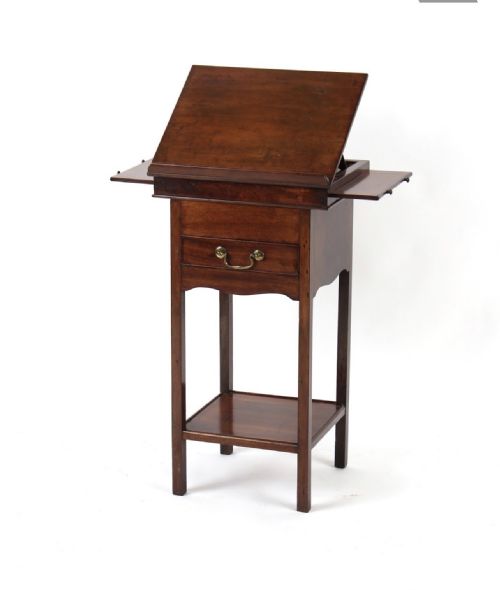
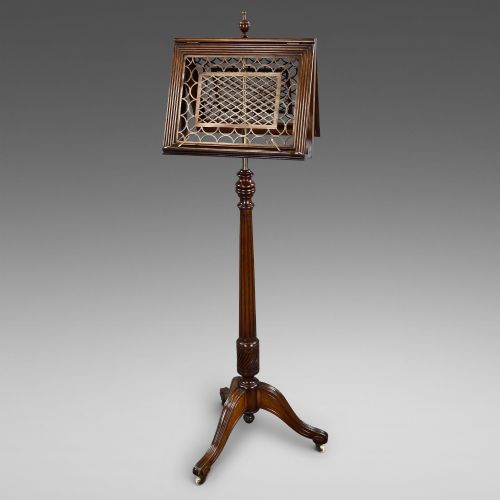
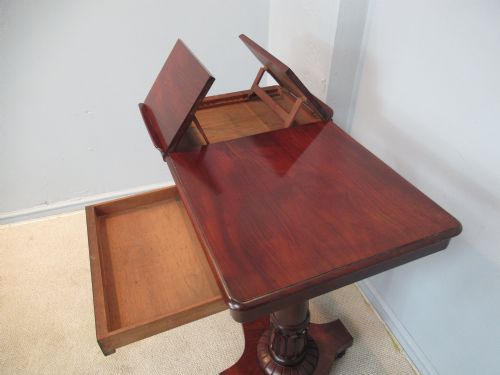
When you search for a georgian lectern desk, you meet adjustable reading tables, music stands, writing boxes, and clerk desks spanning the Georgian, Regency, and Victorian periods. Mahogany and oak dominate these forms, often featuring brass fittings or leather inserts designed for practical study.
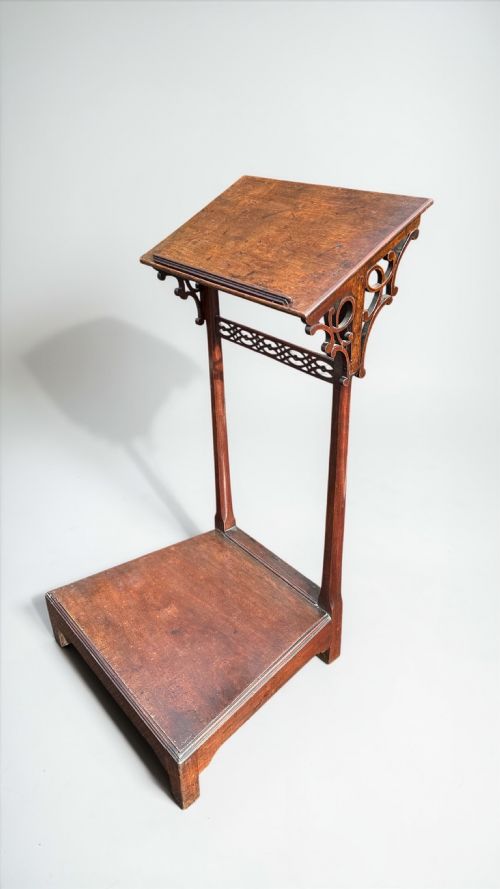
The most common pieces on this page are reading tables and music stands from the Regency and nineteenth century alongside larger clerk desks. These items range from devotional furniture such as prie-dieu stands to double-sided reading tables suited to libraries and studies.
How they were made
Cabinet makers utilised solid mahogany and oak, frequently adding rosewood veneers, boxwood stringing, and brass hardware to elevate the appearance of the piece. Leather surfaces provided durable writing areas on boxes and tables.
Adjustable mechanisms incorporated brass ratchets and pivoting mounts to alter the angle of reading stands and music tables. Fretted galleries and turned columns added structural support without adding unnecessary weight.
Georgian Lectern Desk Retail Price Guide 2026
Typical asking prices for georgian lectern desk among the pieces listed under this phrase on Sellingantiques today, from the lower quarter to the upper quarter. They describe what is for sale here now, not the wider market.
Listings span the Georgian, Regency, and Victorian periods, utilising mahogany, oak, rosewood, brass, and leather.
What varies in quality
Finer examples demonstrate precise joinery in the fretted music stands and tight grain matching in the mahogany and rosewood surfaces. Lesser pieces rely on simpler construction and coarser timber selection.
The sophistication of the adjustable mechanism distinguishes standard utilitarian tables from superior reading furniture. Original brass fittings and intact leather inserts elevate the overall standard of a piece.
Gillows
The Georgian Lectern Desk Glossary
- Duet Stand
- A music or reading stand designed to hold two scores or books simultaneously, often adjustable for height and angle.
- Prie Dieu
- A devotional kneeling desk or chair equipped with a sloping shelf for prayer books, originating in ecclesiastical contexts.
- Whatnot
- An open set of tiered shelves used for displaying or storing books and small objects, frequently combined with reading stands.
- Campaign
- Portable furniture built with brass corners and recessed handles for travel, adapted here in writing boxes.
Georgian Lectern Desk: Frequently Asked Questions
What is a georgian lectern desk used for?
These pieces were built to hold books, music sheets, and writing materials at a comfortable reading angle. They served scholars, musicians, and clerks in libraries and offices.
Many examples feature adjustable mechanisms to alter the height or slope for standing or seated work.
How do I tell Regency pieces apart?
Regency items often display classical proportions, rosewood veneers, and brass inlay reflecting early nineteenth-century taste. They lean towards lighter, more refined forms than earlier Georgian furniture.
Earlier pieces in the George III style tend to use solid oak or mahogany with robust structural framing.
Are music stands different from reading tables?
Music stands usually feature fretted or solid music desks designed to support heavy scores, sometimes with dual ledges for two players. Reading tables offer broader flat surfaces alongside tilting book rests.
Both forms frequently share adjustable brass ratchets and columns.
Where do I place one at home?
These pieces fit naturally beside armchairs in a study or library as working reading surfaces. Adjustable reading tables function well next to seating for holding books or laptops.
Music stands can hold open volumes or art folios as display furniture.