

Georgian Leather Desk Chair
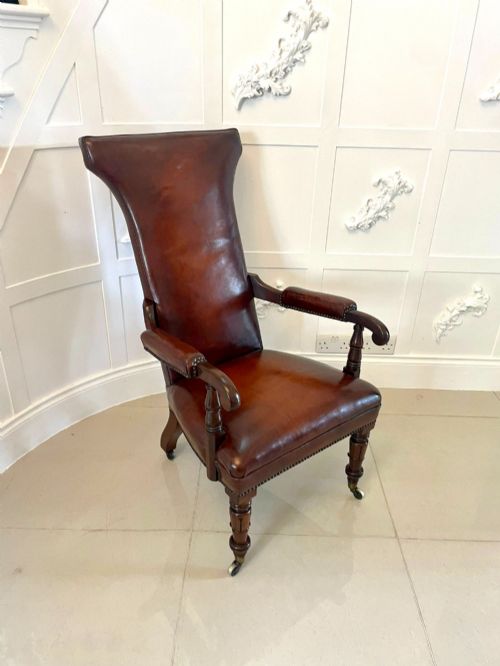
A georgian leather desk chair offers a sturdy wooden frame and supple hide seating built for daily study and writing.
Georgian Leather Desk Chair
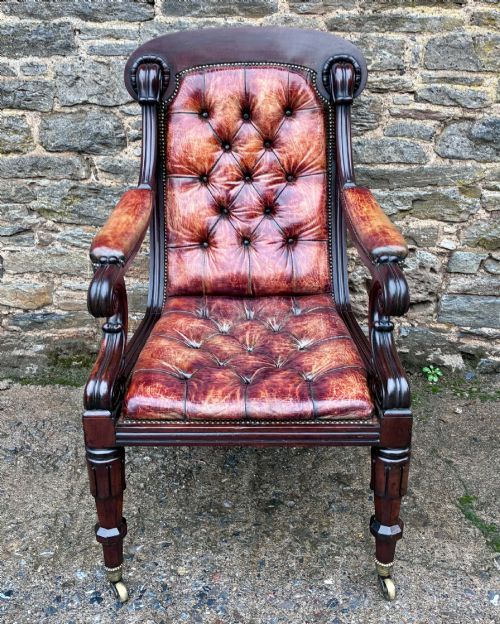
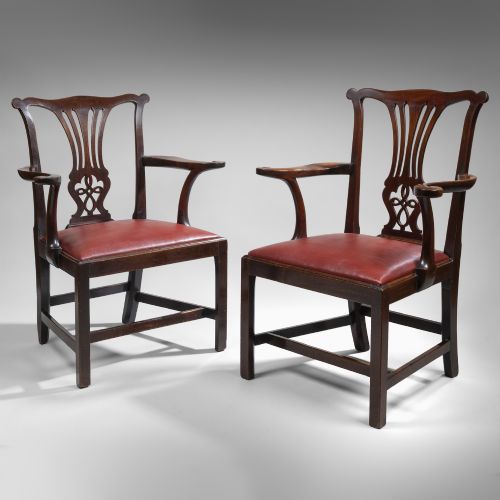
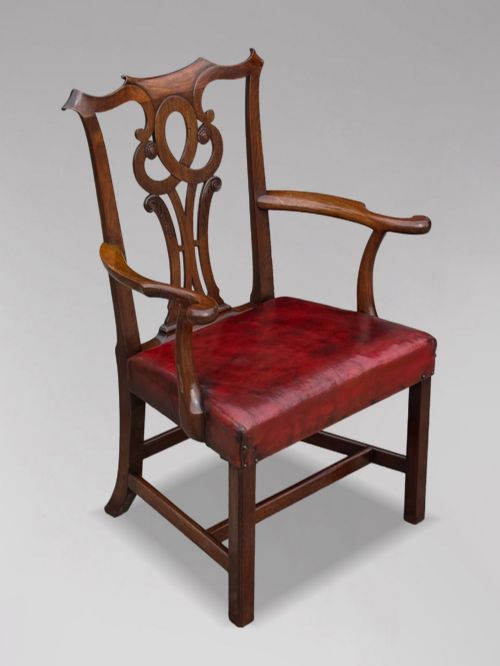
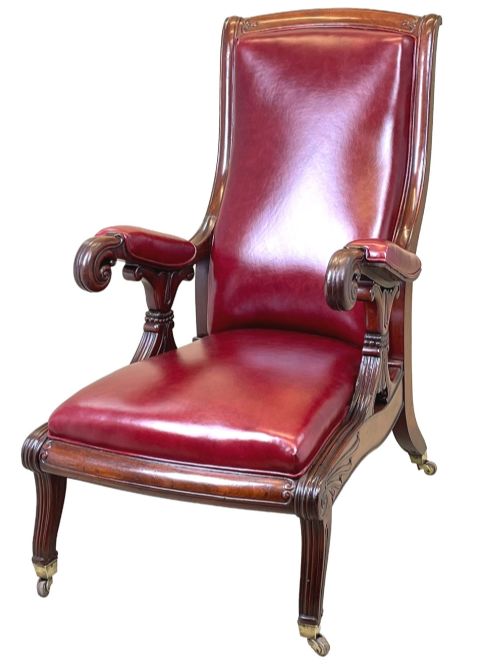
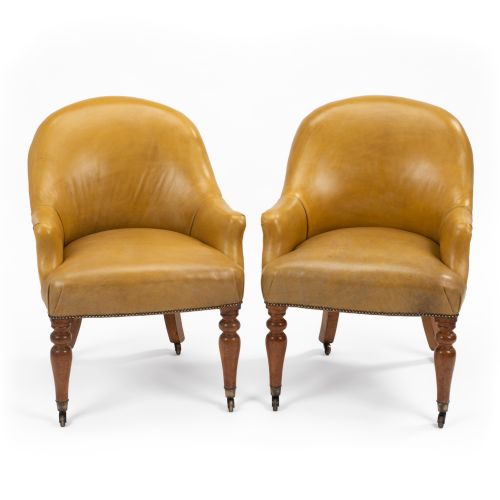
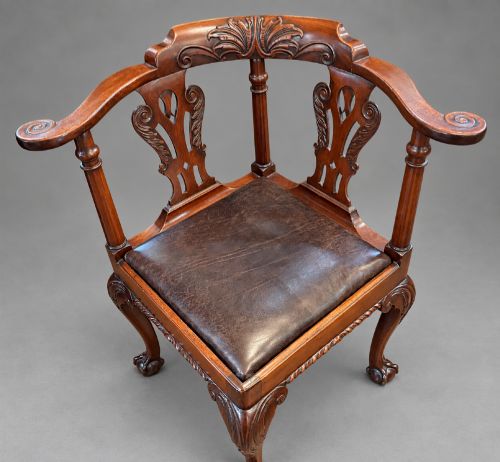
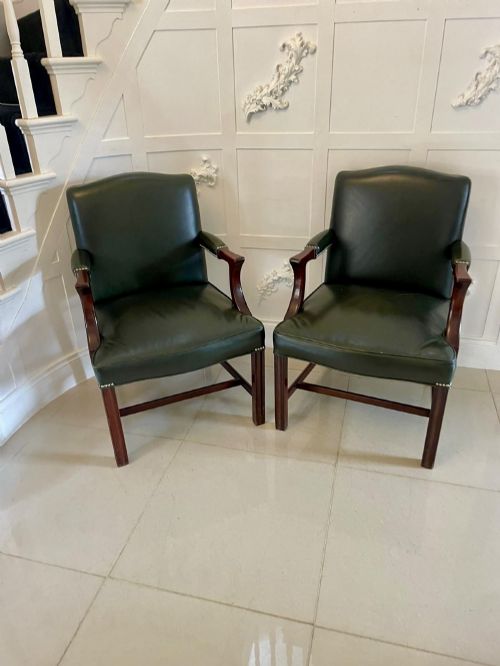
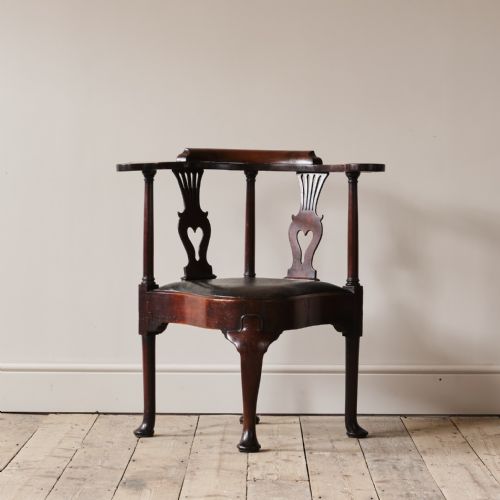
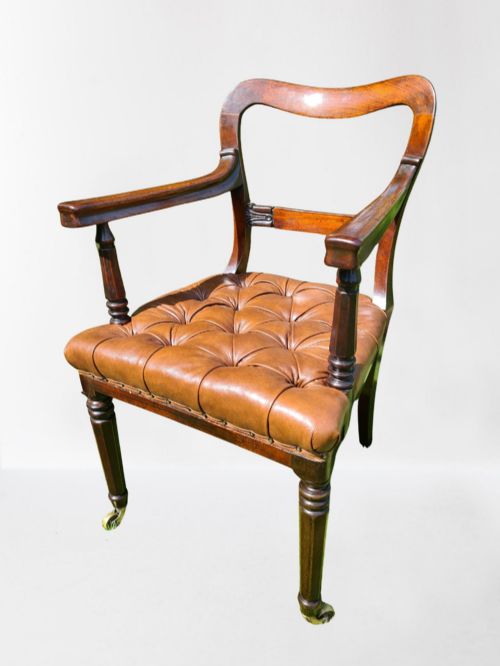
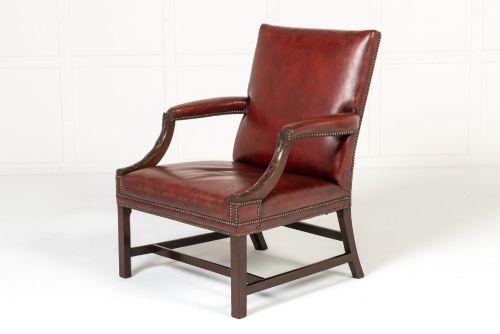
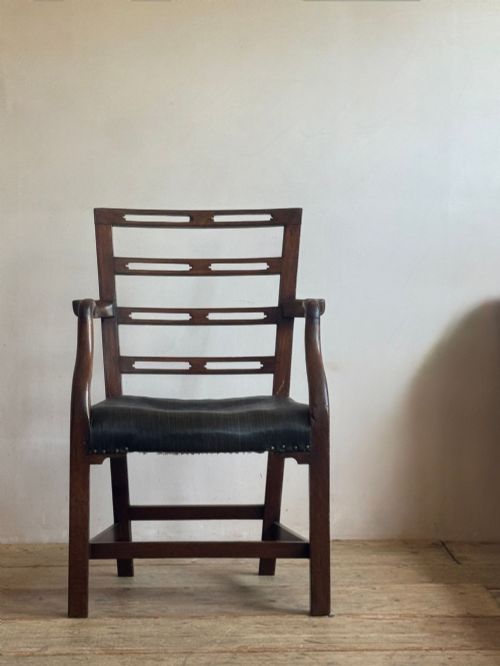
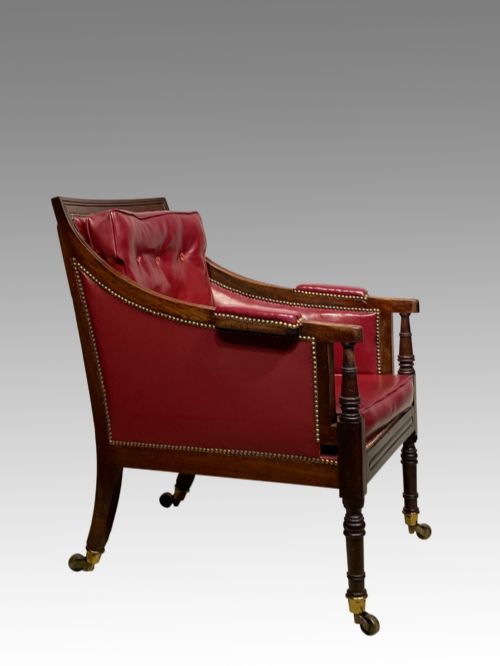
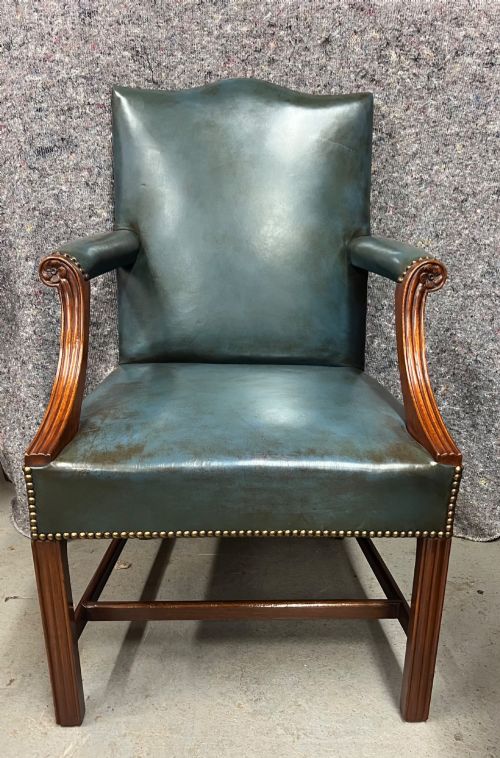
When you search for a georgian leather desk chair, you encounter robust seating designed for libraries, studies, and writing rooms. The forms span from generous Gainsborough armchairs to library chairs, elbow chairs, and corner chairs.
The versions most common on this page date from the eighteenth and nineteenth centuries, alongside later revivals from the twentieth century. Mahogany forms the primary structural timber, complemented by walnut, oak, and cane.
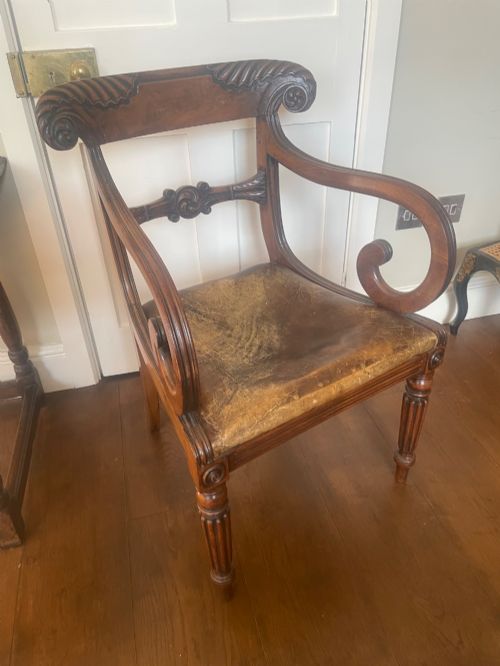
Makers shaped these seating options as armchairs, desk armchairs, and carvers intended for long hours at a desk. Leather upholstery in shades of green, red, and black defines the seating surface across the periods seen.
How they were made
Cabinet makers built the frames principally in mahogany and oak, often shaping the timber with hand-dyed English hide leather inserts. Brass studs secure the leather upholstery to the wooden seat rail, while carving adorns the arms and legs.
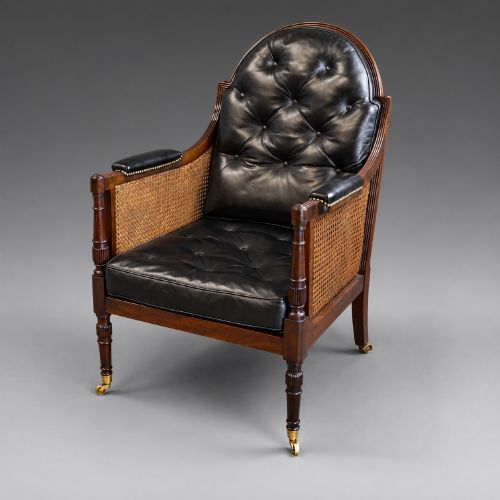
Cane work appears alongside leather on library bergère armchairs and William IV periods, providing a flexible backing. Joinery relied on traditional pinned mortise and tenon construction to withstand heavy daily use in offices and libraries.
Georgian Leather Desk Chair Retail Price Guide 2026
Typical asking prices for georgian leather desk chair among the pieces listed under this phrase on Sellingantiques today, from the lower quarter to the upper quarter. They describe what is for sale here now, not the wider market.
Period origins span the eighteenth century, the Regency era, and twentieth-century revival movements.
What varies in quality
The distinction between standard examples and the finest works rests on the depth of hand-carving on the mahogany frame and the quality of the hide. Pieces featuring blind fretwork, scroll arms, or robust proportions stand apart from plain variants.
The treatment of the leather upholstery dictates the visual appeal, with hand-dyed hide showing superior depth compared to flat modern substitutes. Frame integrity and the crispness of the original timber mouldings also separate ordinary pieces from exceptional ones.
Gillows
The Georgian Leather Desk Chair Glossary
- Gainsborough chair
- A wide, upholstered armchair with open padded arms, low back, and short cabriole or straight legs designed for writing desks.
- Bergère armchair
- An enclosed upholstered armchair featuring cane panels on the back and sides within a wooden frame.
- Library chair
- A substantial armchair with upholstered seat and back, built for comfort in institutional or domestic book rooms.
- Carver chair
- An armchair matching a set of smaller dining or side chairs, typically placed at the head of a table or desk.
- Cockfighting chair
- A low chair with a horseshoe-shaped backrest originally used for watching sports, featuring leather upholstery and a wooden frame.
Georgian Leather Desk Chair: Frequently Asked Questions
Were these chairs used at desks?
These seats served primarily in private libraries, studies, and writing rooms for administrative duties and reading. Their robust frames and padded leather surfaces provided necessary comfort for long hours of correspondence.
Over time, owners adapted library armchairs and Gainsborough chairs for daily desk work due to their supportive armrests and low profiles.
What is the difference between revival and original pieces?
Original pieces date from the eighteenth and early nineteenth centuries, displaying natural timber wear and period construction methods. Revival pieces, built around nineteen-hundred or nineteen-twenty, copy these earlier Georgian and Regency aesthetics.
Both categories utilise mahogany and leather, but period examples carry the specific patina and tool marks of historical cabinet makers.
How do I care for antique leather upholstery?
Maintain antique leather by keeping the hide away from direct heat sources and strong sunlight to prevent drying and cracking. Gentle dusting with a dry cloth preserves the surface finish.
Avoid modern chemical cleaning agents, relying instead on traditional leather balms recommended for antique hide. Regular gentle conditioning keeps the leather supple across decades of use.