






Georgian Knopped Glass
Georgian knopped glass vessels bring eighteenth-century drinking traditions into the hand with heavy lead crystal and tactile stems.
Georgian Knopped Glass
Georgian knopped glass encompasses drinking vessels and stemware produced primarily during the eighteenth century, alongside occasional later revivals. Buyers encounter wine glasses, gin glasses, rummers, and patch stands carrying distinct structural nodes upon their stems.
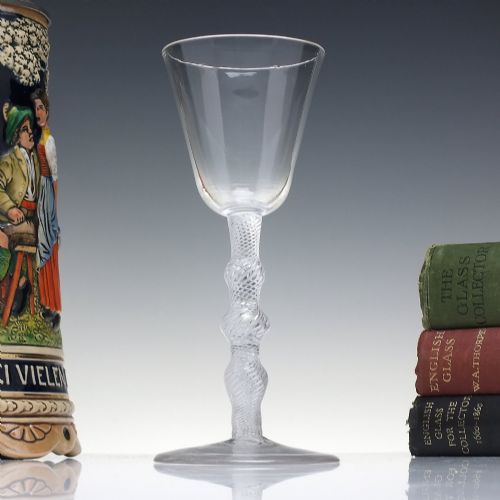
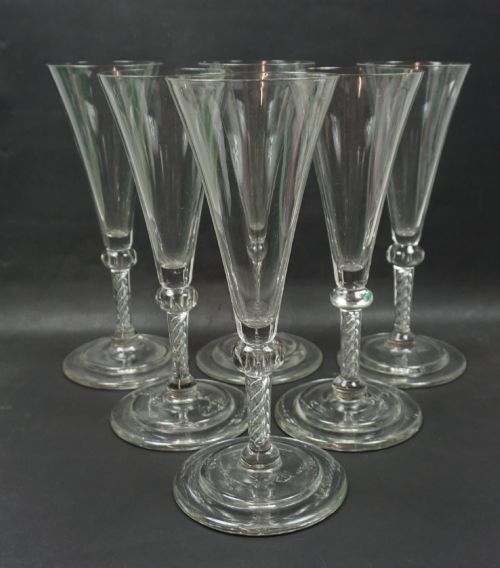
The dominant forms on this page belong to the Georgian period, featuring heavy lead crystal and hand-blown manufacturing methods. Examples range from early baluster wine glasses with solid proportions to lighter air twist and opaque twist stems.
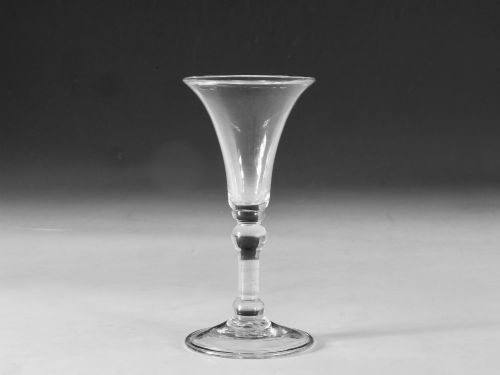
Stem construction defines the category, utilising single, double, or triple knops to add grip, weight, and visual decoration. Bowls vary from bell and pan shapes to cup bowls and honeycombed moulds, originating from English and Continental workshops.
How they were made
The objects are formed from lead glass and clear glass, shaped by hand-blowing molten metal into required forms. Craftsmen utilised lead crystal to achieve greater brilliance, weight, and clarity in the finished drinking vessels.
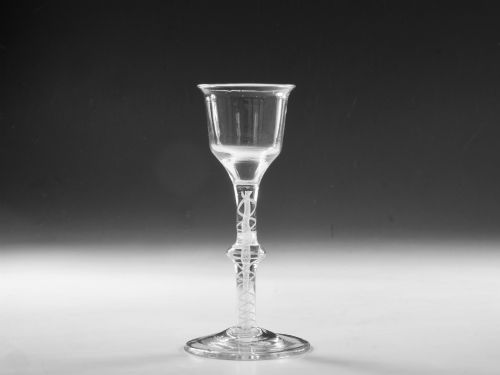
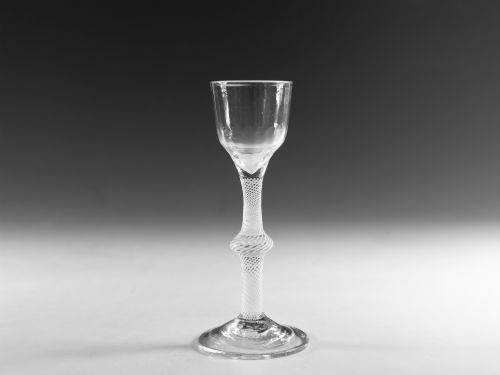
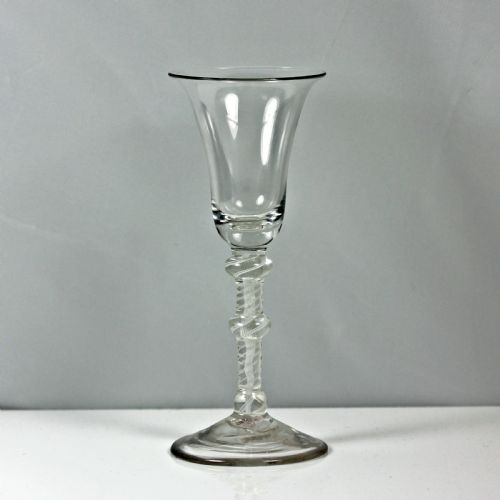
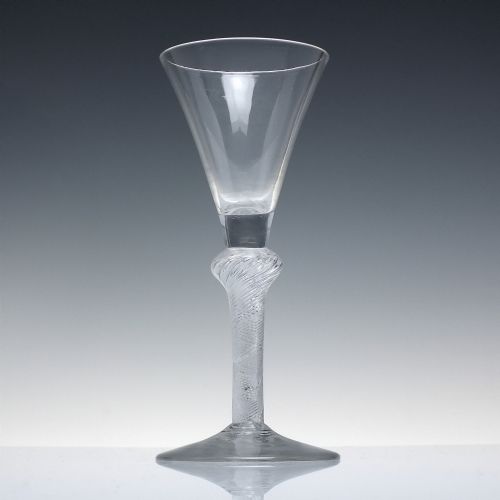
Stems incorporate internal optical tricks such as air twists and opaque enamel threads drawn through the glass while hot. Rib moulding, nut moulding, and honeycombing provide surface texture to bowls, whilst cutting and engraving finish specific pieces.
Georgian Knopped Glass Retail Price Guide 2026
Typical asking prices for georgian knopped glass among the pieces listed under this phrase on Sellingantiques today, from the lower quarter to the upper quarter. They describe what is for sale here now, not the wider market.
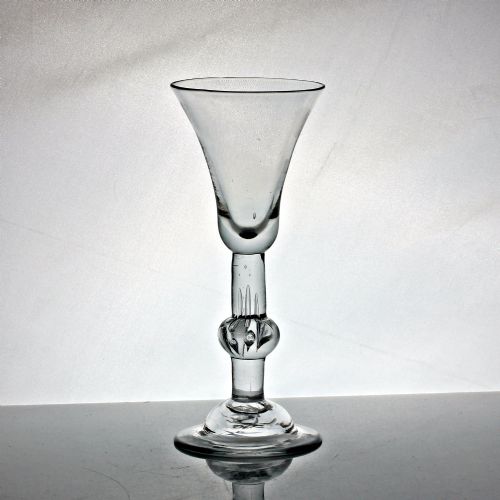
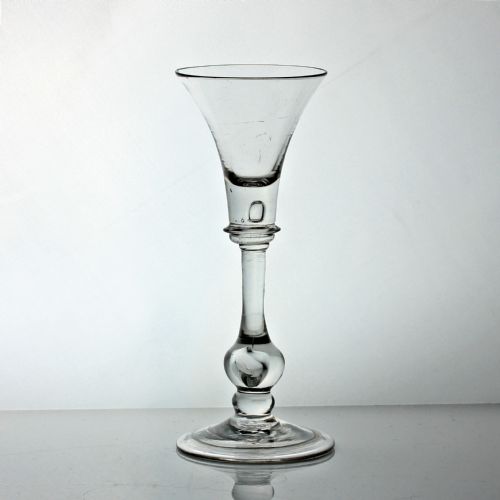
Several glasses on this page feature tiny trapped air bubbles called tears, deliberately preserved inside the knops by eighteenth-century blowers.
What varies in quality
The quality of these glasses rests upon the balance of the metal, the precision of the internal twist or knop formation, and the crispness of any engraved decoration. Superior pieces display heavy lead crystal with resonant clarity and deliberate weight distribution from foot to rim.
Complexity in stem design separates ordinary examples from finer specimens, particularly multi-series twists and multiple knops executed without distortion. The integrity of the bowl shape and the stability of the folded or terraced foot complete the assessment.
The Georgian Knopped Glass Glossary
- Knop
- A prominent swelling or bulbous protrusion on the stem of a glass. This feature provides a tactile grip and decorative break in the silhouette.
- Air twist
- A decorative stem formation containing spiral channels of trapped air inside the glass. Makers created these by drawing and twisting heated glass rods.
- Opaque twist
- A stem containing threads of white enamel glass twisted within clear crystal. These threads form single or multi-series patterns running through the shaft.
- Baluster
- A heavy, thick stem style popular in the early eighteenth century, often featuring ball, acorn, or knop shapes derived from architectural forms.
- Rummer
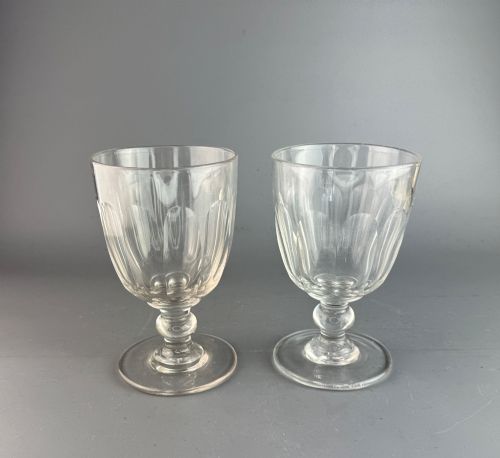
- A large, robust drinking glass with a thick bowl and short stem used for beer, wine, or punch. These vessels appear frequently in later Georgian and Victorian contexts.
Georgian Knopped Glass: Frequently Asked Questions
How do air twist and opaque twist glasses differ?
Air twist glasses contain fine spiral channels of trapped air running through the transparent stem. Opaque twist glasses substitute these air channels for white enamel threads embedded in the clear crystal.
Both techniques required precise manipulation of molten metal by the glassblower to maintain regular spiral patterns.
What were patch stands used for?
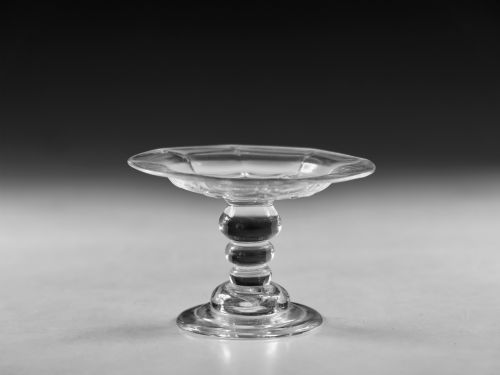
Patch stands are small, elevated glass dishes designed to hold cosmetic beauty patches worn on the face during the eighteenth century. They sat on dressing tables alongside other personal accessories.
Miniature examples feature delicate knopped stems and terraced feet mirroring contemporary wine glass forms.
How can you tell an 18th century glass from a later reproduction?
Eighteenth-century pieces exhibit the characteristic weight, tool marks, and pontil scars associated with hand-blown lead crystal production. Variations in metal consistency and bubble distribution reflect period manufacturing methods.
Later revivals often present different stem proportions and standardised finish work lacking the individual quirks of early glass.