



Georgian Kitchen Treen
Georgian kitchen treen brings warmth and domestic history to a modern interior through honest, turned wooden utensils shaped by generations of daily use.
Georgian Kitchen Treen
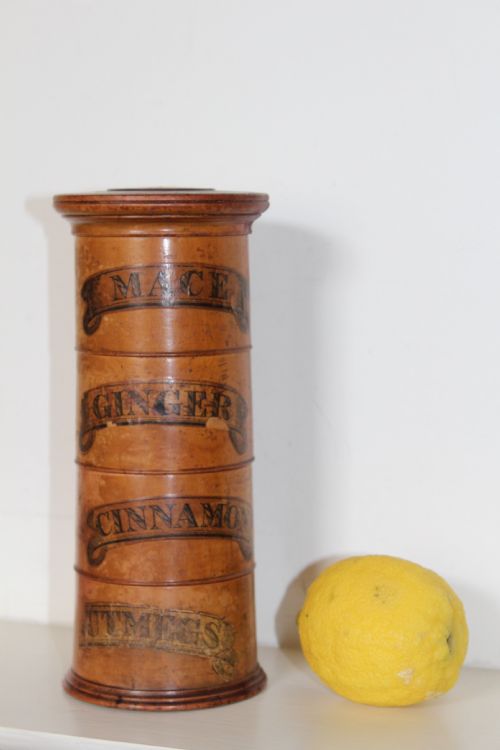
The objects span practical kitchenalia including spice towers, mortars, and spoon racks from the eighteenth and nineteenth centuries. These pieces carry the marks of domestic labour, showing how households processed spices, herbs, and dairy before the age of mass manufacturing.
Rural traditions strongly influence these items, with regional pieces displaying straightforward construction suited to country kitchens. You will find that walnut, oak, and fruitwood dominate the forms, reflecting the materials accessible to local turners and joiners.
Materials and Making
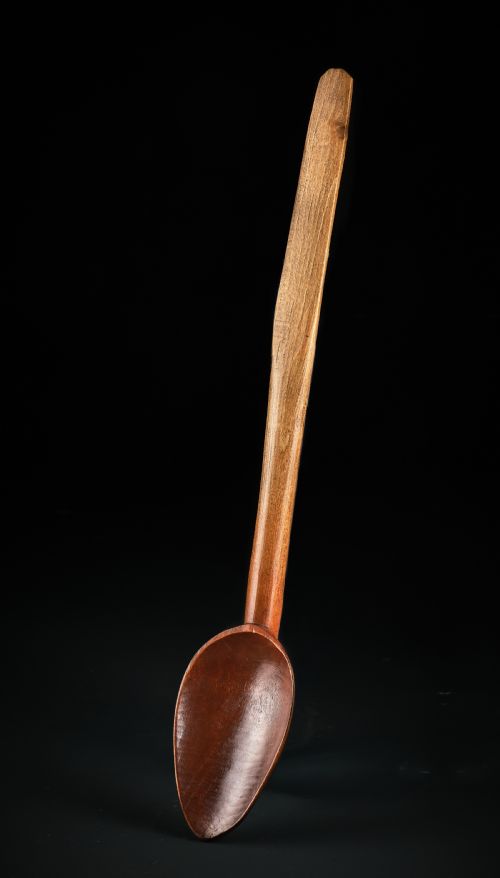
Makers utilised dense hardwoods such as boxwood, fruitwood, walnut, and sycamore to withstand the rigours of food preparation. Turning on a lathe formed circular vessels like mortars and spice towers, while hand-carving shaped bowls and spoons.
Construction methods relied on seasoned timber chosen for grain stability and resistance to splitting during heavy pounding or chopping. Metal components occasionally appeared on graters and squeezers, providing functional strength where wood alone would fail.
Listings feature items fashioned from boxwood, fruitwood, walnut, oak, and mahogany across the eighteenth and nineteenth centuries.
Judging Quality
Quality rests upon the crispness of the original turning and the preservation of the surface patina built through decades of handling. Superior examples maintain their structural integrity without excessive shrinkage or loss of distinct architectural details on items like spice towers.
The choice of timber significantly affects the character of the piece, with dense fruitwoods and figured walnut commanding greater appreciation than utility softwoods. Evidence of skilled hand-shaping rather than crude execution separates standard domestic utensils from finer examples.
The Georgian Kitchen Treen Glossary
- Treen
- Small handmade wooden domestic objects. The word originates from the old term for tree.
- Searce
- A fine sieve or bolter used for separating flour or sifting powdered spices. These cloth or mesh items required sturdy wooden frames.
- Mortar
- A heavy bowl in which substances are crushed or ground with a pestle. Walnut and sycamore were common choices for these hard-wearing vessels.
- Truckle
- A small wheel or roller attached to a stand or cheese board for ease of movement. This mechanism allowed heavy items to rotate smoothly on a dining table.
- Spice tower
- A stacked multi-compartment container used for storing various culinary powders. Turned wooden threads or interlocking sections kept the contents secure.
Georgian Kitchen Treen: Frequently Asked Questions
What is kitchen treen?
Kitchen treen encompasses everyday wooden household implements used for preparing, storing, and serving food in past centuries.
These items range from spice towers and mortars to spoon racks and lemon squeezers, all carved or turned from solid timber.
How do I care for wooden kitchenware?
Keep wooden objects away from direct heat sources and drastic temperature changes to prevent the timber from splitting or warping.
Clean surfaces gently with a damp cloth and occasionally treat the wood with natural food-safe oils to preserve the dry, patinated finish.
What woods were used for kitchen treen?
Turners selected dense, close-grained hardwoods such as boxwood, fruitwood, walnut, beech, and sycamore for daily culinary tasks.
These timbers offered the necessary strength to resist moisture and endure heavy physical use like pounding herbs and spices.
How can I tell the age of these pieces?
Dating relies on observing tool marks, timber shrinkage, construction methods, and the natural wear patterns accumulated over generations of use.
Stylistic cues from specific periods, such as Georgian turning profiles, also help establish the approximate era of manufacture.
Were these items purely decorative?
These pieces served strictly practical functions in domestic kitchens before modern metal and plastic utensils became widely available.
Every spice tower, grater, and mortar was designed to assist with cooking, food preservation, or storage in the home.