



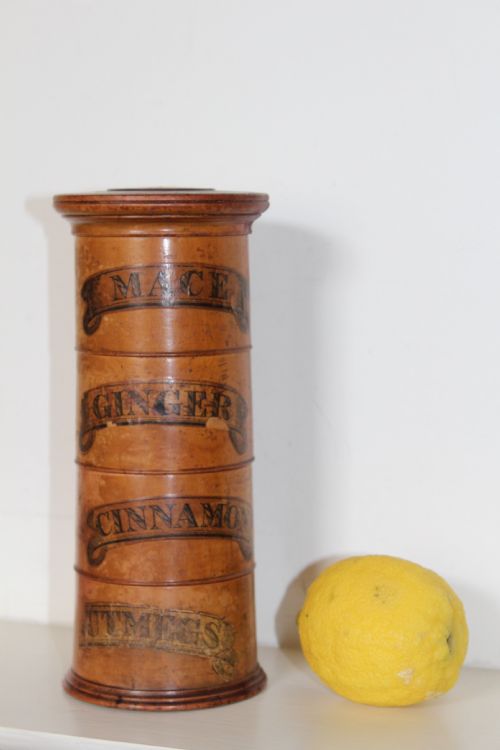
Georgian Spice Container
A georgian spice container brings tactile warmth to a room, offering turned timber vessels and silver graters crafted to store aromatic flavours.
Georgian Spice Container
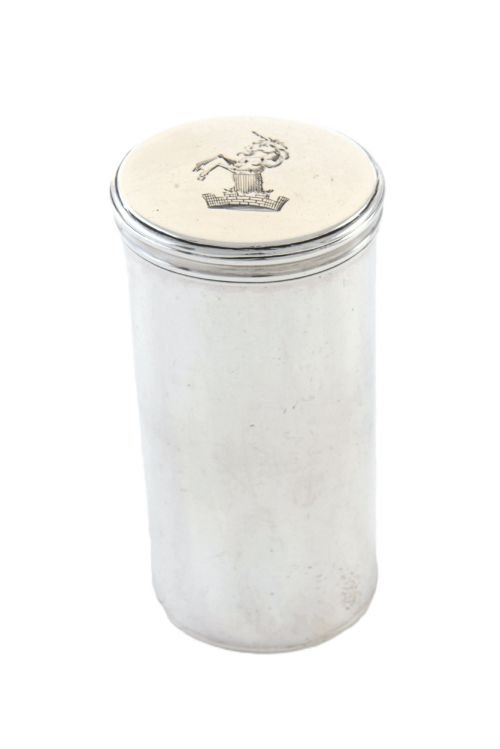
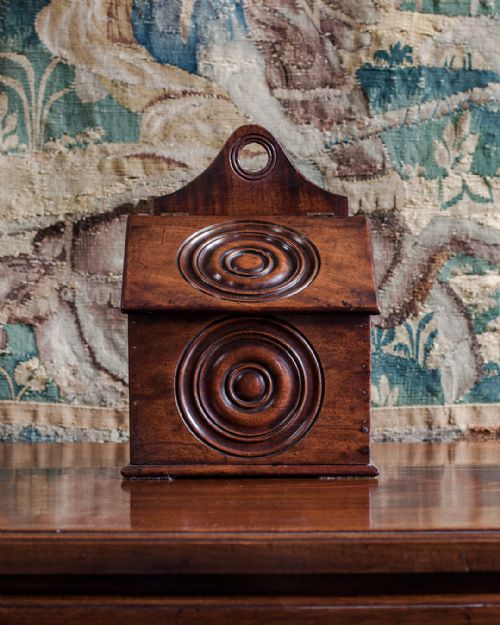
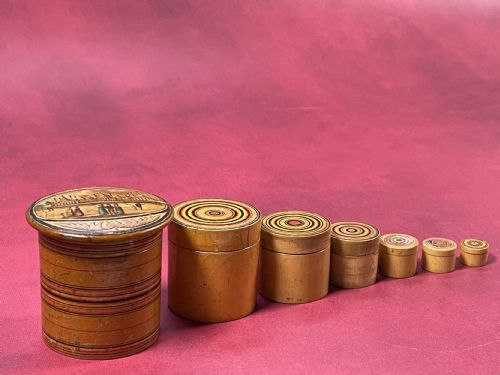
When you search for a georgian spice container, you are looking at small functional items designed for domestic kitchens and dining tables. These pieces encompass turned treen towers, lidded pots, and fitted boxes meant for holding dried seasonings.
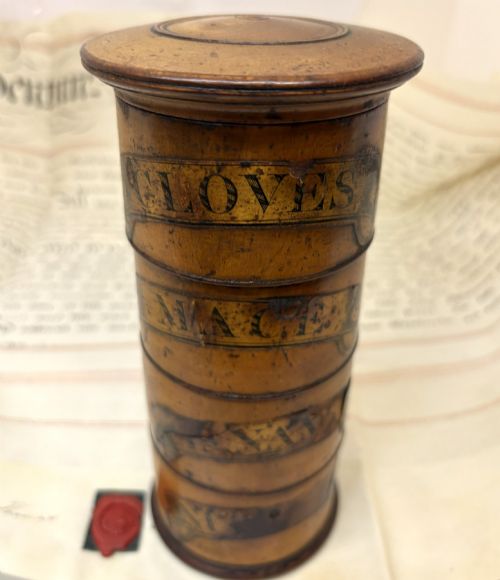
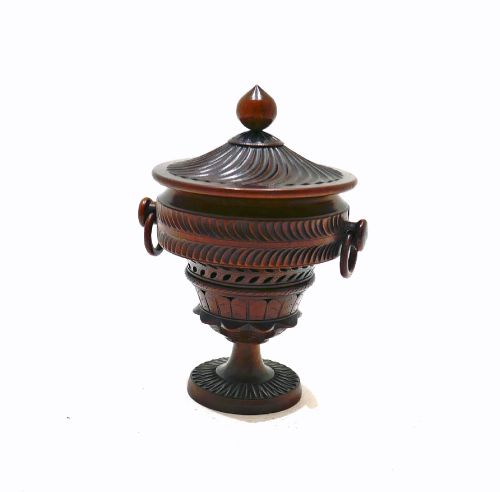
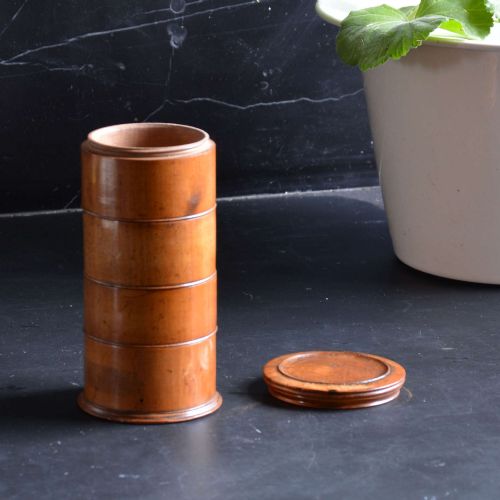
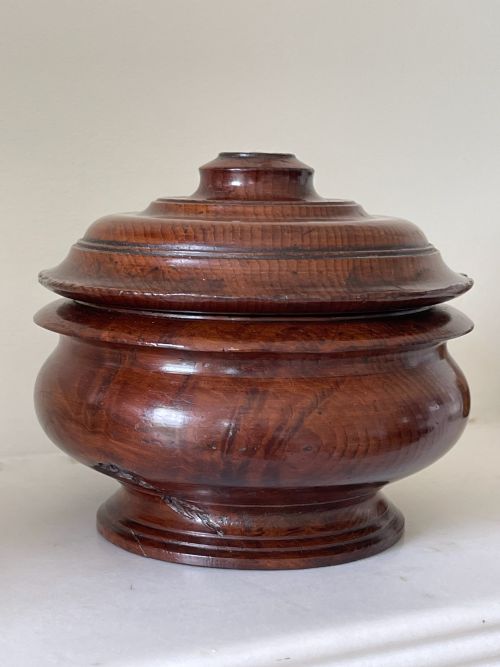
On this page, the version you are most likely to meet is a multi-tiered wooden spice tower or a turned fruitwood vessel. These items originate from the Georgian and 19th Century periods, reflecting the era's reliance on imported spices.
How they were made
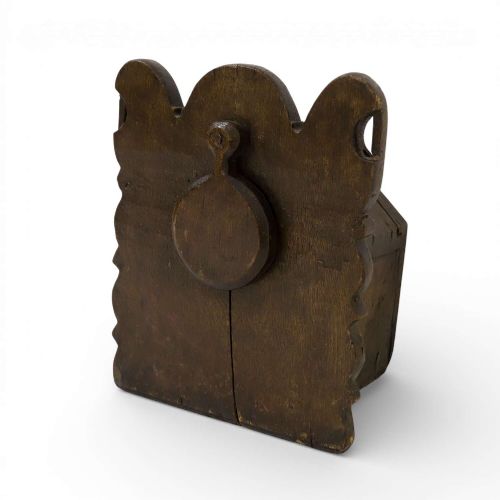
Maker workshops turned dense hardwoods like boxwood, fruitwood, and mahogany on a lathe to create modular stacking compartments. Metal components such as sterling silver graters and iron hardware were integrated into silver items and salt boxes.
Surface treatments included painted traces and plain polished timber finishes. Joinery relied on traditional pegging and fitted turned flanges to keep individual sections secure.
Multi-tiered spice towers stack together like miniature wooden pagodas, hiding powdered kitchen secrets inside secret compartments.
What varies in quality
The standard of a piece depends on the precision of the woodturning and the integrity of the stacking tiers. Tighter grain selection and well-preserved original hardware distinguish finer examples from plain utilitarian containers.
Makers who utilised high-grade boxwood or sterling silver produced vessels with sharper architectural profiles and cleaner threadwork on threaded joints. Lesser examples show heavy wear, lost components, or replaced metal fittings.
The Georgian Spice Container Glossary
- Treen
- Small handmade wooden objects for domestic use. This term covers everything from spice towers to lidded cups.
- Spice Tower
- A multi-tiered turned wooden container with stacking compartments. These allowed households to store several different seasonings in a single vertical unit.
- Nutmeg Grater
- A small handheld device used to grate hard spices at the table. Silver examples often incorporate a hinged compartment for storing the whole nut.
- Boxwood
- A dense, pale hardwood prized by turners. Its fine grain permits intricate, sharp details on small vessels.
Georgian Spice Container: Frequently Asked Questions
What is a spice tower?
A spice tower is a multi-tiered wooden vessel designed with stacking compartments to hold various powdered seasonings in a single compact shape.
These pieces were kept close at hand for daily meal preparation and dining use.
How were these containers used?
They sat on tables or in kitchens to store and dispense valuable flavorings like nutmeg, cinnamon, and pepper.
The tight-fitting wooden tiers helped protect volatile aromas from escaping into the damp air.
What woods do collectors look for?
Turners utilised dense native hardwoods such as boxwood, fruitwood, mahogany, and yew.
These timbers offered the stability needed to turn thin, hollow sections without warping.
How do silver and wooden pieces differ?
Silver pieces functioned primarily as graters or small condiment pots with hinged lids, often bearing hallmarks.
Wooden treen containers focused on modular storage through stacking tiers and turned lids.