

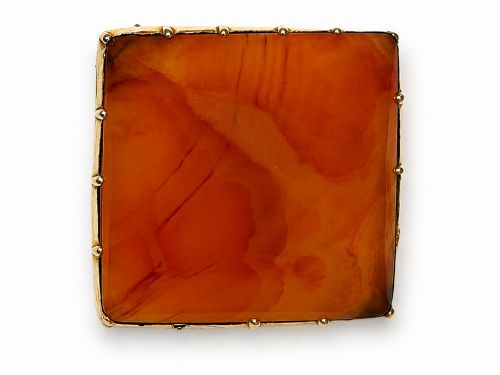


Georgian Jewellery Brooch
These georgian jewellery brooch pieces combine gold, silver, paste glass, and hardstone into wearable miniature artworks from past centuries.
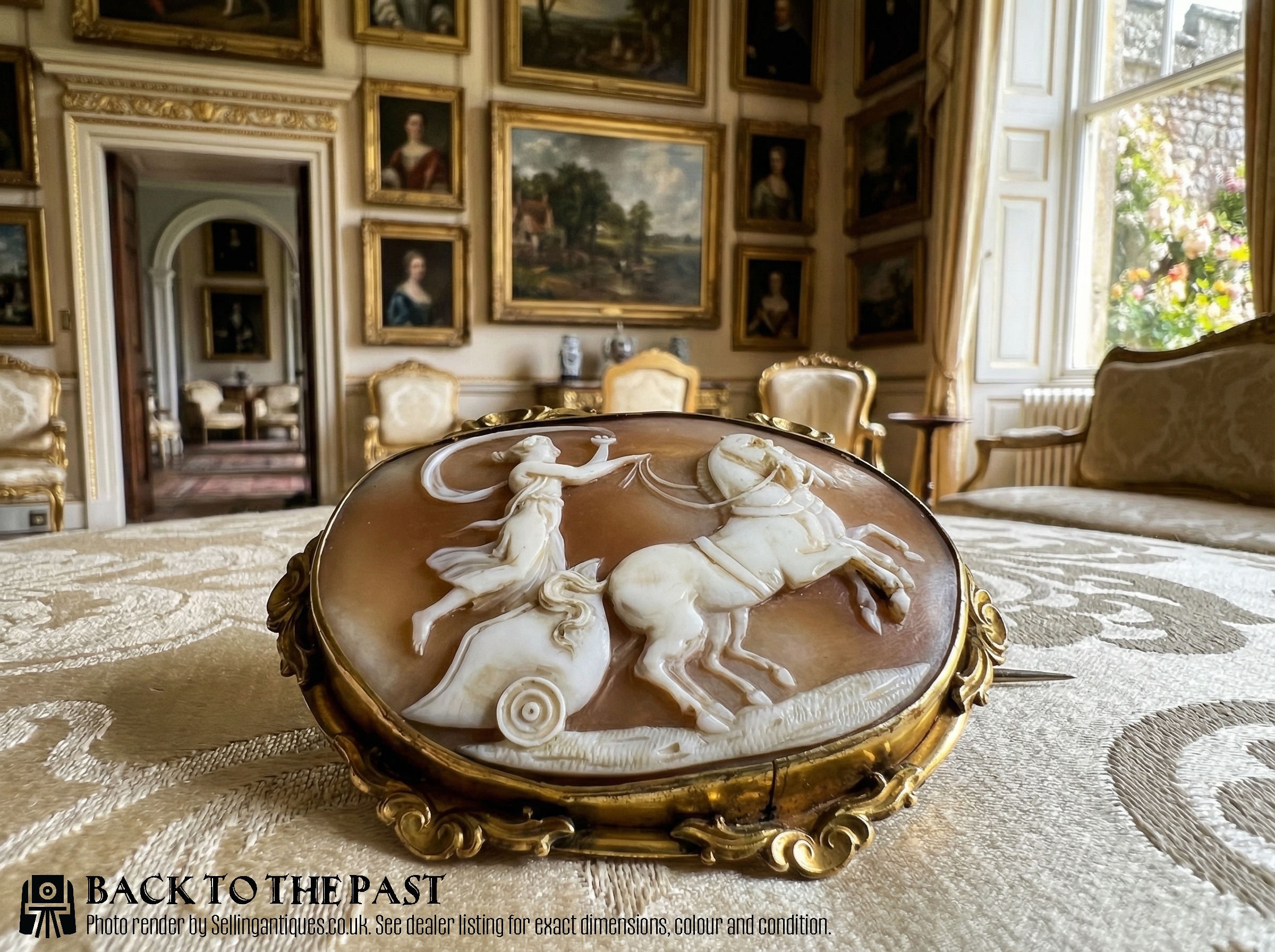
Georgian Jewellery Brooch
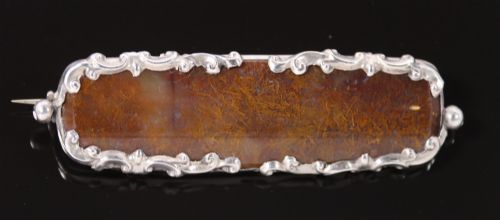
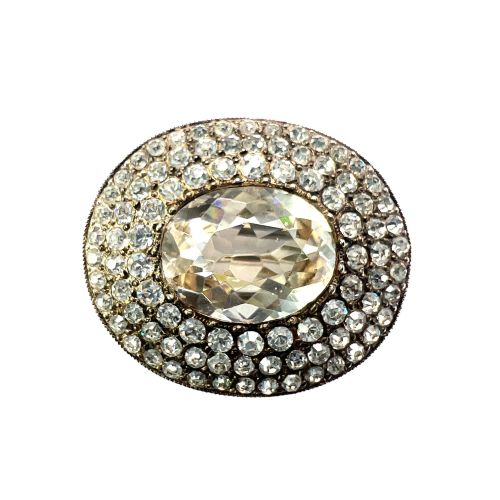
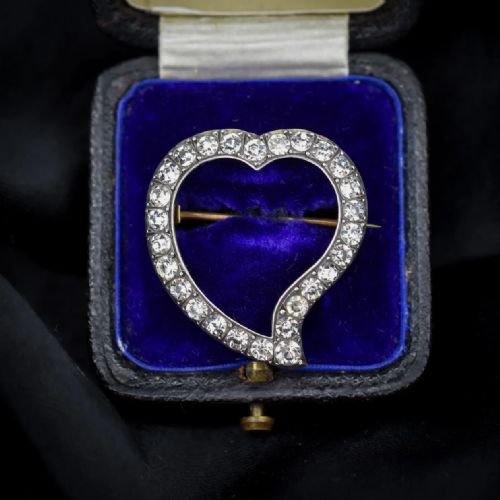
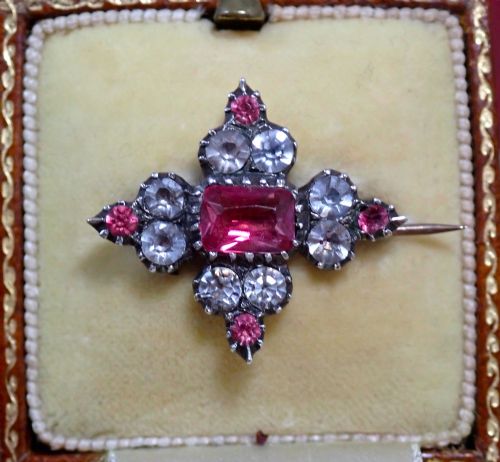
When you search for a georgian jewellery brooch, you encounter intricate miniature portraits, hairwork mementos, and paste gemstone settings from the eighteenth and nineteenth centuries. These pieces encompass silver and gold frames holding moss agate, carnelian, shell cameos, and foiled paste stones. The selection ranges from severe mourning jewellery containing human hair to colourful flower baskets and sentimental love tokens.
The objects on this page bridge the Georgian, Regency, and early Victorian periods, often showing crossover styles like Neoclassical motifs or Edwardian interpretations. You will find small lace pins alongside larger statement brooches set with rose diamonds, flat cut garnets, and imperial pink topaz. Each surviving piece offers a direct physical link to the personal adornment of the era.
Quality differences
Proportion and structural integrity also separate standard items from exceptional survivals. Better pieces retain their original pin fittings, well-balanced proportions, and undamaged foil layers that emit a lively internal glow. Lesser pieces may show heavy solder repairs, replacement stones, or worn settings that obscure the original design.
Materials span natural gemstones like imperial pink topaz alongside hand-cut paste glass and carved shell cameos.
Christian Friedrich Zincke·John Miers
The Georgian Jewellery Brooch Glossary
- Paste
- High-refractive glass hand-cut and polished to imitate gemstones. It was valued in its own right during the period for its brilliance.
- Foiled
- A thin sheet of coloured metal placed beneath a transparent stone to enhance its colour and reflectivity. This technique gives Georgian paste its distinct depth.
- Giardinetti
- A jewellery design translating to little garden, depicting flowers in a vase or basket using various coloured stones. These pieces are typically symmetrical and vibrant.
- Mourning brooch
- A memorial piece intended to commemorate a deceased person, frequently incorporating woven human hair, seed pearls, or painted miniatures. They often bear inscriptions on the reverse.
- Flat cut garnet
- Garnets sliced thin with faceted surfaces rather than deep pavilion cuts, characteristic of eighteenth-century and early nineteenth-century work. They are usually set in closed-back gold or silver collets.
Georgian Jewellery Brooch: Frequently Asked Questions
What is a georgian jewellery brooch made from?
These brooches utilise gold, silver, pinchbeck, and gilt metal combined with organic materials like shell, carnelian, moss agate, and human hair.
Gemstones and glass paste provide colour and sparkle, often supported by foil backings to enrich their visual impact.
How do I date a georgian jewellery brooch?
Dating relies on stylistic clues such as Neoclassical motifs, closed-back stone settings, hand-cut paste, and the presence of miniature portraits or mourning hairwork.
Overlaps with Regency and early Victorian aesthetics appear frequently, as jewellery production techniques evolved slowly across these decades.
How were mourning brooches used?
Mourning brooches served as personal tributes worn to remember deceased family members or public figures, keeping the memory of the individual close to the wearer.
They often contained locks of braided hair, painted ciphers, or miniature portraits paired with pearls symbolising tears.
How do I care for antique paste jewellery?
Antique paste jewellery requires protection from moisture because water seeping behind the stones can ruin the delicate metal foils that create their characteristic glow.
Gentle cleaning with a dry cloth is sufficient, avoiding chemical dips and ultrasonic cleaners that damage historic settings and adhesives.