


Gold Framed Cameo
A gold framed cameo brings classical relief carving to interior display or personal adornment, combining miniature artistry with precious metal settings.
Gold Framed Cameo
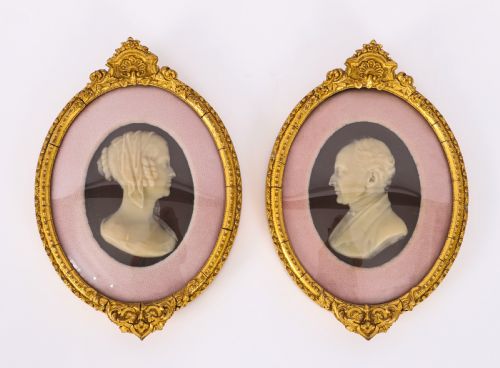
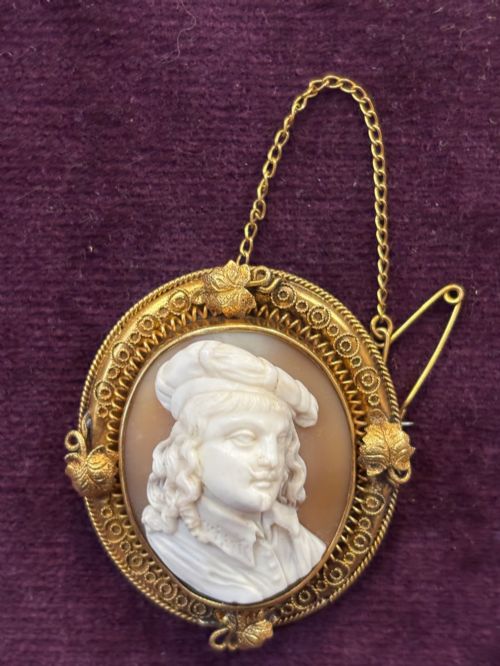
A gold framed cameo encompasses pieces designed for mounting on walls or wearing as jewellery, uniting carved shell or hardstone with gold settings.
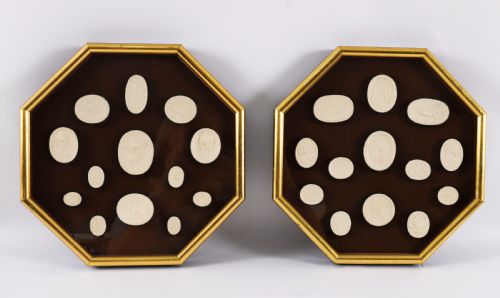
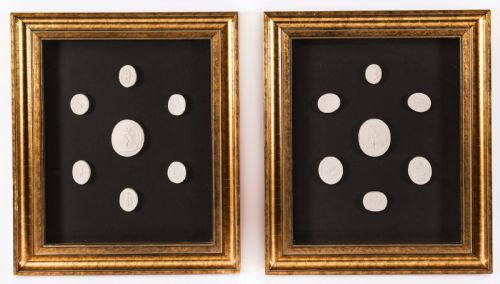
The selections available range from Victorian shell cameo brooches in nine-carat or fifteen-carat gold mounts to Grand Tour intaglios and wall art framed in giltwood.
Originating across the nineteenth century, including Georgian and Edwardian eras, these items present classical imagery such as Roman goddesses and cherubs.
Materials and Technique
Carvers shaped natural shell and hardstone to exploit the contrasting natural layers, creating raised profiles against a darker background.
Metalworkers secured these carved panels within gold frames, utilising alloys ranging from nine-carat to twenty-carat gold, alongside pinchbeck.
Additional wall pieces combine plaster, wax, and glass within giltwood frames or fitted boxes for interior display.
Listings feature nineteenth-century items spanning Victorian, Georgian, and Edwardian periods, utilising shell, hardstone, plaster, and gold.
Factors of Quality
Depth and precision of the carving determine the artistic merit, separating shallow, uniform profiles from finely detailed subjects.
Weight and purity of the gold mount, alongside the complexity of decorative wirework or bezel settings, influence the overall calibre.
Signature from recognised makers elevates certain shell cameos above unmarked pieces of the same period.
R. Pernice·Giovanni Liberotti
The Gold Framed Cameo Glossary
- Cameo
- A method of carving an object such as a engraved gem, item of shell, or piece of stone where a relief image is created by cutting away a surrounding layer of a different colour.
- Intaglio
- A gem or other material carved with a design that is depressed below the surface, allowing it to leave a raised impression when pressed into wax.
- Pinchbeck
- An alloy of copper and zinc invented in the eighteenth century to imitate gold, often utilised for jewellery frames.
- Grand Tour
- A traditional trip of Europe undertaken by upper-class European young men of sufficient means during the eighteenth and nineteenth centuries, resulting in the acquisition of souvenirs like framed intaglios.
- Pate sur pate
- A ceramic decorating technique where a relief design is built up layer by layer using liquid white clay on a coloured ceramic body.
Gold Framed Cameo: Frequently Asked Questions
How do I wear a gold framed cameo brooch safely?
Secure the pin firmly through tightly woven fabrics and utilise any secondary safety chain if the mount provides one.
Store the piece in a dedicated box away from other jewellery to prevent scratching the delicate shell or stone surface.
Can framed cameos be hung on walls?
Certain pieces, such as box-framed intaglios and wall art, are constructed specifically for interior display rather than personal wear.
Ensure hanging wires or structural loops attached to the giltwood or wooden frames remain secure before mounting them on a wall.
What is the difference between shell and hardstone cameos?
Shell cameos utilise layered mollusc shells, offering warm tones and a slightly softer medium for detailed figurative carving.
Hardstone cameos employ durable agates or onyx, providing crisper detail and greater resistance to everyday wear.
How should I clean my gold framed cameo?
Dust the surface gently with a soft, dry brush and wipe the gold mount with a dry cloth.
Avoid submerging shell cameos in liquid cleaning solutions, as moisture damages the natural material and adhesives within the frame.