




Georgian Gold Brooch Pin
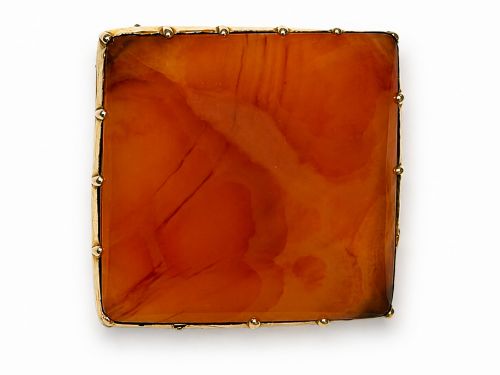
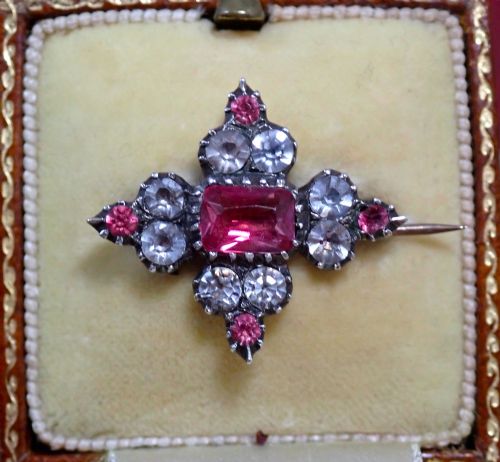
These georgian gold brooch pin examples combine period handwork with intimate materials like hair, shell cameo, and paste.
Georgian Gold Brooch Pin
A georgian gold brooch pin is a piece of antique jewellery originating primarily from the Georgian and Regency periods, alongside some early Victorian items. These items serve as personal ornaments, sentimental tokens, and mourning pieces designed to fasten garments or secure lace.
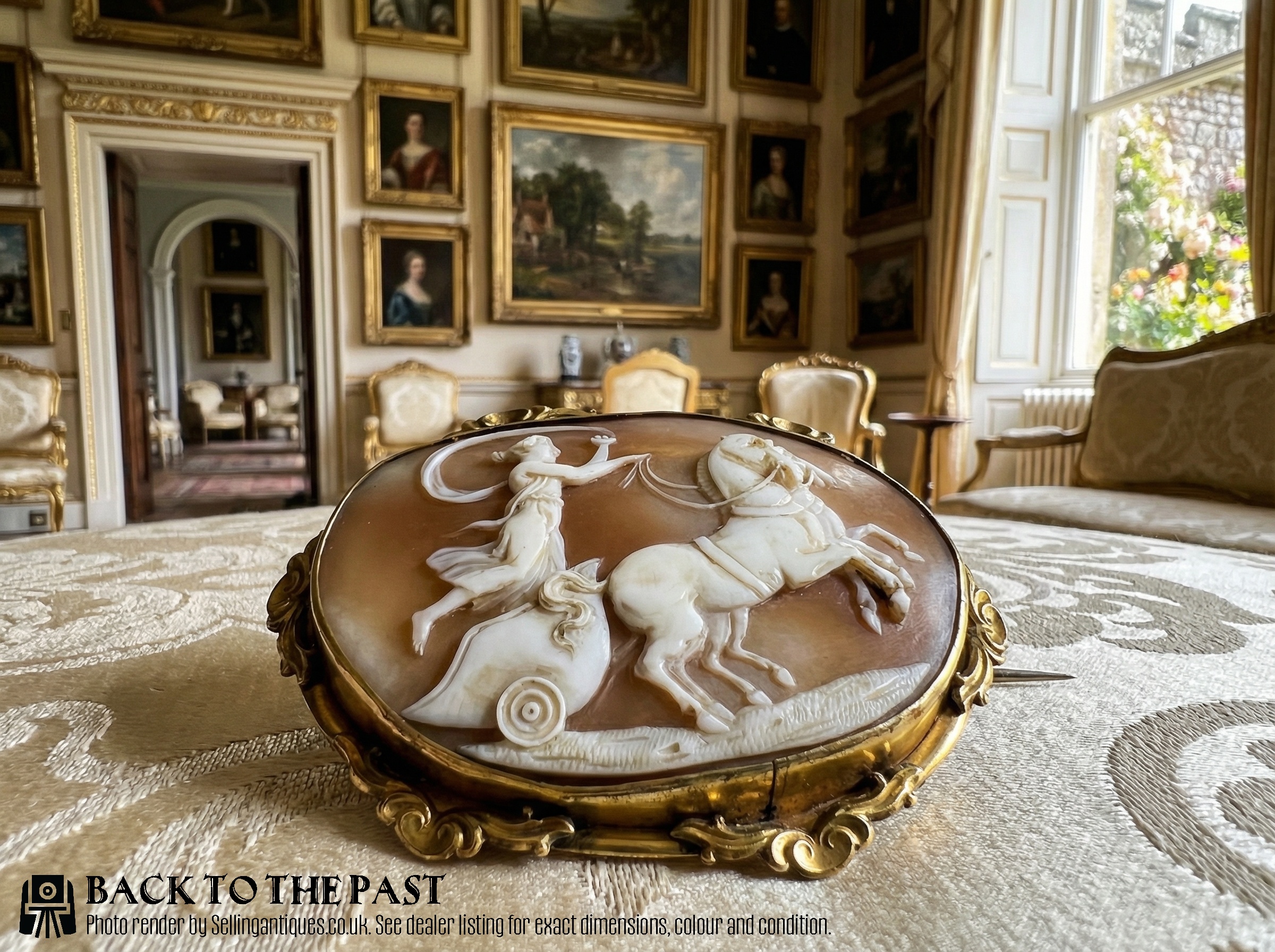
The versions most frequently met on this page include mourning brooches containing hair, carved shell cameo pieces depicting classical subjects such as Roman goddesses, and paste or gemstone designs featuring garnets, amethysts, and topaz.
Examples appear in various configurations including stick pins, lace pins, and larger dress brooches. Formats range from simple gold mounts to intricate silver and gold combinations set with seed pearls and rose diamonds.
How they were made
The construction of these pieces relies on traditional goldsmithing techniques utilising gold, 9ct gold, 15ct gold, and fine silver settings. Metals are worked by hand to create secure bezels and delicate wirework suited to miniature portraits and hair work.
Gemstones such as garnets, amethysts, and imperial pink topaz are hand-cut, notably using flat cut techniques, and paired with paste glass to imitate precious stones. Shell cameos are carved by hand from natural shell layers to reveal contrasting classical figures in relief.
Georgian Gold Brooch Pin Retail Price Guide 2026
Typical asking prices for georgian gold brooch pin among the pieces listed under this phrase on Sellingantiques today, from the lower quarter to the upper quarter. They describe what is for sale here now, not the wider market.
Some brooches contain actual human hair woven into intricate floral motifs, proving that Georgian sentimentality could get quite literal.
What varies in quality
The selection of stones also determines the standard of the piece, with genuine garnets, amethysts, and chrysoberyls representing a higher tier than standard paste glass substitutes, though high-grade historical paste work remains collectible.
The Georgian Gold Brooch Pin Glossary
- Paste
- Faceted glass used as an imitation gemstone in antique jewellery. It is often backed with foil to enhance colour and reflectivity.
- Giardinetti
- A style of jewellery depicting a small garden in a flowerpot or basket. These pieces typically incorporate various coloured stones and paste to represent blooms.
- Pinchbeck
- An alloy of copper and zinc invented in the eighteenth century to imitate gold. It provides a warm metallic tone without the cost of precious metal.
- Flat cut
- A gemstone cutting technique where the top of the stone is flat rather than faceted into a dome or point. This method is common in eighteenth-century jewellery.
- Seed pearl
- Very small natural pearls utilised in clustered patterns or border arrangements on mourning and sentimental jewellery.
Georgian Gold Brooch Pin: Frequently Asked Questions
What is a georgian gold brooch pin?
A georgian gold brooch pin is a historical piece of personal adornment created during the Georgian era, encompassing styles from mourning tokens to carved cameos.
These items were worn on clothing, lace, and cravats, serving both decorative and deeply personal functions for the wearer.
How do I identify a georgian piece?
Identification relies on examining the materials, construction methods, and stylistic motifs characteristic of the late eighteenth and early nineteenth centuries.
Look for hand-cut stones, closed-back metal settings, pinchbeck alloys, and traditional subject matter like classical cameos and miniature portraits.
Were these brooches used for mourning?
Many examples from this era were specifically created to commemorate deceased loved ones. These incorporate human hair arranged behind glass panels alongside pearls and dark stones.
Such pieces functioned as tactile reminders of family members and friends, reflecting the social customs of the period.
How should I care for antique jewellery?
Antique jewellery requires gentle handling due to its age and the delicate nature of materials like hairwork, shell, and foil-backed paste.
Keep pieces away from moisture, chemical cleaners, and ultrasonic baths, storing them in soft compartments to protect the fragile metal settings.