


Georgian Ironstone China
Georgian ironstone china brings robust nineteenth-century ceramics to the table, offering durable forms decorated in vibrant patterns.
Georgian Ironstone China
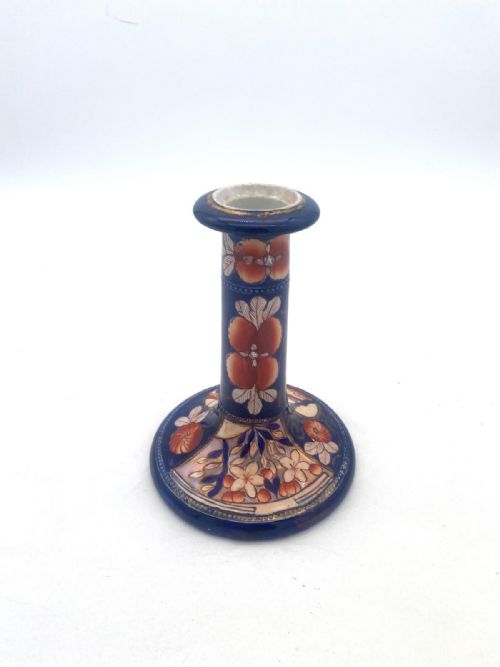
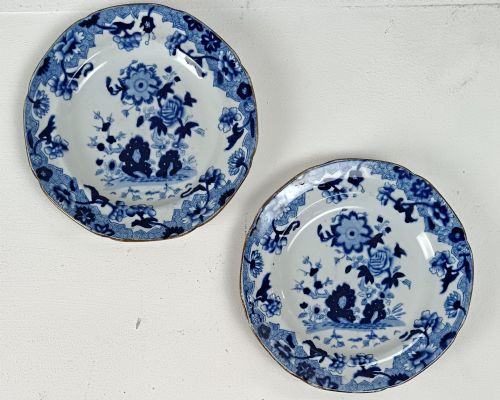
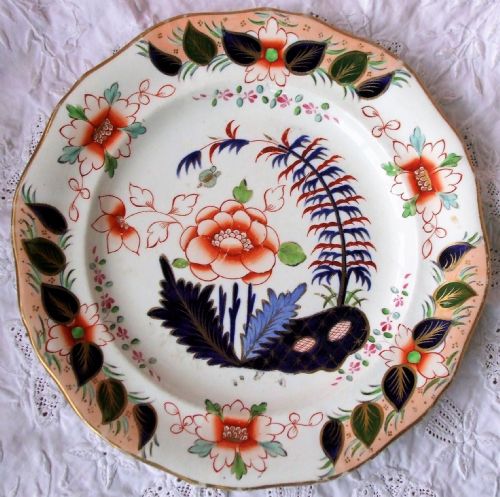
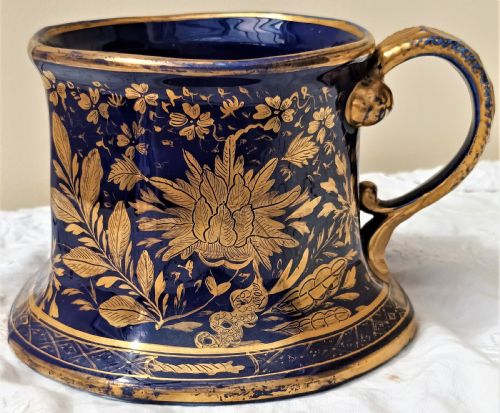
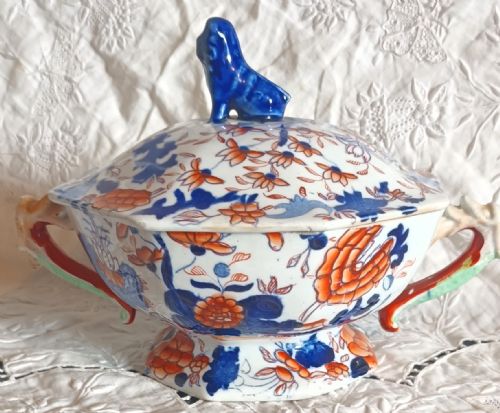
When searching for georgian ironstone china, collectors find a diverse array of utilitarian and decorative objects spanning the nineteenth century, including the Georgian and Regency periods. The selection encompasses tableware and serving pieces designed for substantial dining, such as tureens, plates, platters, comports, and mugs.
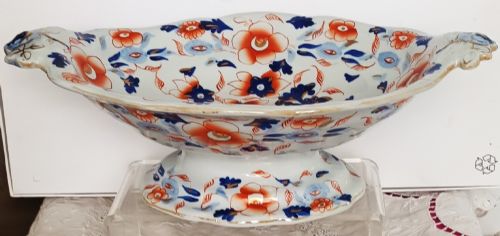
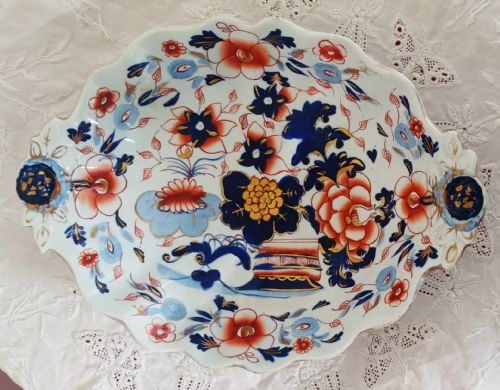
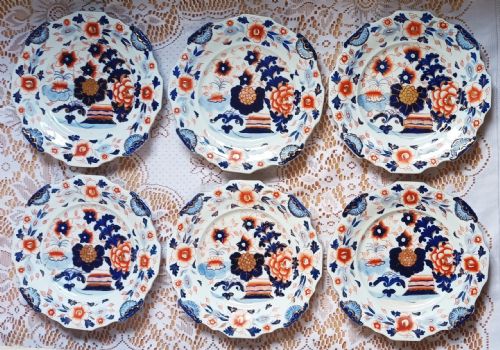
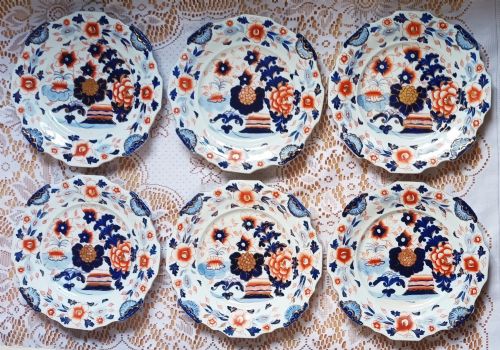
Most items appearing in this category originate from prominent English potteries of the era. Buyers frequently encounter iconic service pieces featuring rich decorative schemes like Japan, Imari, and Chinoiserie patterns transferred or hand-painted onto heavy ceramic bodies.
How they were made
Potters produced these objects using durable ironstone ceramic and earthenware bodies coated in glossy glaze. This dense paste allowed manufacturers to create thick, resilient vessels capable of withstanding heavy daily use.
Decorating techniques combined hand-painting with transfer printing in vibrant enamel colours. Artisans frequently applied gold leaf and gilt accents to enhance intricate patterns like schoolhouse, grasshopper, and mandarin designs.
Georgian Ironstone China Retail Price Guide 2026
Typical asking prices for georgian ironstone china among the pieces listed under this phrase on Sellingantiques today, from the lower quarter to the upper quarter. They describe what is for sale here now, not the wider market.
Listings feature nineteen-century ironstone ceramics created across the Georgian and Regency periods, utilising enamel, glaze, and gold leaf.
What varies in quality
Quality differences rest primarily in the crispness of the transfer printing and the precision of the hand-painted enamels. Superior examples display sharply defined motifs and rich, saturated pigments that remain vibrant across the ceramic surface.
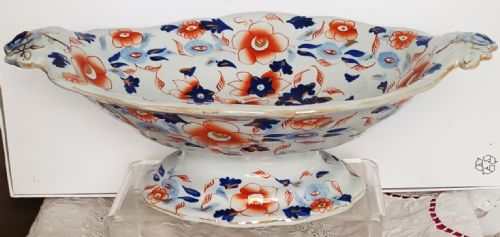
The sophistication of the modelling also distinguishes standard domestic wares from exceptional display pieces. Elaborate forms such as chestnut baskets, pedestal comports, and sculptural jugs demonstrate greater sculptural ambition from the potter.
Masons Patent Ironstone·John Davenport of Longport·Spode·Coalbrookdale
The Georgian Ironstone China Glossary
- Ironstone
- A heavy, durable ceramic body patented in the nineteenth century as a robust alternative to porcelain. It forms the structural foundation for all pieces in this category.
- Comport
- A decorative dish or bowl raised on a pedestal, used historically for serving fruit or sweetmeats at the table. These vessels often form part of larger dessert services.
- Imari
- A decorative style inspired by Japanese export porcelain, typically utilising a palette of cobalt blue, iron red, and gilt highlights. Potters applied this aesthetic widely to heavy earthenware bodies.
- Chinoiserie
- European artistic interpretations of Chinese and East Asian motifs, depicting imaginary landscapes, pavilions, and figures. This style appears frequently on nineteenth-century tea and dinner wares.
- Tureen
- A deep covered bowl designed for serving soups, sauces, or vegetables at formal meals. These practical vessels often survive with matching stands or underdishes.
Georgian Ironstone China: Frequently Asked Questions
What is georgian ironstone china?
Georgian ironstone china is a durable nineteenth-century ceramic developed to provide a sturdy alternative to porcelain for domestic dining tables.
Potteries shaped this dense material into functional tableware adorned with colourful patterns inspired by Asian and European designs.
How were these ceramics used historically?
These vessels served everyday and formal dining functions in nineteenth-century households, from large dinners to tea services.
Pieces ranged from utilitarian mugs and soap dishes to elaborate tureens, comports, and platters designed for presentation.
How do I care for georgian ironstone china?
Wash these antique ceramics gently by hand in warm water using mild soap to protect the historic glaze and enamel decorations.
Avoid dishwashers and harsh abrasives, especially on pieces featuring delicate gilt or gold leaf highlights.
How do I identify the period of a piece?
Dating relies on examining the ceramic body, glaze characteristics, pattern styles, and any maker marks stamped into the underside.
Items from the early nineteenth century often reflect Regency or Georgian aesthetic influences through specific floral and landscape motifs.