


Georgian Inlay Occasional Table
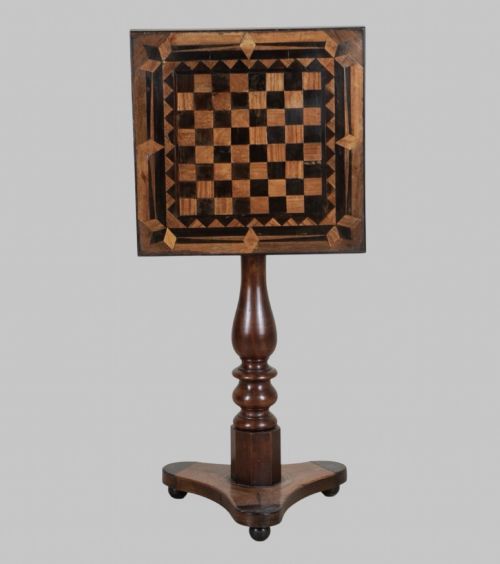
A georgian inlay occasional table is a compact surface carrying delicate marquetry or stringing, desired for bringing warmth and historic character to a room.
Georgian Inlay Occasional Table
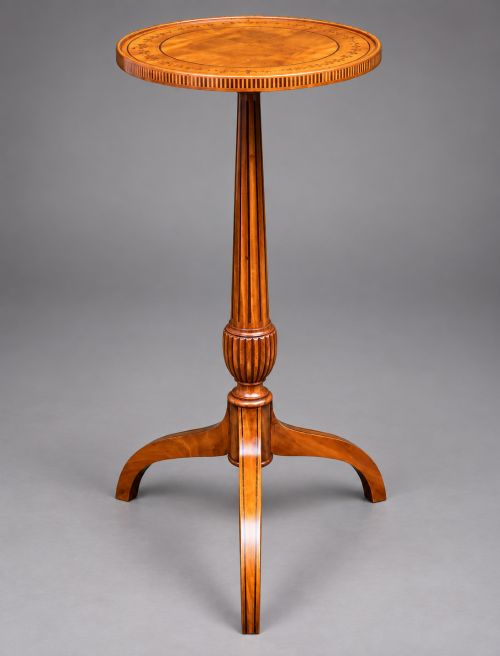
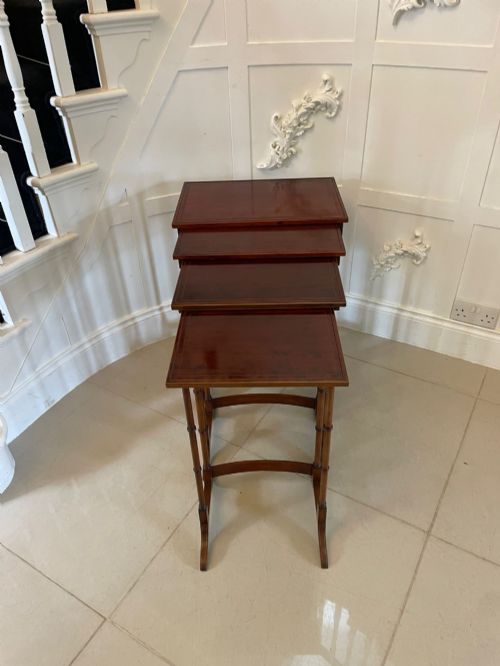
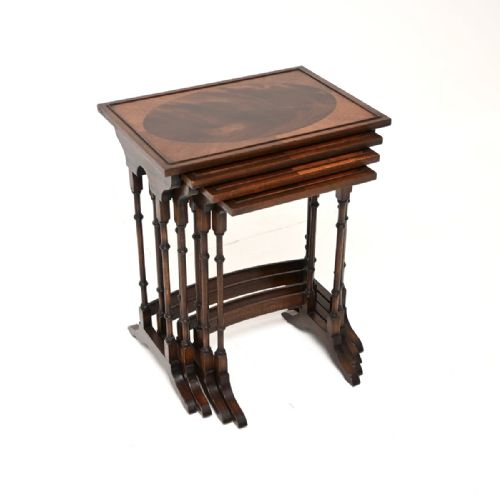
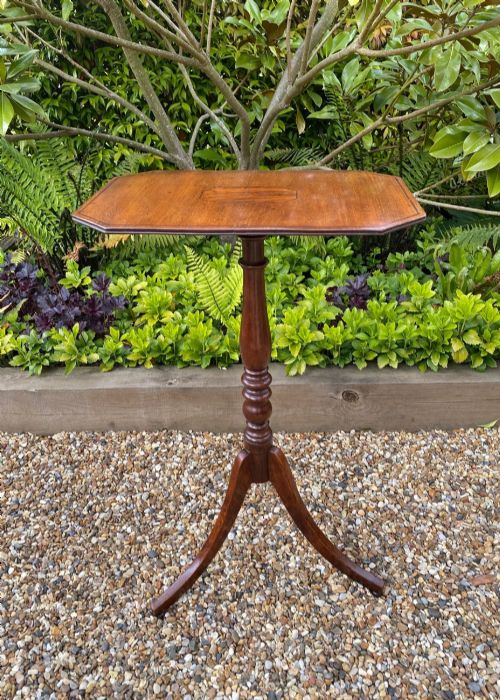
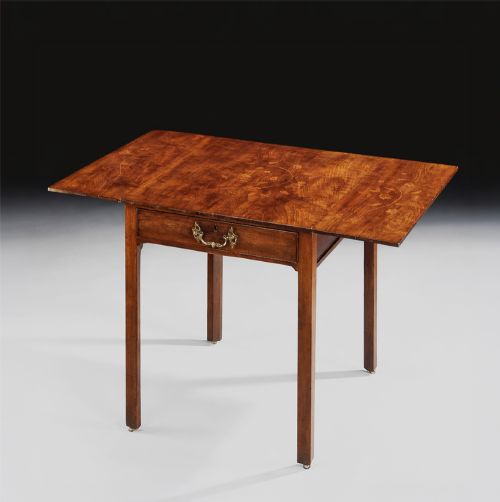
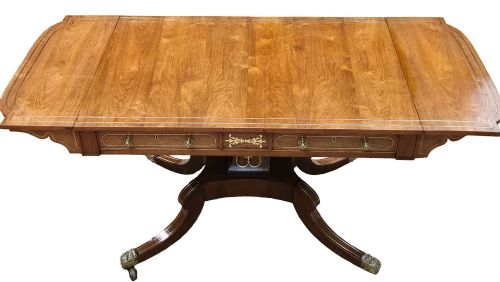
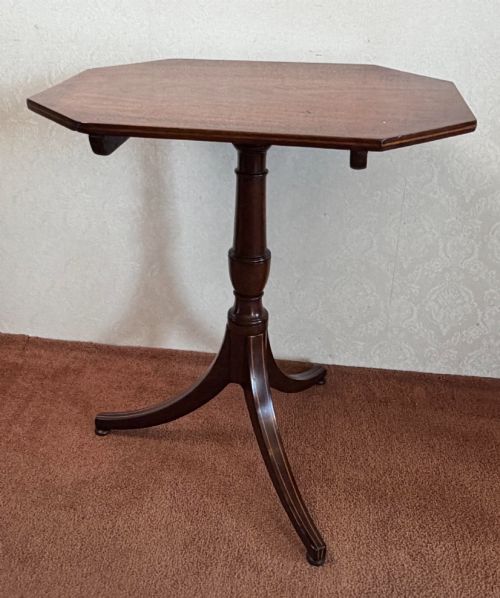
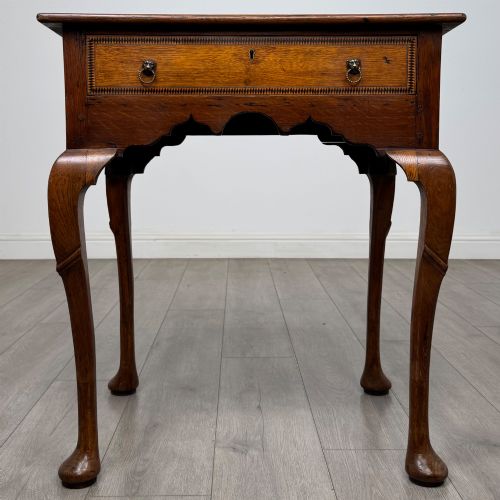
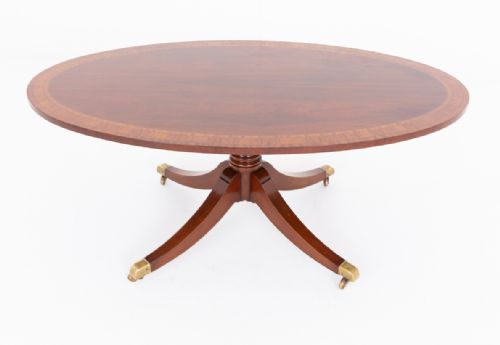
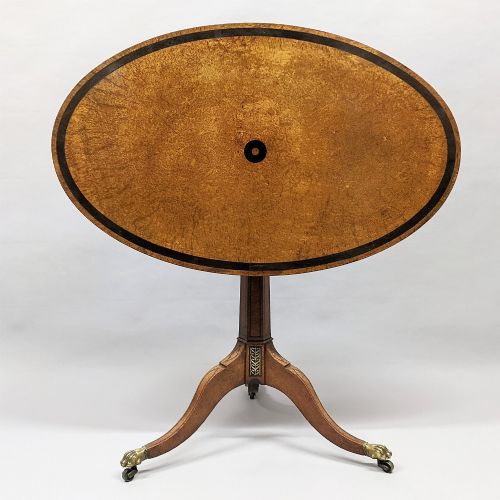
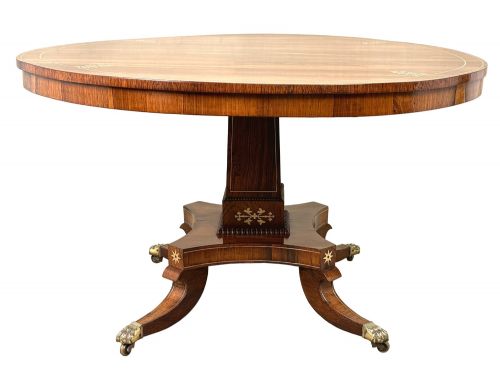
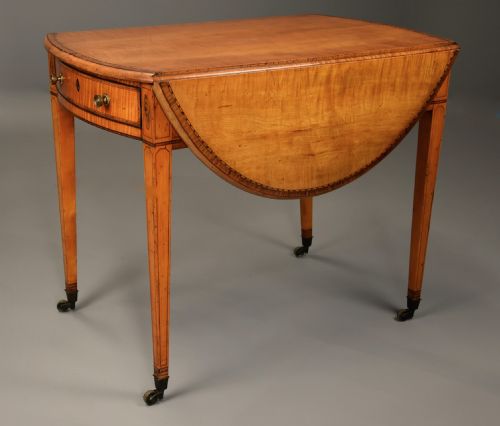
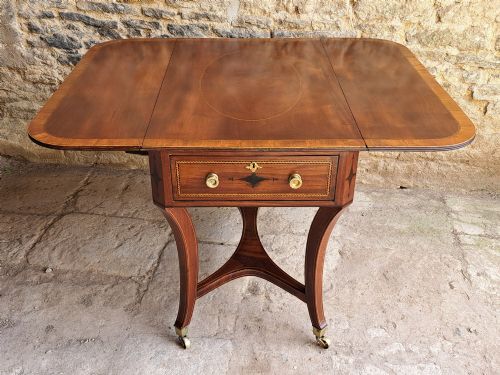
When searching for a georgian inlay occasional table, buyers encounter an array of forms including Pembroke tables, nests of tables, wine tables, side tables, and centre tables spanning the eighteenth century, the Regency period, and later revival eras. The Pembroke table with its drop leaves appears frequently, alongside circular tripod tables and nested sets.
While many pieces date to the Georgian and Regency eras, later Edwardian and twentieth-century interpretations in the Sheraton Revival style also emerge in mahogany, satinwood, and walnut. These smaller tables served various domestic purposes from needlework to tea service and bedside utility.
Materials and construction
Cabinet makers utilised primary timbers such as mahogany, rosewood, satinwood, and oak, often applying veneers over solid foundations. Tops and legs received decorative enrichment through contrasting wood inlay, boxwood stringing, brass inlay, and marquetry motifs.
Drop leaf mechanisms, tilt-top actions, and nested configurations required precise carpentry. Joinery methods of the period ensured stability in slender furniture designed to be moved around living spaces as needed.
Listings feature woods including mahogany, satinwood, rosewood, boxwood, walnut, and harewood across the eighteenth, nineteenth, and early twentieth centuries.
Judging quality
The distinction between tiers of quality rests upon the crispness of the inlay work, the choice of figured timbers like fiddleback sycamore or amboyna, and the subtlety of the proportions. Superior examples display harmonious grain patterns and meticulous attention to structural details.
Later reproductions or heavily altered pieces often lack the refined joinery and patination found in eighteenth-century and Regency originals. The integrity of the timber surface and the precision of the stringing dictate the standing of an individual table.
The Georgian Inlay Occasional Table Glossary
- Pembroke table
- A small table with hinged drop leaves on either side, introduced in the eighteenth century and frequently fitted with a drawer.
- Stringing
- A narrow strip of contrasting wood inlaid into the surface of furniture to create delicate geometric borders and outlines.
- Marquetry
- The art of forming decorative patterns using thin veneers of various coloured woods applied to a solid background.
- Quartetto nest
- A set of four graduating tables designed to fit neatly one beneath another, popular in the Regency and Edwardian periods.
- Tilt top
- A tabletop mounted on a pivot mechanism that allows the surface to be turned vertically for storage against a wall when not in use.
Georgian Inlay Occasional Table: Frequently Asked Questions
What is a pembroke table?
A Pembroke table is a compact drop-leaf table that stands on four legs, often featuring one or two small drawers at the ends.
Originally designed for breakfast or light writing tasks, these versatile pieces fit easily beside seating or in smaller rooms.
How do I use an occasional table?
These tables function well beside armchairs or sofas for holding lamps, books, or drinks.
Their modest proportions allow them to be moved around a room to suit daily requirements.
What is string inlay?
String inlay involves embedding very thin threads of a contrasting timber, such as boxwood or ebony, into channels cut into the main wood.
This technique creates fine borders and geometric patterns that define the edges of tabletops and legs.
How do I date a table?
Dating relies on observing the combination of primary timber, secondary framing woods, construction methods, and the style of the inlay.
Eighteenth-century examples display different joinery characteristics compared to nineteenth-century Regency pieces or twentieth-century Sheraton revival items.