

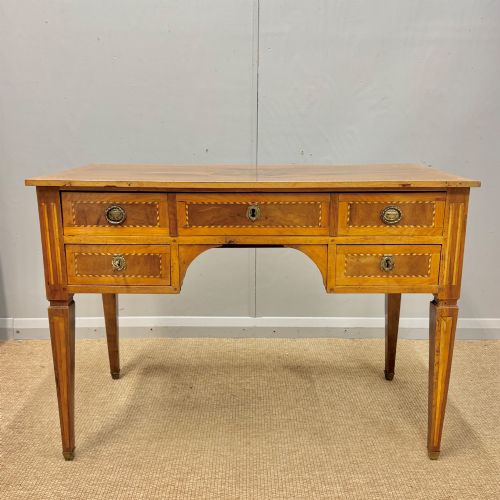
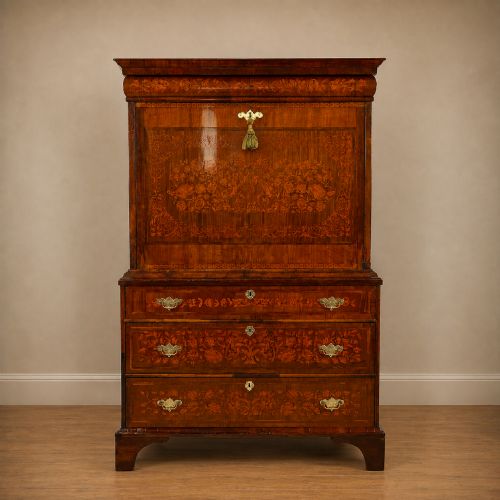
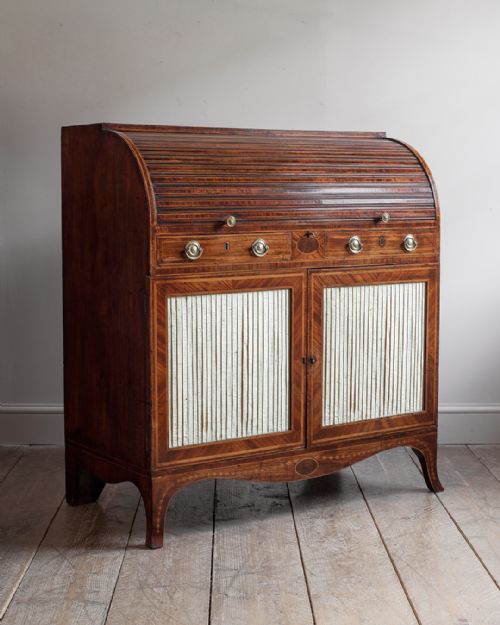
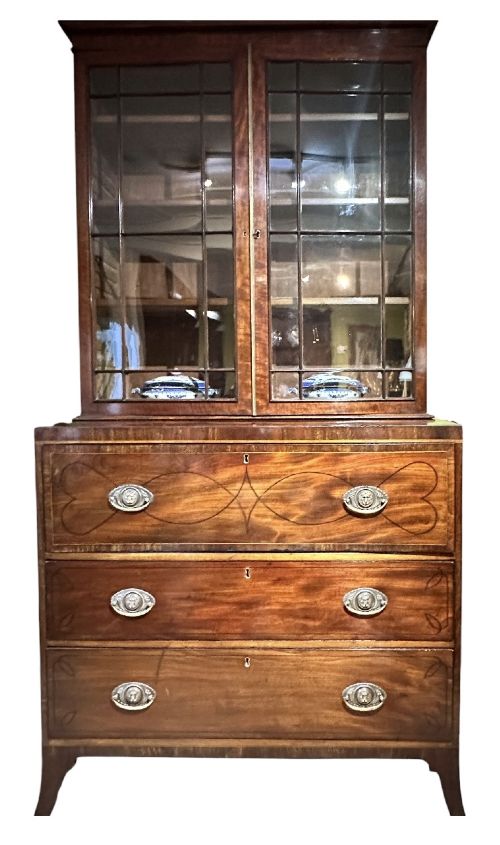
Georgian Inlaid Bureau Desk
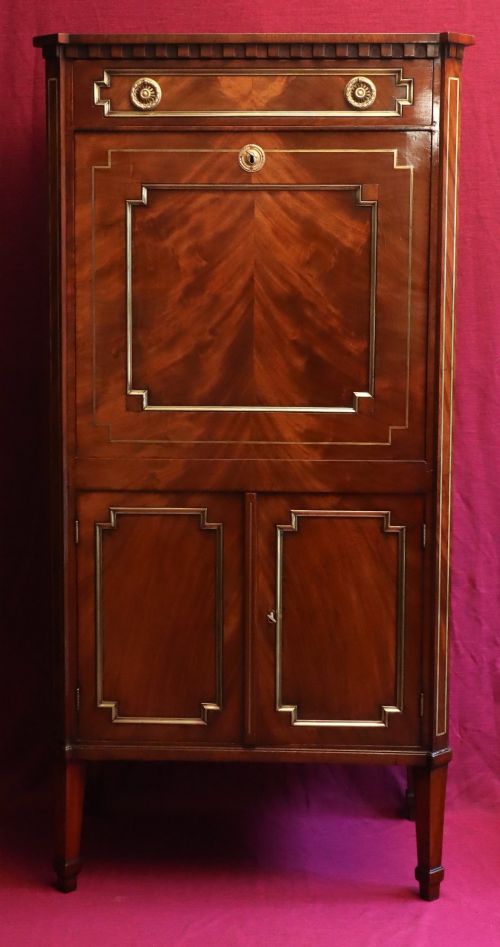
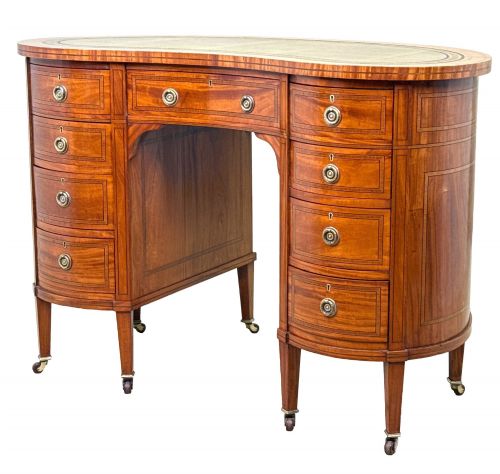
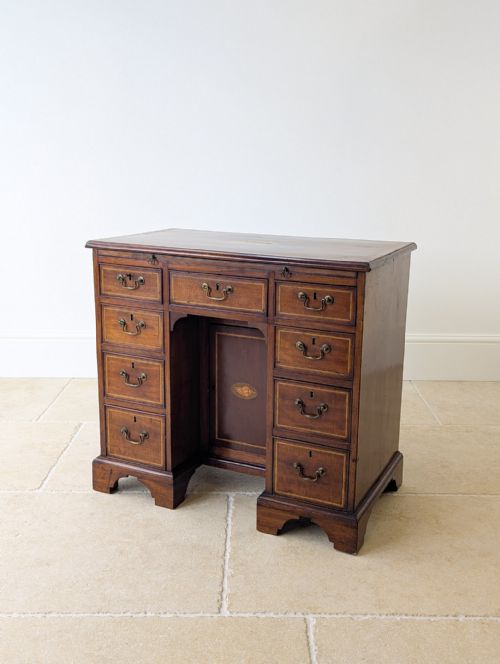
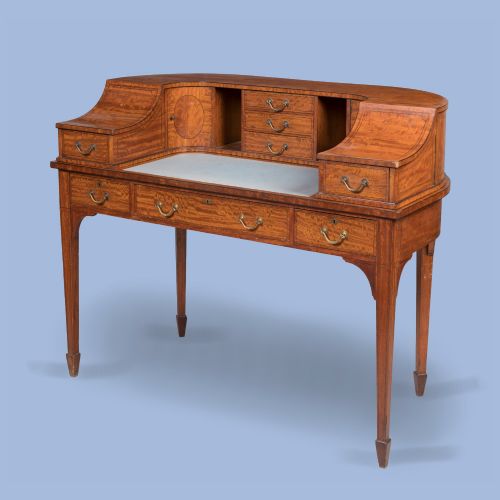
A georgian inlaid bureau desk brings fitted compartments and drop-front writing surfaces together with fine cabinetwork.
Georgian Inlaid Bureau Desk
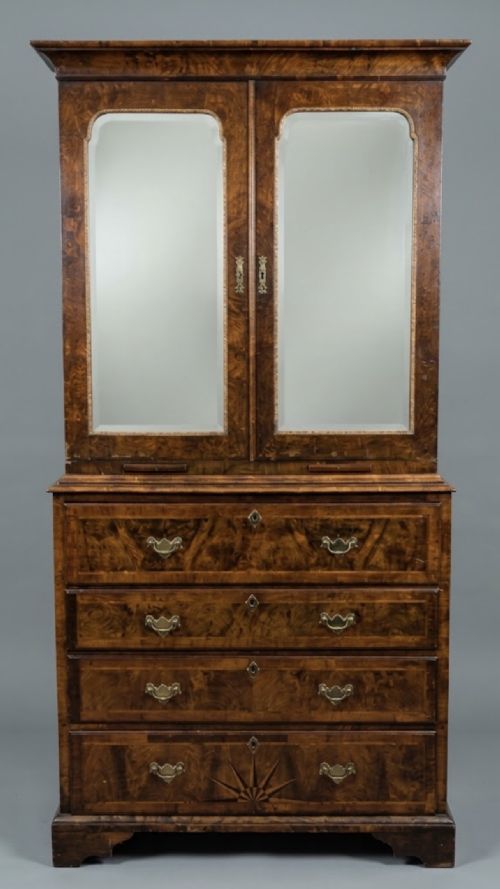
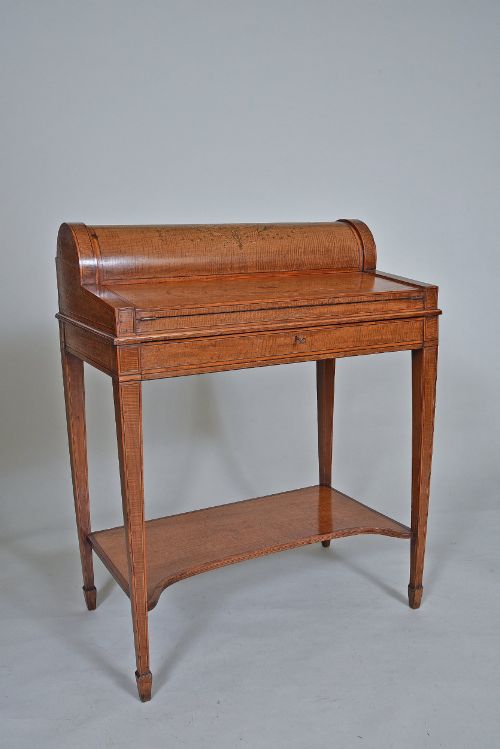
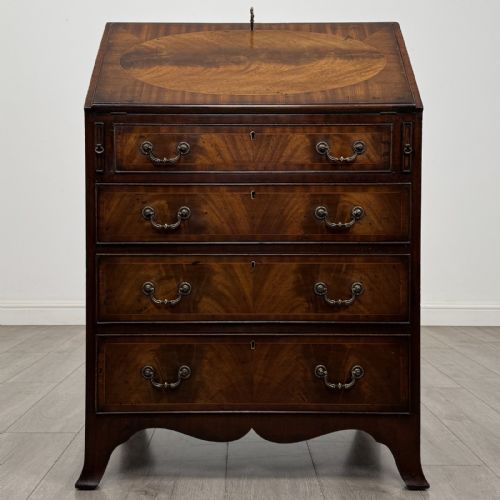
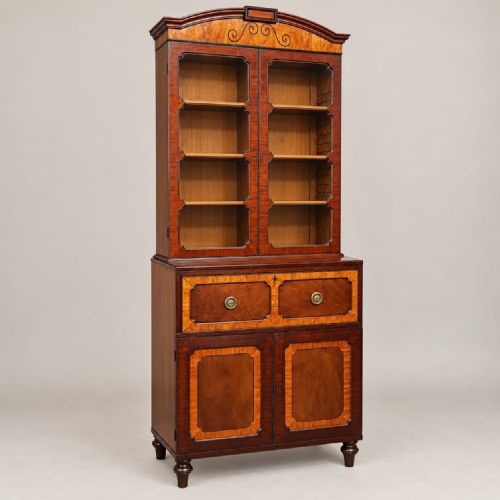
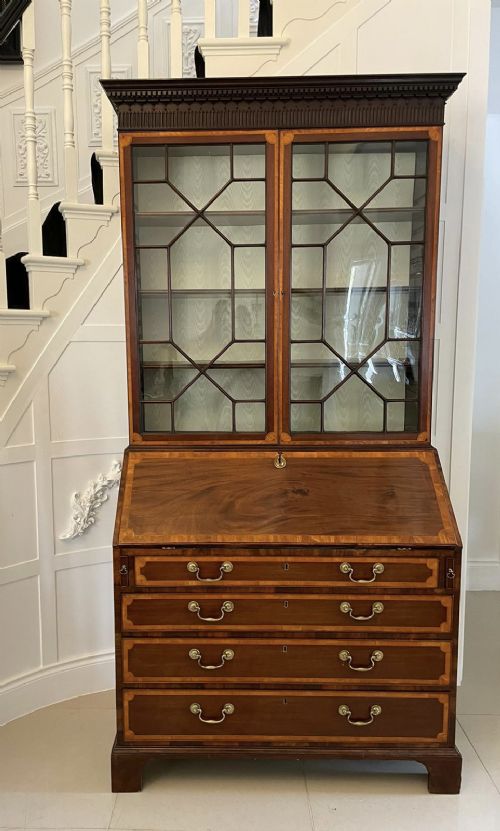
A georgian inlaid bureau desk appears primarily as a fall-front writing cabinet or a bureau bookcase housing internal pigeonholes and drawers. The surviving examples span the eighteenth and nineteenth centuries, taking forms from compact walnut slopes to substantial mahogany and satinwood bookcases.
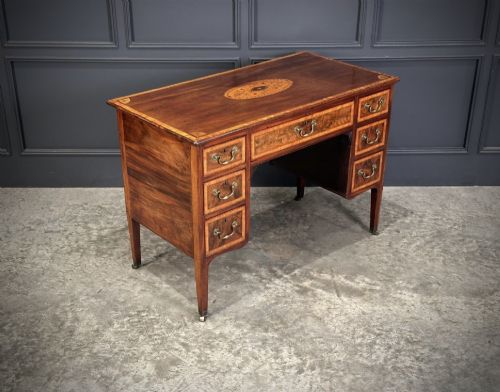
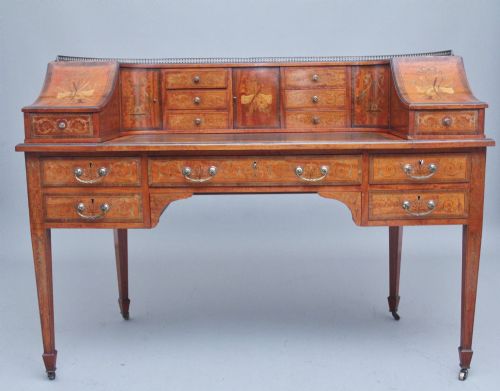
Makers working in George III, Sheraton, and Regency styles produced these pieces with fitted interiors designed for correspondence and ledger work. Later Edwardian interpretations often follow Sheraton Revival designs, utilising lighter timbers and marquetry details.
The selection ranges from oak and fruitwood country pieces to highly figured mahogany and burr walnut town furniture. Writing height fall-fronts and cylinder tops dominate the forms encountered.
Materials and construction
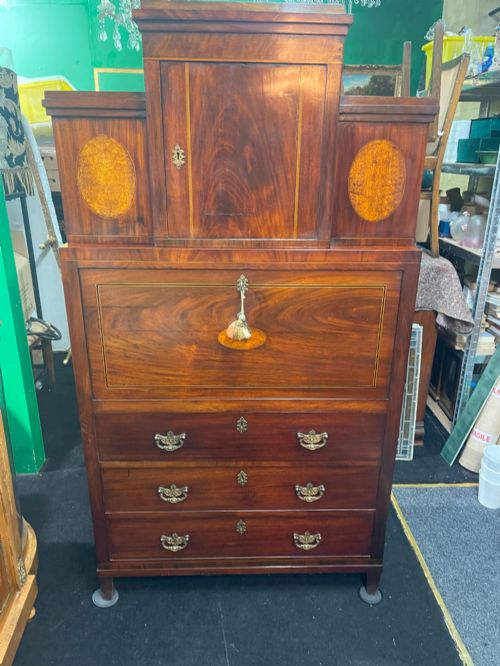
Cabinetmakers constructed carcass frames in solid mahogany, walnut, oak, and fruitwood, applying veneers of flame mahogany, burr walnut, and satinwood to primary display surfaces. Inlay work incorporates contrasting woods, fruitwood marquetry, and occasional ebony or brass stringing.
Interior components rely on secondary woods like pine or oak for small drawer linings and pigeonhole partitions. Brass drop handles, ring pulls, and escutcheons secure the drawers and fall-fronts.
Georgian Inlaid Bureau Desk Retail Price Guide 2026
Typical asking prices for georgian inlaid bureau desk among the pieces listed under this phrase on Sellingantiques today, from the lower quarter to the upper quarter. They describe what is for sale here now, not the wider market.
Some cylinder desks hide secret spring-loaded drawers behind pigeonholes that only open when you locate the hidden wooden peg.
Assessing the cabinetwork
The sophistication of the timber figure and the precision of the inlay dictate the visual standard of a piece. Figured flame mahogany and meticulously cut satinwood or marquetry panels separate standard cabinetwork from exceptional commissions.
Interior architecture reveals the maker's hand through secret compartments, pigeonhole shaping, and secondary drawer dovetailing. Retaining original brass hardware and proportional balance elevates a piece above altered examples.
The Georgian Inlaid Bureau Desk Glossary
- Bureau
- A writing cabinet featuring a sloping fall-front that opens to reveal drawers and pigeonholes. It serves as a compact desk surface when lowered.
- Marquetry
- Decorative veneer work forming pictorial or floral patterns using various tinted woods. Craftsmen assemble these patterns before applying them to the carcass.
- Tambour
- A flexible sliding shutter formed of narrow vertical strips of wood glued to a canvas backing. It conceals desk interiors with a smooth curving action.
- Escritoire
- A writing cabinet or desk, often fitted with a drop front or falling writing flap. The term frequently applies to taller cabinet forms.
- Secretaire
- A piece of furniture containing a drawer or compartment with a drop-down writing surface. It often combines the storage of a bookcase with a pull-out desk drawer.
Georgian Inlaid Bureau Desk: Frequently Asked Questions
What is a bureau desk?
A bureau desk is a cabinet with a hinged writing flap that folds down to create a flat work surface. Inside, small drawers and pigeonholes organise stationery and documents.
Beneath the writing surface, chest drawers provide storage for household papers or linens. This dual purpose made them essential household furniture throughout the eighteenth century.
How do I tell periods apart?
Georgian pieces rely on architectural proportions, solid mahogany or walnut timbers, and restrained brass hardware. Edwardian Sheraton Revival pieces use lighter satinwood and extensive marquetry.
Nineteenth-century interpretations often feature bolder grain figures or cylinder top mechanisms influenced by Regency and Victorian tastes.
Where were these desks used?
These desks belonged in private parlours, libraries, and drawing rooms where correspondence took place. Gentlemen and ladies utilised them for letter writing and managing estate accounts.
More modest oak versions served in provincial homes and offices, while satinwood and mahogany models occupied formal reception rooms.
What is tambour construction?
Tambour construction uses thin vertical wooden slats glued to a fabric backing to create a flexible shutter. This allows the writing surface or internal compartments to slide open around a curve.
Cabinetmakers valued this technique for cylinder top desks and secretaire cabinets where rigid doors would obstruct the workspace.