


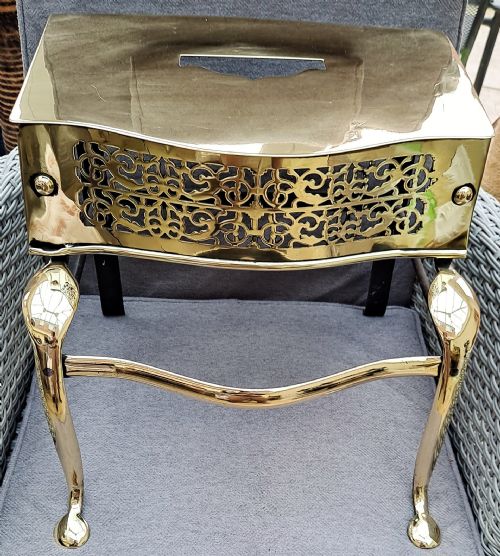

Georgian Hearth Trivet
A georgian hearth trivet brings the practical warmth of an older fireplace into a room, offering a sturdy surface for keeping kettles hot.
Georgian Hearth Trivet
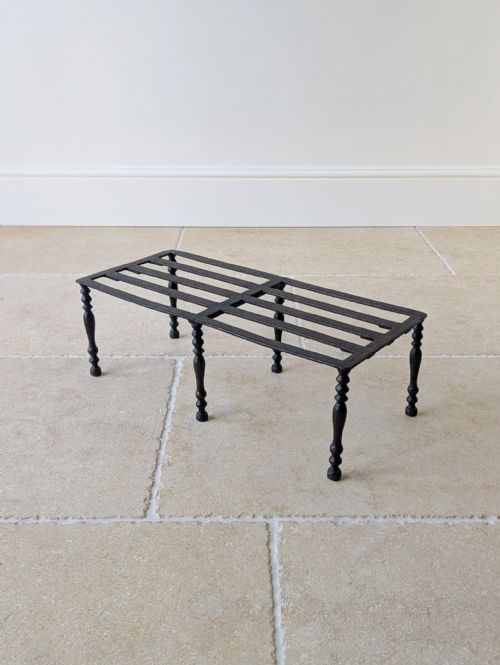
A georgian hearth trivet is an essential fireplace accessory designed to sit by the grate and warm water or food. Buyers searching for a georgian hearth trivet encounter footmen, hearth plates, and rotating fire cats.
The pieces appearing on this page span the Georgian, Regency, and Victorian periods, with origins recorded in England and Wales. Forms range from heavy iron footmen with cabriole legs to mahogany stands.
The most frequent examples found here combine brass tops with iron or steel frames, alongside solid mahogany variants known as cats. Each object reflects the practical demands of nineteenth-century domestic hearths.
Materials and construction
Makers utilised cast brass for plates and tops, often pairing them with robust iron and steel frames to withstand intense fireplace heat. Wrought iron provided structural strength for country-house footmen.
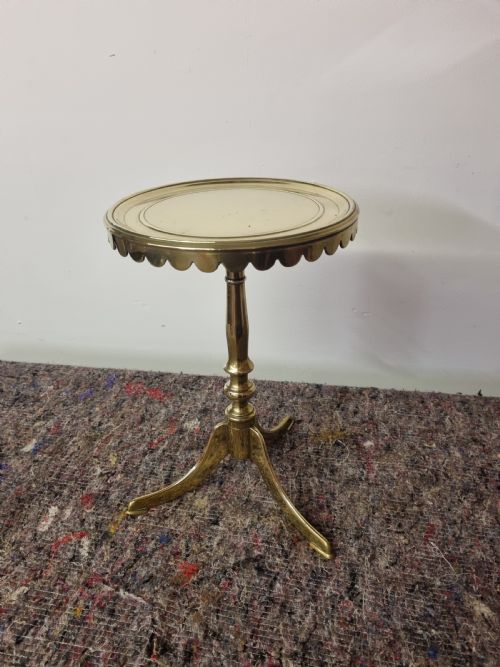
Timber versions relied on hardwood, specifically mahogany, shaped into rotating fire cats and plate stands for use near the fire. Metal components involved casting and forging techniques suited to utilitarian workshop production.
Listings combine brass, iron, steel, mahogany, and copper across Georgian, Regency, and Victorian periods.
Judging quality and character
Quality rests in the weight of the metal and the crispness of the casting on brass plates and footmen. Thicker brass and well-forged iron demonstrate durability that lesser items lack.
Subtleties in the turning of mahogany wood and the stability of cabriole legs separate standard utility pieces from more finished examples. Surface wear should show honest age rather than modern intervention.
The Georgian Hearth Trivet Glossary
- Footman
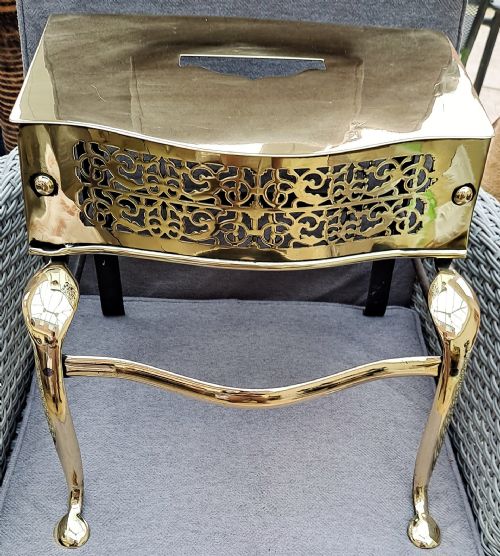
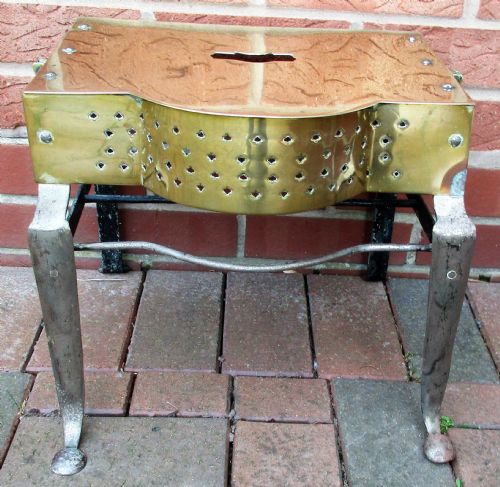
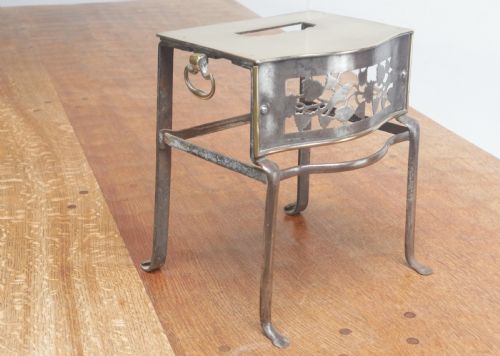
- A metal stand with four legs placed in front of a fireplace to hold a kettle or keep dishes warm. These items usually feature a brass top plate above an iron frame.
- Fire cat
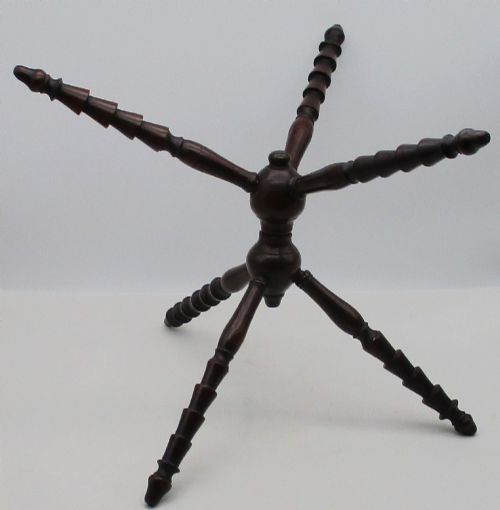
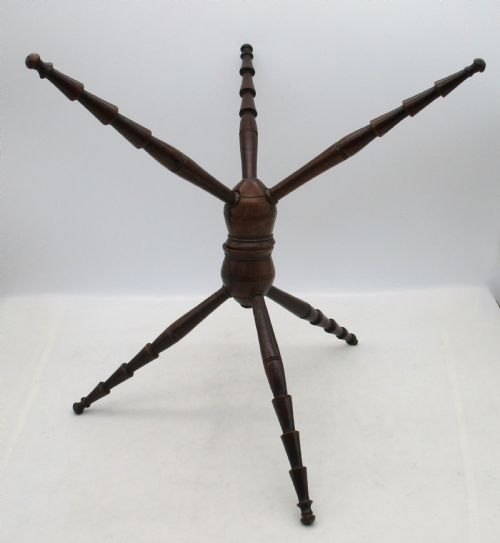
- A revolving stand used beside the hearth to support plates or kettles at different angles. These pieces are typically fashioned from mahogany.
- Hearth plate
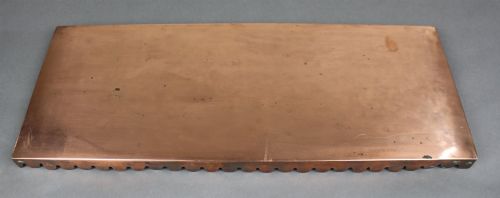
- A flat metal surface designed to sit near the fire for warming food or drink. Scalloped edges often decorate the borders.
- Cabriole leg
- A furniture leg that curves outward and then tapers inward, found on certain footman stools. This shape references eighteenth-century design standards.
- Inglenook
- The large recess around a fireplace where hearth accessories traditionally sat. These spaces housed heavy iron warmers and footmen.
Georgian Hearth Trivet: Frequently Asked Questions
What is a hearth trivet used for?
A hearth trivet stood close to the fire to hold a kettle, teapot, or dishes that needed to remain warm. The elevated metal or wood surface kept items safely above the ash.
In daily use, these stands became central fixtures of the fireplace arrangement. They combined utility with the social ritual of serving hot drinks.
How do I tell brass and steel footmen apart?
Footmen typically combine two metals, featuring a bright brass top plate riveted to a black iron or steel frame. The contrast served both decorative and structural purposes.
Examining the underside reveals how the brass plate fastens to the supporting legs. Iron parts show forging marks, while the top plates display cast details.
What is a fire cat?
A fire cat is a rotating wooden stand, usually made of mahogany, used beside the hearth. The revolving top allowed users to adjust the position of a plate or kettle easily.
These stands share a function with metal trivets but rely on timber construction. They represent a distinct subset of fireside furniture from the period.
Where were these pieces made?
The pieces listed originate primarily from English and Welsh workshops, reflecting regional metalworking and carpentry traditions. Local foundries produced sturdy iron and brass items for domestic use.
Country-house workshops and larger manufacturing centres both supplied these accessories. Variations in materials often point to local availability and specific workshop practices.