




English Hearth Trivet
An english hearth trivet brings traditional metalwork and period character to the fireplace, offering a practical stand for keeping kettles and plates warm.
English Hearth Trivet
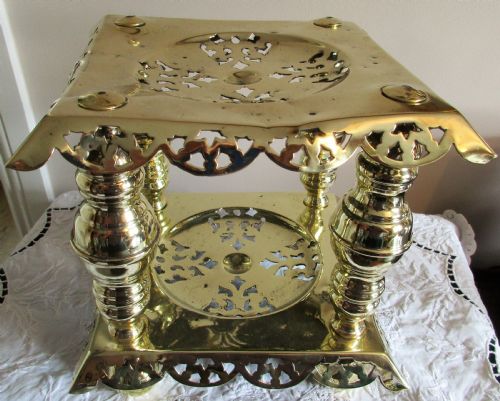
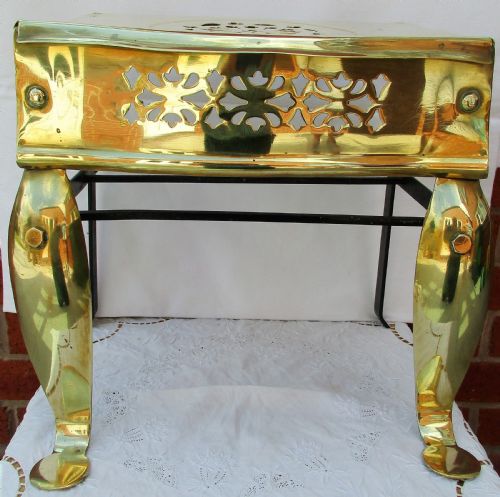
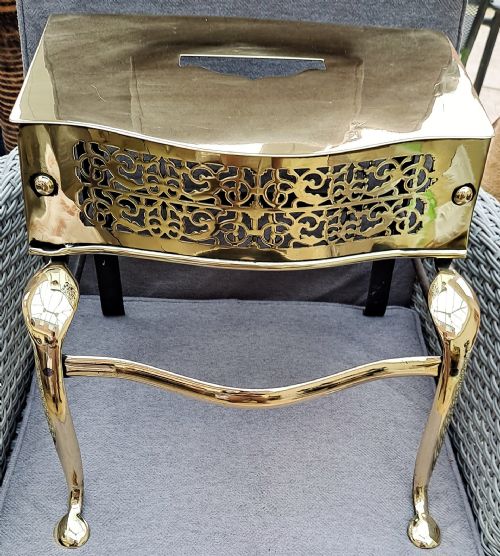
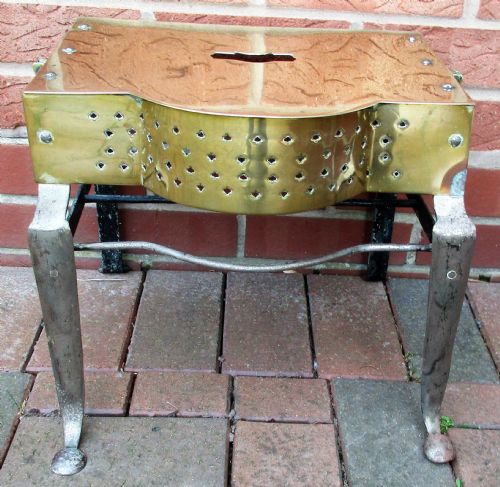
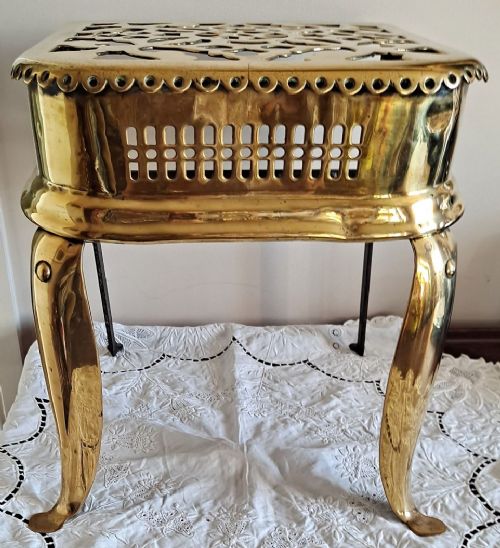
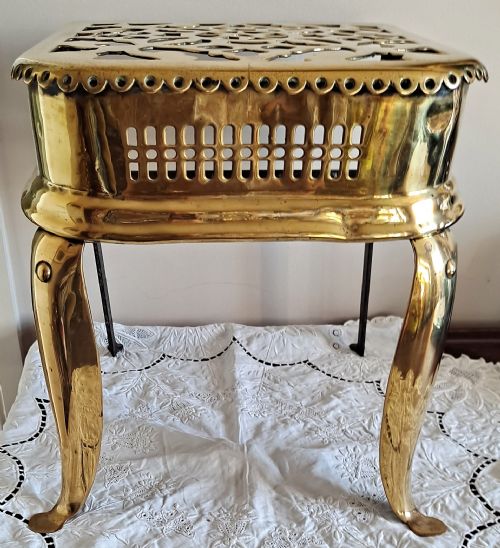
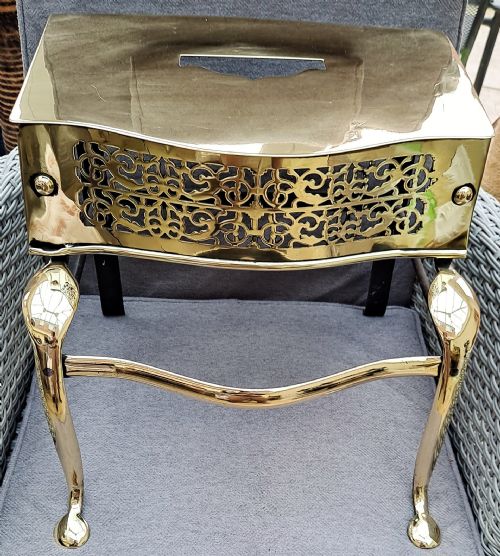
When you search for an english hearth trivet, you encounter sturdy fireside accessories designed to stand by the fireplace for warming food and heating water. These pieces comprise footmen, kettle stands, and plate warmers constructed for daily domestic service.
The selections on this page span the Georgian, Regency, and Victorian periods, capturing the decorative shifts in nineteenth century metalwork. You meet two-tier designs alongside substantial footmen that sit directly on the hearth stones.
Brass tops paired with steel frames dominate the offerings, though simple mahogany and wood elements occasionally appear in the mix. Each object reflects the utilitarian needs of historical English hearths.
How they were made
Maker workshops combined polished brass for the upper surfaces with robust iron and steel for the supporting frames to withstand high fireplace temperatures. This pairing of yellow and grey metals provides both visual contrast and structural resilience.
Craftsmen shaped the metal components through forging and casting, adding pierced decoration to the brass tops for heat dispersion and decorative effect. Sturdy legs and handles allow these stands to support heavy kettles and heavy cast iron cookware.
Materials across the inventory are limited to brass, steel, iron, mahogany, and wood.
What varies in quality
The distinction between standard examples and finer pieces lies in the weight of the metal and the crispness of the pierced brass work. Superior items display thick brass plates and sturdy steel frames that hold their shape under considerable loads.
Engraved details and finely cast structural feet separate ordinary production from the better work of period metalworkers. Original surface patination and intact components complete the measure of quality in these hearth furnishings.
The English Hearth Trivet Glossary
- Footman
- A metal stand placed by the fire to support pots and warm plates. These items typically feature a brass top and iron legs.
- Hearth
- The floor area of a fireplace, often made of stone or brick. This space held the functional accessories required for domestic warmth and cooking.
- Trivet
- A three-legged support stand used near the fire. They elevate kettles and dishes above the hearth floor.
- Plate warmer
- A fireside accessory designed to keep meals at serving temperature. These brass and steel items sat close to the coals.
- Patina
- The surface sheen developed through age and cleaning. This layer indicates the historical use and care of the metal.
English Hearth Trivet: Frequently Asked Questions
What is an english hearth trivet used for?
An english hearth trivet serves as a raised platform near the fire for warming plates, heating water, and keeping pots at a manageable temperature. These stands sit directly on the hearth stones within reach of the flames.
Historically, they formed an essential part of the domestic kitchen and parlour setup before the widespread adoption of modern cooking ranges. Their sturdy construction allows them to bear heavy iron kettles and ceramic serving dishes safely.
How do I date an english hearth trivet?
Dating these pieces involves examining the combination of materials, construction methods, and the style of the brass piercing. Georgian and Regency examples often display distinct linear frames, whereas Victorian pieces frequently feature heavier cast elements.
Makers utilised iron and steel alongside brass across the nineteenth century, meaning stylistic details in the legs and handles offer the clearest indication of age.
Where does an english hearth trivet go in a room?
These items belong by the fireplace, either positioned directly on the hearth or displayed near a period mantelpiece as a decorative feature. They add traditional metalwork texture to interior spaces.
Collectors often use them as plant stands or small display tables when they are no longer deployed for fireside service.
What is the difference between a footman and a trivet?
A footman is typically a larger, four-legged metal stand with a pierced brass top designed for heavy plate warming and kettles. A trivet is often a smaller three-legged stand for lighter vessels.
Both categories fall under fireside accessories and share similar brass and steel construction methods across the Georgian and Victorian periods.