

Georgian Hall Furniture
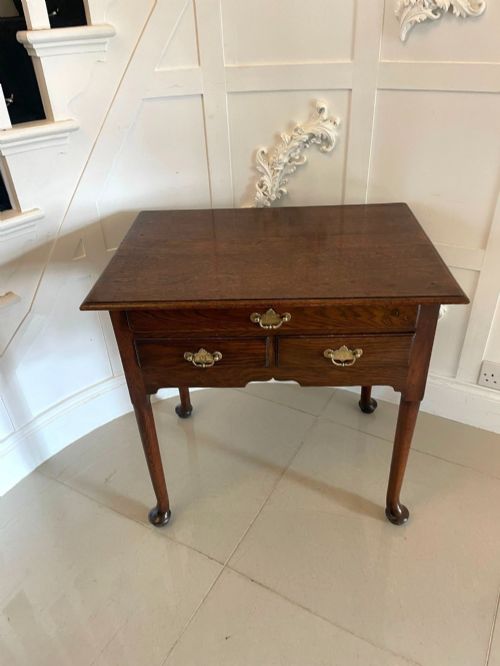
Georgian hall furniture encompasses the benches, tables, and lowboys designed to furnish the entrance spaces of houses during the eighteenth and early nineteenth centuries.
Georgian Hall Furniture
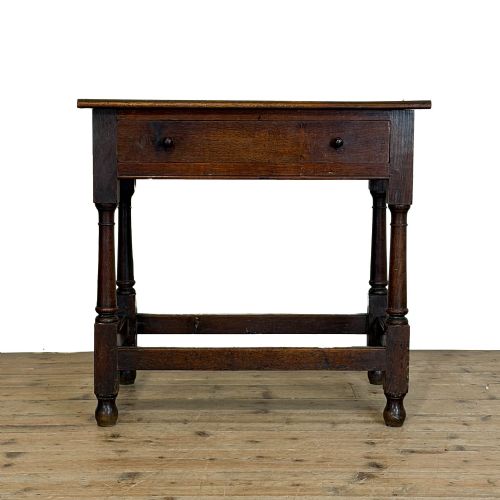
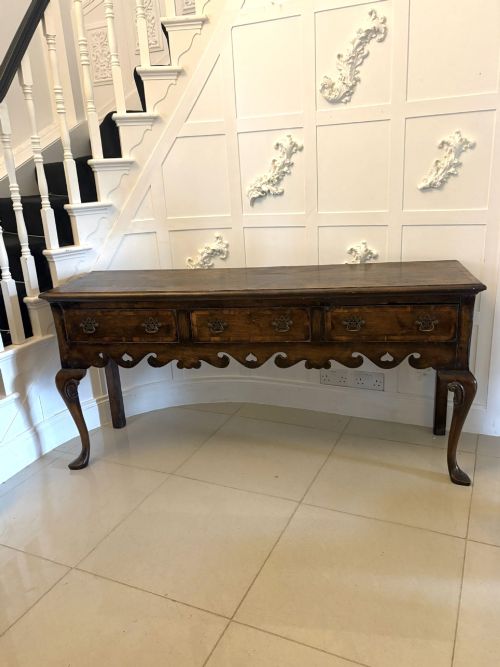
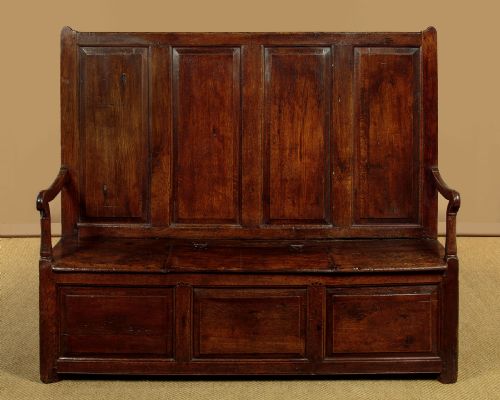
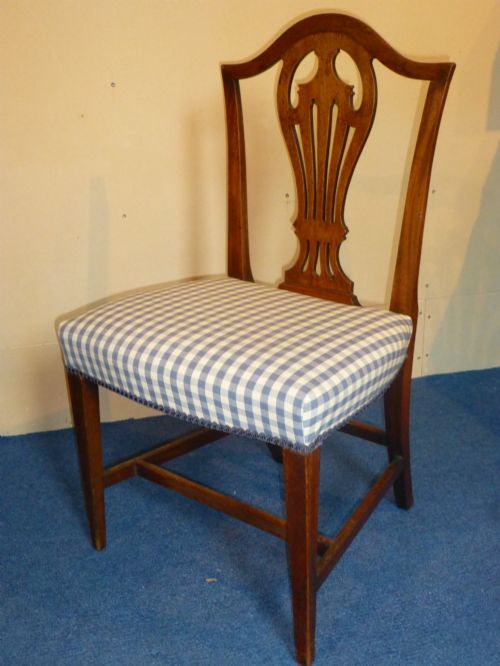
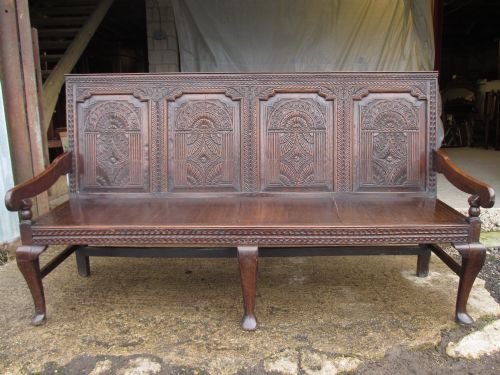
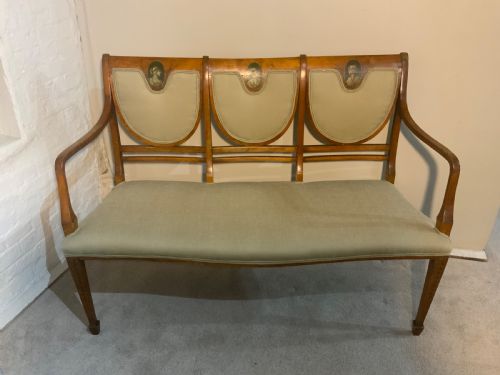
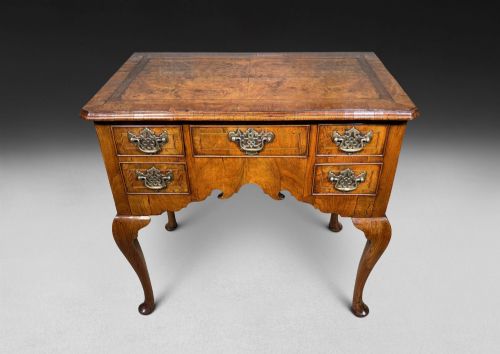
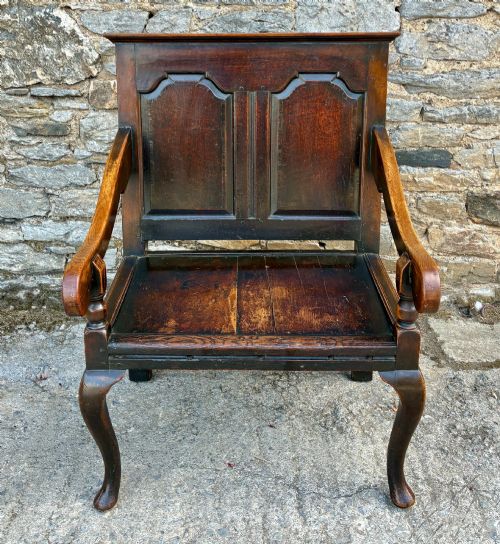
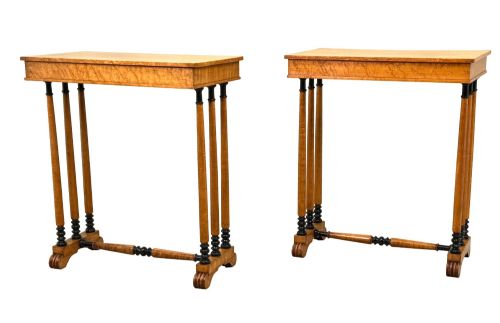
When you search for georgian hall furniture, you encounter items intended for entrance halls, vestibules, and passageways from the eighteenth and nineteenth centuries. The selection includes oak and mahogany settles, side tables, console tables, lowboys, and hall chairs designed to handle the daily traffic of large households.
Oak and mahogany pieces dominate the inventory, ranging from vernacular settles to formal console tables. You are most likely to meet lowboys and oak settles originating from the eighteenth century alongside Regency period mahogany side tables and chairs.
How they were made
Cabinet makers utilised solid timbers such as oak, mahogany, walnut, and fruitwood, often selecting figured veneers like burr walnut, satinwood, and birdseye maple for decorative surfaces. Joinery relied on traditional framing techniques, panel construction, and dovetailing for drawers, while carving and marquetry provided surface ornament.
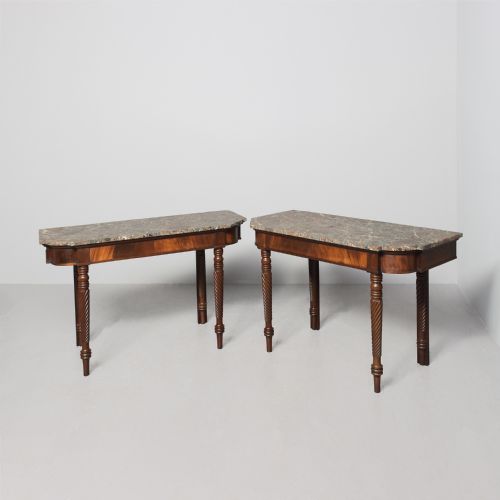
Secondary timbers like ash and pine appear in structural components and drawer linings. Marble tops feature on specific console and side tables from the Regency and William IV periods, paired with polished mahogany frames.
High-backed wooden settles were engineered specifically to trap body heat around the sitter while keeping cold hallway drafts away from the spine.
What varies in quality
The distinction between ordinary and superior pieces rests on timber selection, the crispness of carved detail, and structural integrity. Finer examples display carefully matched grain patterns in veneers, balanced proportions, and minimal timber replacement over time.
Vernacular pieces derive their merit from honest patination and robust local construction, whereas formal pieces depend on sophisticated cabinet work, such as geometric mouldings and precise marquetry.
Gillingtons of Dublin·Gillows
The Georgian Hall Furniture Glossary
- Lowboy
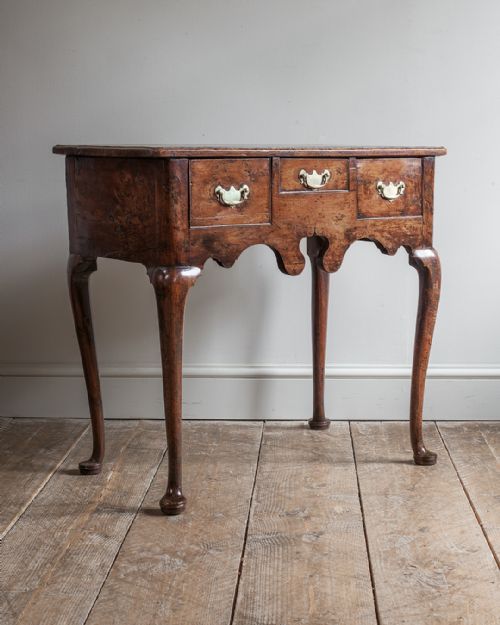
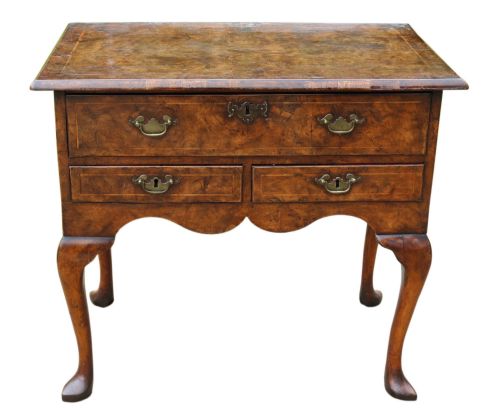
- A small dressing table or side table featuring drawers, commonly raised on cabriole or straight legs. These versatile pieces frequently served as hall or bedroom furniture in the eighteenth century.
- Settle
- A wooden bench with a high solid back, enclosed arms, and often a box seat for storage. They were placed in halls to block draughts from doors.
- Console table
- A table designed to be fixed against a wall, frequently supported by brackets or legs at the front. Georgian examples often featured marble tops and carved mahogany frames.
- Washstand
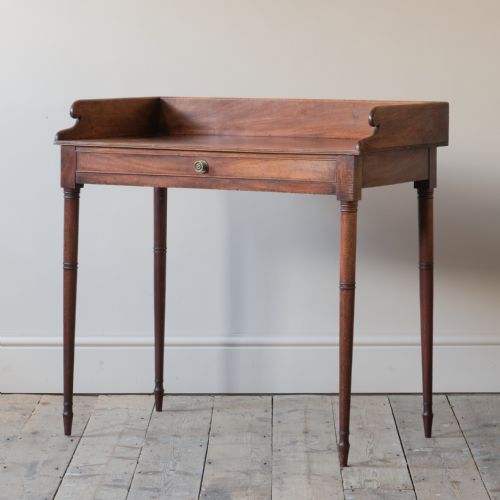
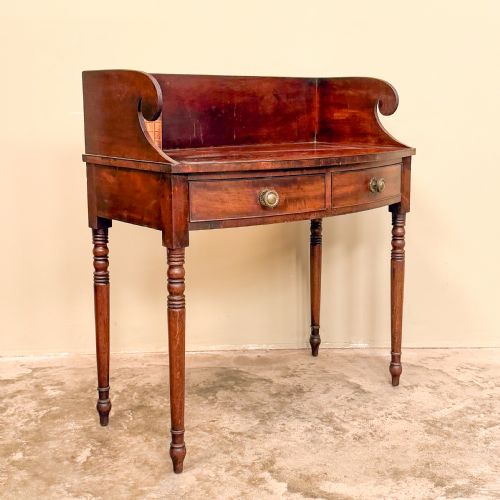
- A piece of furniture designed to hold a basin and jug for washing. They appear in mahogany and other timbers across the Georgian and Regency periods.
- Marquetry
- The art of applying pieces of veneer to a structure to form decorative patterns. It appears on sophisticated eighteenth-century table tops and furniture fronts.
Georgian Hall Furniture: Frequently Asked Questions
What was the purpose of a settle in a hall?
Settles provided seating near entrance doors while the high solid back and enclosed arms protected occupants from cold draughts. The base often doubled as a box for storing household items.
In larger houses, they furnished the entrance hall or servants' quarters to offer robust, practical seating.
Were console tables used in entrance halls?
Console tables were placed against walls in formal hallways and reception rooms to display decorative objects or provide a surface upon entering the house. They often featured marble tops to resist moisture from wet items.
Their designs evolved from elaborate carved walnut and mahogany in the mid eighteenth century to lighter Regency styles.
What timber is most common in these pieces?
Oak is the predominant timber for eighteenth-century vernacular items like settles, dressers, and early lowboys. Mahogany becomes dominant towards the later eighteenth century and throughout the Regency period.
Walnut, fruitwood, elm, and ash also appear across specific regional and stylistic groups.
How do I care for antique hall furniture?
Keep wooden pieces away from direct heat sources and rapid temperature fluctuations to prevent timber splitting and veneer lifting. Regular dusting with a dry cloth maintains the polished surface.
Avoid silicone-based polishes and apply traditional beeswax sparingly to nourish the antique timber.