



Georgian Gold Pin
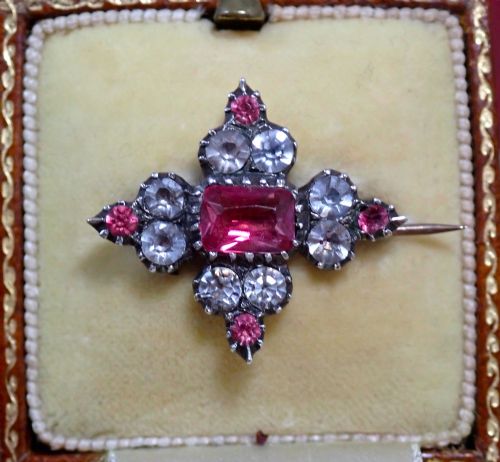
A georgian gold pin offers wearable history through delicate paste gems, carved shell and precious metal.
Georgian Gold Pin
A georgian gold pin encompasses brooches, stick pins and hair ornaments created during the Georgian and Regency periods. Buyers encounter small mourning pieces, gemstone clusters and delicate carved cameos worked in gold.
The selection on this page leans heavily towards brooches and pins set with paste, garnets, seed pearls and shell cameos. These jewels served as sentimental tokens, mourning tributes and fashionable dress fastenings.
Origins stretch across the late eighteenth and early nineteenth centuries, capturing the distinct craftsmanship of the Georgian era alongside occasional Victorian pieces. Each surviving pin represents personal adornment from a bygone age.
How they were made
Goldsmiths shaped these jewels using yellow gold, 9ct gold, 15ct gold and pinchbeck to form intricate settings. Metalwork often incorporates fine filigree, cannetille wirework and closed-back foil settings behind stones to enhance brilliance.
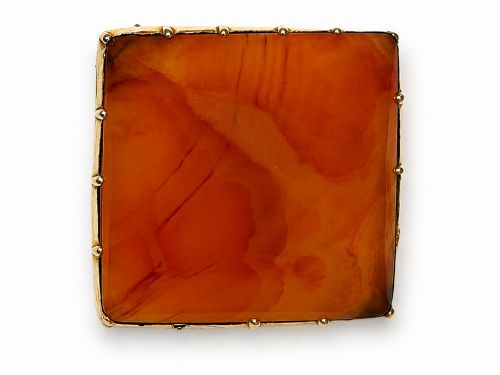
Gemstone selection relies heavily on paste glass, flat cut garnets, seed pearls, rubies and amethysts secured in hand-wrought collets. Carved shell cameos and hardstone agates provide classical imagery carved in relief.
Listings for this phrase include gold, silver, glass, shell, paste and seed pearl across Georgian, Regency and Victorian periods.
What varies in quality
The refinement of the metalwork and the precision of the stone-setting dictate the standing of an individual piece. Superior examples display crisp chasing, secure foil backing and well-matched stones without adhesive replacements.
Artistic execution in hand-carved shell cameos and miniature portraits separates standard production from finer workshop output. The integrity of the original pin stem and clasp mechanism also influences the character of each survivor.
The Georgian Gold Pin Glossary
- Paste
- Faceted glass created to imitate precious gemstones. It appears frequently in Georgian jewellery for its deep colour and lively sparkle.
- Cannetille
- Fine gold wirework soldered in intricate lace-like patterns. This decorative technique mimics embroidery popular in early nineteenth-century design.
- Collet
- A flat band of metal that holds a gemstone in place. Georgian stones typically sit within closed-back collets lined with coloured foil.
- Pinchbeck
- An alloy of copper and zinc invented to imitate gold. It provides a warm golden finish seen on various Georgian pendants and pins.
- Flat cut
- Gemstone faceting style featuring a flat top and unfaceted or minimally faceted lower surfaces. It is typical of eighteenth-century stone cutting.
Georgian Gold Pin: Frequently Asked Questions
How were mourning pins worn?
Mourning pins served as personal tributes to deceased loved ones, often incorporating woven human hair beneath a glass panel. Mourners pinned them directly to garments or black silk ribbons.
These pieces allowed the wearer to keep a tangible memory close during periods of formal bereavement.
Are stick pins and brooches different?
Stick pins feature a long metal shaft designed to secure neckties, scarves or lapels with an ornamental head facing outward. Brooches utilise a hinged pin and catch mechanism on the reverse to fasten directly onto fabric.
Both forms utilise similar decorative motifs and gemstone settings characteristic of the period.
How do I identify paste stones?
Paste stones are specially formulated lead glass cut and polished by hand to resemble diamonds or coloured gems. Under close inspection, they often reveal tiny air bubbles or softer facet edges than natural crystals.
Georgian paste is typically set in closed metal backs with reflective foil inserted underneath to increase light reflection.