


Georgian Oval Brooch
A georgian oval brooch is a wearable piece of history, combining miniature portraiture and precious metalwork for a distinct period aesthetic.
Georgian Oval Brooch
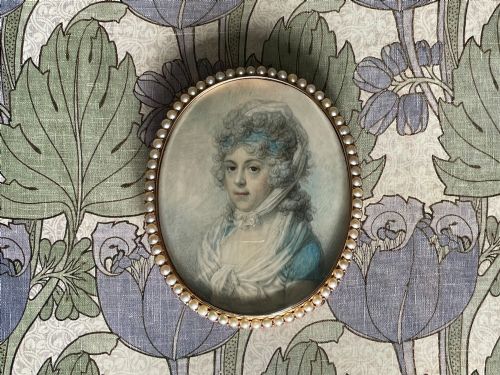
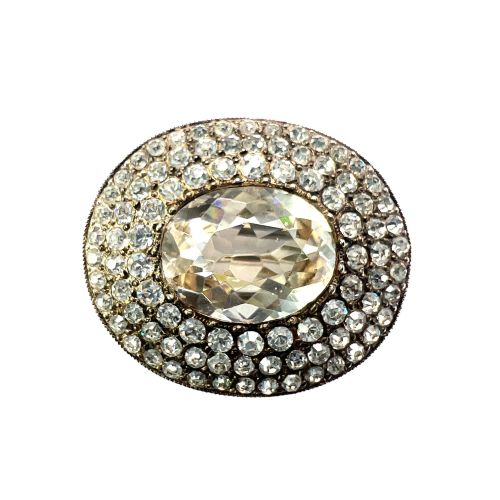
A georgian oval brooch takes several distinct forms, most frequently appearing as miniature portrait paintings or delicate silver paste pins. These jewels often incorporate hair work, memorial elements, or classical neoclassical motifs.
The materials span gold, silver, paste glass, jasperware, and shell cameos, housing painted watercolours alongside gemstone settings. Pieces from this grouping originate across the eighteenth and nineteenth centuries, reflecting diverse workshops and makers.
How they were made
Maker's work involved setting delicate paste glass, pink topaz, chrysoberyl, rose diamonds, and flat-cut rubies into gold and silver mounts. Miniature paintings on watercolour utilised fine brushwork to capture detailed human likenesses.
Metalwork often employed pinchbeck, a copper and zinc alloy designed to imitate gold, alongside traditional precious metals. Artisans integrated organic elements like hair work beneath protective glass panels to create mourning and sentimental jewels.
Materials recorded in current stock include gold, silver, paste glass, jasperware, shell cameos, and watercolour miniature paintings.
What varies in quality
Quality rests in the finesse of the miniature painting and the precision of the stone cutting, distinguishing standard production from master work. Hand-painted watercolours by named artists contrast with unsigned or simpler decorative panels.
The integrity of the metal setting and the survival of original paste or gemstone elements determine the overall merit of an item. Finer examples retain their original bezels and closures without clumsy modern replacements.
The Georgian Oval Brooch Glossary
- Paste glass
- Faceted glass used to imitate gemstones in historic jewellery. It was hand-cut and foiled to enhance brilliance.
- Pinchbeck
- An alloy of copper and zinc developed in the eighteenth century as an economical substitute for gold. It has a warm, brassy tone.
- Jasperware
- A type of fine stoneware developed by Josiah Wedgwood, characterised by a matte surface and applied white relief figures.
Georgian Oval Brooch: Frequently Asked Questions
What is a georgian oval brooch?
These items are historic pins featuring oval frames, often enclosing miniature portraits, hair work, or gemstones. They date primarily from the eighteenth and nineteenth centuries.
They reflect the artistic and sentimental jewellery styles of the period, utilising materials such as gold, silver, and paste glass.
How were these brooches worn?
Historic wearers pinned these pieces to the bodice, collar, or sash of formal garments. They functioned as both decorative adornments and intimate memorials.
Many incorporated hidden compartments at the rear to hold locks of hair from loved ones.
Are these brooches made of real gold?
Some pieces utilise solid gold or silver mounts, while others employ pinchbeck or mixed metals. Jewellers of the era selected materials based on the intended cost and function of the jewel.
Examining the metal closely reveals whether the piece is solid precious metal or base metal alloy.
How do you identify a portrait miniature?
Portrait miniatures are hand-painted watercolours on ivory, vellum, or paper, usually protected beneath glass. Master painters created these small likenesses with incredible detail.
Some pieces bear the signature of the artist or attribution to known Georgian portraitists.