



Georgian Gold Brooch
A georgian gold brooch is a portable piece of history, combining precious metalwork with portraiture, hairwork or gemstones to wear on the lapel.
Georgian Gold Brooch
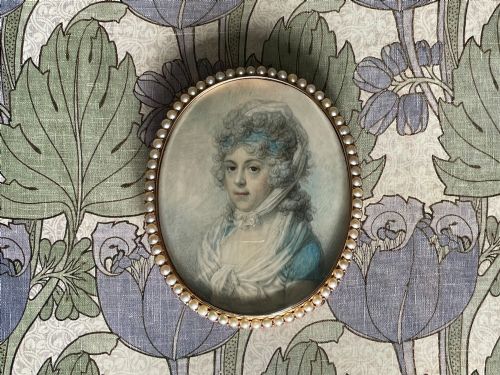
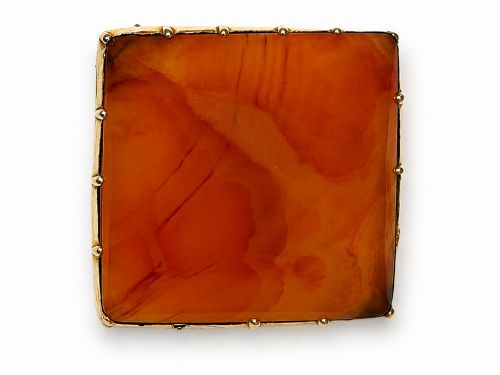
When you search for a georgian gold brooch, you encounter pieces spanning the eighteenth century into the nineteenth, encompassing the Georgian, Regency and early Victorian periods. These ornaments take varied forms, from mourning jewels enclosing hair behind glass to miniature portrait paintings and carved shell cameos set in metal.
Originating across the Georgian era and reaching into 1800 and the early nineteenth century, these jewels reflect the aesthetic shifts from Neoclassical portraiture to romantic mourning customs. They function as both personal tokens and wearable art objects.
The spectrum of quality
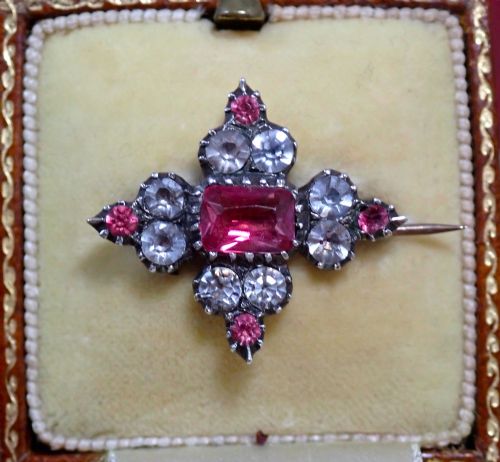
The integrity of the materials also dictates the standard, with natural pearls, well-matched flat cut garnets or genuine rose diamonds marking out finer workshop production compared to standard paste substitutes or simple gilt metal mounts.
The survival condition of fragile components, such as intact hairwork under glass, undamaged enamel and crisp metal texture without excessive wear, separates ordinary survivals from exceptional collector pieces.
The archive includes mourning brooches, portrait miniatures, silhouette portraits and Wedgwood ceramic inserts.
Richard Cosway·Christian Friedrich Zincke·John Miers·Wedgwood
The Georgian Gold Brooch Glossary
- Paste
- Hand-cut glass used to imitate gemstones in period jewellery. It reflects light differently than natural stones.
- Cannetille
- Delicate filigree wirework resembling fine lace or embroidery, popular in gold jewellery of the early nineteenth century. This technique creates airy, three-dimensional decorative surfaces.
- Mourning brooch
- A commemorative jewel containing human hair, miniature painting or black enamel to remember a deceased person. These objects served as tangible links to absent loved ones.
- Flat cut garnet
- Garnets cut with a flat table and faceted sides, typical of eighteenth-century settings. They are frequently backed with coloured foil to intensify their deep red hue.
- Giardinetti
- Jewellery designed to resemble a small garden basket or floral bouquet of gemstones. The term translates from Italian as little garden.
Georgian Gold Brooch: Frequently Asked Questions
What is a hair mourning brooch?
A hair mourning brooch is a commemorative jewel that incorporates real human hair, arranged in intricate patterns behind a glass panel, set within a gold or silver frame.
These pieces were commissioned to remember deceased family members, serving as deeply personal tokens of grief and remembrance during the Georgian era.
How do I tell paste from real stones?
Paste is hand-cut glass rather than a mined gemstone, often identifiable by tiny bubbles under magnification and foil backings placed beneath the stone to boost colour.
In eighteenth-century pieces, paste was valued for its own decorative qualities and was worked with the same care as precious gems.
How should I wear an antique brooch?
Antique brooches suit heavy woollen lapels, collars, scarves or velvet ribbons, though their pin mechanisms require careful handling due to their age.
Because many carry delicate hairwork or painted surfaces, they need protection from sharp impacts and moisture during wear.