




Georgian Glazed Display Case
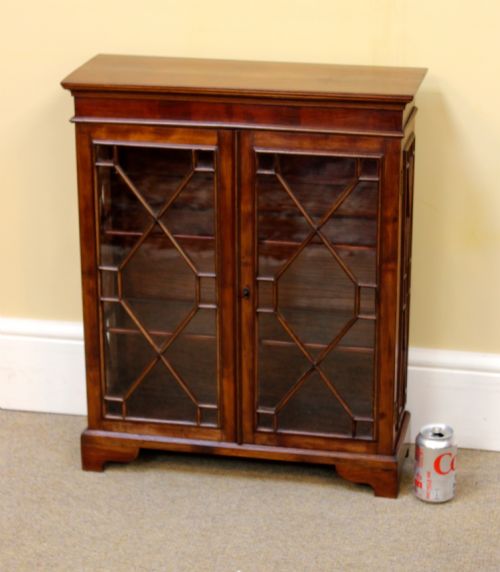
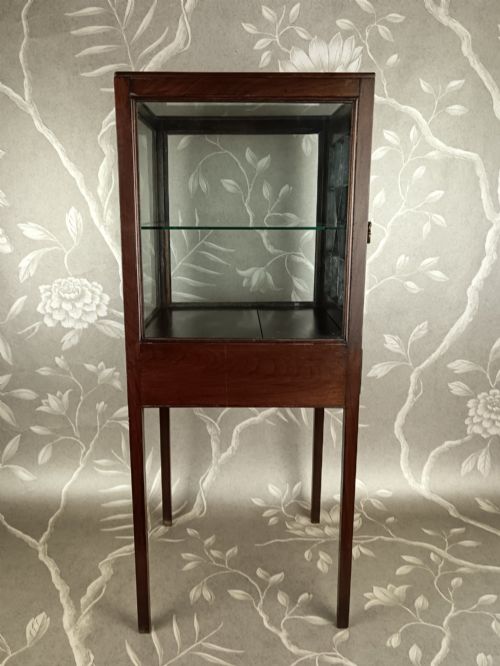
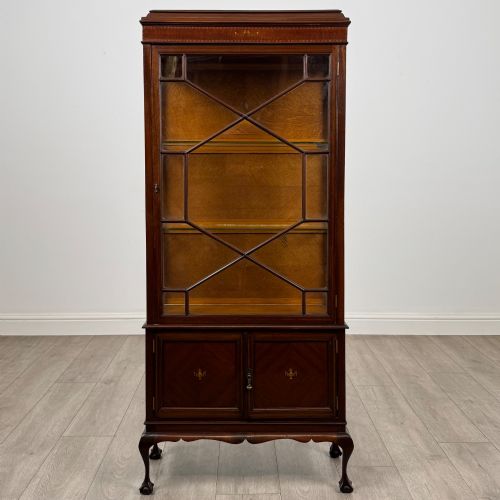
A georgian glazed display case houses precious objects behind glass, bringing architectural proportion and fine timber into a room.

Georgian Glazed Display Case
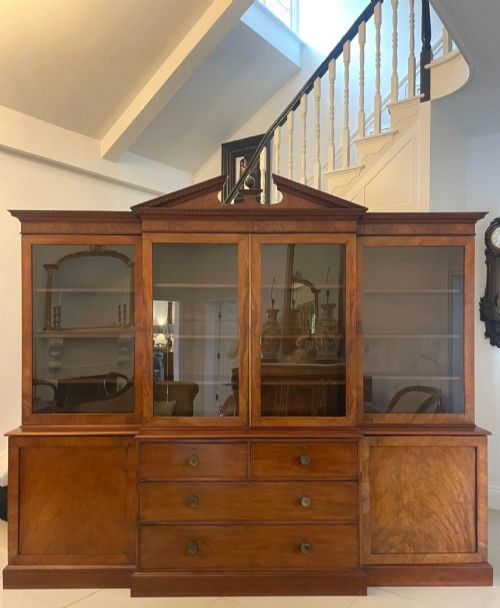
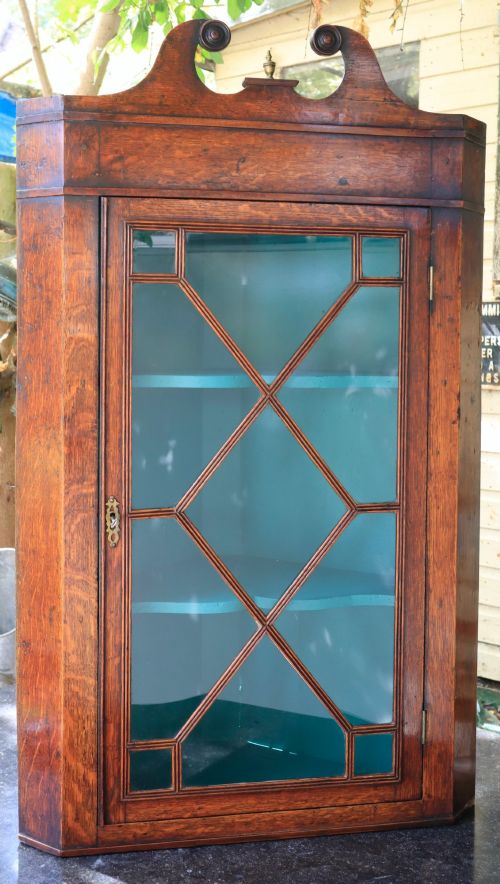
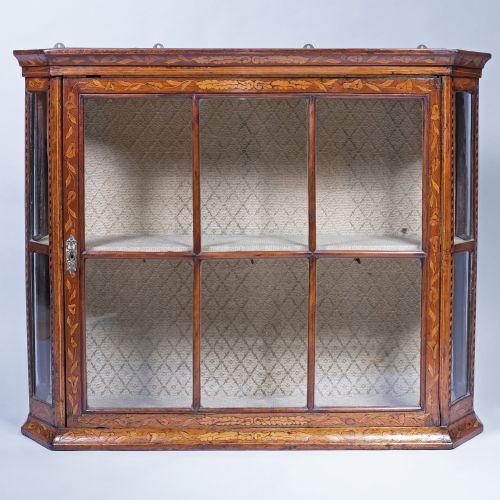
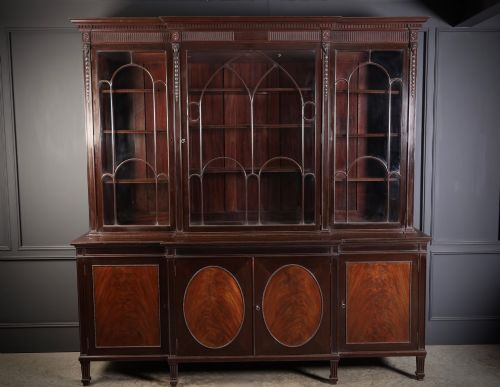
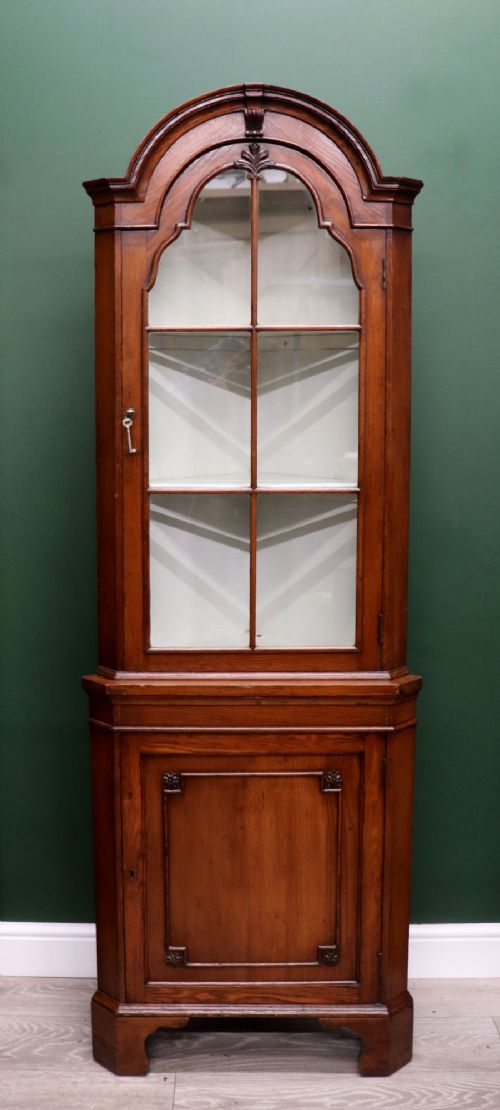
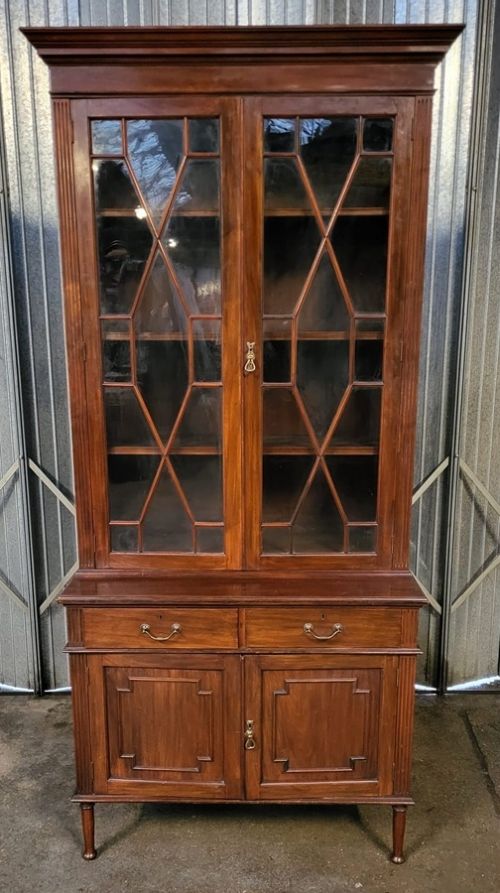
A georgian glazed display case encompasses tall breakfront bookcases, wall-hanging cupboards, and freestanding corner cabinets designed to show books and porcelain. These pieces originate from the Georgian period through to later revival eras, including Edwardian interpretations.
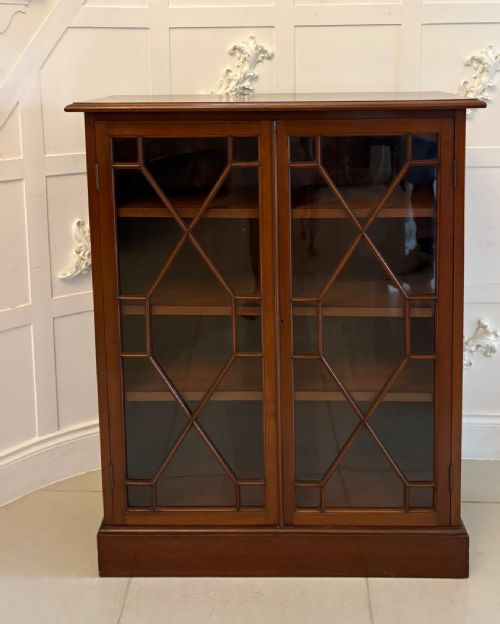
Corner units dominate the selection, utilising awkward room angles with glazed doors and fitted shelving. Floor-standing bookcases and compact miniature cabinets provide alternative scales for different interiors.
Makers and cabinetmakers produced these works in mahogany, oak, and walnut, often applying satinwood inlay or painted finishes. Styles range from strict George III designs to later Chippendale and Sheraton revivals.
Materials and Construction
Cabinetmakers built the primary carcases in dense timbers like mahogany and oak, frequently selecting figured veneers for visibility on primary surfaces. Glazing bars divide the glass panes into geometric patterns, requiring precise joinery to support the transparent panels.
Brass hardware, including hinges, escutcheons, and locking keys, secures the doors on wall-hanging and floor-standing models. Satinwood inlay and stringing provide contrast to darker ground woods on decorated surfaces.
Listings feature mahogany, oak, and walnut timbers, with glazed display cases spanning the Georgian, Edwardian, and later revival periods.
Defining Quality
Quality rests in the architectural harmony of the proportions and the crispness of the timber carving or inlay work. Superior examples exhibit tightly fitted glazed doors with uniform muntins and well-figured grain across the primary facade.
Interior elements distinguish the better pieces, such as adjustable shelving systems, lined display surfaces, and well-executed secondary woods in the drawer linings and carcase backs.
Maple & Co.
The Georgian Glazed Display Case Glossary
- Breakfront
- A cabinet design where the central section projects forward from the flanking wings. This creates depth and architectural presence.
- Vitrine
- A glass-sided display cabinet designed specifically for the exhibition of porcelain and small objects. These pieces often feature glazed panels on multiple sides.
- Muntin
- The narrow timber strip that holds individual panes of glass within a sash. Fine muntins indicate superior cabinetmaking.
- Escutcheon
- A protective plate surrounding a keyhole, frequently cast in brass. It prevents the timber from wearing around the lock.
- Parquetry
- Geometric mosaic woodwork used for decorative surface patterns on furniture. Cabinetmakers applied this technique to panels and tabletops.
Georgian Glazed Display Case: Frequently Asked Questions
How do I fit a corner cabinet?
Measure the wall depth from the internal corner outward to ensure the cabinet doors clear adjacent furniture when opened. Wall-hanging models require secure fixing into structural studs or masonry to support the weight of timber and glass.
Position the cabinet away from direct sunlight to protect internal linings and any displayed items from fading. Floor-standing versions benefit from leveling feet on uneven historic floors to maintain door alignment.
How do I care for antique mahogany?
Dust the timber regularly with a soft, dry cloth to prevent particulate buildup on the polished finish. Avoid silicone-based sprays and keep the cabinet away from direct heat sources to prevent timber splitting.
Apply a microcrystalline wax occasionally to nourish the grain and protect the surface from moisture. Ensure the brass locks and hinges remain lightly oiled for smooth operation.
Are these cabinets suitable for small rooms?
Compact wall-hanging cupboards and miniature cabinets utilise vertical wall space without occupying valuable floor area. Corner cabinets fit neatly into unused room angles, freeing up central circulation space.
Glass doors reflect light around smaller interiors and create a sense of openness. Choosing a lighter timber species or painted finish further reduces visual weight in restricted spaces.