






Georgian Glassware C1750
Georgian glassware c1750 brings tactile 18th-century English drinking vessels to your table, offering genuine period charm and hand-formed character.
Georgian Glassware C1750
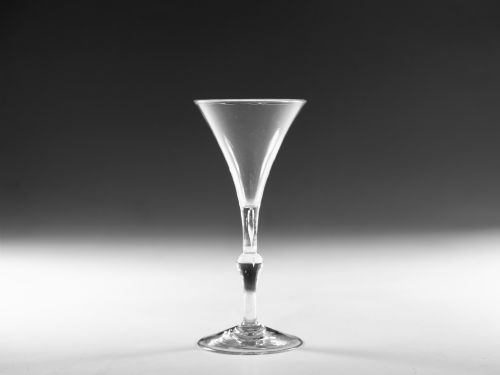
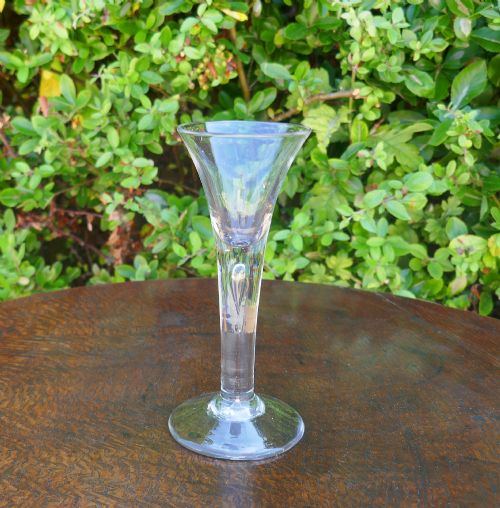
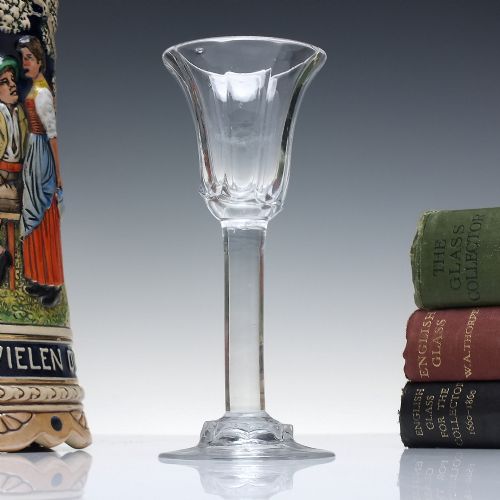
When you search for georgian glassware c1750, you are looking at authentic 18th-century English drinking vessels and tableware designed for wine, ale, spirits, and sweetmeats. The selection on this page centres primarily on wine glasses, stemware, goblets, jelly glasses, decanters, and cordial glasses.
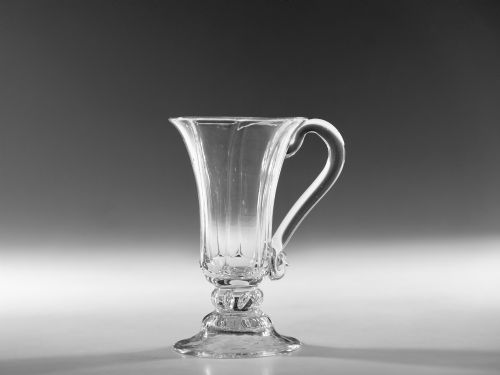
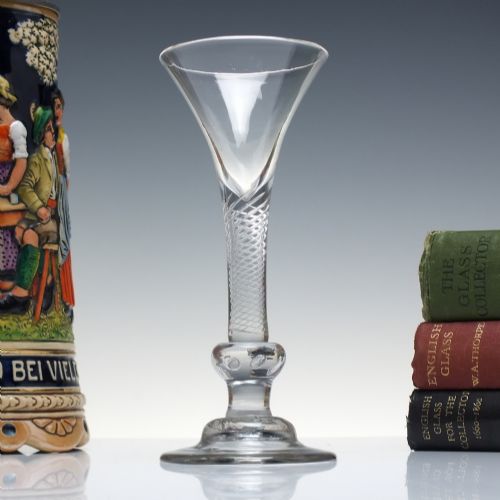
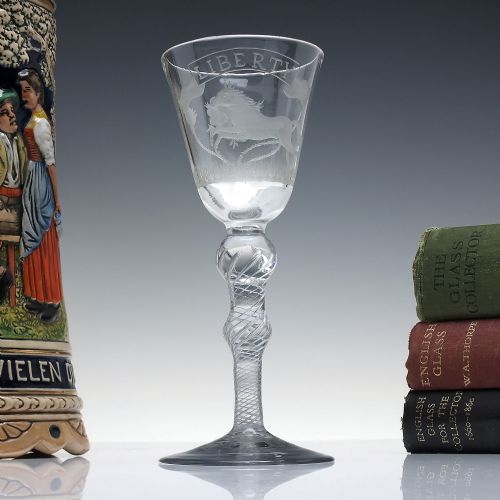
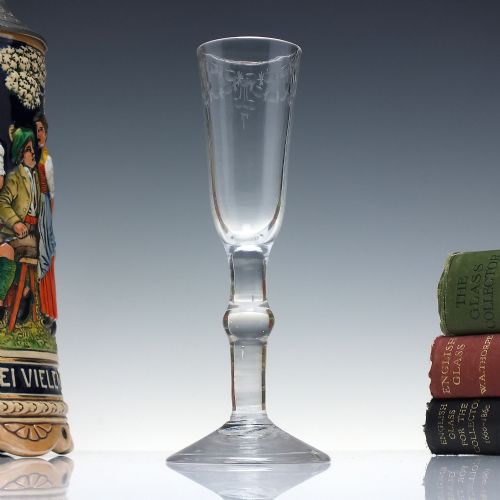
The pieces span the mid-18th century, with forms ranging from simple plain stem wine glasses to more elaborate baluster, balustroid, air twist, and mercury twist examples. Collectors will also find specialised items such as ratafia glasses, ale glasses, and panel moulded jelly glasses.
Originating predominantly from English workshops, these items reflect the domestic social rituals of the Georgian era. Each piece shows the distinct proportions and hand-finished qualities typical of mid-century glasshouses before industrial mass production took hold.
How they were made
Georgian glassware c1750 was produced using lead glass, lead crystal, flint glass, or clear lead glass melted in coal-fired furnaces. The heavy use of lead oxide gave the metal a high refractive index and a bright, resonant quality.
Forming was achieved through free-blowing or mould-blowing, utilising techniques such as panel moulding, petal moulding, and air twisting. Stems and feet were shaped by hand, often incorporating domed feet or optical effects like air bubbles trapped within the metal.
Georgian Glassware C1750 Retail Price Guide 2026
Typical asking prices for georgian glassware c1750 among the pieces listed under this phrase on Sellingantiques today, from the lower quarter to the upper quarter. They describe what is for sale here now, not the wider market.
The 18th Century and Georgian periods dominate these listings, represented through wine glasses, decanters, and twisted stemware.
What varies in quality
Quality in georgian glassware c1750 is determined by the clarity of the metal, the crispness of the moulding, and the balance of the proportions. Superior pieces exhibit clean lead metal without excessive clouding or heavy inclusions.
The finesse of the stem formation and the engraving distinguish finer examples from standard tavern or domestic ware. Subtle details such as a neatly finished domed foot or a precisely drawn air twist elevate a piece significantly.
The Georgian Glassware C1750 Glossary
- Lead glass
- A type of glass containing lead oxide that increased weight, brilliance, and workability. This material allowed eighteenth-century makers to produce vessels with thicker walls and sharper decorative cuts.
- Air twist
- A decorative stem formation created by drawing out elongated air bubbles trapped within the molten glass. Twisting the stem while pulling it formed a helical thread of air running down the centre.
- Mercury twist
- A stem feature resembling a column of silver mercury, produced by forming threads of air that caught the light differently than standard air twists. It is also known technically as a multiple spiral air twist.
- Baluster stem
- A heavy, thick stem shape derived from architectural balusters, featuring knops and rounded profiles. This form dominated earlier eighteenth-century drinking vessels before slimmer stems became fashionable.
- Ratafia glass
- A tall, narrow drinking glass designed for sipping ratafia, a sweet fruit-flavoured liqueur. Their slender bowls helped control the consumption of potent spirits during the Georgian period.
- Panel moulded
- A vessel form created by blowing hot glass into a ribbed or panelled mould to impart vertical facets. The piece was then usually removed and expanded by further blowing and shaping.
Georgian Glassware C1750: Frequently Asked Questions
Are these glasses safe to use?
Most mid-eighteenth-century drinking vessels remain structurally sound and can be used for special occasions. Ensure the glass is free of structural cracks before filling it.
Hand-washing is essential after use, and care should be taken when setting them down on hard surfaces due to their delicate historic feet.
What is an air twist stem?
An air twist stem contains spiral threads of trapped air running through the transparent glass. Makers achieved this effect by piercing hot metal with pins and twisting the stem as it was drawn out.
This technique required high skill and created a shimmering optical effect when the glass caught the light.
How can I tell a genuine piece?
Examine the piece for the characteristic weight, greyish-blue tint, and minor surface imperfections typical of eighteenth-century lead glass. Pontil marks on the underside of the foot indicate hand-finished production.
Look closely at the proportions and wear patterns, which should align with mid-Georgian manufacturing methods rather than later Victorian reproductions.