



Georgian Glass Wine Bottle
A georgian glass wine bottle brings authentic period character to the table, combining heavy metal handleability with rich historic depth.
Georgian Glass Wine Bottle
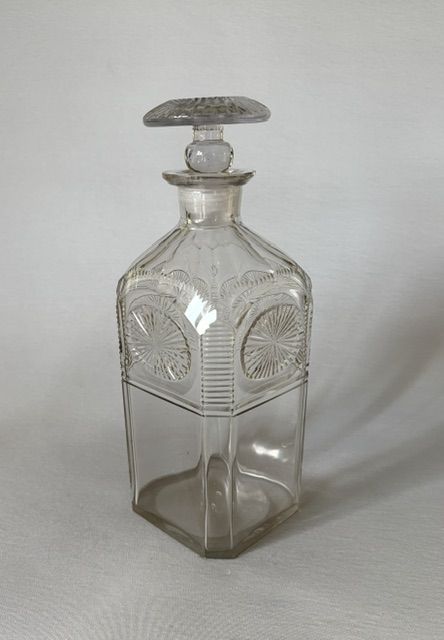
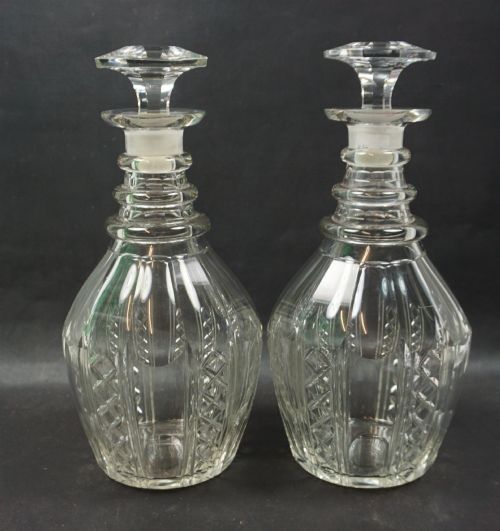
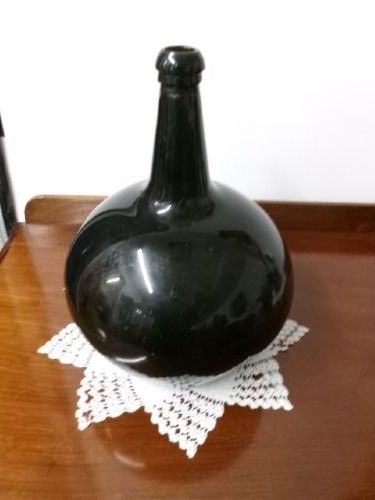
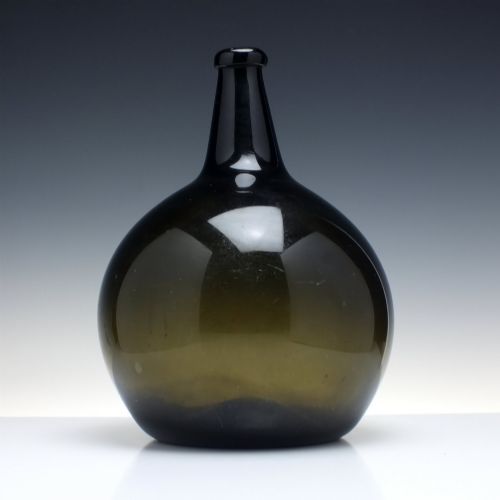
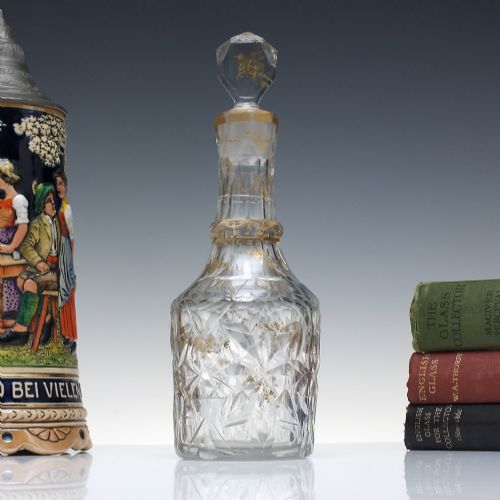
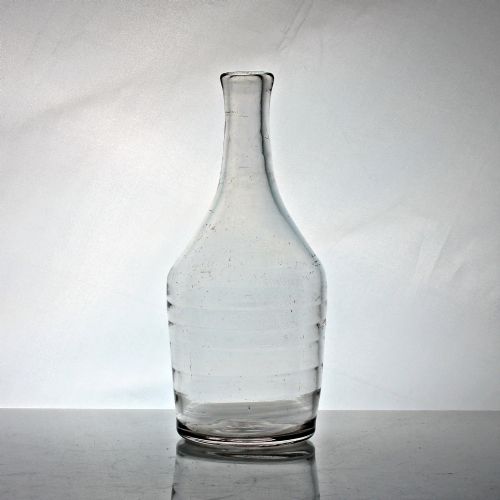
A georgian glass wine bottle is a heavy, hand-formed vessel designed to hold and serve wine during the eighteenth and early nineteenth centuries. The examples met on this page span the Georgian, Regency, and early Victorian periods, including robust cylinder bottles and finely cut serving decanters.
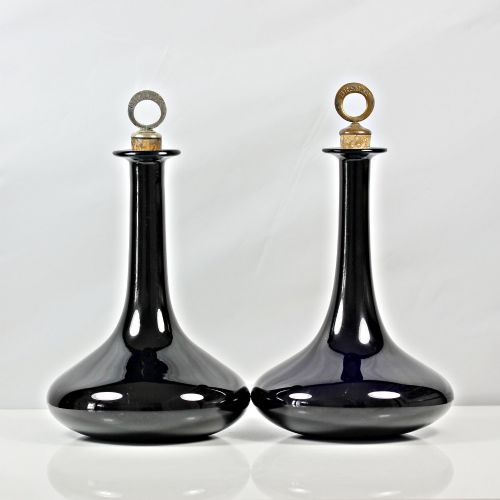
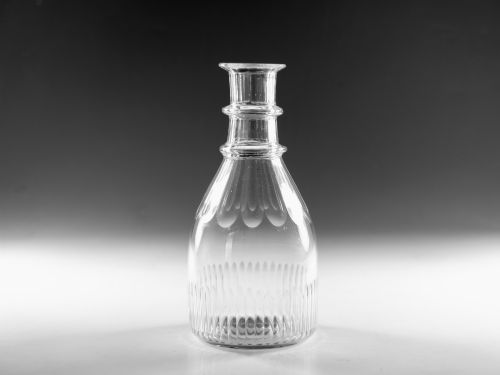
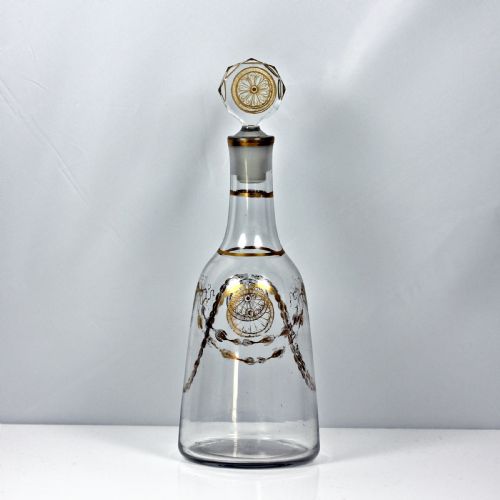
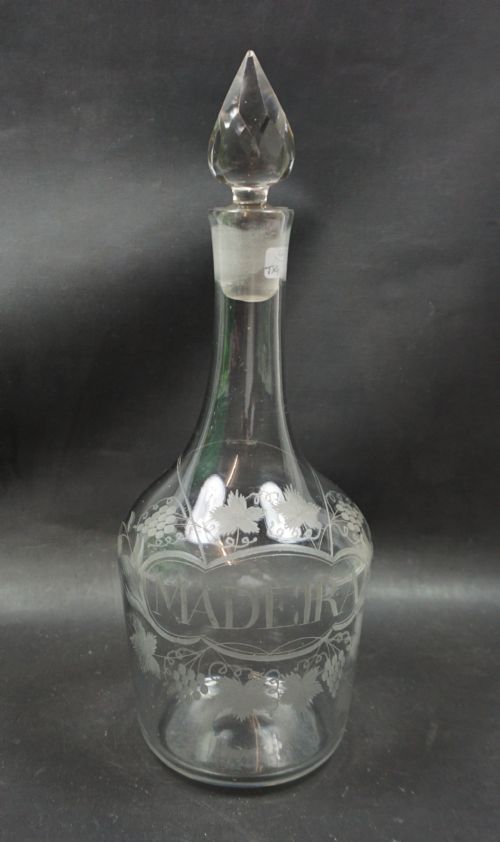
Forms range from large Scottish Alloa and Burgundy storage vessels to slender shoulder carafes adorned with Lynn rings. Buyers encounter heavy lead glass and clear lead crystal alongside striking Bristol blue serving bottles and gilt-decorated pieces.
English production dominates the selection, accompanied by occasional French examples and fitted mahogany two-bottle carriers. These pieces served functional dining roles in period households and now function as decorative table centrepieces.
Distinctions in quality
The clarity and weight of the metal set the foundation for quality, with high-lead crystal offering superior brilliance and heft. Thicker walls and deep, crisp wheel-cut facets distinguish finer production from simpler utility jars.
The precision of applied decorative details, such as evenly spaced neck rings and refined gilding, marks out superior craftsmanship. Master workshops achieved greater symmetry and clarity in both the blown body and the cut patterns.
Georgian Glass Wine Bottle Retail Price Guide 2026
Typical asking prices for georgian glass wine bottle among the pieces listed under this phrase on Sellingantiques today, from the lower quarter to the upper quarter. They describe what is for sale here now, not the wider market.
One remarkably confident bottle bears the enigmatic title REVSALT, reminding us that past drinkers enjoyed custom labelling just as much as we do.
Atelier of James Giles
The Georgian Glass Wine Bottle Glossary
- Lynn ring
- A horizontal applied glass ring encircling the neck of a decanter to provide a secure grip during pouring. These rings are characteristic of specific eighteenth-century English production.
- Lead crystal
- A high-clarity glass containing lead oxide, which increases the weight, refractive index, and ringing tone of the vessel. It serves as the primary material for finer cut decanters.
- Mell decanter
- A serving bottle characterised by a mallet-shaped body that tapers broadly towards the base. This heavy form provided stability on dining tables.
- Pontil mark
- A rough scar on the base of a vessel where the pontil rod was attached during manufacture. Its presence confirms hand-blown production methods.
- Gilding
- The application of gold leaf or gold paint to highlight engraved surfaces or rims. This decorative technique appears on pieces from specialised workshops.
Georgian Glass Wine Bottle: Frequently Asked Questions
How do I date a georgian glass wine bottle?
Dating relies on stylistic shifts in body form, neck ring configuration, and manufacturing evidence like pontil marks. Earlier eighteenth-century examples tend toward darker, heavier cylinder shapes, while Regency pieces often display sharp cut lead crystal.
Changes in shoulder contours and the presence of engraved spirit labels also help narrow the manufacturing period between the Georgian and early Victorian eras.
Did these bottles have stoppers originally?
Most serving decanters and carafes were manufactured to include matching glass stoppers. Surviving original stoppers enhance the historical integrity of the piece.
Storage bottles and heavy utility jars often functioned without stoppers or used cork closures instead.
Can I use these decanters for serving wine today?
These vessels were designed specifically for holding and serving wine in period settings. Many owners continue to utilise them for decanting modern vintages.
Gentle hand washing preserves the historic lead glass and any delicate surface gilding or engraving.