



Georgian Glass Rummers
Georgian glass rummers are sturdy drinking vessels designed for punch and ale, prized for their weight and historic character.
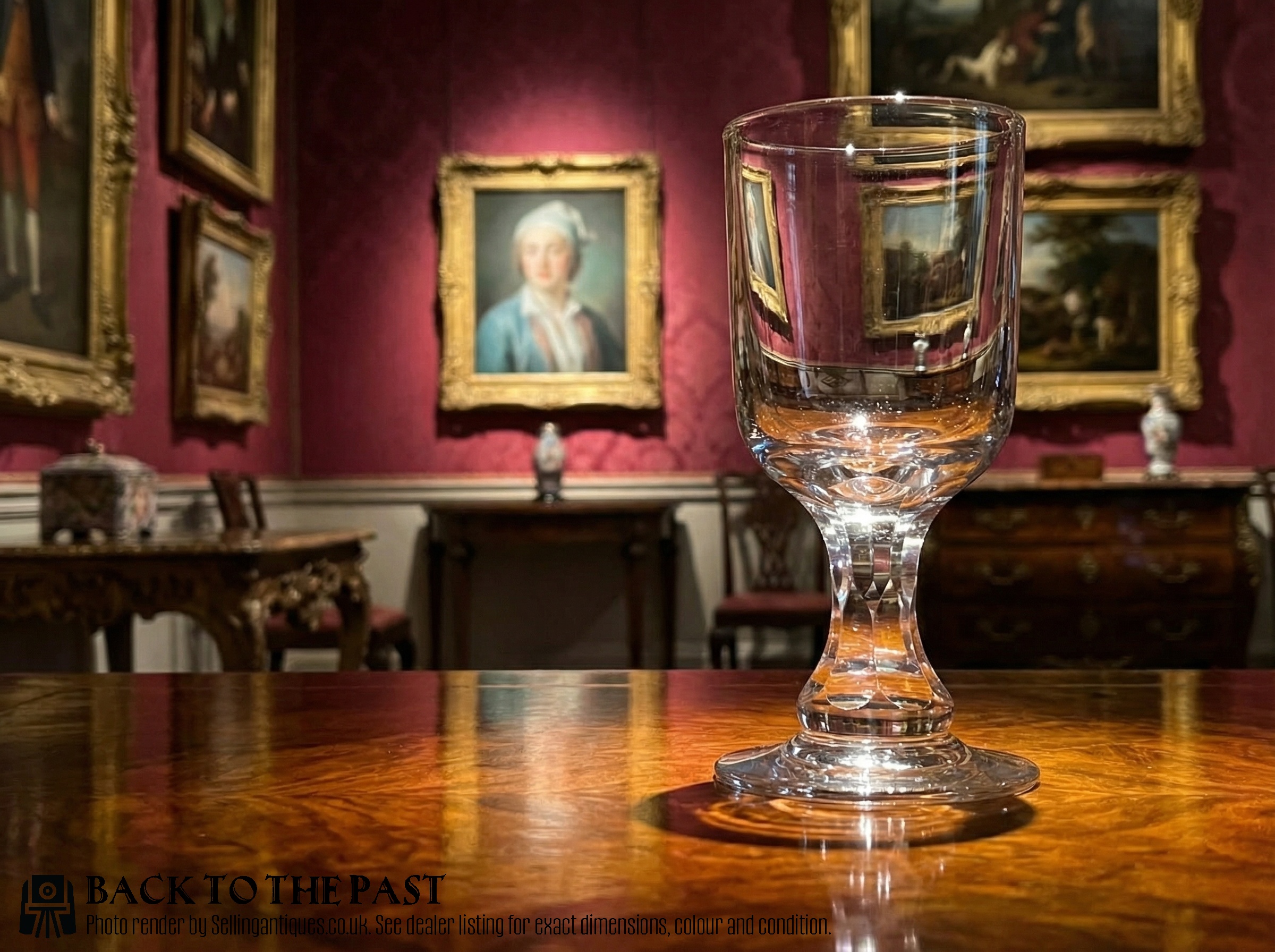
Georgian Glass Rummers
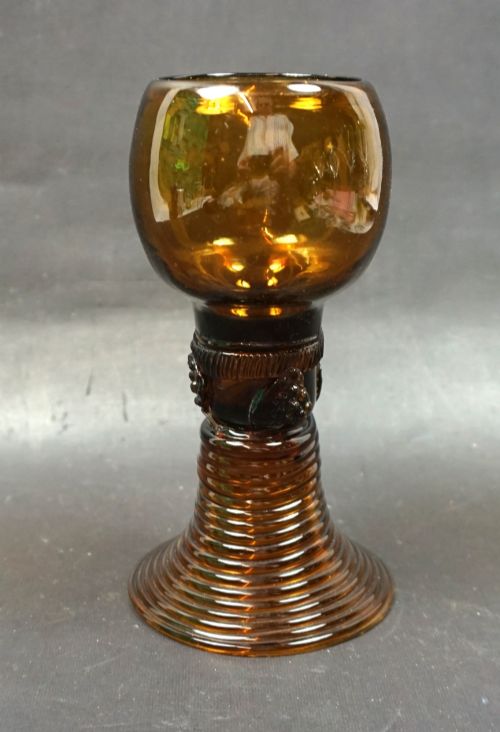
When you search for Georgian glass rummers, you are looking at substantial drinking vessels that originated in the eighteenth and nineteenth centuries for tavern and domestic use. The pieces found here span the Georgian, Victorian, and nineteenth century periods, reflecting the enduring utility of these heavy-stemmed vessels.
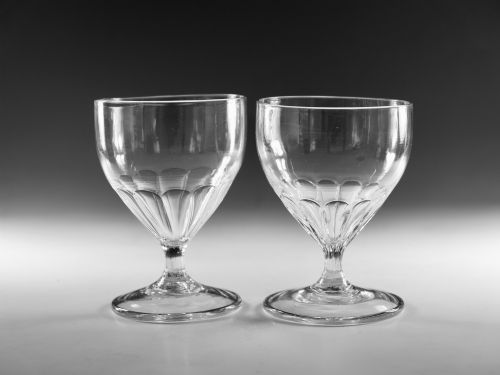
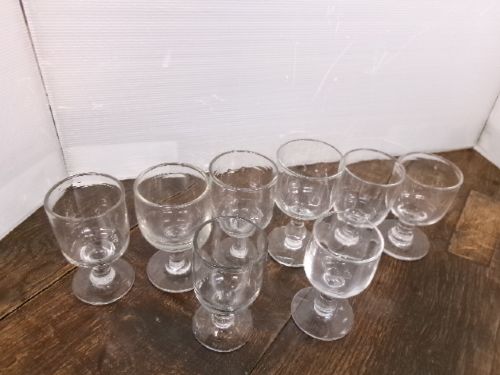
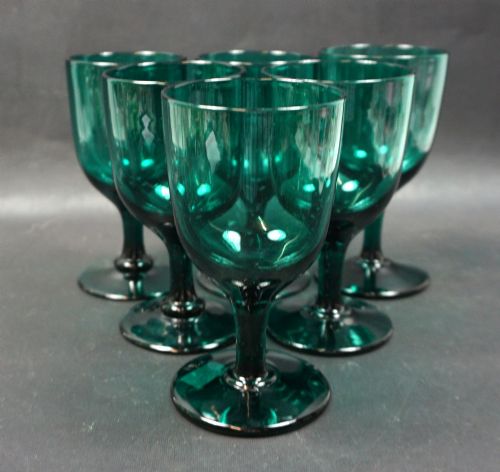
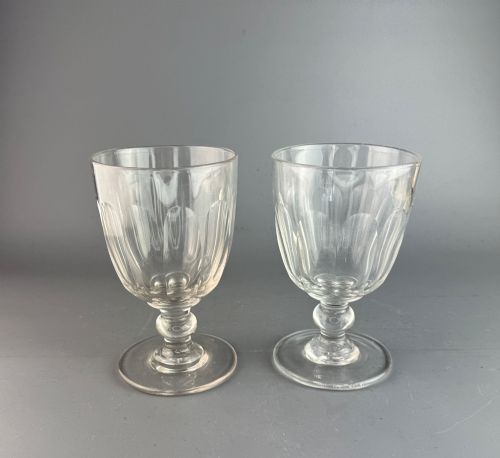
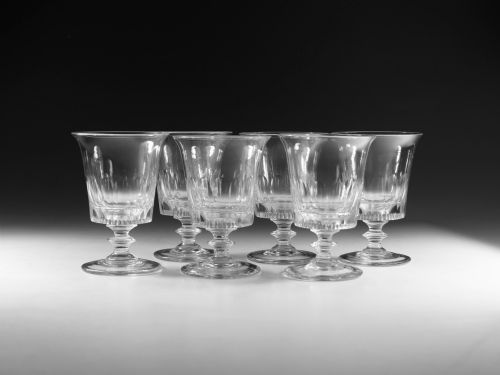
Most examples appear in pairs or sets, showing common forms such as bucket bowls, barrel bowls, and ovoid shapes. These objects capture the social drinking habits of the period, particularly the consumption of punch, ale, and wine.
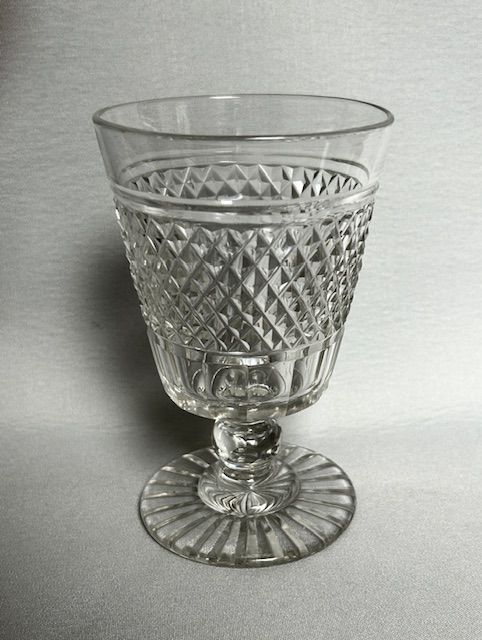
While many carry the classic Georgian style, the inventory also encompasses later nineteenth century interpretations and tavern glass varieties. Buyers encounter everything from plain tavern examples to deeply cut Anglo-Irish designs.
How they were made
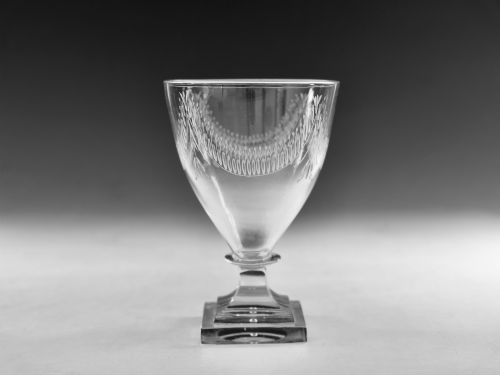
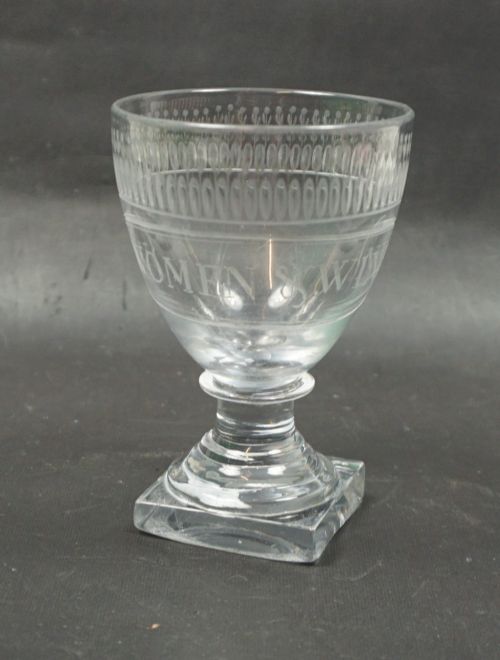
Makers utilised clear glass and lead crystal, shaping the metal while hot and often adding distinct feet or moulded bases. Many vessels employ lemon squeezer bases, formed in a square mould to give stability on uneven tavern tables.
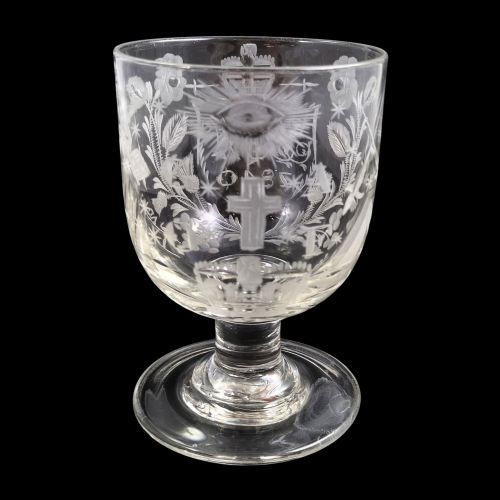
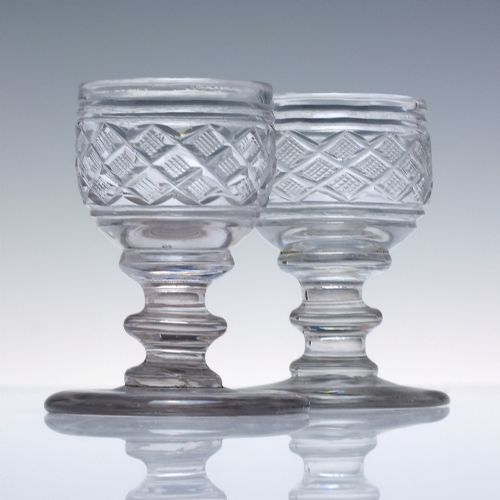
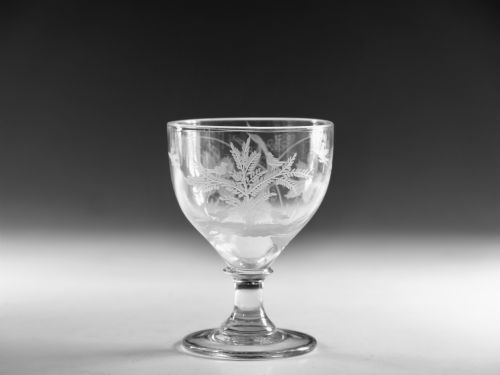
Surface decoration frequently involved wheel cutting, creating panels, flutes, or geometric facets that caught the candlelight. Artisans also applied gilding, as seen in factory-decorated pieces, or engraved delicate floral and personal motifs into the surface.
Listings feature clear glass and lead crystal formed into bucket, ovoid, and barrel bowl shapes across the Georgian and Victorian eras.
What varies in quality
The density and clarity of the metal define the upper tier of these drinking glasses, with heavy lead crystal offering a resonant ring and deep refractive quality. Lighter tavern glass sits at the other end, valued for its utilitarian charm rather than pristine brilliance.
Execution of the cutting and engraving separates standard output from superior work. Crisp facet cuts and precise wheel engraving demonstrate the confidence of the glasscutter, whereas softer, shallower work indicates a simpler production standard.
Absolon Factory
The Georgian Glass Rummers Glossary
- Bucket bowl
- A straight-sided bowl shape widening towards the rim, typical of many rummers from the early nineteenth century. This form provides a robust vessel well suited to heavy use.
- Lead crystal
- Glass containing lead oxide, which increases weight, brilliance, and working time for the glassmaker. It allows deeper, sharper cutting than standard soda glass.
- Lemon squeezer base
- A square, moulded foot resembling a kitchen squeezer, pressed into shape with distinct corners. This heavy base prevents tipping.
- Tavern glass
- Simpler, thicker glassware made for public houses rather than grand dining rooms. It often displays bubbles and minor impurities from basic batch recipes.
- Petal moulded
- A decorative technique where the lower part of the bowl is impressed with ribbed or petal-like patterns. This adds texture and visual interest.
Georgian Glass Rummers: Frequently Asked Questions
What were rummers used for?
These vessels served primarily for punch, ale, and strong wines in homes and public houses.
Their large capacity and sturdy proportions made them practical for communal drinking.
How do I date a rummer?
Stylistic shifts in bowl shapes and foot designs help narrow down the period of manufacture.
Early pieces often feature petal moulding or lemon squeezer bases, while later examples tend toward barrel bowls and simpler cut decoration.
Are these glasses safe to use?
Most antique rummers remain stable enough for careful modern use with cold beverages.
Hand washing in warm water protects the old glass from thermal shock.
Why are they often found in pairs?
Drinking vessels of this era were frequently retailed in matched pairs or larger sets for entertaining.
Survival rates over two centuries mean many sets are now incomplete.