
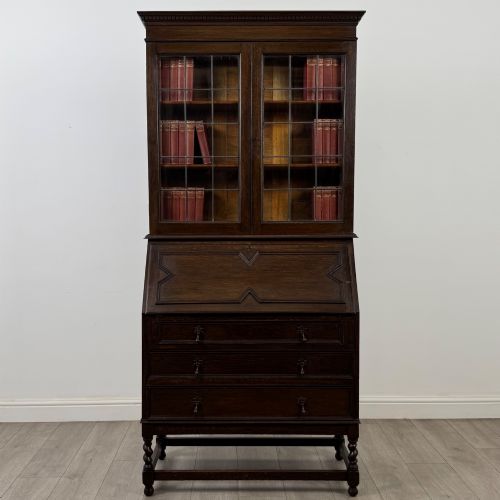

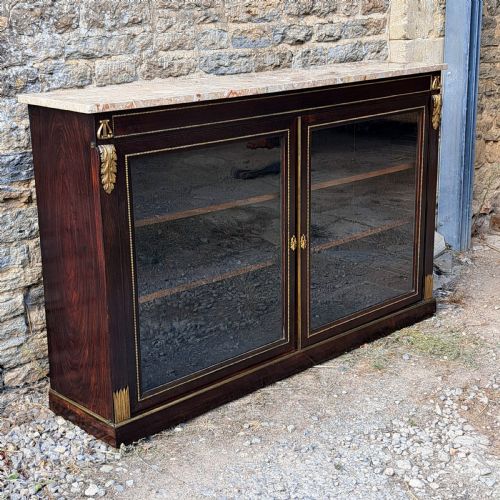
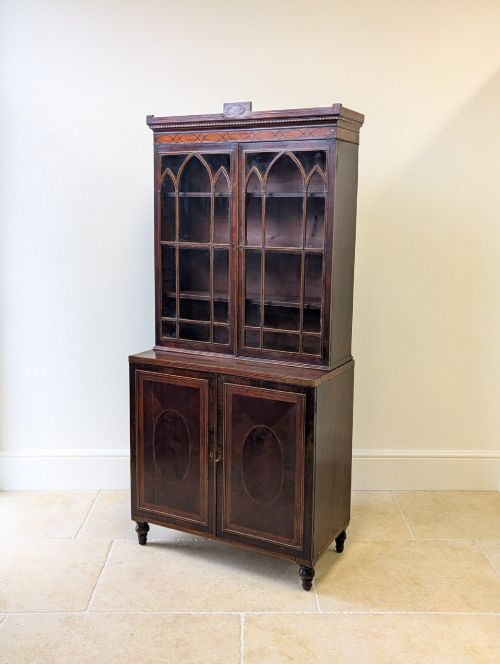
Georgian Glass Cabinet
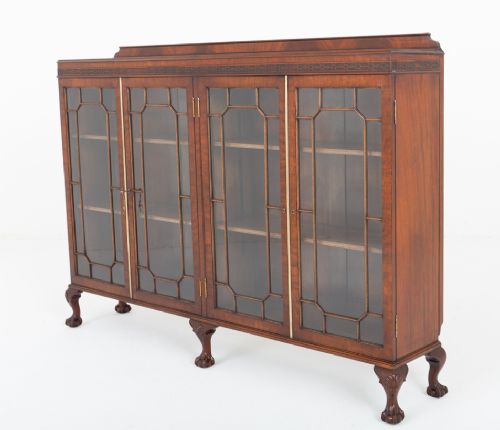
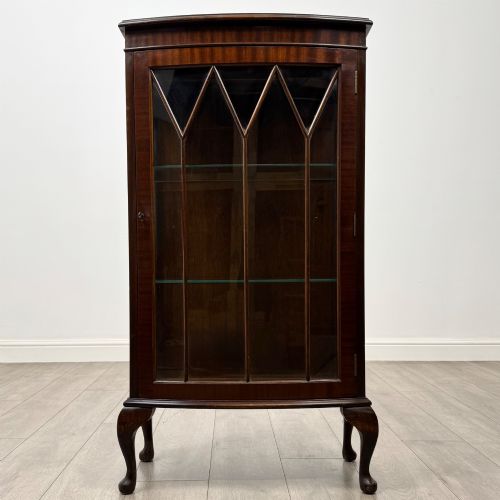
A georgian glass cabinet brings architectural timberwork and clear panes together to hold books and porcelain.
Georgian Glass Cabinet
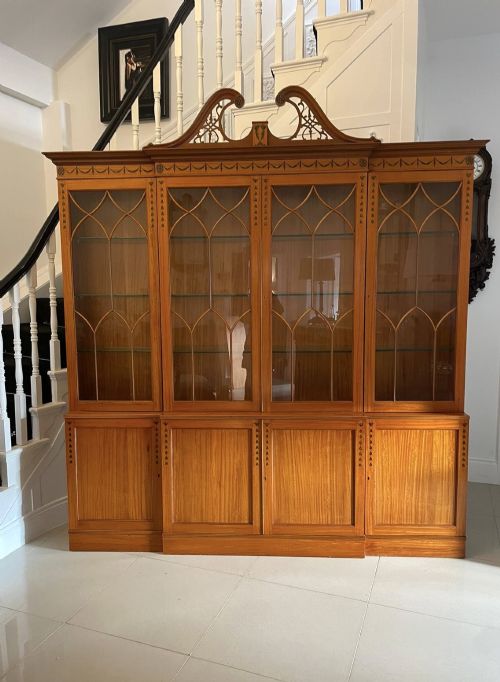
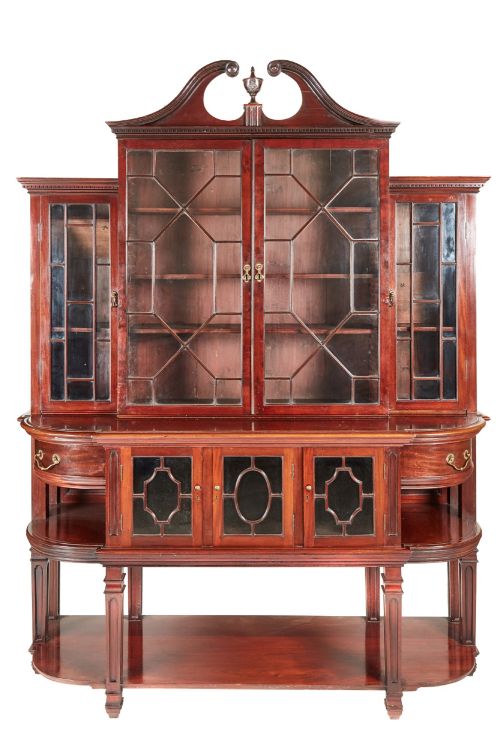
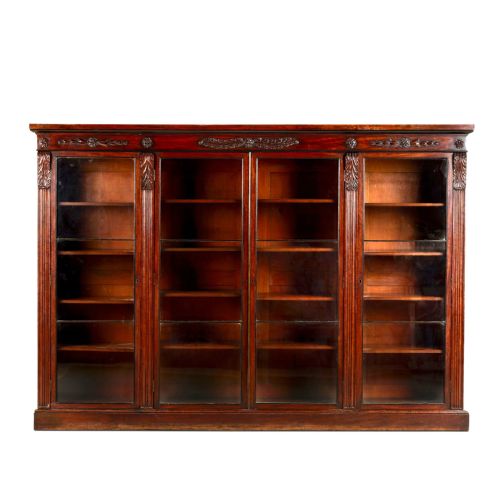
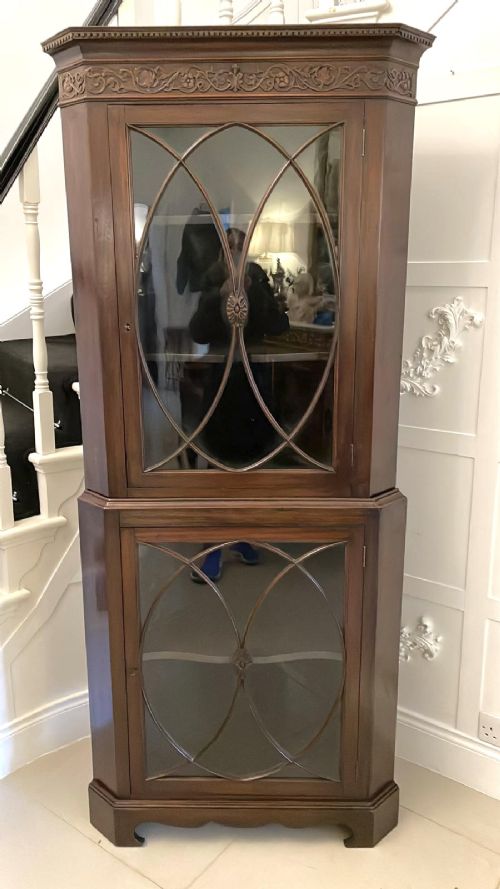
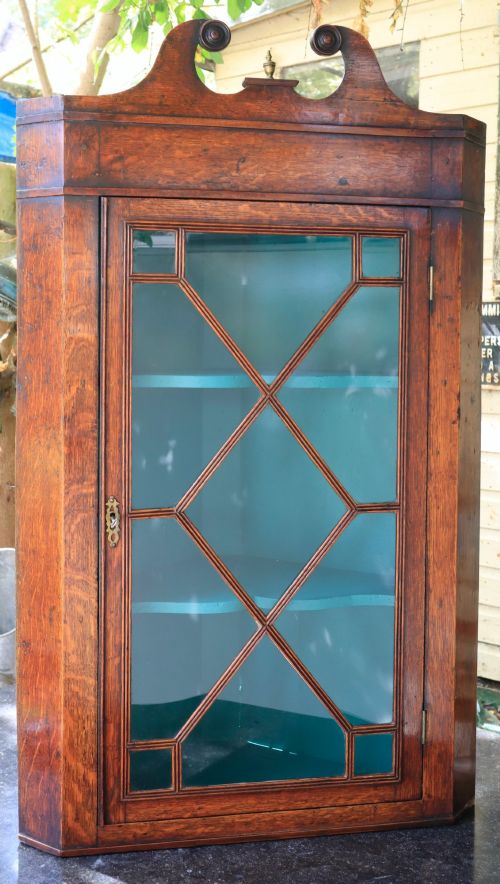
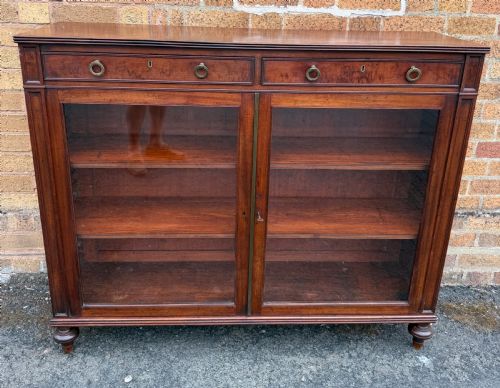
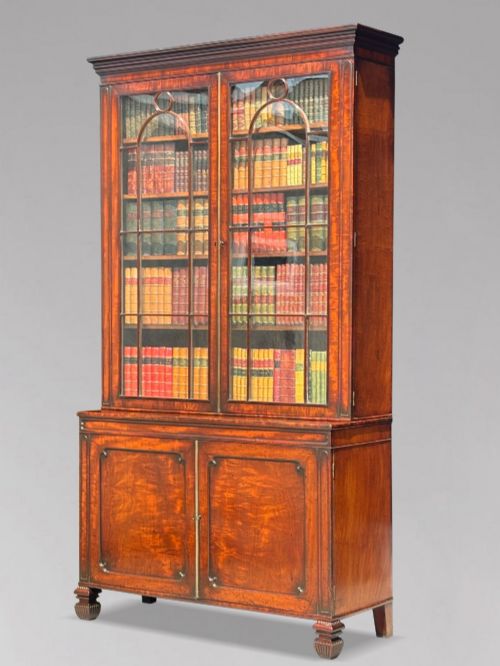
A georgian glass cabinet encompasses tall breakfront bookcases, wall-hanging cupboards, and corner units designed to display and protect valued objects. The pieces appearing here range from genuine eighteenth-century examples to later revival interpretations spanning the Victorian and Edwardian eras.
Makers and workshops constructed these cabinets in various forms, including bureau bookcases, apothecary boxes, and side cabinets with glazed doors. Mahogany dominates the selection, accompanied by walnut, satinwood, oak, and rosewood.
How they were made
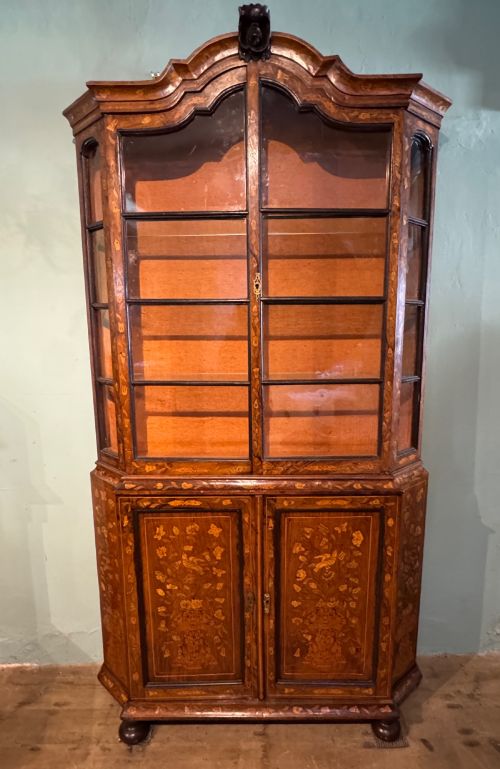
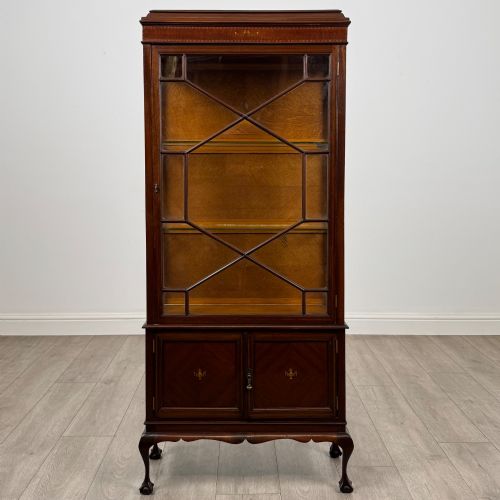
Cabinetmakers utilised dense timbers such as mahogany, walnut, and satinwood, frequently applying decorative marquetry, brass fittings, and painted ornamentation to the surfaces. Glazing bars, often termed astragals, divided the glass panes into geometric patterns across the cabinet doors.
Joinery techniques involved precise framing for tall breakfront structures and corner units, ensuring stability for heavy glass fronts. Carved details and period mouldings defined styles from Chippendale to Regency and Sheraton revivals.
Current listings feature pieces spanning the Georgian era through to the nineteen-twenties, constructed in mahogany, walnut, oak, and satinwood.
What varies in quality
The refinement of the timber grain and the precision of the astragal glazing bars separate standard pieces from finer examples. Superior cabinets exhibit careful matching of mahogany or satinwood veneers alongside delicate carving and original painted decoration.
Proportion and scale dictate the visual weight of a cabinet, with breakfront forms and breakfront bookcases demanding exact symmetry. The integration of original brass hardware and well-fitted drawers influences the overall integrity of the piece.
Wylie and Lochhead·Waring and Gillow·Edwards and Roberts
The Georgian Glass Cabinet Glossary
- Astragal
- The wooden moulding strips that divide individual panes of glass within a glazed cabinet door. These bars create delicate geometric or Gothic Revival patterns across the front.
- Breakfront
- A piece of furniture where the central section projects forward from the flanking wings. This architectural arrangement creates depth and visual interest in large bookcases.
- Vitrine
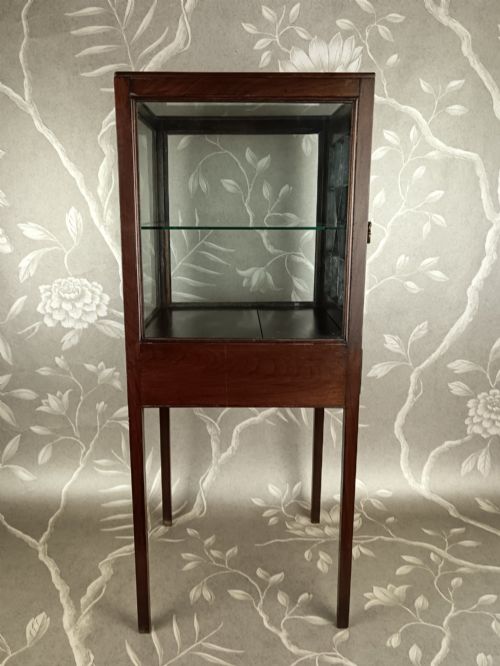
- A glass-sided display cabinet designed primarily for the exhibition of porcelain and small decorative objects. These cabinets often feature all-round glazing to maximise visibility.
- Marquetry
- Inlaid woodwork where different coloured veneers form decorative patterns and pictorial scenes. Craftsmen utilised satinwood, walnut, and exotic timbers to achieve contrast.
- Bijouterie cabinet
- A specialised glass-topped display table or cabinet created for holding jewellery and miniature treasures. They frequently incorporate fabric-lined interiors.
Georgian Glass Cabinet: Frequently Asked Questions
How do I date a glass cabinet?
Dating relies on timber choice, construction methods, and stylistic cues such as astragal thickness. Eighteenth-century examples often feature solid mahogany framing and hand-drawn glass.
Later revival pieces from the Edwardian period or nineteen-hundreds mimic earlier proportions but utilise machine-sawn components and different secondary woods.
Where should I place a corner cabinet?
Corner cabinets suit unused room angles, turning dead space into a display area for glassware or ceramics. Wall-hanging versions attach directly to plaster surfaces at eye level.
Floor-standing corner units anchor a room layout, offering enclosed storage below and glazed shelving above.
What is the difference between a bookcase and a vitrine?
Bookcases prioritize shelving depth for volumes and papers, often combining solid wooden doors below with glazed compartments above. Vitrines focus entirely on display with extensive glass panels.
Many antique examples bridge both categories, serving dual purposes as libraries and display furniture.
How do I care for antique mahogany wood?
Protect antique mahogany from direct sunlight and sudden humidity changes to prevent timber splitting and veneer lifting. Regular dusting with a soft, dry cloth maintains the surface.
A light application of natural wax preserves the patina without building up greasy residues.