

Georgian Fretwork Wall Glass
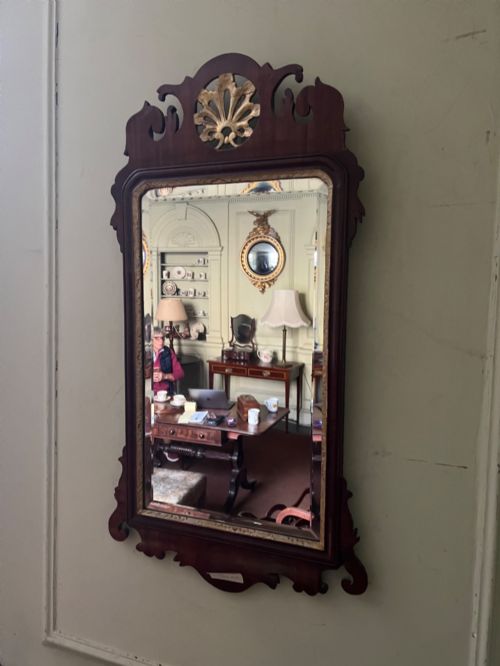
A georgian fretwork wall glass brings pierced timber frames and clear reflective plates together to brighten darker rooms with period proportion.
Georgian Fretwork Wall Glass
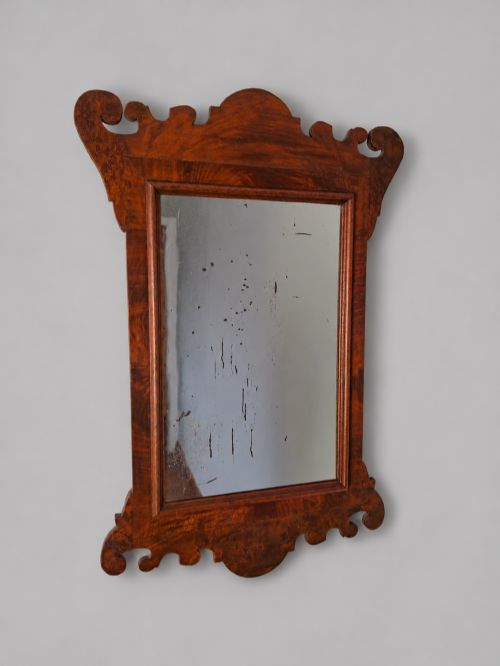
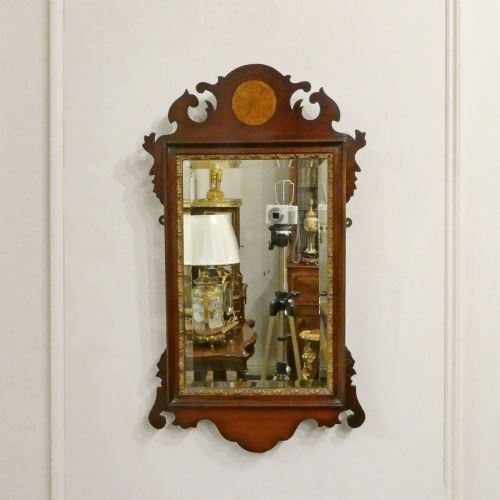
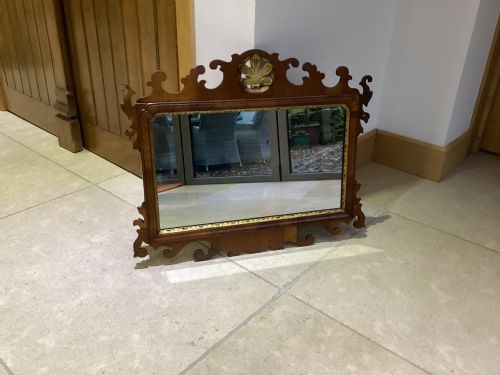
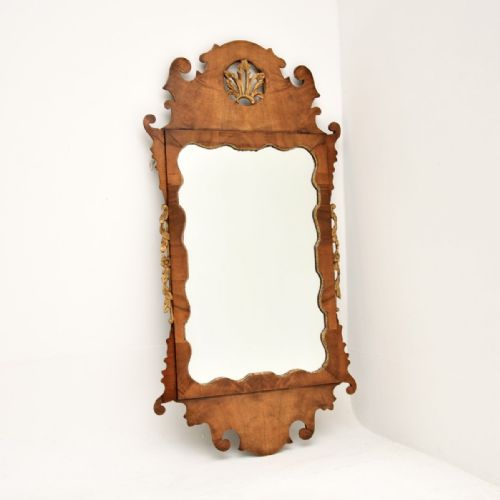
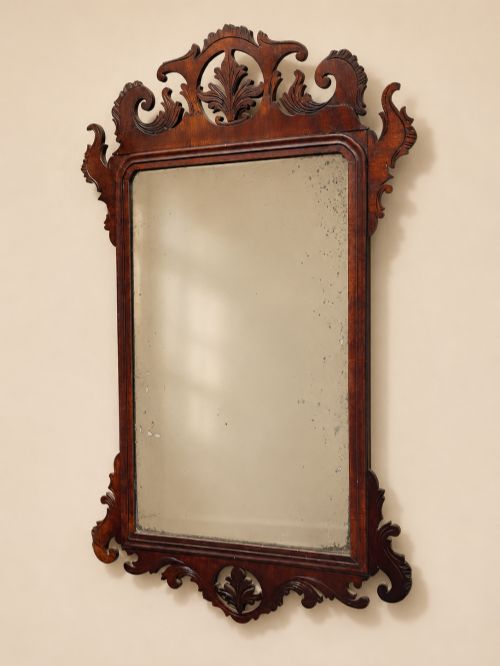
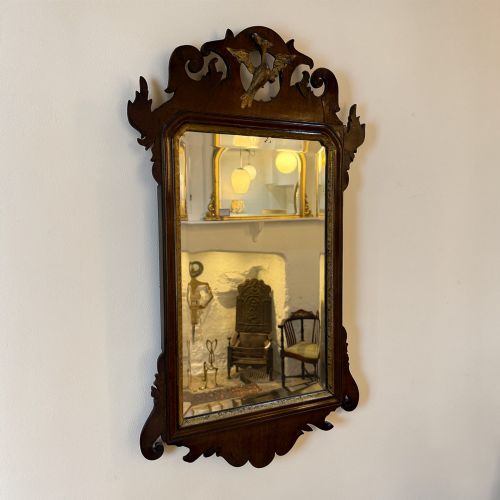
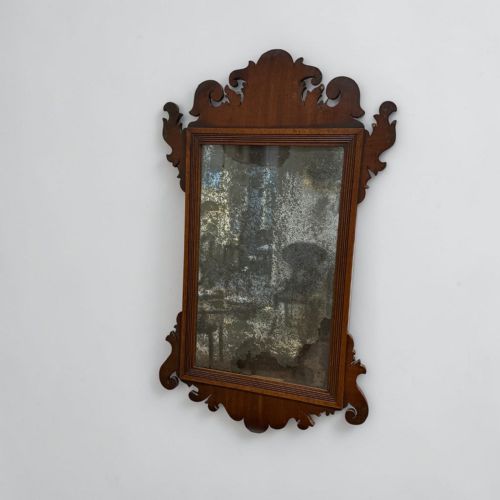
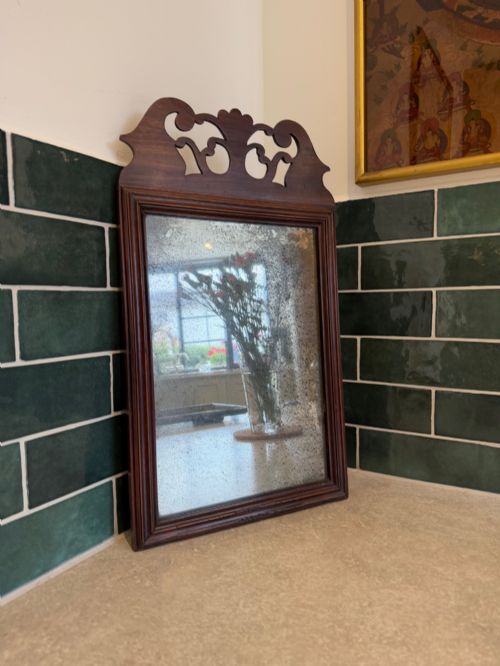
A georgian fretwork wall glass is a hanging mirror defined by a pierced wooden silhouette, usually made to adorn panelled walls above side tables or fireplaces. You will encounter genuine 18th-century examples alongside later revival pieces produced during the Victorian and Edwardian eras.
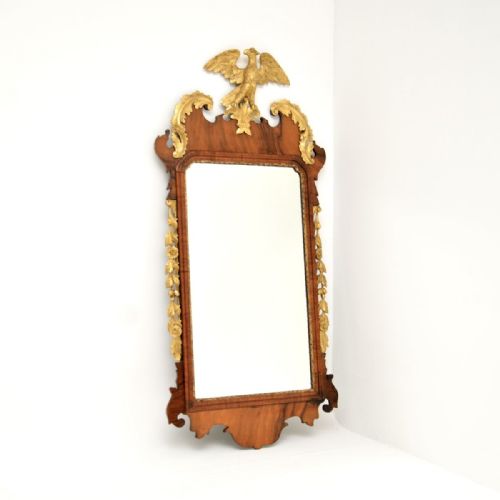
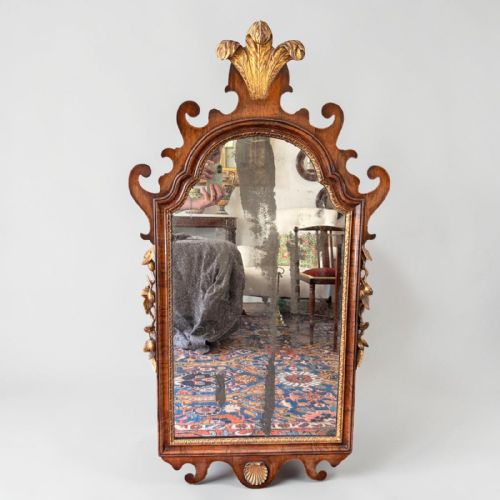
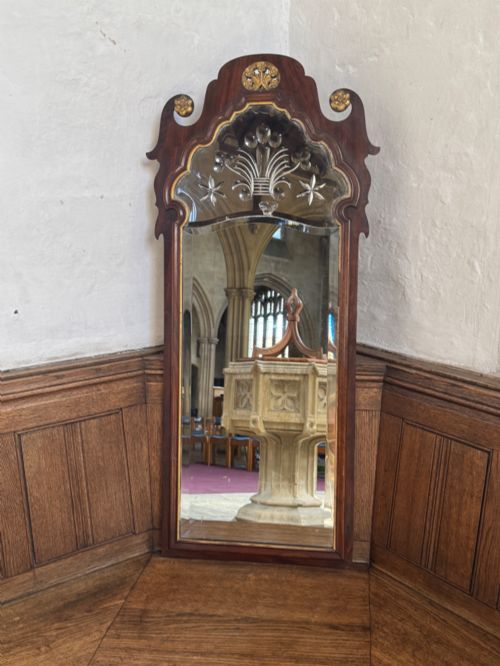
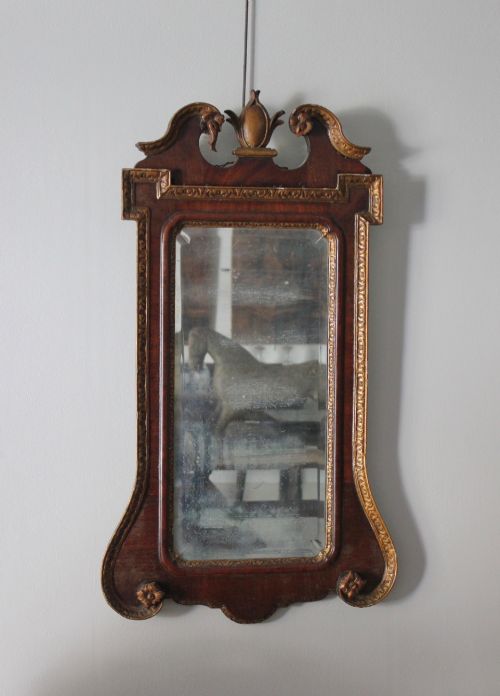
The dominant timbers on this page are mahogany and walnut, often selected for their rich grain and suitability for intricate fret-cutting along the scrollwork borders. Many pieces also incorporate parcel gilding or applied giltwood accents to catch candlelight and daylight alike.
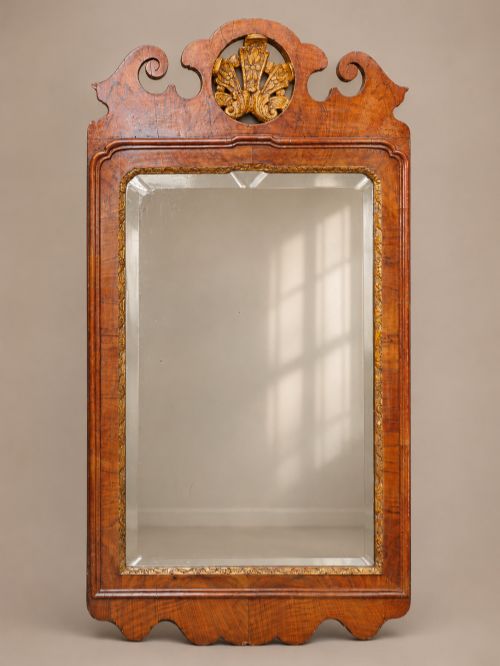
Earlier interpretations often feature desirable details such as original mirror plates and Vauxhall bevels, while later revivals from the 19th and 20th centuries replicate the Chippendale style with reliable craftsmanship. These wall mirrors bridge the gap between functional looking glasses and decorative architectural woodwork.
Materials and construction
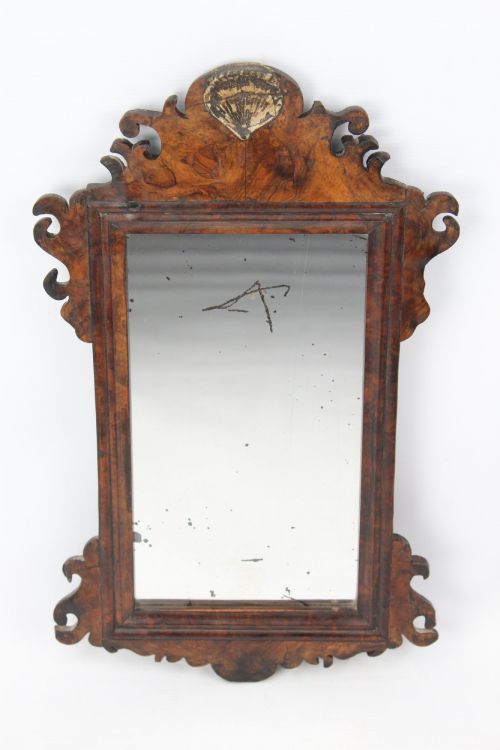
Cabinetmakers constructed these frames using dense hardwoods like mahogany and walnut, which tolerated the delicate sawing required for intricate fretwork scrolls without splintering. Veneers of burr walnut were occasionally laid over secondary timbers to introduce dramatic figuring to the central crests and aprons.
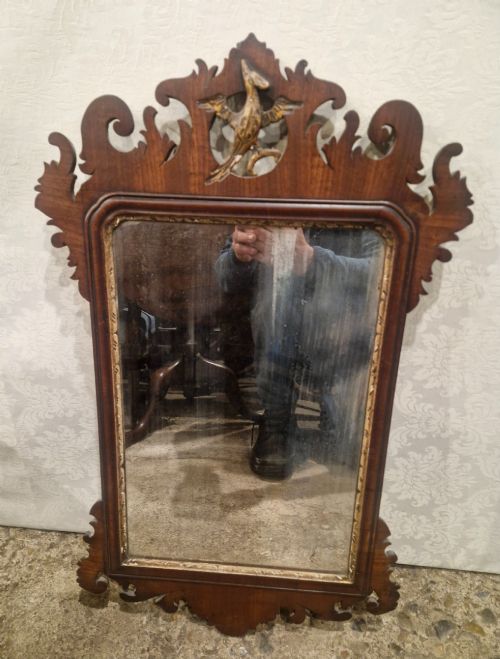
Gilding was applied using gold leaf over prepared grounds, highlighting carved mouldings, ears, and gilded hoosier birds or giltwood scroll tips. Mirror plates were traditionally silvered by hand, resulting in subtle imperfections and soft reflectivity that distinguish older glass from modern float alternatives.
Georgian Fretwork Wall Glass Retail Price Guide 2026
Typical asking prices for georgian fretwork wall glass among the pieces listed under this phrase on Sellingantiques today, from the lower quarter to the upper quarter. They describe what is for sale here now, not the wider market.
Many fretwork frames incorporate carved wooden birds at the crest, watching over the room with stoic wooden dignity.
Judging the work
The crispness of the pierced fretwork separates standard interpretations from exceptional examples, as master carvers achieved sharp internal corners and fluid scroll profiles without blunt edges. The depth and figure of the timber veneer also dictate the visual weight of the frame.
Originality of the components plays a significant role in assessment, particularly where mirror plates, backboards, and parcel gilding remain intact rather than replaced during later restorations. Proportion and balance in the scrollwork ensure the mirror reads as a coherent decorative object rather than a heavy assembly.
The Georgian Fretwork Wall Glass Glossary
- Fretwork
- Pierced woodwork created by cutting decorative patterns through a thin board using a fretsaw. This technique defines the outer silhouette of the mirror frame.
- Parcel gilt
- Partially gilded woodwork where gold leaf is applied only to specific carved highlights, mouldings, or motifs while the underlying mahogany or walnut remains exposed.
- Vauxhall plate
- A historical term for mirror glass featuring a distinct bevelled edge around the perimeter. These plates date back to the early English glassworks.
- Chippendale style
- A decorative aesthetic drawing on the furniture designs of Thomas Chippendale, characterised by rococo curves, scrolls, and fret-cut ornamentation.
Georgian Fretwork Wall Glass: Frequently Asked Questions
Where should I hang a fretwork mirror?
These mirrors suit principal reception rooms, hallways, or above a mantelpiece where their vertical proportions draw the eye upward.
Ensure the wall fixings can support the weight of a dense hardwood frame, and position the glass to reflect natural light from a nearby window.
How do I spot a later revival mirror?
Later revival pieces from the Victorian and Edwardian periods often utilise machine-sawn fretwork and modern bevel-edged mirror glass with uniform reflectivity.
Inspect the timber dryness, screw types, and backboards to help determine whether the frame dates to the 18th century or a subsequent revival era.
Are the mirror plates usually original?
Many surviving examples retain their original silvered glass plates, though some have been replaced over centuries due to degradation or breakage.
Original plates typically display light foxing, minor pitting, and subtle distortions that add historical character to the reflection.
How do I care for antique wall glass?
Dust the timber frame gently with a dry, soft cloth and avoid spraying cleaning liquids directly onto the wood or vulnerable gilt surfaces.
Keep the mirror away from direct heat sources and damp walls to prevent the veneer from lifting and the silver backing from deteriorating.