




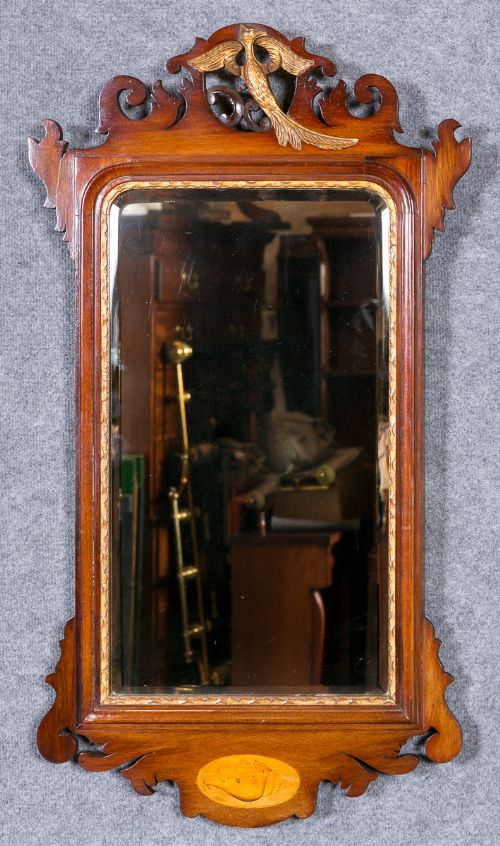
Edwardian Style Fretwork Mirror
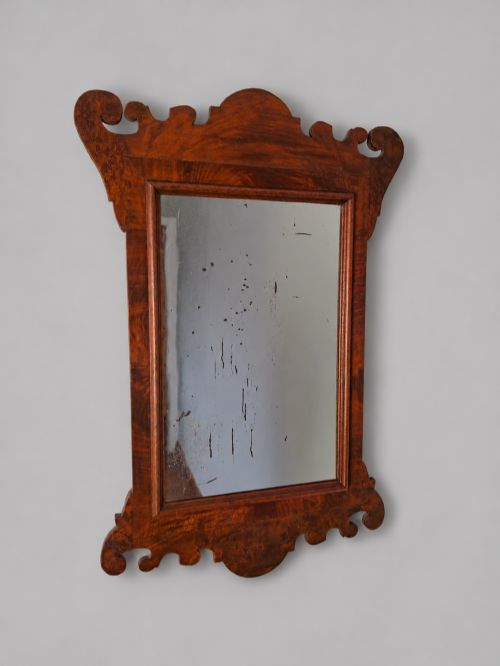
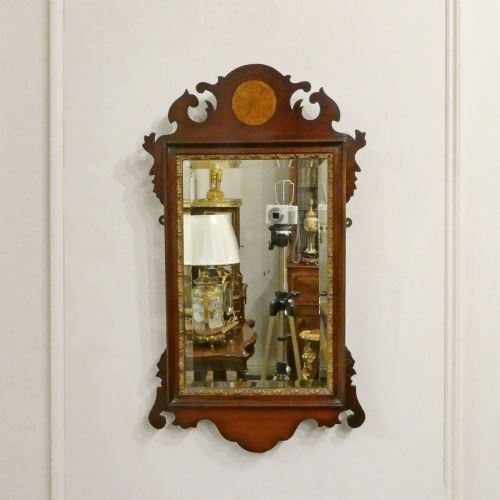
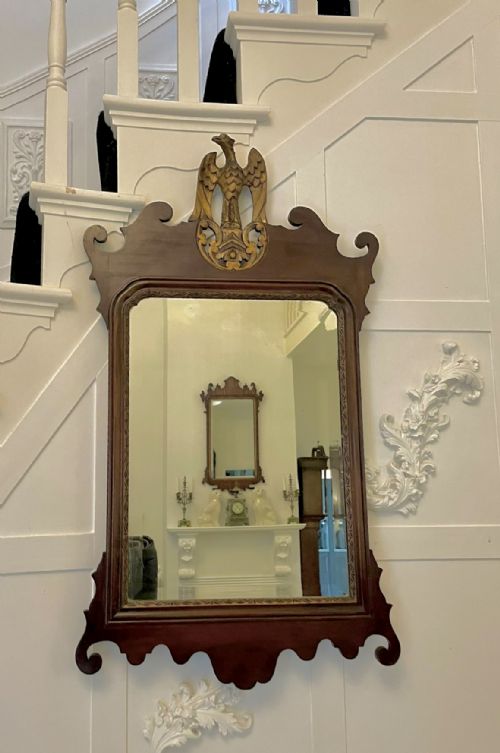
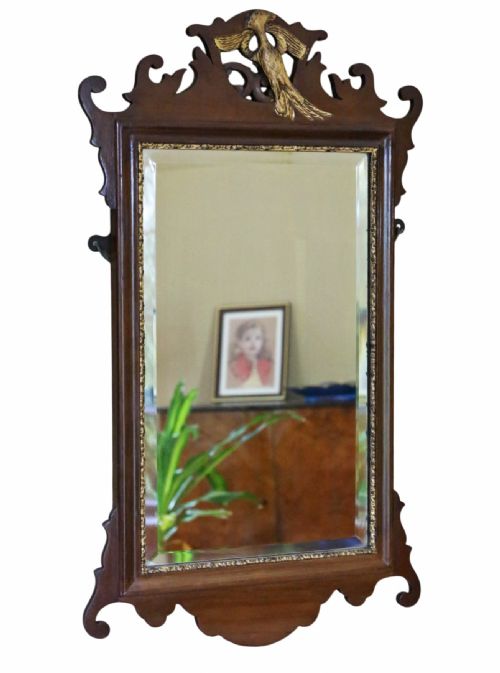
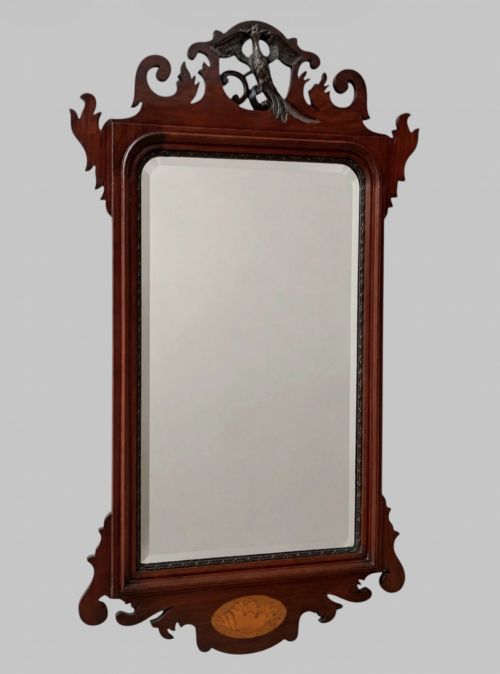
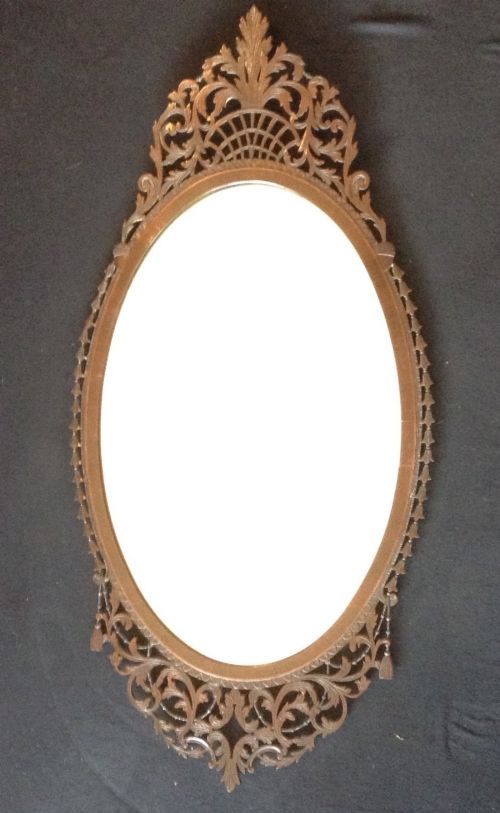
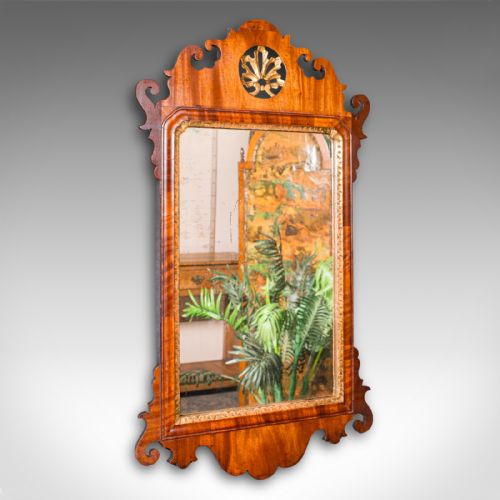
These edwardian style fretwork mirror pieces bring crisp mahogany frames and pierced scroll outlines into a hallway or reception room.
Edwardian Style Fretwork Mirror
An edwardian style fretwork mirror draws on earlier eighteenth-century designs, most notably the Georgian and Chippendale patterns that collectors prize for their intricate fret-cut silhouettes. The pieces appearing here span the Edwardian era, around nineteen hundred, alongside earlier nineteenth-century interpretations of the same classical taste.
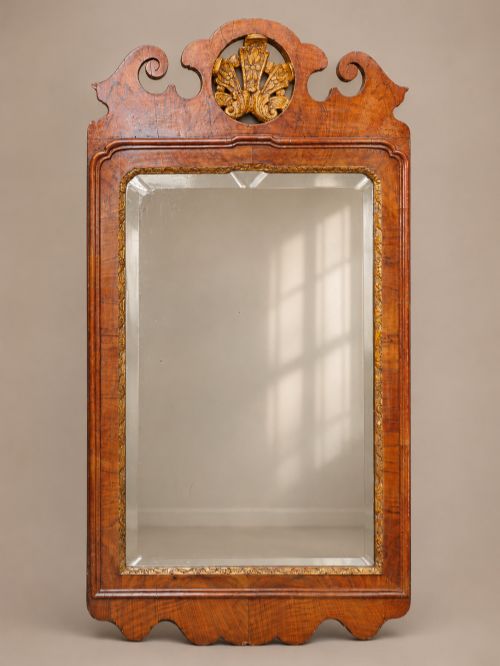
Most examples take the form of wall mirrors intended for principal rooms, featuring mahogany frames that are frequently enriched with satinwood inlay or giltwood details. Alongside standard wall-hanging formats, larger overmantel proportions and vanity mirrors also occur within this group.
Makers of the period looked back to Queen Anne and Chinese Chippendale aesthetics, creating balanced vertical formats with shaped ears and scrollwork crests. Buyers will find both restrained mahogany versions and more elaborate gilt-edged examples designed to catch the light.
How they were made
The timber frames rely on dense cuts of mahogany and walnut, selected for stability when subjected to the intricate pierced sawwork of the fret cutter. Fretwork panels are often worked from thin laminates or single boards, pierced by hand with a fretsaw to achieve the characteristic interlaced scroll outlines.
Edwardian Style Fretwork Mirror Retail Price Guide 2026
Typical asking prices for edwardian style fretwork mirror among the pieces listed under this phrase on Sellingantiques today, from the lower quarter to the upper quarter. They describe what is for sale here now, not the wider market.
What varies in quality
Quality rests upon the crispness of the fret-cut outline and the depth of the timber work, where superior examples show sharp internal corners and clean scroll profiles without splintered grain. The choice of mahogany timber dictates the visual weight of the frame, with well-figured grain adding substantial character.
Integration of secondary materials marks the upper tier of production, particularly where fine satinwood stringing or genuine gilding remains intact and undisturbed by later refinishing. Original mirror glass with appropriate ageing adds a layer of authenticity that alters the visual harmony of the piece.
The Edwardian Style Fretwork Mirror Glossary
- Fretwork
- Openwork ornamentation created by cutting patterns through thin boards of wood using a fine saw. This technique defines the pierced scrolls and hanging outlines of these mirrors.
- Bevelled Glass
- Mirror glass whose outer edges are cut and polished at an oblique angle. This detail catches the light and adds depth to the reflection.
- Giltwood
- Timber that has been coated with fine gold leaf or gilt preparation. It appears on mouldings and applied ornaments to provide contrast against the dark mahogany.
- Satinwood Inlay
- Contrasting light-coloured wood inserted into recesses cut into the darker mahogany background. It creates geometric or linear borders around the frame.
- Overmantel Mirror
- A large horizontal mirror designed to sit directly above a fireplace mantelpiece. These pieces often incorporate elaborate fret-cut frames to anchor the chimney breast.
Edwardian Style Fretwork Mirror: Frequently Asked Questions
Where should I hang an edwardian style fretwork mirror?
These mirrors suit principal spaces such as reception rooms, hallways, and morning rooms where their vertical proportions and mahogany tones complement traditional wall treatments.
They function effectively above side tables or consoles, drawing the eye upwards through their scrollwork crests and pierced wooden outlines.
How do I tell an Edwardian piece from a Georgian original?
Edwardian interpretations from around nineteen hundred often utilise machine assistance or standardised joinery alongside traditional hand-finishing techniques. Close inspection of the timber backing, screw types, and the condition of the bevelled glass helps reveal the period of manufacture.
Earlier examples from the nineteenth century or Georgian eras display hand-cut tool marks and distinct patination on the mahogany surfaces that differ from later revival pieces.
What is Chinese Chippendale style?
Chinese Chippendale refers to eighteenth-century revival designs incorporating asymmetric fretwork, pagoda motifs, and intricate lattice patterns drawn from Asian decorative arts.
When applied to mirrors, this style yields highly architectural frames with complex pierced ears and dramatic scroll crests.
How should I clean the mahogany frame?
Dust the timber gently with a dry, soft cloth to prevent particulate buildup in the recessed fretwork and scroll joints. Avoid harsh modern polishes that can penetrate the grain and alter the traditional finish of the wood.