




C Scroll Mirror
A c scroll mirror brings movement and architectural depth to a room through carved timber, giltwood or ironwork frames.
C Scroll Mirror
A c scroll mirror is a wall hanging, overmantel, or dressing table glass framed by characteristic asymmetrical or mirrored C-shaped curves. When searching this phrase, a buyer encounters everything from crisp 18th-century walnut fretwork designs to elaborate giltwood and gesso pieces from later revivals.
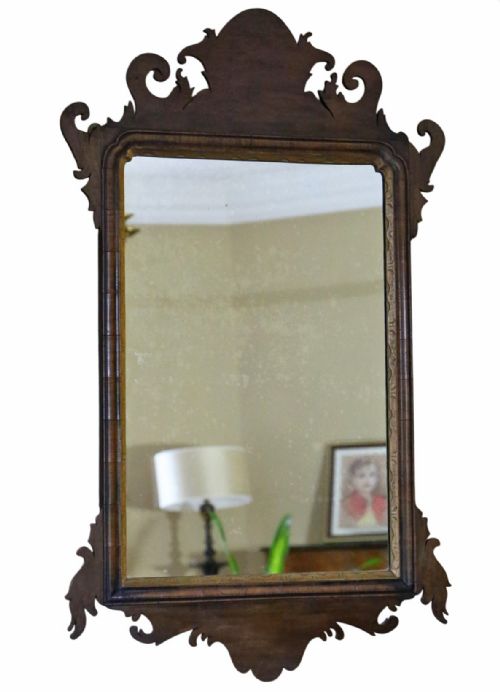
The version most commonly met on this page is the mid-to-late Georgian mahogany fretwork wall mirror or its later 19th-century Chippendale revival counterpart. These often incorporate scrolling foliage, carved ho-ho birds, and gilt slips alongside the primary mahogany or walnut ground.
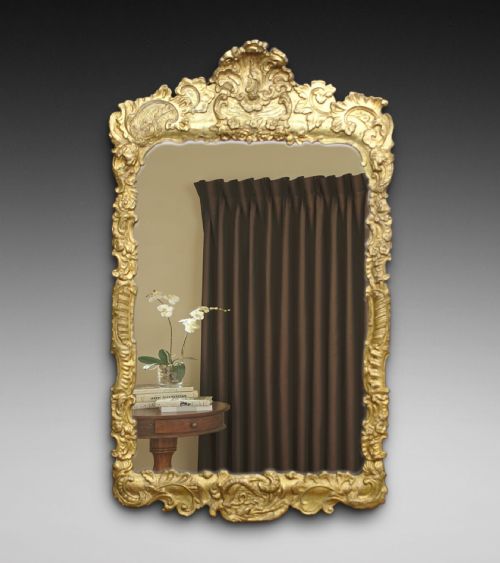
Beyond timber fretwork, the search uncovers large gilt overmantel mirrors and French Rococo examples featuring bold plaster and wood scrollwork. Pier glasses and console-matching mirrors also appear frequently, spanning the Victorian period and the early 20th century.
How they were made
Makers constructed the timber frames using figured veneers such as mahogany, walnut, and sycamore applied to solid pine or hardwood carcases. Fretwork panels were painstakingly hand-sawn using fine scroll saws before being shaped with carving chisels.
Giltwood and gesso frames required layers of chalk or gesso applied over carved timber, which were then smoothed and gilded with fine metal leaf. Cast iron, brass, copper, and hand-forged wrought iron also appear as structural or decorative framing materials in later periods.
The mirror plates themselves were historically silvered or mercury-backed glass, frequently finished with hand-bevelled edges or delicate engraved plate details. Frames were often completed with inner gilt slips to catch and reflect the ambient light.
Keep an eye out for carved ho-ho birds keeping a watchful, permanent eye from the top of the fretwork frame.
What varies in quality
The standard of carving determines much of the distinction between pieces, particularly in fretwork and giltwood examples. Crisp, deeply undercut foliage and finely detailed bird motifs demonstrate superior hand craftsmanship compared to softer, more mechanically finished mouldings.
The choice and figuring of the timber ground greatly influence a piece's visual impact and desirability. Highly figured burr walnut, rich oyster veneers, and well-matched mahogany grains elevate an object above standard plain-timber constructions.
Originality of components, including the mirror glass, backboards, and mercury or early silvering, contributes heavily to overall integrity. Cohesion between the carved frame, the gilding technique, and the period form separates ordinary decorative items from finer collector pieces.
The C Scroll Mirror Glossary
- C Scroll
- An ornamental carving motif shaped like the letter C, used extensively in Rococo and revival furniture frames. It provides a dynamic, curving transition between architectural elements.
- Fretwork
- Thin wood panels pierced with decorative patterns using a fretsaw, common in 18th-century and revival wall mirrors. This technique creates intricate geometric or floral silhouettes.
- Gesso
- A plaster-like mixture applied to wood frames as a base for gilding or painting. Skilled artisans built up this layer to carve crisp decorative details before applying leaf.
- Pier Glass
- A tall mirror designed specifically to hang on the wall space between windows. These often sat above matching console tables in formal Georgian and Victorian interiors.
- Overmantel Mirror
- A wide mirror intended to be positioned directly above a fireplace mantelpiece. They frequently feature landscape orientations and elaborate crestings to anchor the chimney breast.
- Ho-Ho Bird
- A stylized Chinese phoenix commonly carved into the crests of mid-18th-century English mirrors. This mythical creature became a signature motif of the Chippendale style.
C Scroll Mirror: Frequently Asked Questions
How do I hang a heavy antique mirror safely?
Heavy antique mirrors require robust fixings suited to the specific wall construction, such as solid brick or timber studs. Using a professional mirror plate or a heavy-duty baton system distributes the substantial weight evenly across the wall.
It is essential to anchor the frame securely rather than relying solely on decorative hanging loops attached to older backboards. Checking the condition of the original timber frame and glue joints ensures the structure can support its own weight safely.
Are these mirrors suitable for bathrooms?
Historic frames made from veneered timber, gesso, and giltwood are generally sensitive to high humidity and fluctuating moisture levels. Steam from a bathroom can cause fragile gesso to crack and older veneer to lift from its carcase.
For functional bathroom use, modern alternatives or mirrors specifically sealed against moisture are usually a safer choice. Placing antique mirrors in drier hallways, living rooms, or bedrooms preserves their delicate surfaces.
How can I tell an 18th-century mirror from a revival piece?
Examining the construction of the timber backboards, secondary woods, and hand-tool marks offers strong clues to a piece's true age. Eighteenth-century frames often show signs of shrinkage, hand-cut joinery, and patination consistent with centuries of handling.
Revival pieces from the Victorian era or the 1920s and 1930s frequently utilise different secondary woods, machine-cut elements, or cleaner modern fasteners. Comparing the style of the carving and the silvering on the glass helps place the object within its correct historical window.
What is the difference between a pier glass and an overmantel mirror?
A pier glass is traditionally tall and narrow, designed to fit the specific architectural wall space between two windows. These vertical mirrors maximise natural light in formal reception rooms and often coordinate with console tables.
An overmantel mirror is built wider than it is tall to sit horizontally above a fireplace opening. Their proportions are intended to fill the long wall space beneath the mantel shelf and balance the hearth below.