


Georgian Framed Wall Art
Georgian framed wall art brings historical portraiture and classical prints into modern rooms through oils, mezzotints and engravings.
Georgian Framed Wall Art
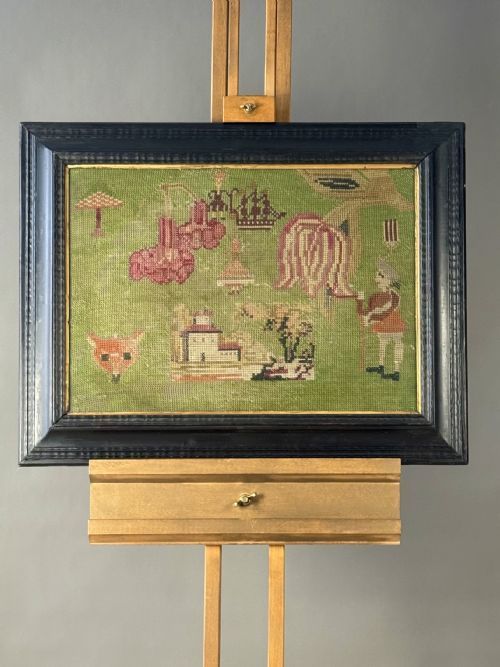
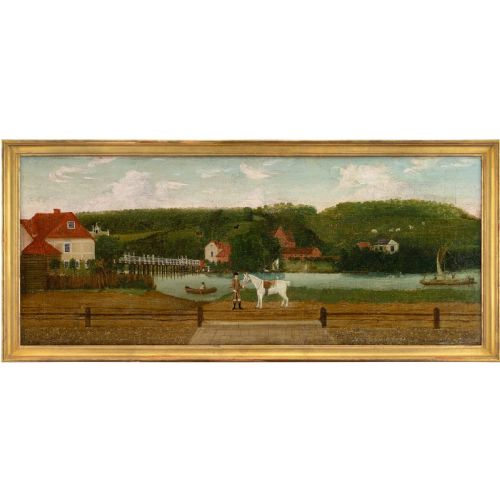
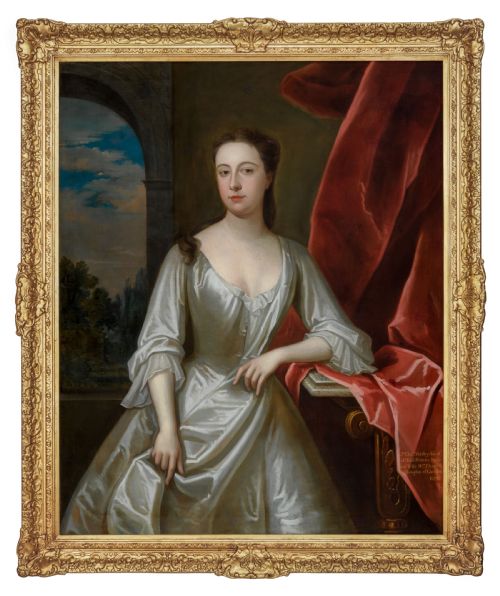
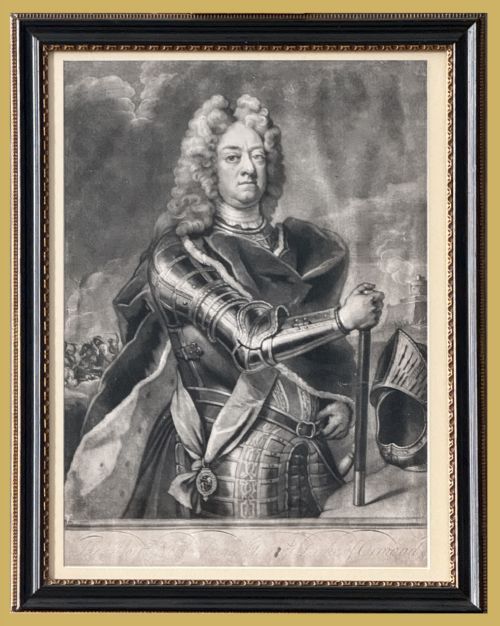
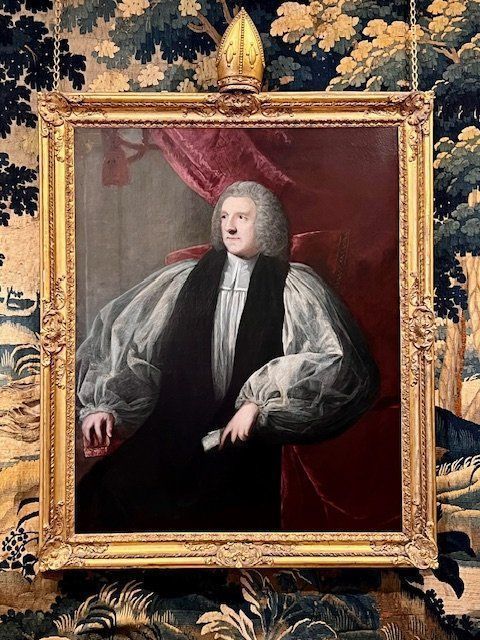
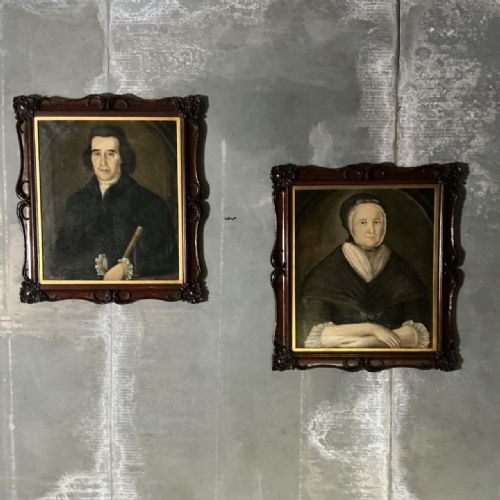
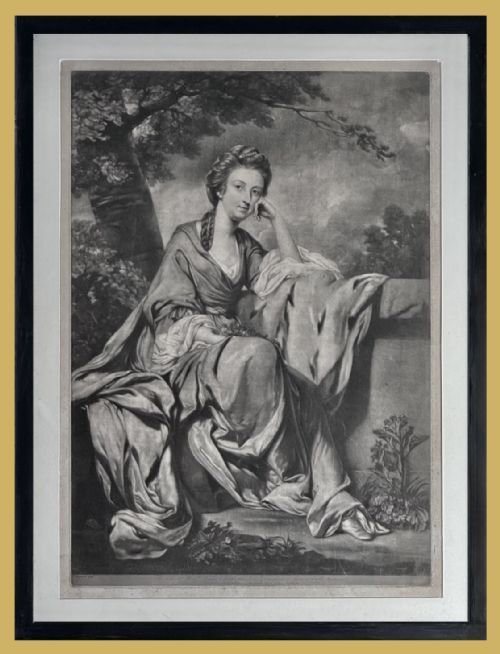
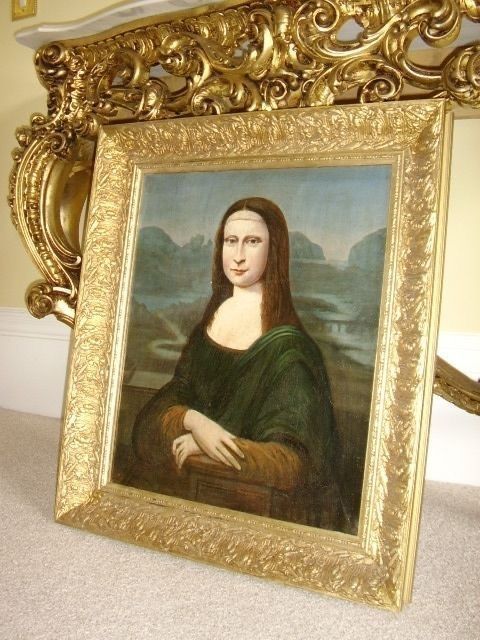
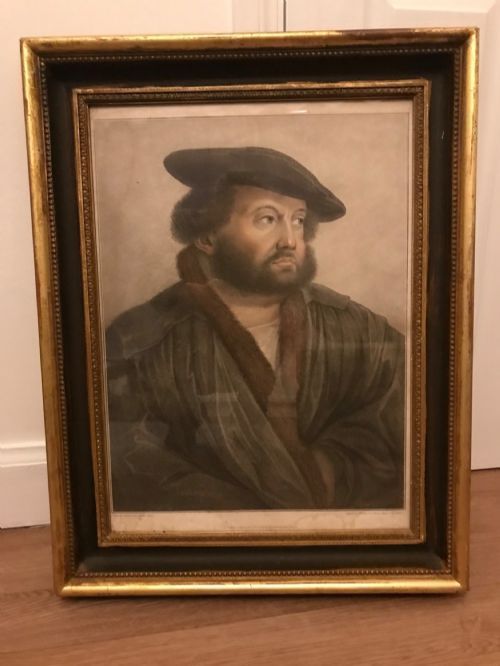
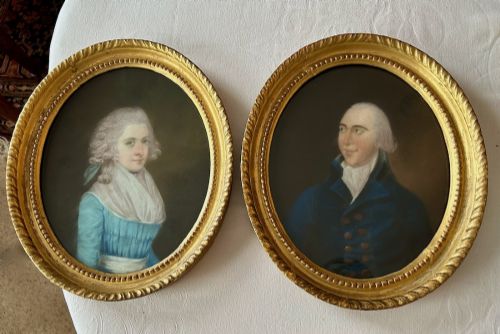
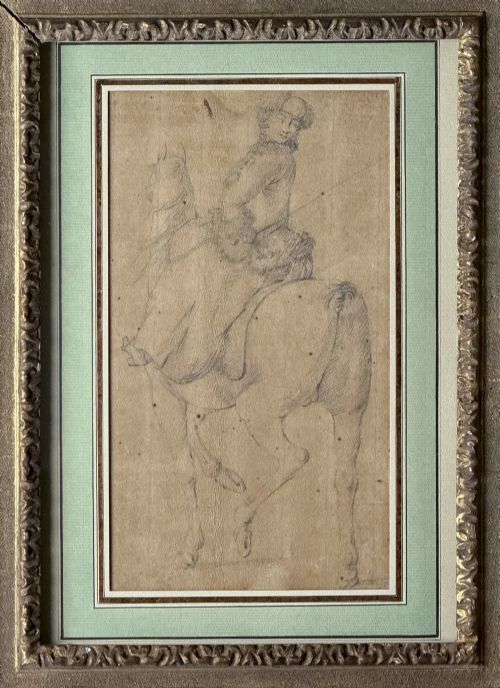
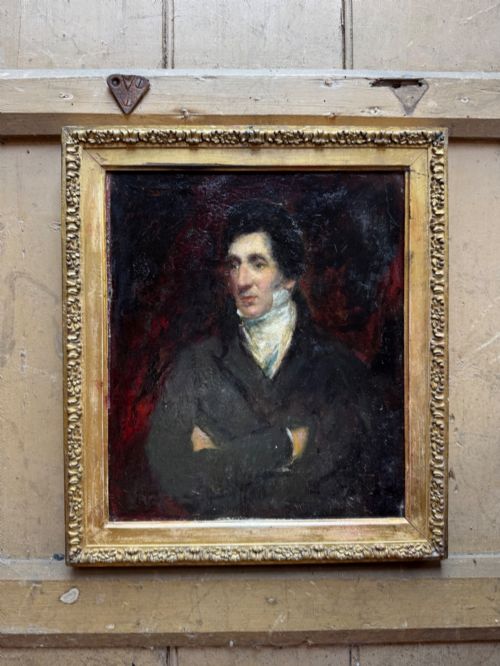
When searching for georgian framed wall art, buyers encounter oil paintings, mezzotints, stipple engravings and watercolours spanning the seventeenth century through to the Regency period. Portraiture dominates the selection, depicting nobles, officers and ladies alongside classical scenes and anatomical studies.
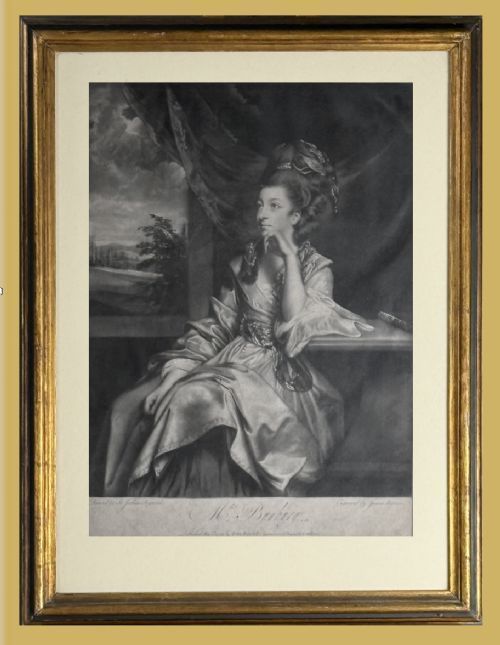
The most common items on this page are eighteenth-century and nineteenth-century mezzotint portraits after painters such as Sir Joshua Reynolds, paired with original oil paintings on canvas or panel. These works typically retain their period surrounds in wood, giltwood or glass frames.
The objects stem from British and Northern European traditions, encompassing works by named printmakers and painters as well as anonymous studio pieces. Stylistically, they move from British Baroque and Neoclassical formats into nineteenth-century interpretations of earlier subjects.
Materials and construction
The physical objects rely on organic substrates including canvas, wooden panels, heavy paper and woven silk, marked by media such as oil paint, ink, pastel and watercolour. Printmakers utilised copper plates for mezzotints and engravings, frequently adding hand-colouring or reverse glass techniques.
Original surrounds incorporate carved wood, giltwood and gold leaf, occasionally combined with protective glass sheets. These materials work together to house fragile works on paper and support heavier canvas structures over centuries.
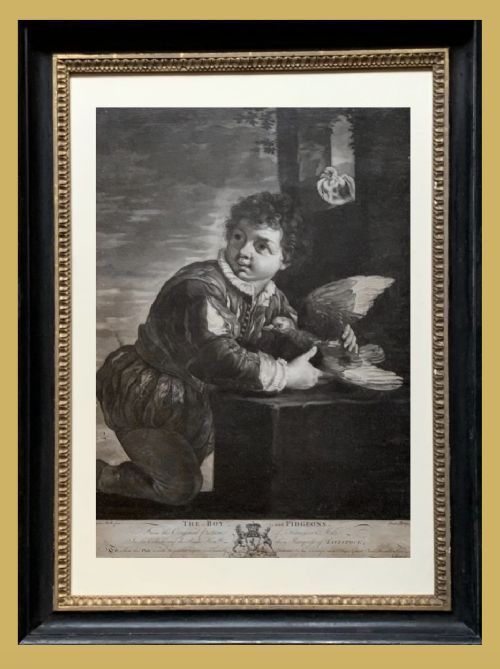
An eighteenth-century pigeon engraving rubs shoulders with portraits of dukes, captains and a nineteenth-century skeleton.
Assessing quality
Quality rests upon the execution of the hand, whether in the delicate brushwork of an oil portrait or the crisp impression of a mezzotint plate pulled by an established engraver. Finer works display confident handling of light, shadow and anatomical proportion.
The integrity of the framing materials also distinguishes the pieces, with original period giltwood and glass housing commanding greater interest than later replacements. The direct association with documented artists or sitters elevates historical significance.
Sir Joshua Reynolds·Michael Dahl·James Watson·Sir Godfrey Kneller·Francesco Bartolozzi
The Georgian Framed Wall Art Glossary
- Mezzotint
- A printmaking process where the copper plate is roughened to produce rich tones and subtle gradations of light and shade. This technique was widely utilised in the eighteenth century for reproducing oil paintings.
- Stipple engraving
- A method of creating prints using dots of various sizes and densities rather than continuous lines. It gained popularity for rendering flesh tones and soft textures in portraiture.
- Giltwood
- Wood that has been coated with a thin layer of gold leaf or powder. It forms the decorative surface of many traditional frames from the period.
- Reverse glass painting
- An artwork created by painting or applying print images onto the reverse side of a glass sheet so the final picture is viewed through the transparent front. This method protects the pigments from atmospheric damage.
- Neoclassical
- A style spanning the mid-eighteenth and early nineteenth centuries that drew inspiration from the art and culture of classical antiquity. It manifests in these listings through formal composition and classical subjects.
Georgian Framed Wall Art: Frequently Asked Questions
What subjects appear most often?
Portraits of identified historical figures, military officers and nobility form the core of the selection.
Buyers also encounter botanical engravings, architectural views and classical narrative scenes.
Are the frames original to the art?
Many pieces retain period giltwood or wooden frames that correspond to the date of the artwork.
Others have been reframed at later dates to suit changing interiors while protecting the canvas or paper.
How do I care for antique wall art?
Keep pieces away from direct sunlight and damp environments to protect fragile pigments, paper and canvas.
Dust wooden frames gently with a dry cloth and avoid chemical cleaners on glass or gilt surfaces.
How do oil paintings differ from mezzotints?
Oil paintings are unique hand-painted works created directly on canvas or wooden panels using pigmented oils.
Mezzotints are printed works produced from engraved metal plates, allowing multiple impressions of a single portrait.