

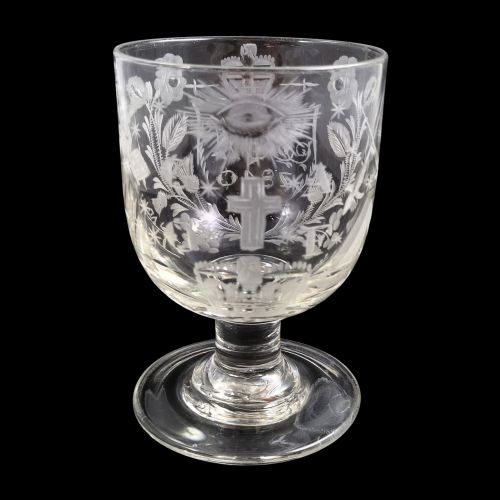
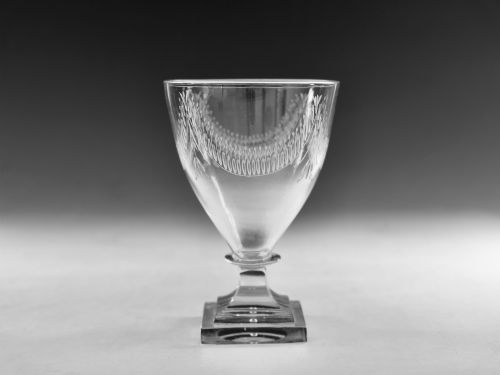


Georgian Footed Glass Vessel
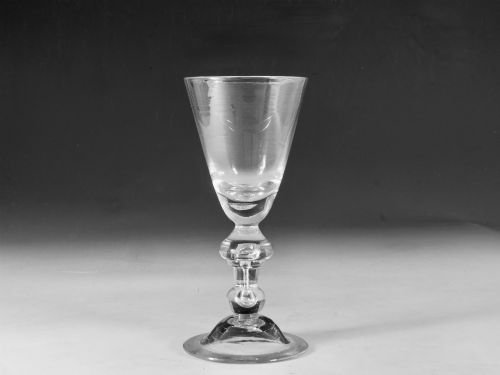
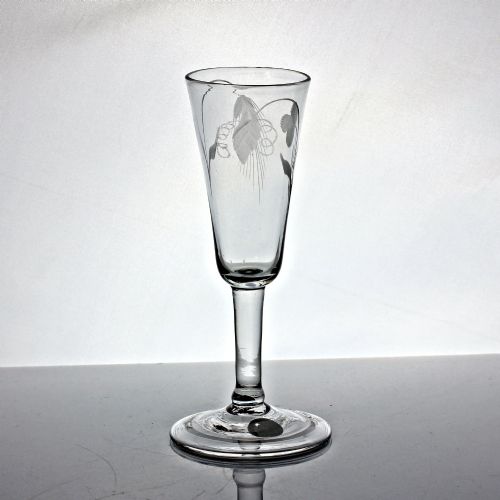
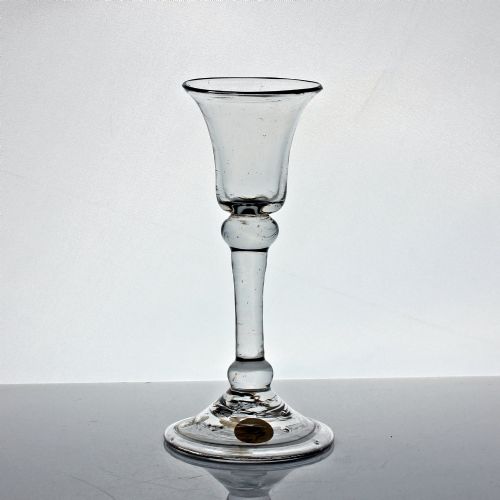
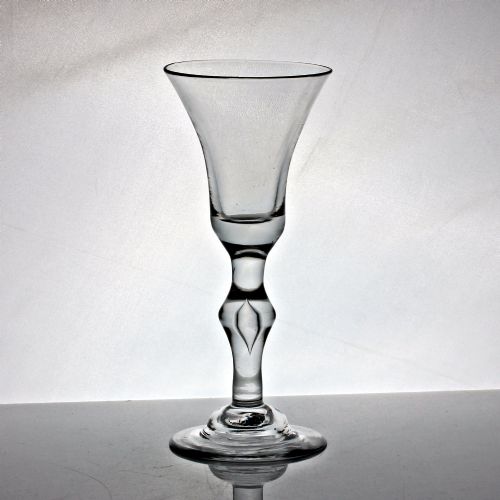
A georgian footed glass vessel is a drinking glass or sweetmeat container from the eighteenth or early nineteenth century, prized for its tactile weight and crisp handmade handle.
Georgian Footed Glass Vessel
A georgian footed glass vessel brings eighteenth-century domestic drinking habits directly to the modern table. Buyers searching this phrase encounter rummers, ale glasses, jelly glasses, and baluster wine glasses.
Most examples originate from the Georgian and Regency periods, spanning the eighteenth and early nineteenth centuries. These objects range from heavy-footed rummers with square bases to delicate cordials with folded feet.
Form follows function closely across these drinkware types. Smaller vessels serve cordials and sweetmeats, whilst larger rummers and goblets handle ale and wine.
How they were made
Makers utilised lead glass, flint glass, and clear glass shaped through hand-blowing techniques. Many pieces incorporate decorative touches such as air twists, wrythen ribbing, and engraved motifs.
The heavy bases often feature lemon squeezer feet or folded rims for added stability. Cobalt glass occasionally provides striking contrast at the rim of a bowl or monteith.
Georgian Footed Glass Vessel Retail Price Guide 2026
Typical asking prices for georgian footed glass vessel among the pieces listed under this phrase on Sellingantiques today, from the lower quarter to the upper quarter. They describe what is for sale here now, not the wider market.
The listings here span the eighteenth century, the year eighteen hundred, and the nineteenth century, using lead glass, cobalt glass, and flint glass.
What varies in quality
Quality rests in the clarity of the metal and the crispness of the optical effects within the bowl or stem. Superior pieces display complex air twists or well-formed knops without distortion.
The proportion between the bowl, stem, and foot dictates the visual balance of the vessel. Heavier square bases and domed feet demand greater skill in the forming process.
The Georgian Footed Glass Vessel Glossary
- Folded foot
- A base where the outer rim of the glass is tucked underneath itself during forming, creating a thicker edge for strength. This technique appears frequently on eighteenth-century drinking vessels.
- Rummer
- A capacious drinking glass used for ale, wine, or punch during the Georgian era. These vessels often sit upon a square lemon-squeezer base or a short sturdy stem.
- Air twist
- A decorative stem enclosing spiralling threads of trapped air inside the clear glass. Makers produced this effect by drawing and twisting molten metal.
- Sweetmeat glass
- A shallow bowl on a stem used for serving dry confectionery or preserved fruits. These pieces often feature domed feet and flanged or ribbed rims.
- Lemon squeezer base
- A square, moulded foot with indented corners resembling a citrus juicer. This heavy base gives stability to larger nineteenth-century rummers.
Georgian Footed Glass Vessel: Frequently Asked Questions
What drinks were served in these glasses?
These vessels held a variety of drinks depending on their size and form. Smaller glasses served cordials and sweetmeats, whilst larger rummers handled ale, wine, and punch.
The specific shape often dictated the beverage, with deep rummers suiting stronger ales and delicate bowls reserved for fine wines.
How do I date a Georgian glass?
Dating relies on observing manufacturing traits such as pontil marks, metal composition, and stem construction. Eighteenth-century pieces frequently show folded feet and air twist stems.
Nineteenth-century examples often transition towards heavier moulded square bases and cut decoration rather than purely blown forms.
Are these glasses safe to use?
These historical vessels are delicate and benefit from careful handling rather than daily heavy use. Hand washing in lukewarm water preserves the fragile lead glass.
Sudden temperature changes can crack old glass, so hot liquids should stay away from these antique drinking vessels.
What is lead glass?
Lead glass contains lead oxide, which increases the refractive index and gives the material a brighter sparkle. This composition allowed makers to form thicker, heavier drinking vessels.
It also provided the durability needed for the intricate stem twists and folded feet found on Georgian glassware.