
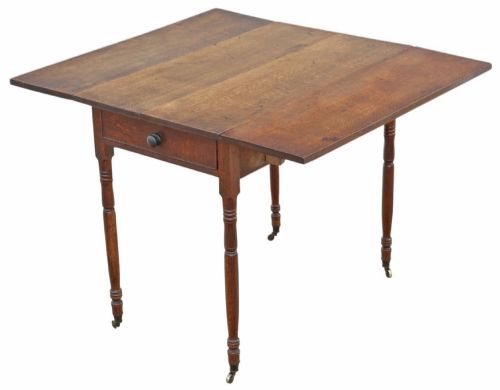
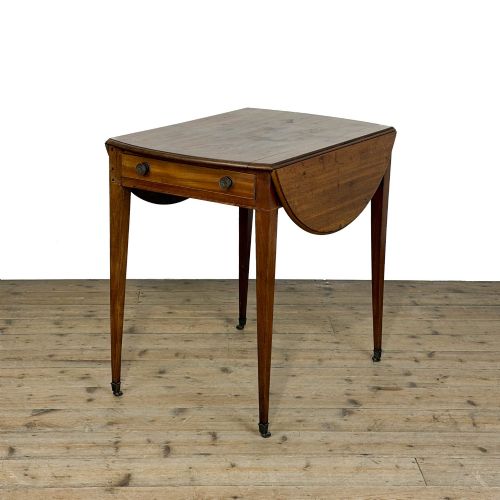
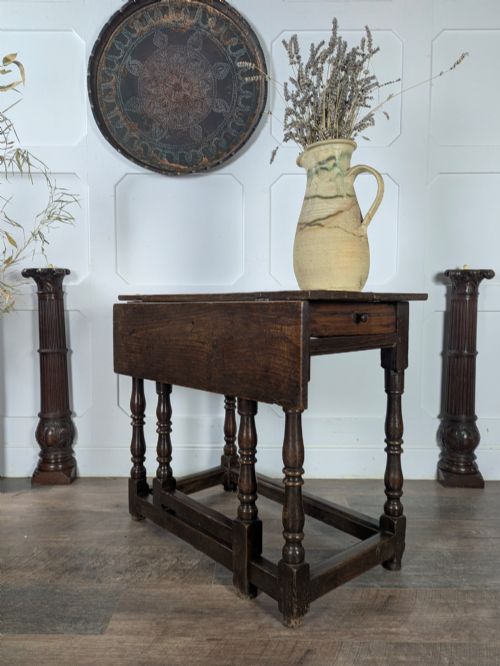
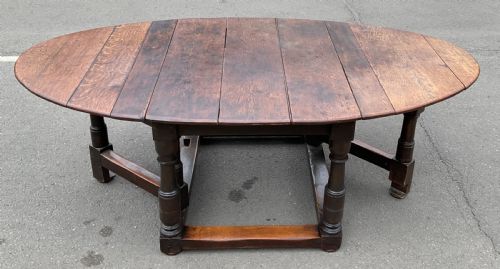


Georgian Flap Dining Table
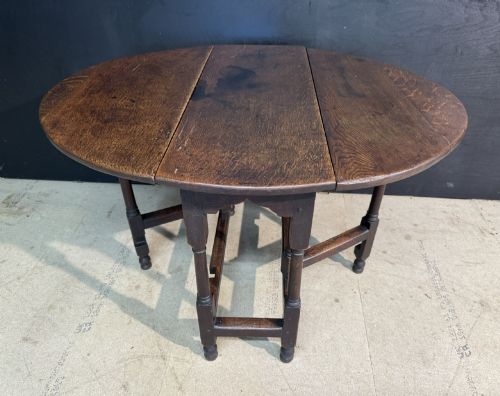
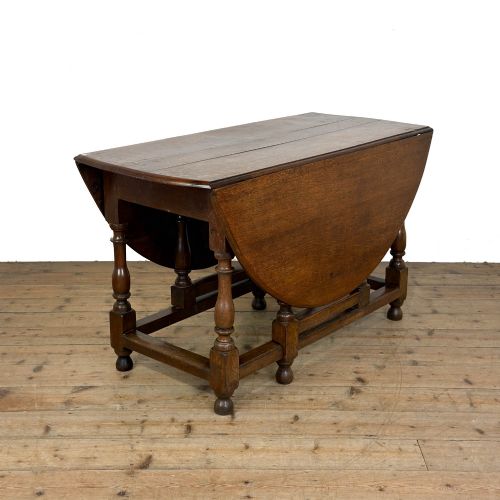
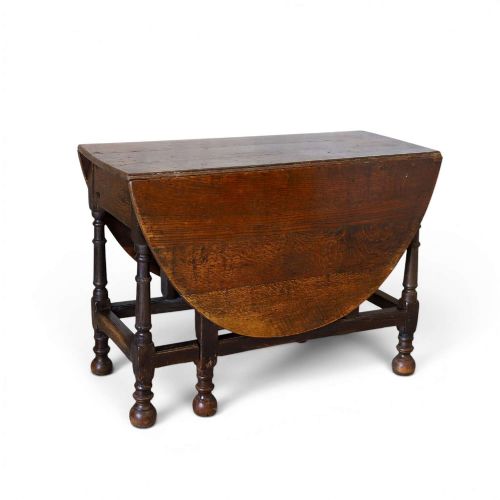
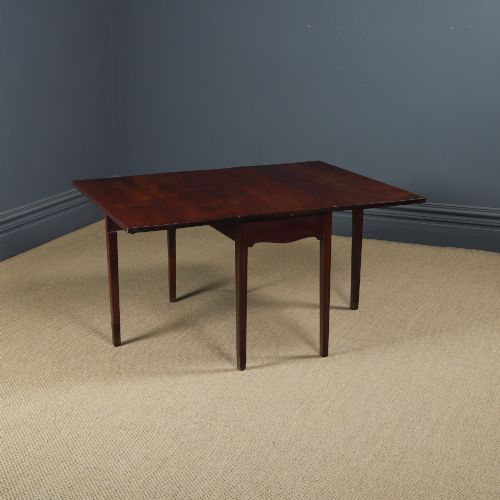
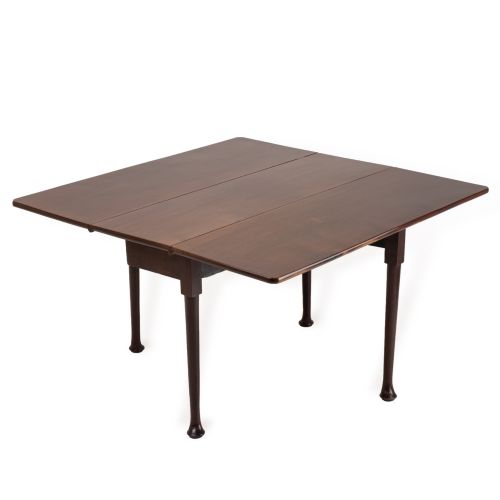
A georgian flap dining table offers folding leaves to expand a surface when needed and drop flat against the sides when floor space is required.
Georgian Flap Dining Table
A georgian flap dining table centres on forms such as drop-leaf tables, gateleg tables, and Pembroke tables designed for flexible living across the eighteenth and nineteenth centuries. You will regularly encounter examples spanning the Georgian, George II, George III, and Regency periods, alongside nineteenth-century country pieces.
The timber varies from native hardwoods like oak, walnut, and fruitwood to imported varieties such as mahogany and Cuban mahogany. These tables serve dining rooms and parlours alike, shifting between compact side positions and expanded meal layouts.
How they were made
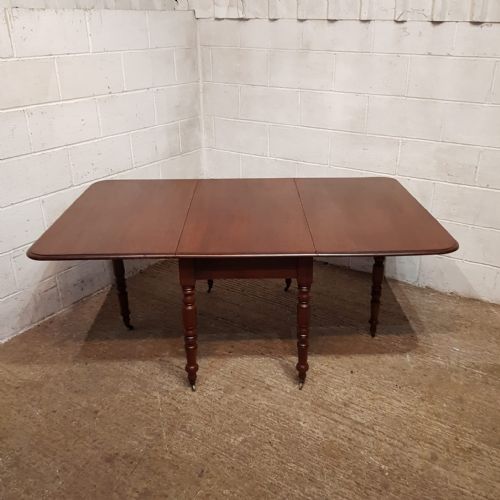
Cabinet makers constructed these tables primarily from solid timbers like mahogany, oak, and walnut, frequently utilising wood inlay for surface decoration. Supporting structures often integrate brass castors for mobility or iron and brass hinges to secure the folding leaves.
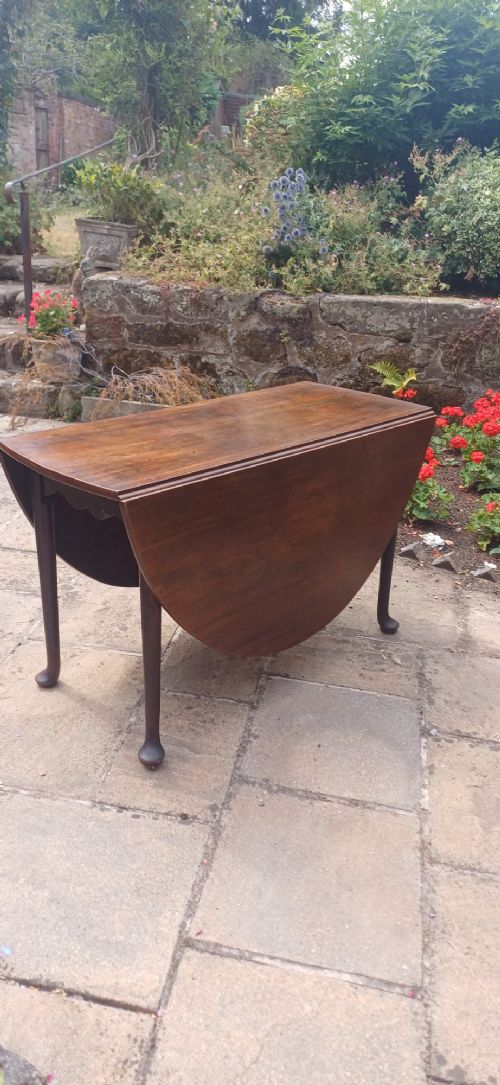
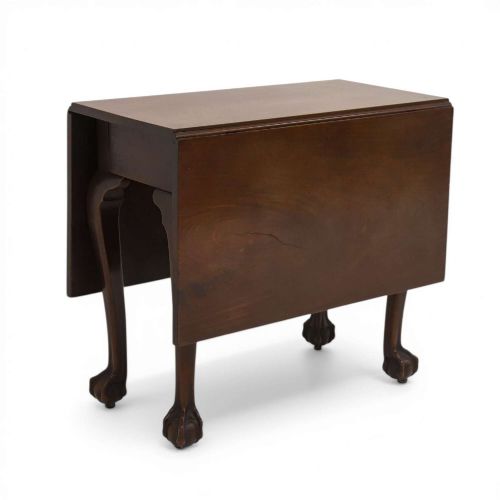
Leg configurations range from cabriole legs with claw-and-ball or pointed pad feet on earlier pieces to simpler turned supports on gateleg and Pembroke variants. Joinery relied on traditional framing methods to bear the weight of the drop leaves without sagging.
Periods represented span the 17th Century, 18th Century, Georgian, George II, George III, Regency, 1800, 1850, 1870, and 19th Century.
What varies in quality
Quality rests on the selection of timber, such as highly figured mahogany or dense Cuban mahogany, compared to plainer utility woods. The crispness of carved details on cabriole legs and the retention of original brass castors and hinges elevate an example.
Proportion and stability during expansion dictate the standing of a piece. Tables that maintain smooth leaf articulation and solid joints without extensive timber replacement sit at the higher end of the range.
The Georgian Flap Dining Table Glossary
- Drop-leaf table
- A table with a fixed centre section and hinged flaps on either side that fold down when not in use. These designs allow the furniture to occupy minimal floor space.
- Gateleg table
- A table featuring swing legs that pull out like a gate to support the dropping leaves. This specific mechanism provides sturdy clearance beneath the extended top.
- Pembroke table
- A small rectangular form with two drop leaves, typically fitted with one or more drawers. They function well as occasional tables or small dining surfaces.
- Cabriole leg
- A furniture leg that curves out in a convex arc and tapers inward in a concave arc, ending in a pad or claw-and-ball foot. This shape derives from classical design traditions.
- Patina
- The surface sheen and colour developed by wood over decades of handling and polishing. A warm patina indicates age and regular maintenance.
Georgian Flap Dining Table: Frequently Asked Questions
How do I use a drop leaf table daily?
Keep the flaps dropped against the sides for everyday placement against a wall or in a smaller room. Raise the leaves and swing out the supporting gate or legs only when setting the surface for meals.
Avoid placing excessively hot dishes directly on the timber to protect the polished finish. Regular dusting and occasional wax application maintain the condition of the wood.
What is the difference between a Pembroke and a gateleg table?
A Pembroke table typically includes small drawers and narrower drop leaves, functioning as a side or occasional table that can expand slightly. A gateleg table relies on pivoting wooden legs that swing out to support much larger folding flaps.
Gatelegs generally provide greater seating capacity for dining, whereas Pembroke tables suit lighter domestic tasks.
How can I tell a George III table from a Regency one?
George III pieces often display carved details such as cabriole legs or pad feet, reflecting mid to late eighteenth-century tastes. Regency furniture tends towards cleaner architectural lines and classical restraint, reflecting early nineteenth-century design.
Examining the underlying timber and hardware helps confirm the specific manufacturing period.