
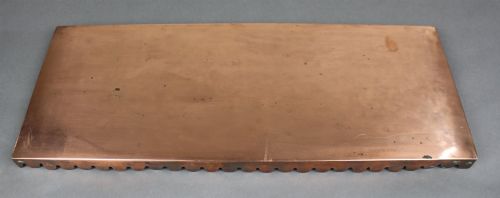
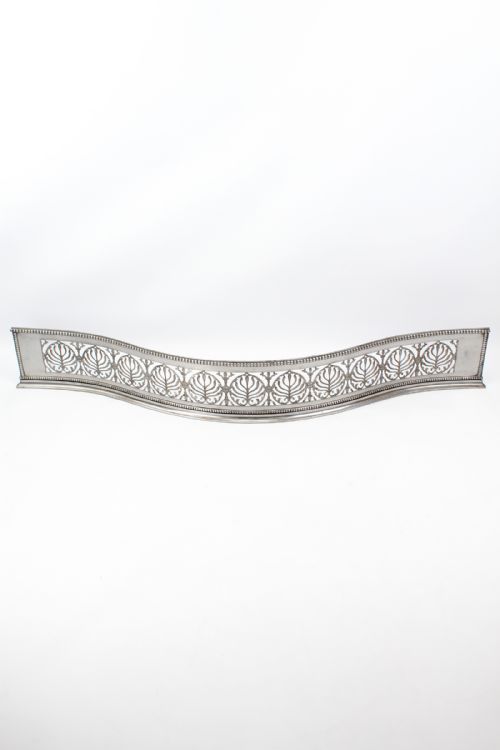

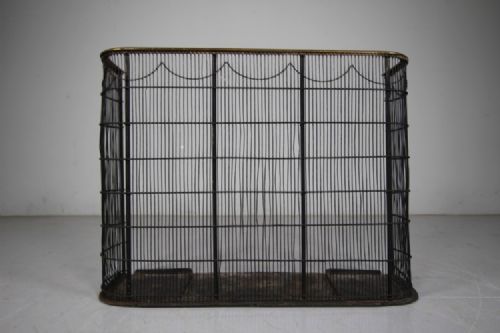


Georgian Fireplace Fender
A georgian fireplace fender frames the hearth with period weight, uniting polished steel, cast iron, and brass to anchor a room.
What They Are
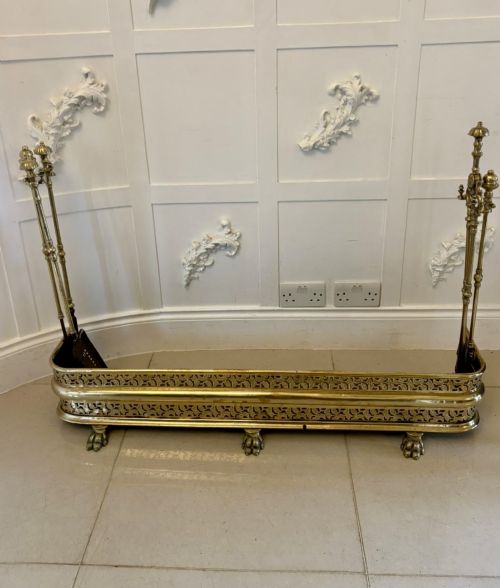
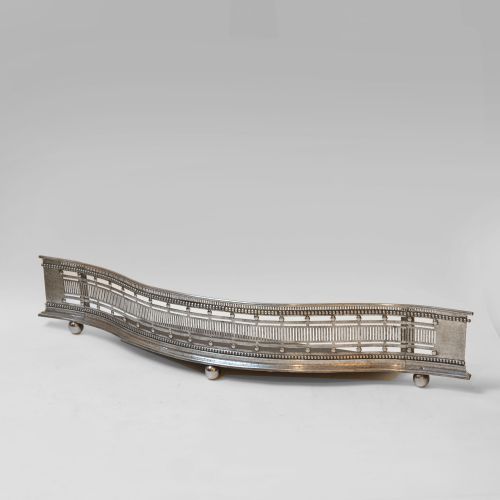
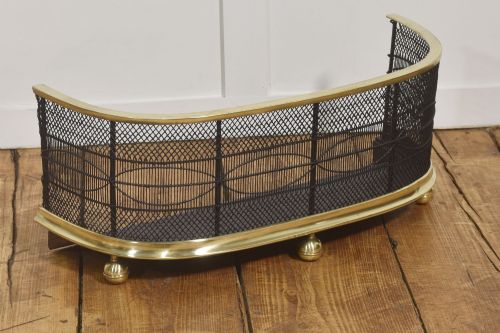
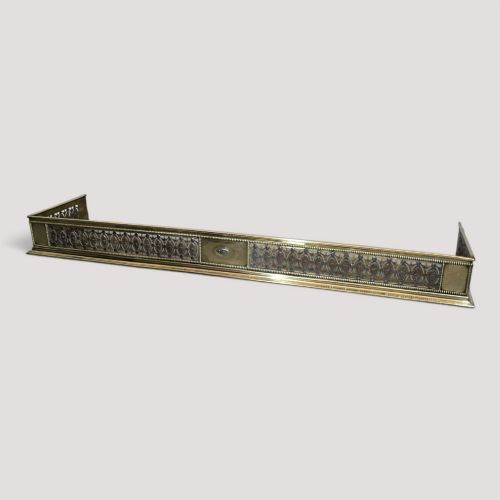
A georgian fireplace fender sits directly on the floor in front of the hearth to contain ash and embers while defining the fireplace enclosure. The pieces on this page span the Georgian period, the nineteenth century, and nineteen hundred, taking the form of fireplace accessories and fenders alongside a single marble fireplace surround.
The dominant styles include Regency, Georgian, and Victorian, reflecting a clear continuity of design across these eras. Surviving examples often incorporate original elements such as matching fire irons alongside the main fender structure.
How They Were Made
These pieces are constructed from solid metals including brass, cast brass, iron, and polished steel, frequently paired with carved marble in larger fireplace surrounds. Metal components involve casting, polishing, and hand-finishing techniques to create detailed scrolls and clean linear profiles.
Makers utilised traditional forge and foundry methods to join heavy iron and brass elements securely. The integration of polished steel surfaces required precise grinding and smoothing to achieve a reflective finish beside the hearth.
Retail Price Guide 2026
Typical UK retail prices for georgian fireplace fender, calculated from the Sellingantiques database of over a million retail prices indexed since 2003. This retail price guide relies exclusively on Sellingantiques data; no external sources or auction records are used, so the figures do not describe the wider market.
What Varies in Quality
The distinction between standard examples and the finest items rests on the crispness of the metal casting and the complexity of the decorative scrolling. Heavy gauge brass and properly tensioned polished steel indicate superior workshop output.
Completeness alters the character of a piece, particularly when original fire irons survive alongside the fender. Finer examples display meticulous attention to joint construction and surface finishing that withstands close inspection.
The Georgian Fireplace Fender Glossary
- Fender
- A low metal guard placed around the hearth to keep burning fuel and ash contained within the fireplace. This barrier protects surrounding floor coverings and provides a neat boundary to the hearth.
- Regency
- A British design style dating from the early nineteenth century characterised by classical restraint and refined metalwork. It frequently employs crisp brass details and polished steel surfaces.
- Polished Steel
- Iron alloy treated to create a bright, reflective metallic surface often used for the body or trim of period fenders. This finish requires careful maintenance to preserve its initial lustre.
- Fire Irons
- Implements such as pokers, tongs, and shovels used to manage the fire within the grate. These tools were often designed en suite with the fender.
Frequently Asked Questions
What is a fireplace fender used for?
A fireplace fender sits on the floor directly in front of the hearth to stop rolling embers from damaging carpets or wooden floorboards. It acts as a physical barrier that keeps the immediate fireside tidy.
Beyond safety, these metal guards frame the hearth and provide a finished architectural appearance to the fireplace elevation.
How do I identify a Regency style fender?
Regency style metalwork relies on classical proportions, clean geometric lines, and restrained decorative elements like cast brass scrolls. The materials often combine bright polished steel with contrasting warm brass.
These pieces reflect the early nineteenth-century preference for Greco-Roman influences translated into functional domestic metalwork.
Are brass and steel fenders difficult to maintain?
Polished steel and brass surfaces require regular, gentle cleaning to prevent tarnishing and surface oxidation from hearth smoke and ambient moisture. Using appropriate metal polishes keeps the reflective qualities intact without abrading the original finish.
Proper ongoing care preserves the contrast between the different metals used in the construction.
Do fenders usually include matching fire irons?
Some period fenders survive alongside their original fire irons, forming a complete fireside ensemble designed together in the workshop. Finding a matching set of irons is less common than discovering the fender on its own.
When fire irons do accompany the piece, they share the same material and decorative vocabulary as the main hearth guard.