


Georgian Fire Tools
Georgian fire tools are the heavy metal companions built to manage a coal or wood hearth, combining utility with period elegance.
Georgian Fire Tools
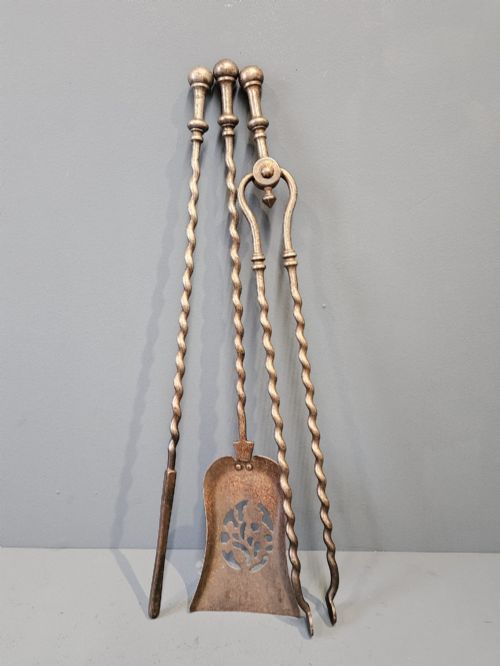
When you search for georgian fire tools, you encounter sets and individual implements designed for tending a domestic hearth during the eighteenth and early nineteenth centuries. These items include pokers, shovels, tongs, and occasionally fire dogs or bellows associated with the period.
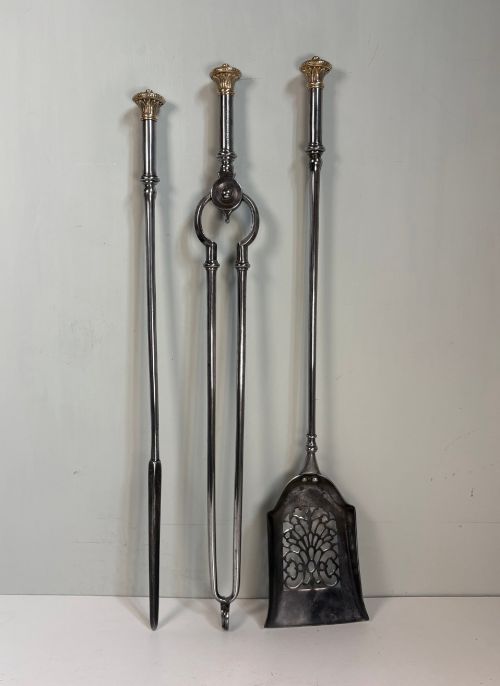
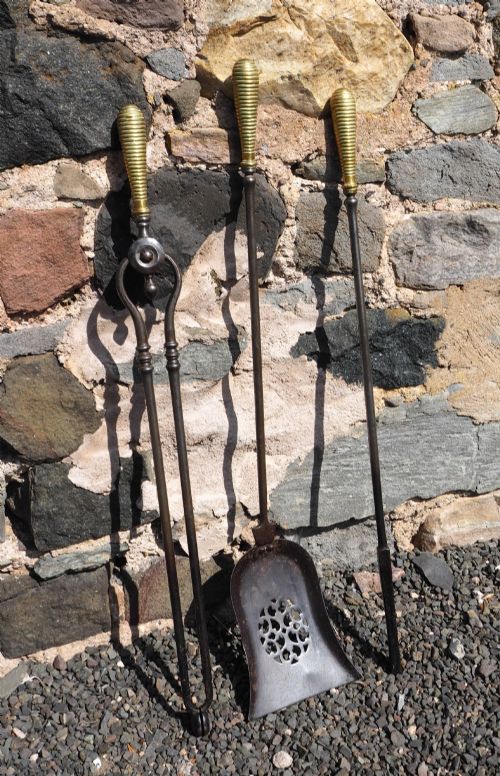
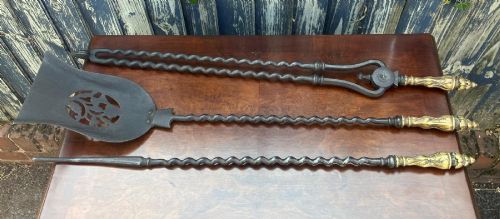
The most common groupings on this page are complete sets of three steel or brass fire irons, often featuring matching finials. Pieces span the Georgian era through to the Regency period and later nineteenth-century revivals.
Forms range from utilitarian wrought iron implements to polished steel companion sets and decorative brass suites with detailed handles.
Distinguishing Quality
The distinction between standard utility items and finer examples rests on the crispness of the casting, the weight of the metal, and the harmony of the set. Matching handles, refined engraving, and the retention of a bright polished or burnished finish separate superior companion sets from basic replacements.
Some pokers double as pipe lighters, proving that eighteenth-century smokers valued multi-tasking by the hearth.
The Georgian Fire Tools Glossary
- Fire irons
- The collective term for the poker, shovel, and tongs used together at the fireplace. These implements were typically displayed upright in a stand or resting on a fender.
- Fender
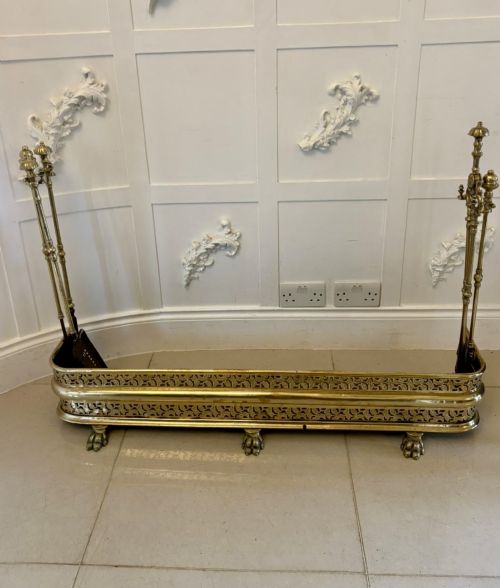
- A low metal guard placed in front of the hearth to contain embers and ash. Many period sets are accompanied by or matched to these guards.
- Burnished steel
- Steel that has been mechanically polished to a smooth, reflective surface. This finish required regular maintenance to prevent rust in damp rooms.
- Fire dogs
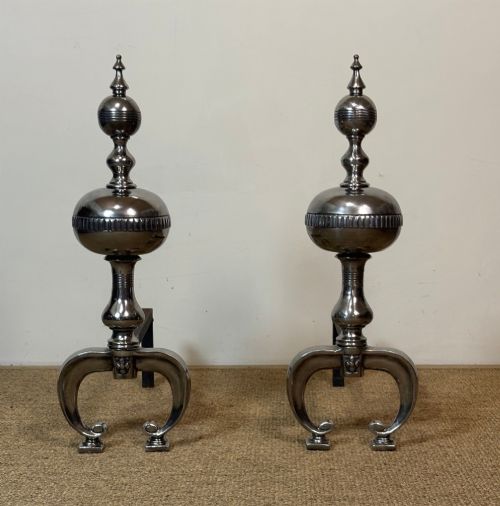
- Andirons used to support logs in an open hearth. They frequently appear alongside or matched to companion fire tools.
Georgian Fire Tools: Frequently Asked Questions
What tools come in a set?
A standard set generally includes a poker for moving coal or logs, a shovel for clearing ash, and a pair of tongs for handling fuel.
Additional pieces such as toasting forks or ember tongs occasionally accompany these core three items.
How do I clean polished steel?
Polished steel requires dry maintenance to preserve the metal without removing the historical surface. A light application of oil helps prevent rust during humid months.
Avoid harsh abrasives that can strip the original burnished finish.
Are brass tools original to the period?
Brass components were widely produced during the Georgian and Regency eras, often cast with decorative handles and ring mounts. Many survive paired with steel shafts.
Later Victorian revivals also utilised brass, requiring careful examination of construction marks and wear patterns to determine age.
Can I use them in an active fireplace?
Most period iron and steel tools remain structurally robust enough for regular fire tending. Brass pieces, particularly gilt or highly decorative ones, are often better suited for display due to softer metal composition.
Heat exposure can alter historical finishes, so practical use depends on the specific material.