



Georgian Fire Irons
Georgian fire irons are functional hearth tools forged from steel or cast in brass, sought after for their refined period proportions and durable utility.
Georgian Fire Irons
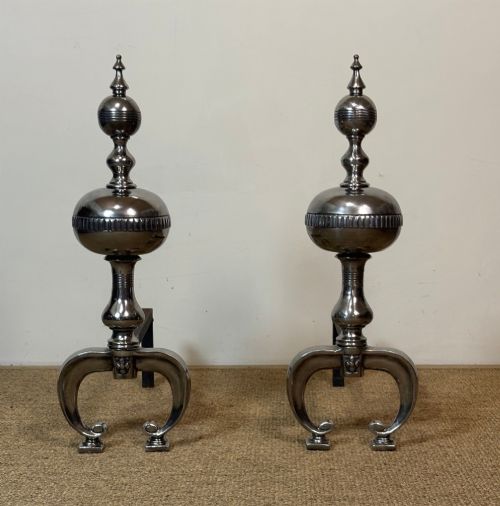
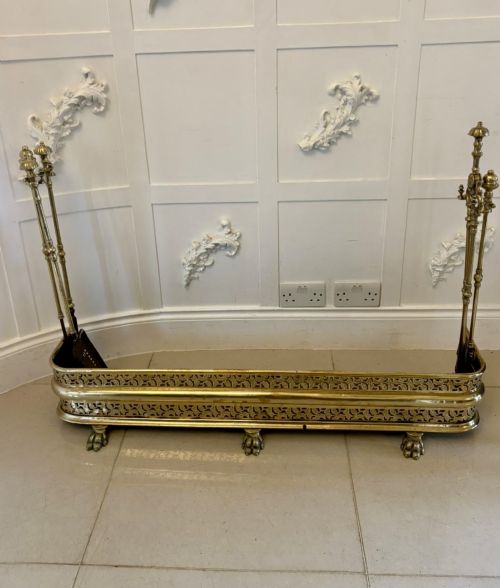
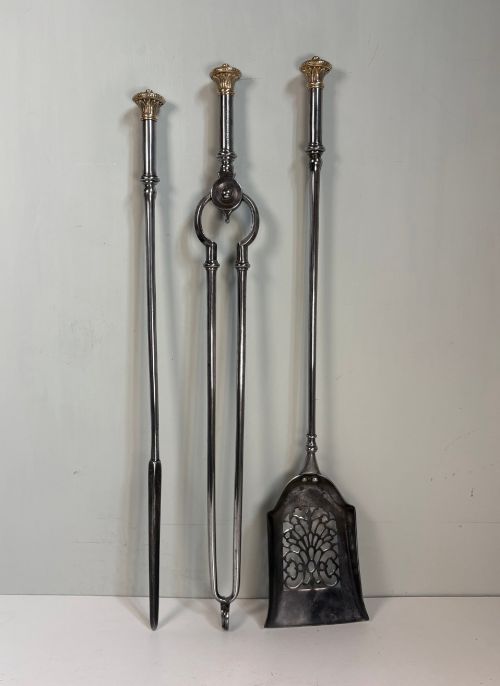
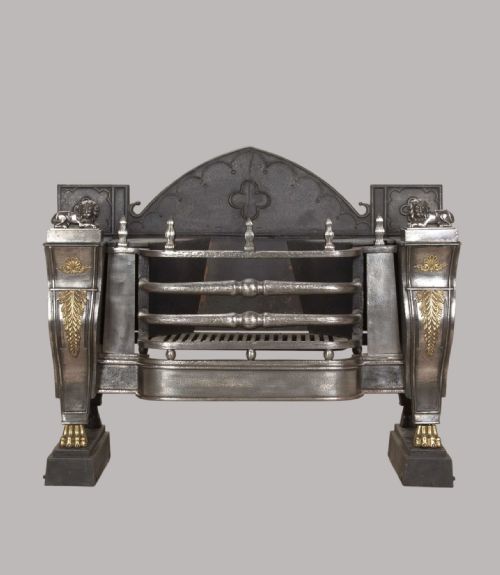
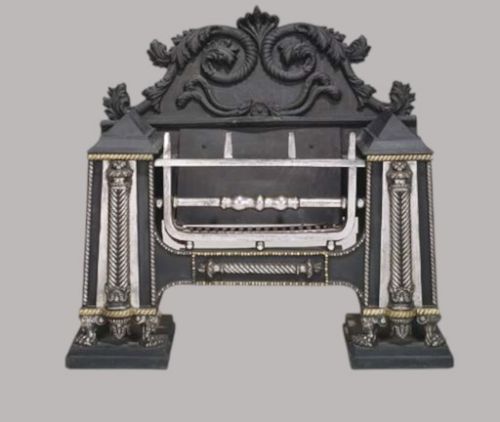
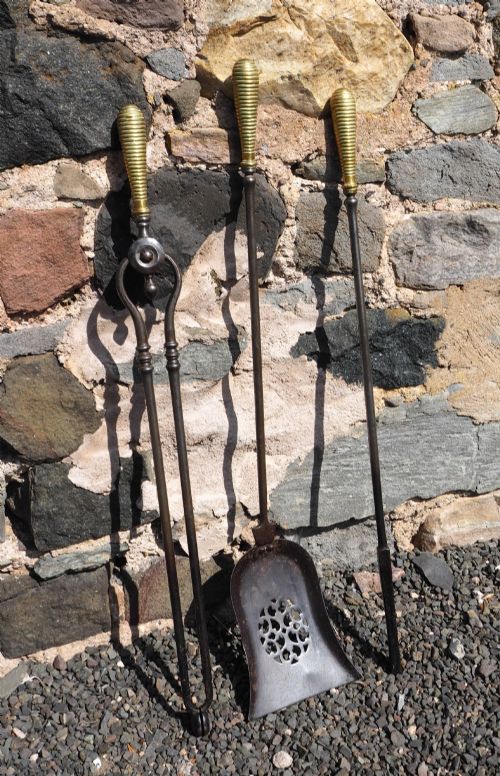
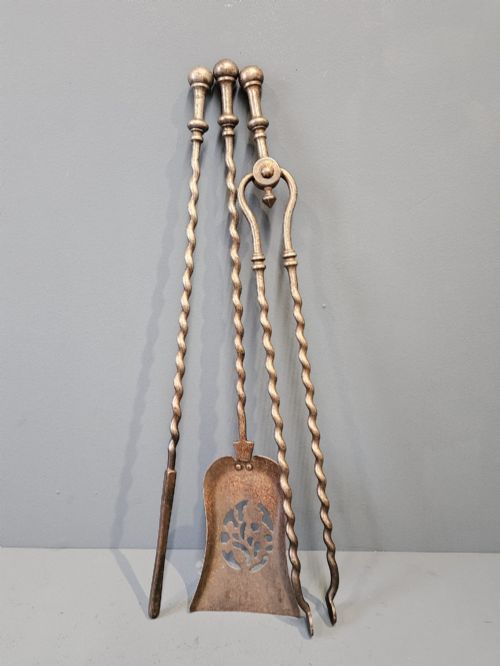
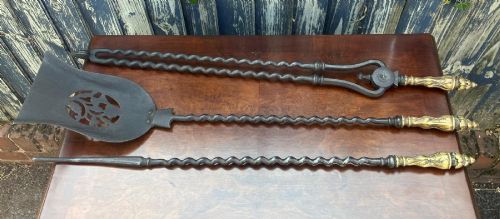
Georgian fire irons comprise the essential companion tools required to tend an open coal or wood-burning hearth. When browsing this selection, collectors routinely encounter complete sets containing a shovel, tongs, and a poker, often accompanied by matching fire dogs or fenders.
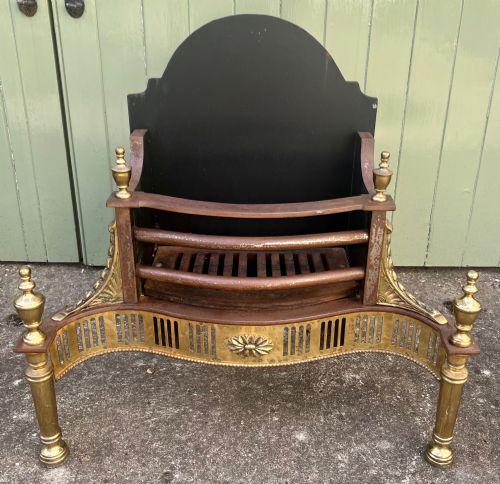
The material palette spans functional steel, burnished steel, and solid brass, frequently shaped during the Georgian, Regency, and George III periods. Sets emerge from English country houses and town residences alike, reflecting both utilitarian necessity and the decorative standards of the period.
Completions of three pieces remain the standard configuration found across the listings, though paired elements and larger companion sets appear regularly. Each item displays the characteristic shaft turnings, pierced shovel blades, and knopped handles typical of late eighteenth and early nineteenth-century metalwork.
How they were made
Blacksmiths and metalworkers shaped these objects using wrought iron, cast iron, and steel, hammering and forging the metals over an anvil to achieve robust structural shafts. Polished steel surfaces required intensive grinding and burnishing to produce a bright, reflective finish that resisted rust when properly maintained.
Brass elements were often cast using traditional sand-moulding techniques, yielding decorative finials and handles that were subsequently pinned or screwed onto iron stems. Artisans utilised piercing and engraving methods to ornament the shovel blades with geometric or foliate motifs.
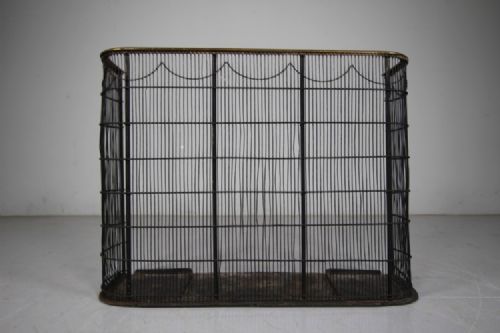
Some nineteenth-century nursery guards included built-in frames to safely dry infant garments away from roaring hearth flames without scorching.
What varies in quality
The distinction between standard utility items and superior examples lies in the crispness of the hand-turned knops and the weight of the metal utilised. Heavier steel shafts and solidly cast brass components indicate a higher grade of craftsmanship intended for principal reception rooms rather than secondary chambers.
Proportion and surface finish further define the better examples, where handles align harmoniously with balanced tongs and finely pierced shovel plates. Complete surviving sets matching in material and design carry greater integrity than assembled groupings gathered at a later date.
The Georgian Fire Irons Glossary
- Fire irons
- The collective term for the poker, shovel, and tongs used to manage a domestic hearth. These matched implements were traditionally displayed upright in a fender rest or stand beside the fireplace.
- Andirons
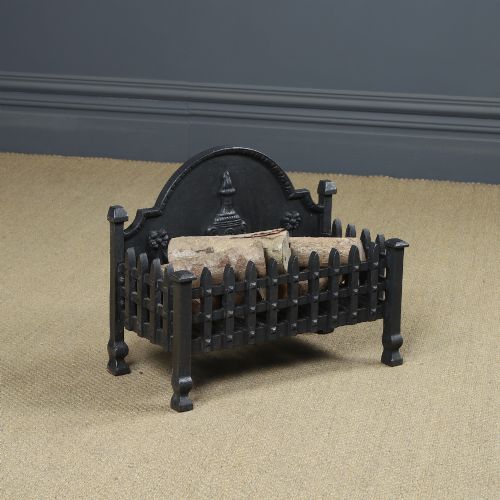
- Heavy metal supports placed on the hearth to hold logs above the floor for improved airflow. They frequently feature decorative brass or cast iron fronts that complement the companion fire tools.
- Fender
- A low metal guard placed around the hearth opening to contain falling embers. Regency and Georgian examples often incorporate integrated rests specifically designed to hold fire irons.
- Footman
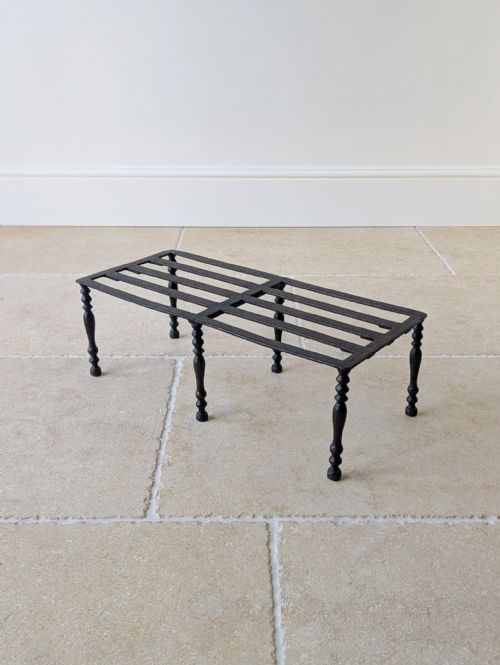
- A metal hearth stand featuring four legs and a flat top plate used for warming plates near the fire. They are typically fashioned from wrought iron or brass.
- Knop
- A rounded knob or ornamental swelling on the shaft of a fire iron or handle. Skilled turners shaped these details to provide a secure grip and decorative accent.
Georgian Fire Irons: Frequently Asked Questions
What tools are included in a standard set?
A standard set traditionally comprises a poker for prodding fuel, tongs for lifting coal or logs, and a shovel for clearing ash.
These three implements were designed to match in style and material, often displayed together on the hearth.
How do steel and brass fire irons differ?
Steel implements were forged for rugged daily utility and burnished to a bright finish, while brass tools emphasised decorative warmth.
Many high-status sets combined both metals, utilising iron stems for strength alongside decorative brass handles and finials.
Were these tools meant to be used?
These implements were manufactured as heavy-duty working tools for lighting, tending, and cleaning open coal and wood fires.
Their robust construction of wrought iron and thick brass enabled them to withstand intense hearth temperatures for generations.
How are periods identified in fire irons?
Dating relies upon stylistic markers such as neoclassical urn finials, Regency reeding, and the specific shaping of the handle knops.
Tool proportions and the methods used to join handles to shafts also shift perceptibly between the eighteenth and nineteenth centuries.