

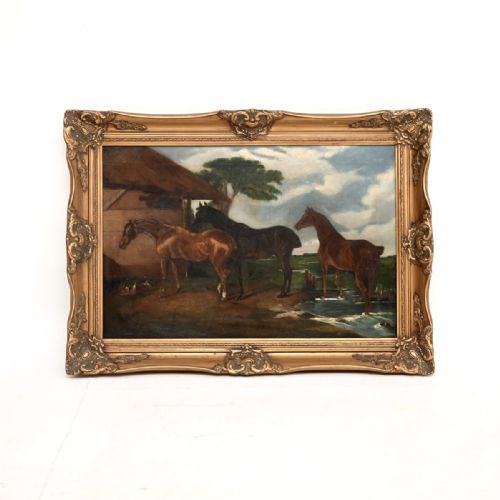


Georgian Equestrian Portrait
A georgian equestrian portrait captures the power of the horse and the prestige of the rider in oil on canvas or paper.
Georgian Equestrian Portrait
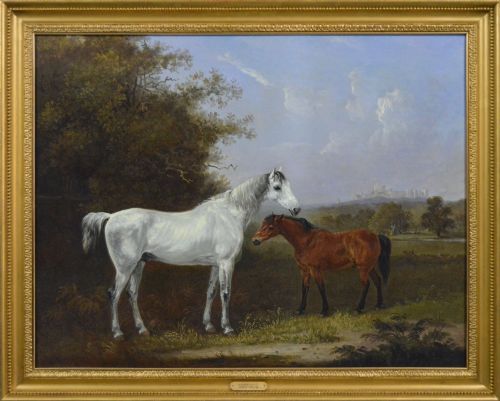
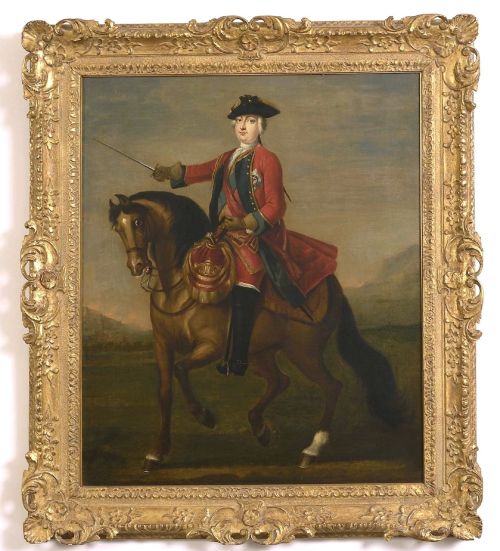
A georgian equestrian portrait brings together horses, riders, and landscape settings from the eighteenth and nineteenth centuries. These works range from grand depictions of figures like John Ligonier and the Duke of Cumberland to studies of hunters and grooms by identified painters.
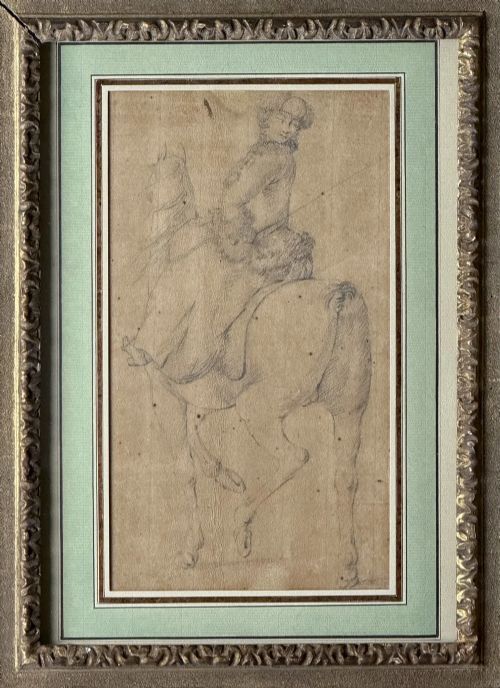
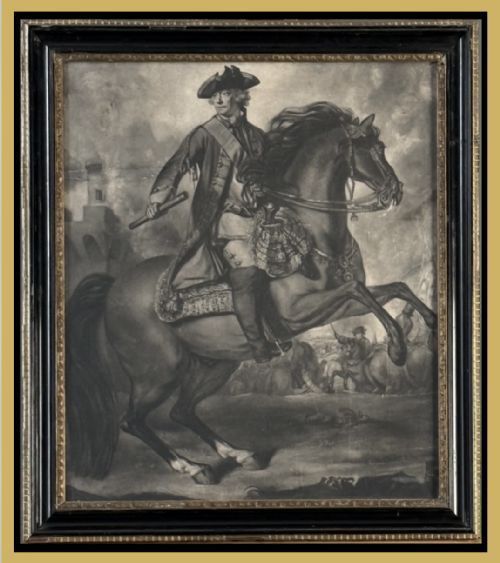
You will encounter oil paintings on canvas and pine panel alongside framed drawings and mezzotints. The subjects span military commanders, sportsmen, and notable animals situated within British and Northern European sporting traditions.
Materials and Technique
Artists worked primarily with oil paint on canvas, paper, or wood panels, building up rich layers of pigment to render the anatomy of horses and the textures of riding habits. Many works incorporate gold leaf within original frames, while print formats such as mezzotint utilised etched copper plates to transfer tonal depth onto paper.
Georgian Equestrian Portrait Retail Price Guide 2026
Typical asking prices for georgian equestrian portrait among the pieces listed under this phrase on Sellingantiques today, from the lower quarter to the upper quarter. They describe what is for sale here now, not the wider market.
Listings include works executed in oil on canvas, paper, and pine panel, alongside framed drawings and printed mezzotints.
Quality Variations
The anatomical accuracy of the horse and the precision in capturing the likeness of the sitter distinguish finer examples from standard workshop output. Hand-painted brushwork by documented hands shows superior handling of light across coats and landscapes compared to later copies or reproductions.
The preservation of the original canvas, panel, and surface pigment dictates the integrity of the piece. Works retaining their early frames and untouched paint layers hold greater visual cohesion.
Edward Fisher·Sir Joshua Reynolds·John Wootton·Thomas Hudson·W Williams·Abraham Cooper·Clifton Tomson·Johan Noah Bemmel·John Nost Sartorius·James Barenger·Samuel John Egbert Jones·William Shayer Snr·Harry Ashby
The Georgian Equestrian Portrait Glossary
- Mezzotint
- A printmaking process where the copper plate is roughened to achieve dark tones and rich contrasts. This technique was frequently utilised for reproducing grand painted portraits.
- Eglomise
- A method of applying gold or silver leaf to glass along with painting or engraving. It appears in decorative reproductions from later periods.
- Pinxit
- Latin for he painted it, often found alongside an artist's signature on eighteenth-century canvases. It denotes direct attribution to the named hand.
- Pine Panel
- A rigid wooden support used by artists instead of woven canvas. It provides a smooth, stable ground for early oil paintings.
Georgian Equestrian Portrait: Frequently Asked Questions
What periods do these portraits cover?
The selection spans works executed across the eighteenth and nineteenth centuries, encompassing the Georgian and Regency eras. Some pieces reflect later nineteenth-century interpretations of these earlier sporting traditions.
Dates range from early eighteenth-century Northern European drawings to later nineteenth-century British school oils and mid-twentieth-century eglomise reproductions.
How were these paintings originally displayed?
Landed gentry and military officers hung large equestrian oils in country houses and halls to display status, wealth, and lineage. Smaller drawings and mezzotints found places in studies and libraries.
Today, these works suit traditional interiors, libraries, or hallway spaces where sporting art historically resided.
What subjects appear besides horses?
Compositions frequently include military figures, grooms, hunting parties with dogs, and sportsmen in pastoral landscapes. Portraits of specific animals like bay hunters and chestnut chargers also form a core part of the grouping.
Backgrounds range from stable interiors and watering troughs to expansive hunting grounds and battlefield settings.
How do I care for antique oil paintings?
Keep paintings away from direct sunlight and fluctuating humidity to protect the oil paint, canvas, and wooden panels from cracking or warping. Dust frames gently with a dry, soft brush.
Avoid using liquid cleaners on the canvas surface and consult a professional conservator for deep cleaning or structural repairs to giltwood frames.