






Georgian Engraved Plates
Georgian engraved plates bring the tactile weight of Old Sheffield Plate and copper into your home through finely chased heraldry and metalwork.
Georgian Engraved Plates
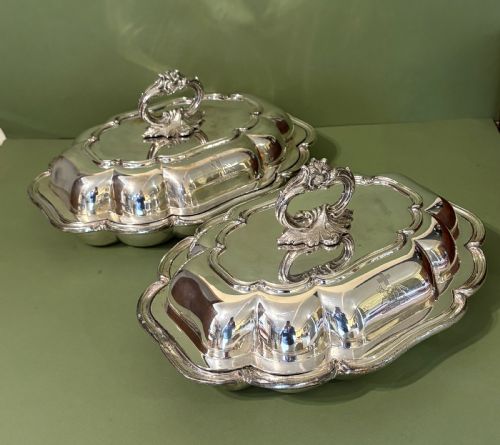
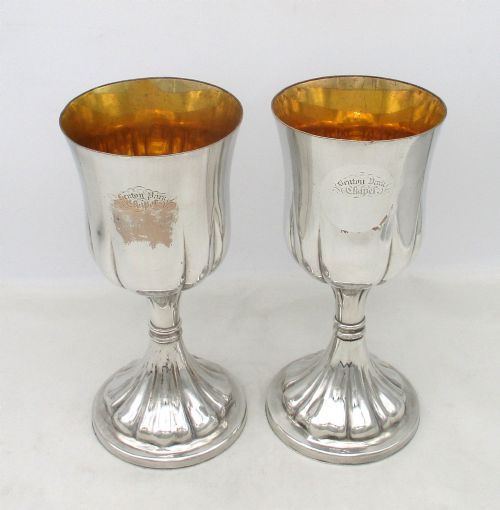
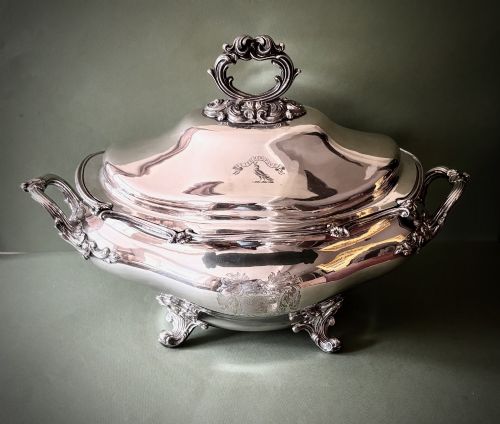
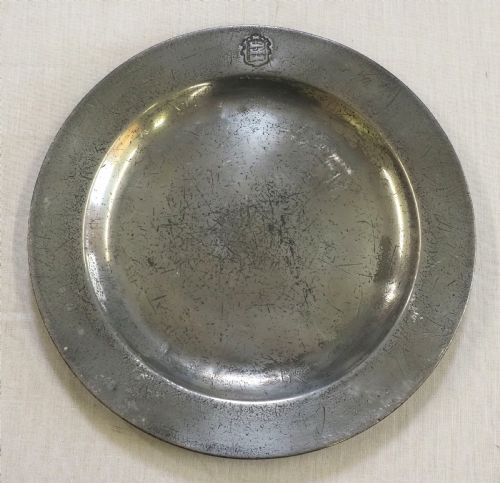
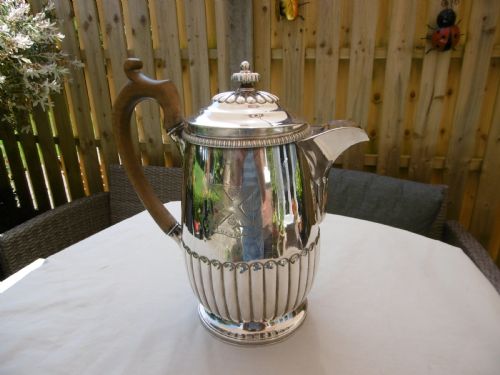
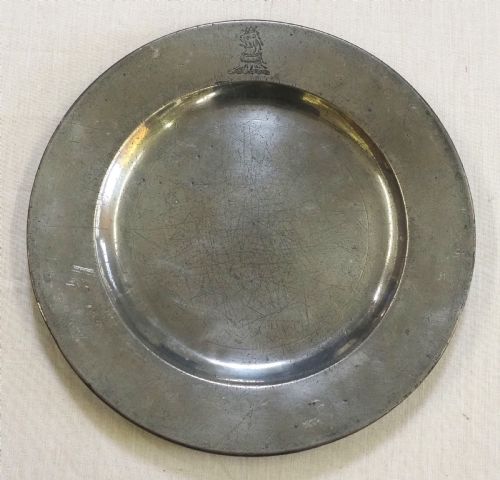
Georgian engraved plates comprise dining wares, serving pieces, and metal printing plates produced during the eighteenth and nineteenth centuries. You will most frequently encounter Old Sheffield Plate items bearing heraldic crests or armorial engravings.
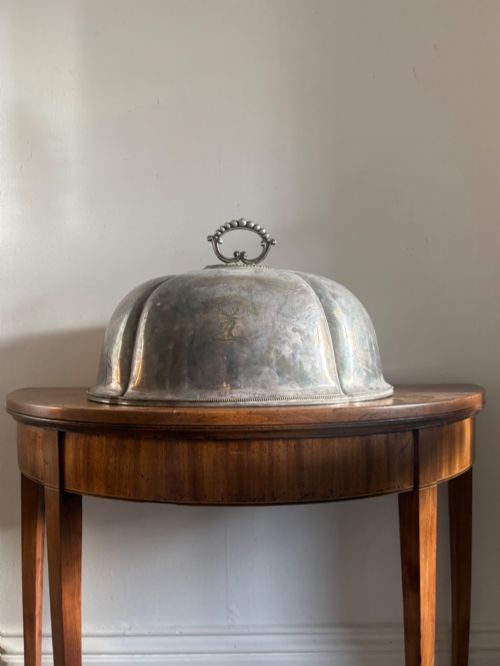
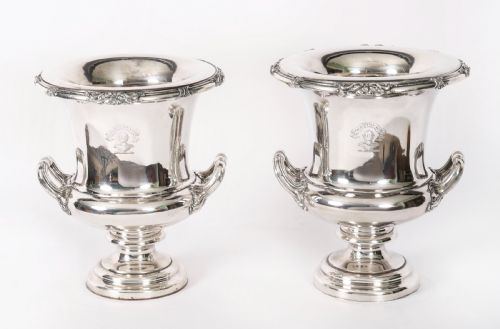
The material record spans the 18th century through to the Victorian era, utilising base metals fused with silver alongside copper printing plates. Form follows utility, extending from flat card trays and dinner plates to monumental meat domes and wine coolers.
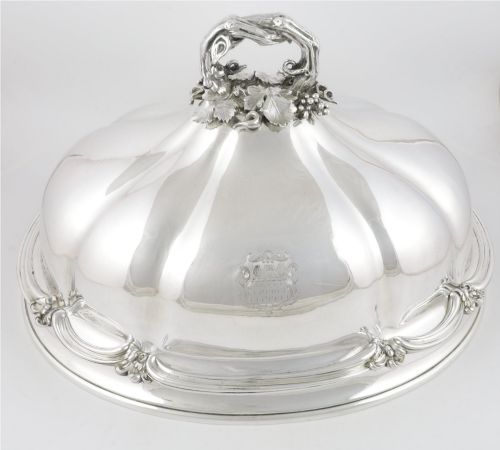
Makers stamp or engrave their wares with personal ciphers and coats of arms denoting aristocratic commissioning. This heraldry connects domestic dining accessories directly to the landed families who ordered them.
How they were made
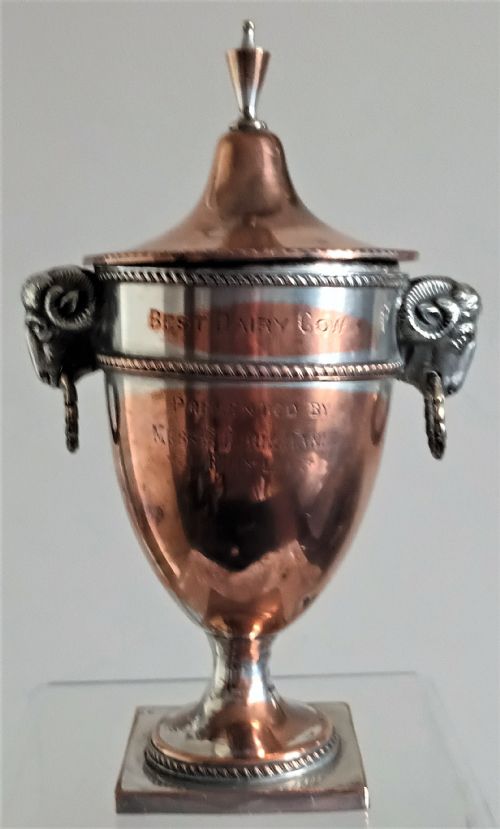
Old Sheffield Plate is created through the fusion of a silver sheet onto a thick copper ingot, heated and rolled together until bonded. This technique allowed makers to produce robust tableware with the appearance of solid silver at a lower weight.
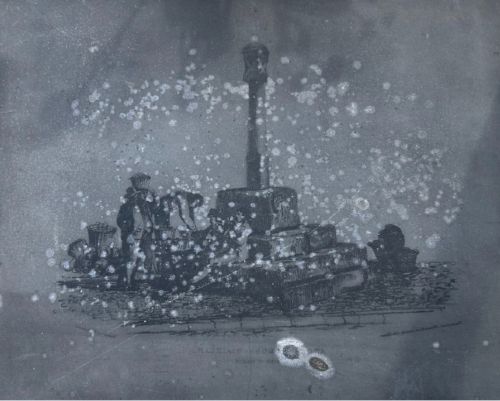
Engraving was executed by hand using sharp gravers to cut lines directly into the metal surface or the silver skin. Coats of arms and crests required steady precision to expose the darker base metal or create contrasting textures against the polished field.
Georgian Engraved Plates Retail Price Guide 2026
Typical asking prices for georgian engraved plates among the pieces listed under this phrase on Sellingantiques today, from the lower quarter to the upper quarter. They describe what is for sale here now, not the wider market.
Listings feature items spanning the 18th century through the Victorian period, utilising copper, silver plate, and Old Sheffield Plate.
What varies in quality
Quality rests upon the crispness of the hand-engraving and the preservation of the silver skin over the copper base. Crisp, deep lines in heraldic crests indicate skilled craftsmanship, whereas worn or polished-down engraving loses its definition.
Proportion and weight distinguish superior dining pieces from standard utility wares. Heavy gauge Old Sheffield Plate maintains structural integrity and cleaner lines across large forms like meat domes and wine coolers.
Matthew Boulton·Roberts Cadman·Henry Wilkinson·James Spackman·Wood & Michell
The Georgian Engraved Plates Glossary
- Old Sheffield Plate
- A composite material made by fusing a thin layer of silver to a thicker copper core. This technique predated electroplating and produced durable tableware.
- Coat of Arms
- A distinct heraldic design displayed on shields or plates to identify a family or institution. These were hand-engraved onto silver and plated surfaces to mark ownership.
- Meat Dome
- A large, domed cover used to keep roast meats warm on the dining table. They frequently featured substantial handles and finely engraved armorial bearings.
- Card Tray
- A small flat serving plate used for presenting visiting cards or letters. They typically stood on small feet and displayed decorative borders alongside central engraving.
Georgian Engraved Plates: Frequently Asked Questions
How do I care for Old Sheffield Plate?
Clean these items using mild soapy water and a soft cloth to protect the thin silver layer. Avoid abrasive polishes that can wear away the silver skin and expose the copper beneath.
Store pieces in dry environments away from direct heat sources to prevent tarnishing and baseline corrosion. Proper handling ensures the engraved details remain sharp for generations.
What is the difference between silver plate and Old Sheffield Plate?
Old Sheffield Plate uses a mechanical fusion process where a sheet of real silver is bonded to copper through heat and rolling. Later electroplating deposits silver via an electrical current onto a base metal.
Examining the edges often reveals the telltale copper seam characteristic of fused Old Sheffield Plate wares. This older method results in a heavier, sturdier construction than nineteenth-century electroplate.
How can I tell the date of a piece?
Dates are estimated through stylistic cues, manufacturing techniques, and any associated maker marks or engraved ciphers. Georgian items display neoclassical or rococo influences depending on their exact decade of production.
Comparing the weight, edge borders, and script style of the armorial engraving helps narrow down the manufacturing period. Documentary evidence from known makers provides further chronological anchors.
How were these plates used historically?
Dining wares such as plates and trays functioned as status symbols during formal meals and evening assemblies. Servants used large domes to transport hot food from the kitchens to the dining room table.
Engraved coats of arms asserted the lineage and wealth of the host family in front of invited guests. Smaller trays managed visiting cards in domestic entryways during the Regency and Victorian periods.